The Detroit Cancer Center was established
In 1948, the Detroit Cancer Center was established from the union of the Detroit Institute for Cancer Research…
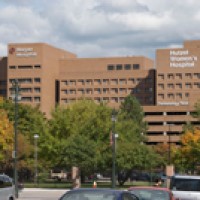
In 1948, the Detroit Cancer Center was established from the union of the Detroit Institute for Cancer Research…

In 1947, the Southeastern Michigan Division of the American Cancer Society created the Michigan Cancer Foundation to comply…
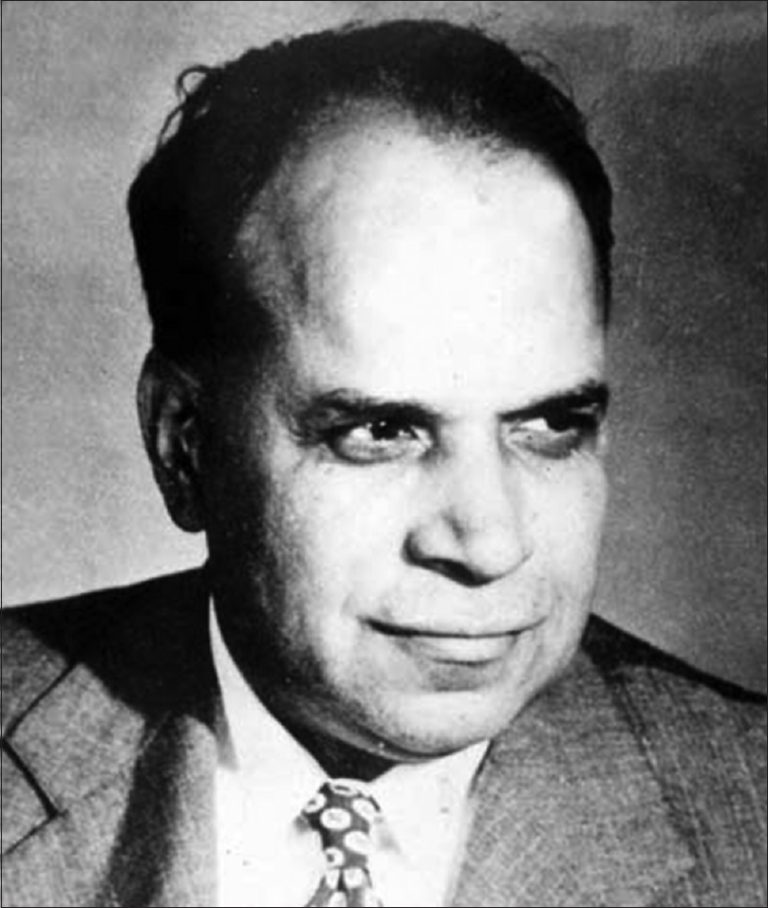
In 1947, biochemist Yellapragada SubbaRow co-discovered the first cancer chemotherapy agent for children suffering from acute leukemia. While…
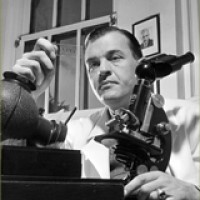
In 1947, the Laboratory of Experimental Oncology (LEO) was founded as a collaborative effort between the city of…
In 1947, Sidney Farber, MD, founded a Children’s Cancer Research Foundation dedicated to providing children with cancer with…
In 1946, Lloyd Law of NCI introduced the L1210 murine leukemia cell line tumor used in the cancer…
On Aug. 8, 1945, the Sloan-Kettering Institute for Cancer Research (SKI) was established. A gift of $4 million…
In 1945, the University of California, Los Angeles (UCLA) Jonsson Cancer Center Foundation was founded by a group…
In 1944, Canadian Premier Tommy Douglas, seeing the high cancer death rate in Saskatchewan, implemented free cancer treatment…
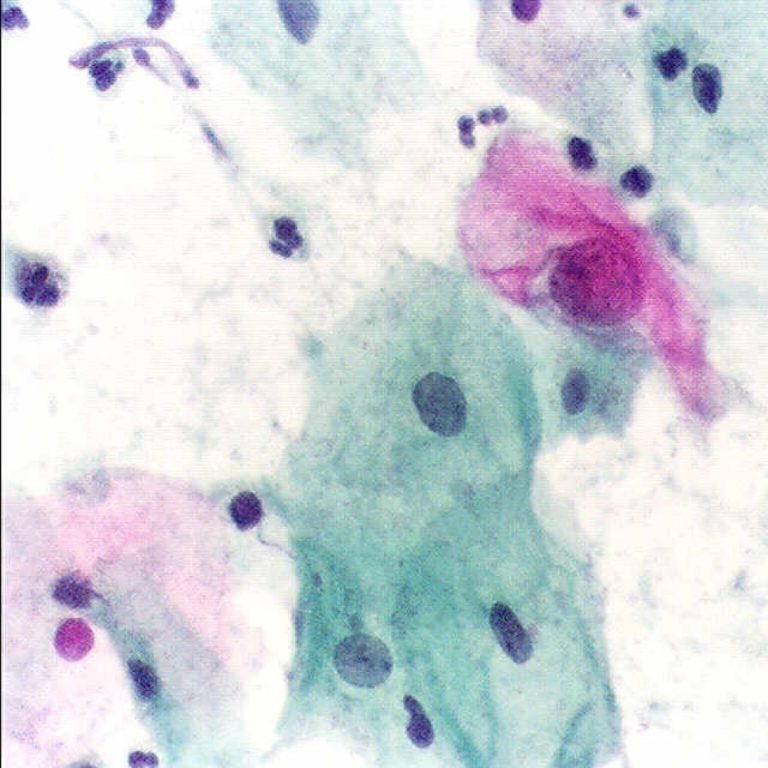
In 1943, George Nicholas Papanicolaou and Herbert Traut published their landmark book “Diagnosis of Uterine Cancer by the…
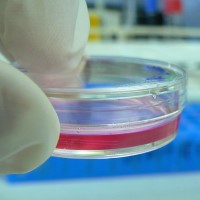
In 1943, Wilton R. Earle of NCI, who had in the 1930’s pioneered the process of growing cells…

In 1943, The Detroit Institute for Cancer Research was incorporated with just $483 and 200 shares of General…
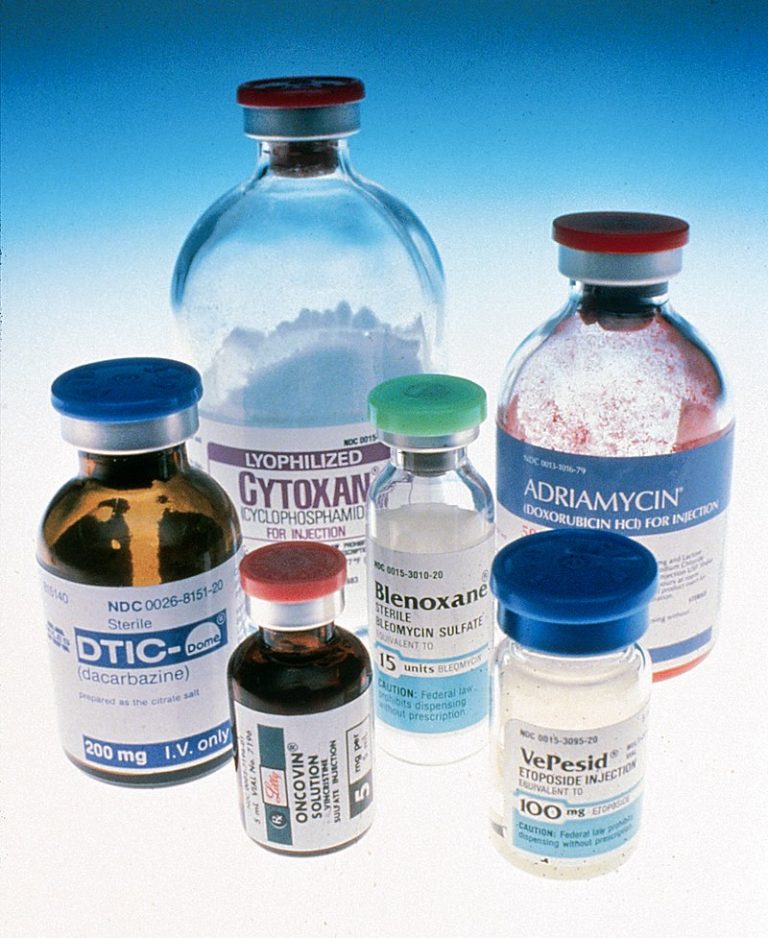
On Aug. 27, 1942, chemotherapy was first used to treat a cancer patient and the beginning of its…

In 1942, Yale cancer research began when the first use of a cancer drug was administered to a…
In 1942, The Hormel Institute was founded by Jay C. Hormel in Austin to research and find a…
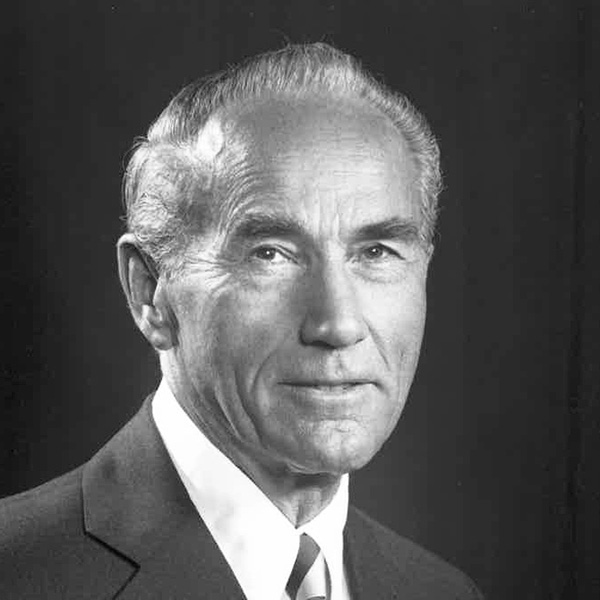
In 1942, Dr. William Hutchinson began a 47 year career in Seattle, Washington when he joined the Swedish…
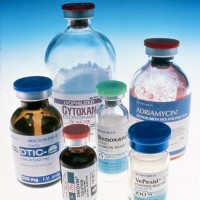
In 1942, the first intravenous chemotherapy treatment of a cancer patient was performed at Yale.
In 1941, Charles Huggins discovers that blocking male hormones (by removal of the testicles or administration of estrogens)…
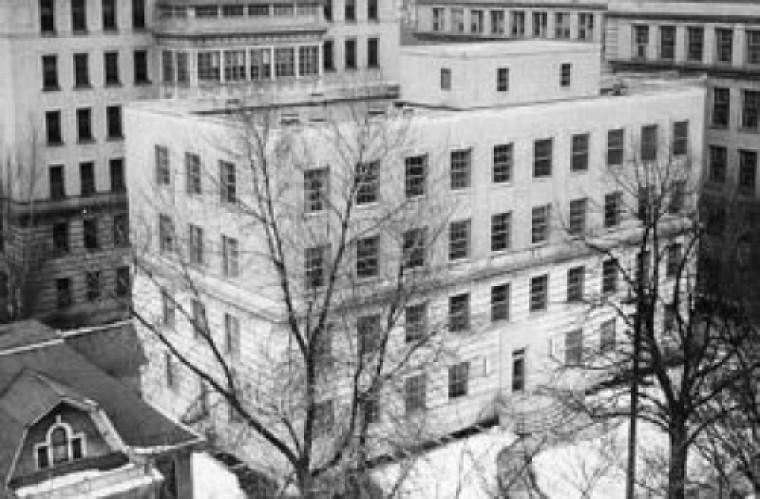
In 1940, the McArdle Memorial Laboratory was founded in Madison. McArdle Lab was one of the first basic…

On Nov. 5, 1938, the British Columbia Cancer Institute, BC Cancer’s first cancer treatment centre officially opened in…
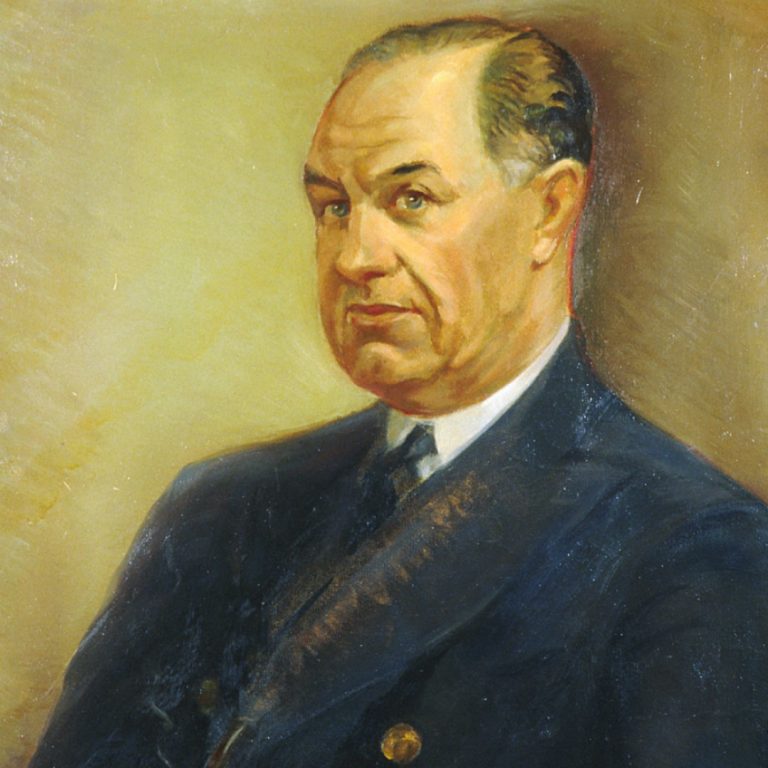
On Jan. 13, 1938, Dr. Carl Voegtlin became the first director of the National Cancer Institute (NCI), established…
In 1938, the National Advisory Cancer Council, created by the National Cancer Institute Act of Aug. 5, 1937,…
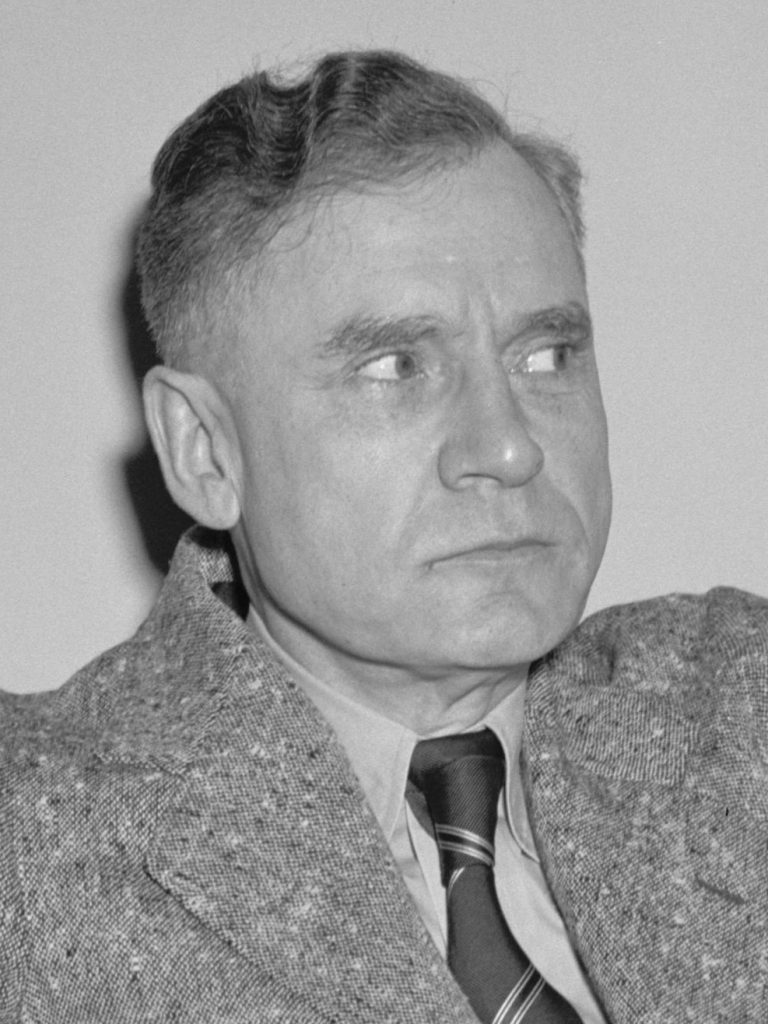
On Apr. 2, 1937, Senator Homer T. Bone of Washington introduced S. 2067, “Authorizing the Surgeon General of…
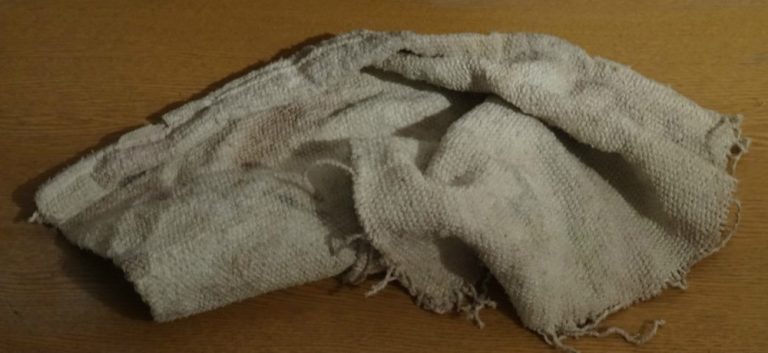
In May 1935, Kenneth Lynch and William Atmar Smith from the Medical College of South Carolina published an…
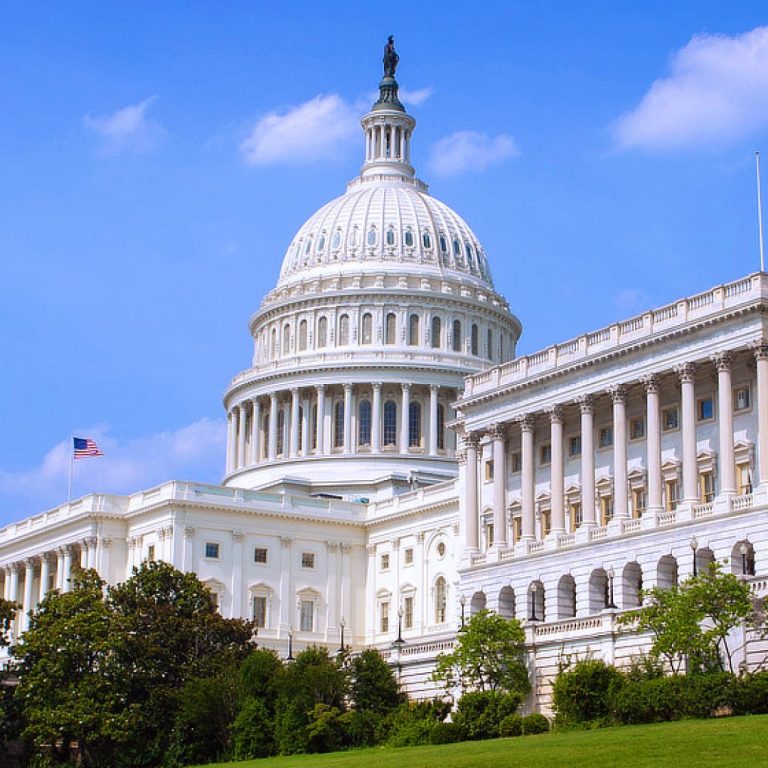
On May 29, 1929, Senator W. J. Harris, Georgia, introduced S. 4531, authorizing a survey in connection with…
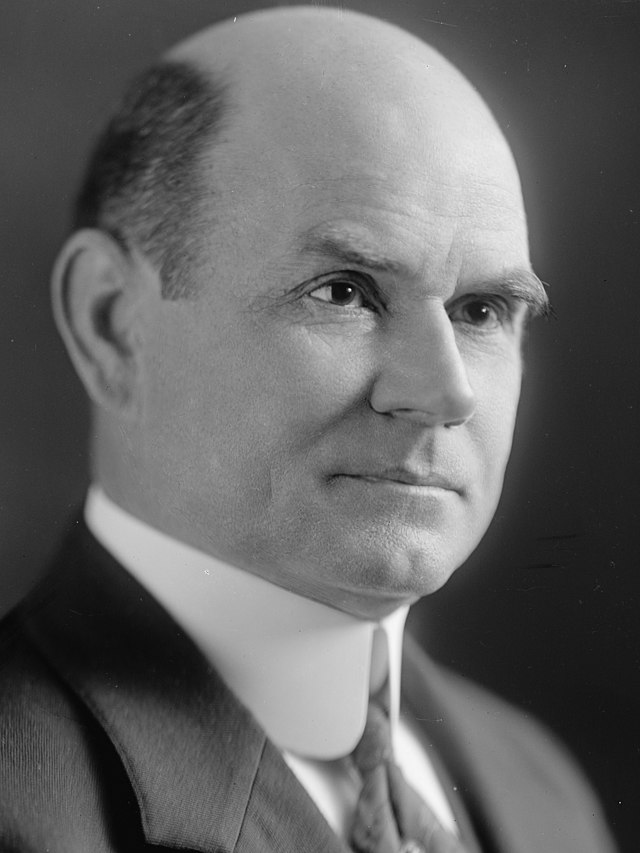
On Apr. 23, 1929, Senator W. J. Harris, Georgia, introduced S. 466, “To authorize the Public Health Service…
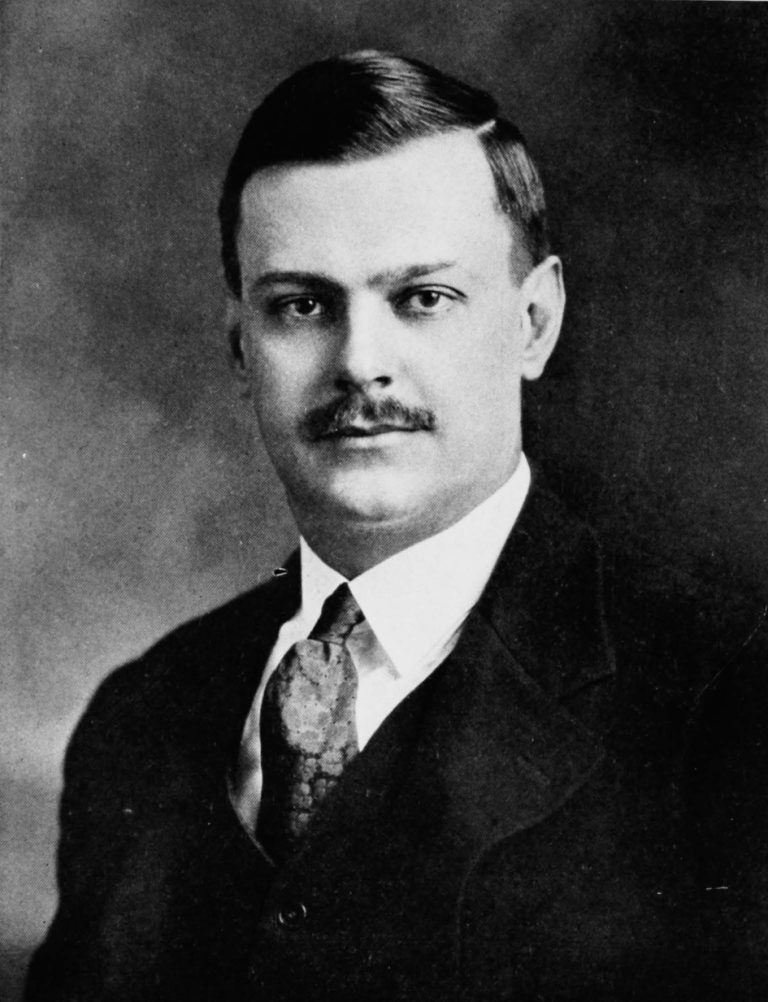
On May 4, 1929, Clarence Cook Little founded The Roscoe B. Jackson Memorial Laboratory in Bar Harbor, Maine,…
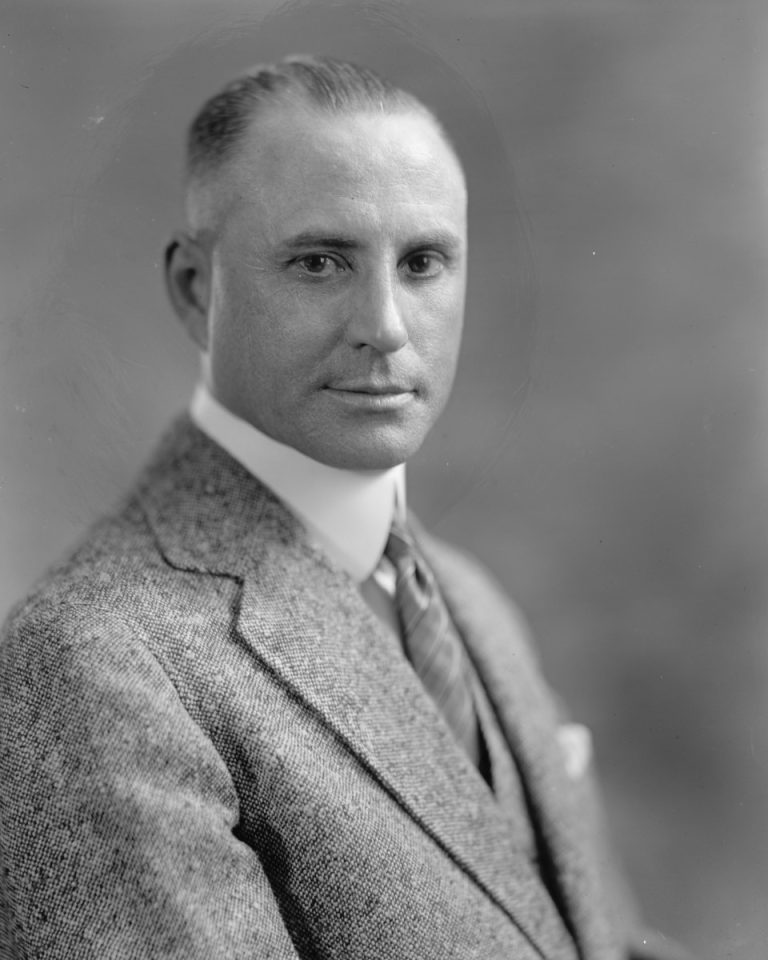
On Mar. 7, 1928, Senator Matthew Neely (D) of West Virginia introduced S. 3554, “To authorize the National…
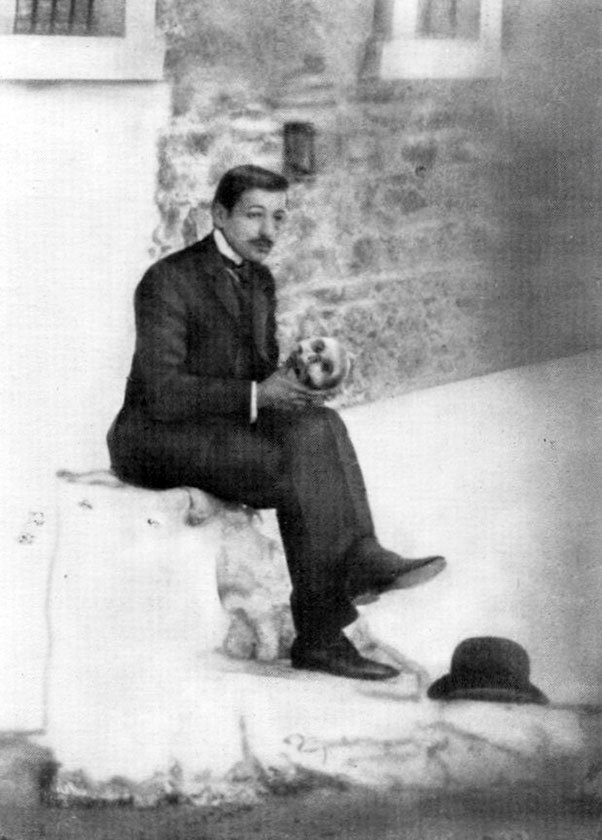
In 1928, George Papanicolaou discovered that vaginal cell smears (the Pap smear) revealed the presence of cervical cancer….

In 1928, the sword symbol of the Americal Cancer Society (ASCC) came from a 1928 nationwide poster contest…