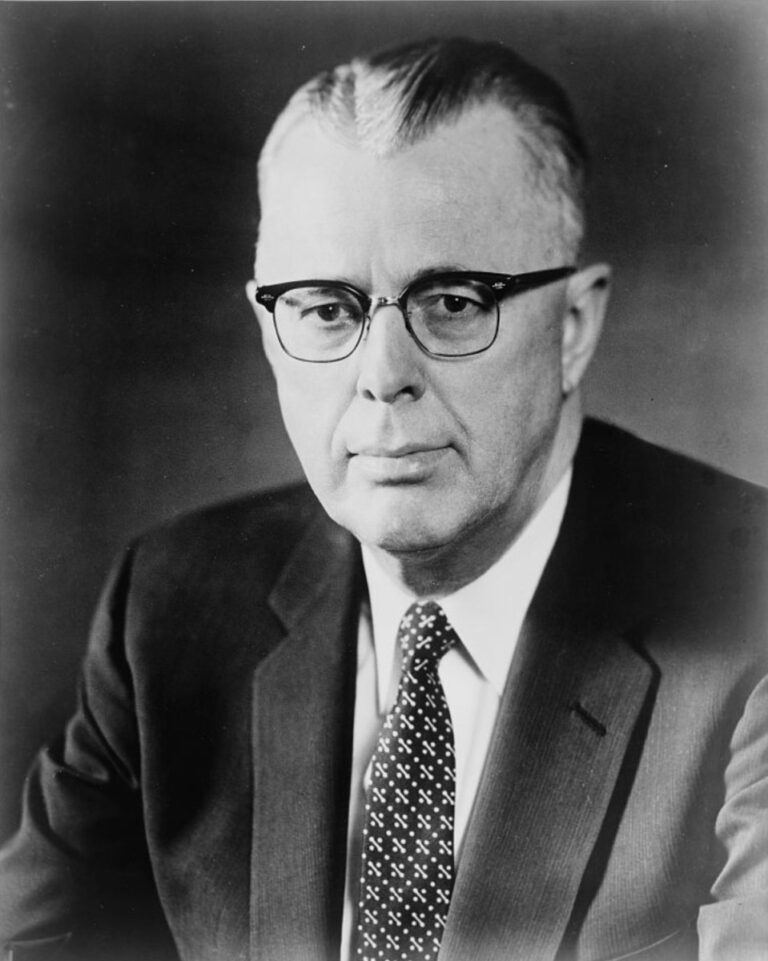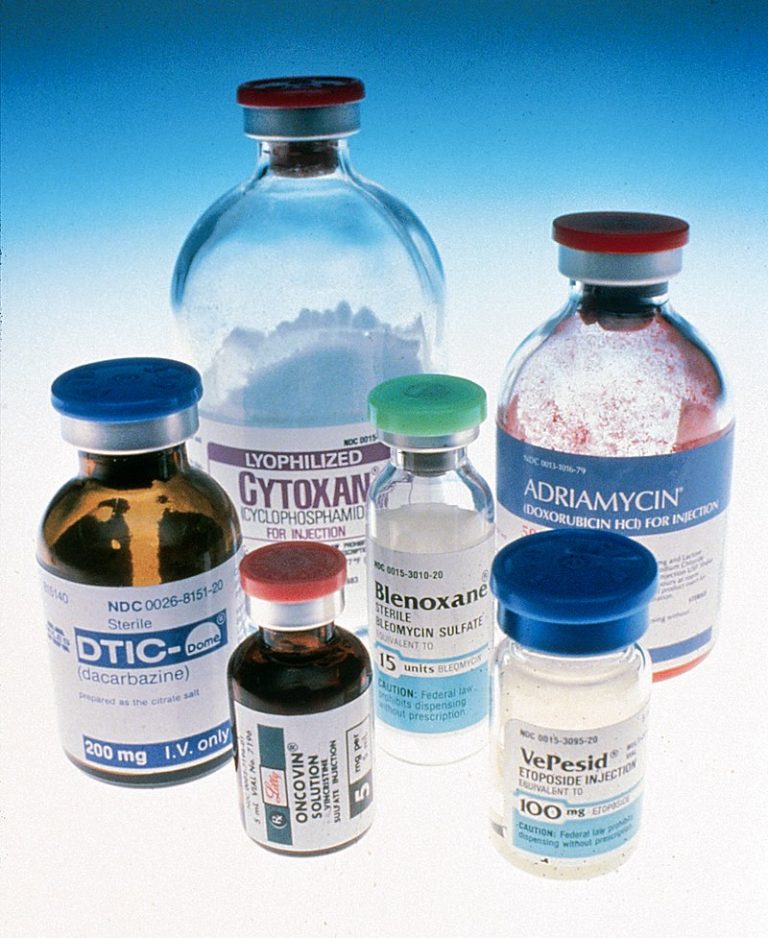
Bristol-Myers introduced CEENU (lomustine), a chemotherapy product for brain cancer and Hodgkins lymphoma
In 1976, Bristol-Myers introduced CEENU (lomustine), a chemotherapy product for brain cancer and Hodgkins lymphoma. Lomustine is an…
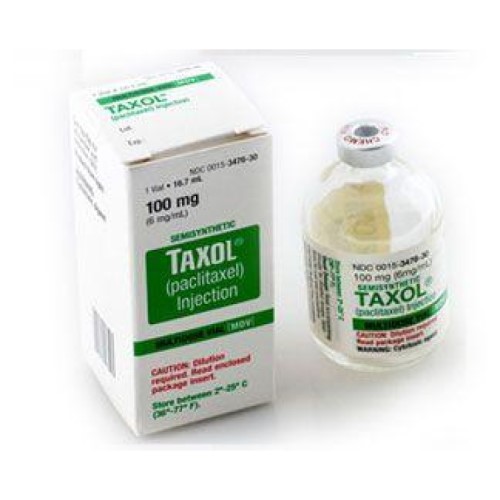
In 1976, Albert Einstein Cancer Center researchers identified the mechanism of action of Taxol, one of the most…
In 1976, the National Cancer Institute’s (NCI) Cancer Information Service (CIS) began operation. Launched in Connecticut in 1976,…
In 1976, the University of Arizona Cancer Center (UACC) was founded as a Division of The University of…
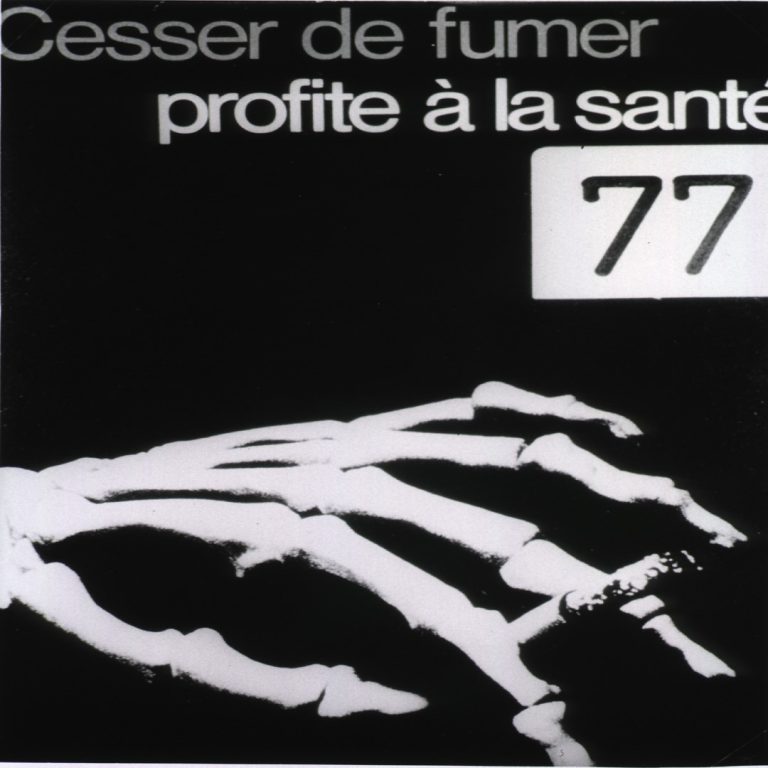
Cesser de Fumer: Profite a la Sante, published by the World Health Organization, (ca. 1975).
In 1975, the nonprofit Detroit Medical Center Institute for Oncology and Allied Diseases was established, formed from the…
In 1975, Lineberger Cancer Center at the University of North Carolina at Chapel Hill received National Cancer Institute…
In 1975, The Perlmutter Cancer Center was founded and received National Cancer Institute (NCI) Designation status. Its mission…
On Dec. 17, 1974, CANCERLINE, a national database of published cancer research, was established by the National Cancer…
On Sept. 10, 1974, the Division of Cancer Control and Rehabilitation (DCCR) was established by the National Cancer…
In 1974, the U.S. Food and Drug Administration (FDA) approved doxorubicin (Adriamycin), an antitumor anthracycline antibiotic from Streptomyces…
In 1974, Stanford Medicine researcher William S. Robinson successfully isolated the genome of the hepatitis B virus, which is…
In 1974, the Cancer Center of Wake Forest University (CCCWFU), became a National Cancer Institute (NCI)-designated cancer center….
In 1974, Yale Cancer Center received a National Cancer Institute (NCI) designated comprehensive cancer center status, the only…
In 1974, the Georgetown University Medical Center authorized the establishment of a cancer center named in honor of…
In 1974, the U.S. Centers for Disease Control and Prevention (CDC) began investigating liver cancer deaths in Louisville,…
In 1974, the Northwestern University Cancer Center was founded. Now known as the Lurie Cancer Center, it is…
In 1974, The Massachusetts Institute of Technology (MIT) Center for Cancer Research (CCR) received National Cancer Institute (NCI)…
In 1974, the Michigan Cancer Foundation and Wayne State University formed a Joint Committee for Cancer Studies and…
In 1973, the Comprehensive Cancer Center for the State of Florida was founded. The Center, now the Sylvester…
In 1973, the Norris Cancer Center was designated a National Cancer Institute (NCI) Comprehensive Cancer Center, one of…
In 1973, The Salk Cancer Center received a National Cancer Institute comprehensive cancer center designation. it was one…
In 1973, UChicago established the University of Chicago Comprehensive Cancer Center (UCCCC), receiving its initial designation as a…
In 1973, the Norris Comprehensive Cancer Center, now the University of Southern California Kenneth Norris Jr. Cancer Center…
In 1973, the Michigan Cancer Foundation’s cancer registry was invited to join the National Cancer Institute’s (NCI) Surveillance,…
In 1973, Senator Norris Cotton secured a second federal grant of $500,000 to support cancer research at Geisel…
In 1973, Bristol-Myers introduced several early medicines, beginning with BLENOXANE (bleomycin sulfate) for squamous cell cancers, head and…
In 1973, Penn Medicine’s Cancer Center was formally established by a dedicated group of cancer specialists committed to…
In 1973, the University of Wisconsin Carbone Cancer Center received National Cancer Center designation from the National Cancer…
In 1972, Drs. Roy Hertz and Min C. Li, National Cancer Institute scientists, credited with discovering the first…