Fred Hutchinson, namesake of the Fred Hutchinson Cancer Research Center, succumbed to cancer
On Nov. 12, 1964, Fred Hutchinson, a standout pitcher at Seattle’s Franklin High School and ten year pitching…

On Nov. 12, 1964, Fred Hutchinson, a standout pitcher at Seattle’s Franklin High School and ten year pitching…
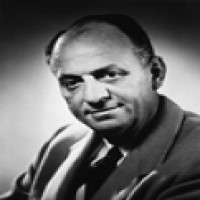
On Jan. 11, 1964 U.S. Surgeon General Luther Terry released the first government report that concluded smoking may…
In 1964, the anticancer drug melphalan (L-PAM) was approved by the U.S. Food and Drug Administration.
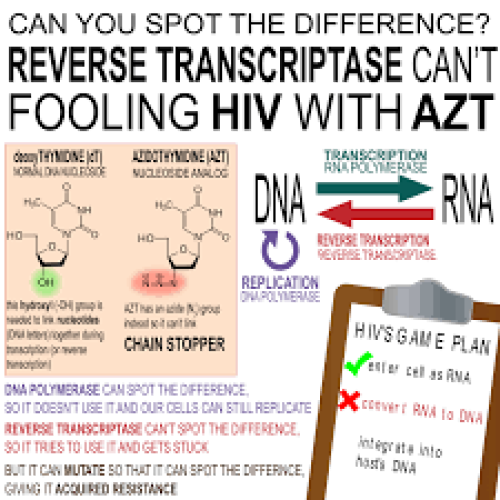
In 1964, the anticancer drug Azidothymidine (AZT) was synthesized in Michigan Cancer Foundation’s chemistry lab by Jerome Horwitz,…
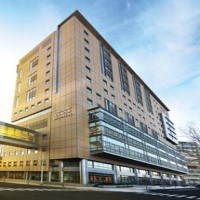
In 1963, Yale New Haven Hospital (then Grace-New Haven) installed the first linear accelerator in Connecticut for cancer…
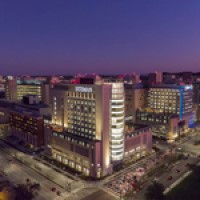
In 1963, the Mallinckrodt Institute of Radiology at Washington University – St. Louis installed the Picker Cobalt 60,…
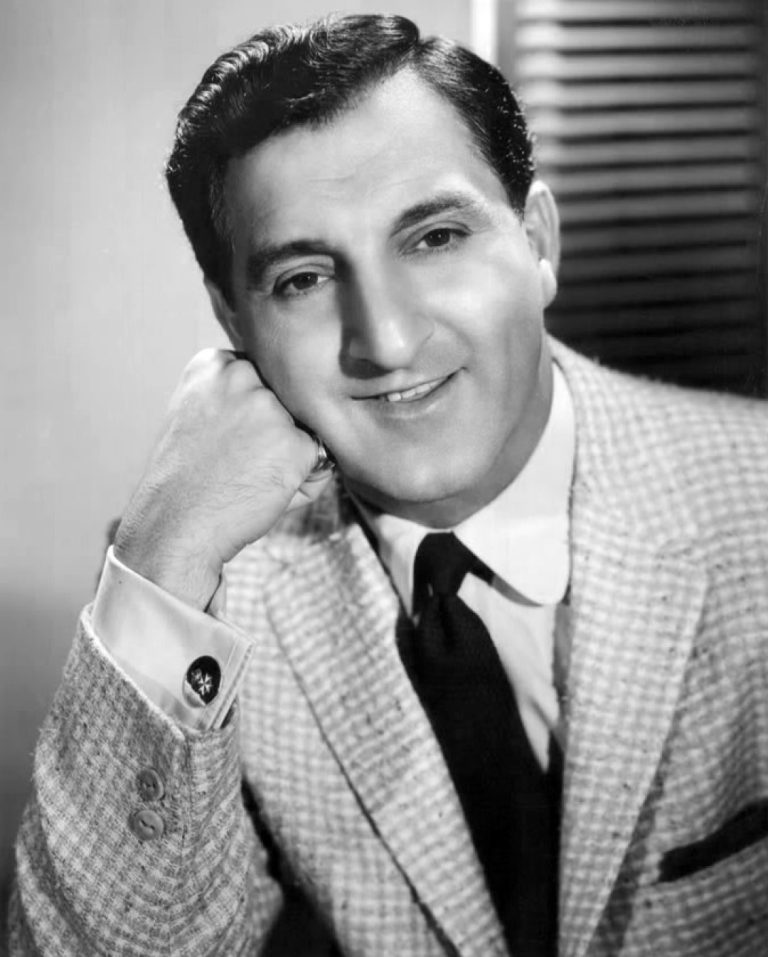
On Feb. 4, 1962, St.ᅠ Jude Children’s Research Hospital opened it’s doors in front of a crowd of…
in 1962, Iowa Methodist Medical Center established Iowa’s first hospital-based radiation oncology department and remains a leader in…
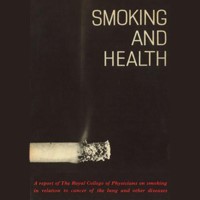
In 1962, the Royal College of Physicians issued a report on smoking and health.
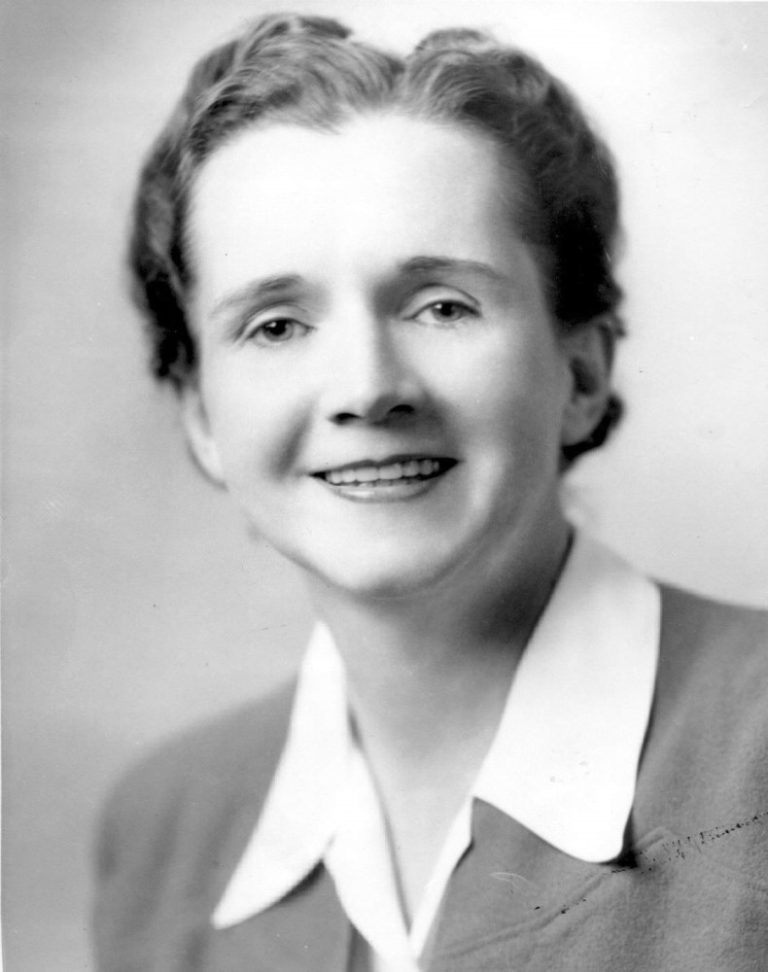
In 1962, Silent Spring, a book by marine biologist Rachel Carson, galvanized the first generation of environmentalists. Silent…
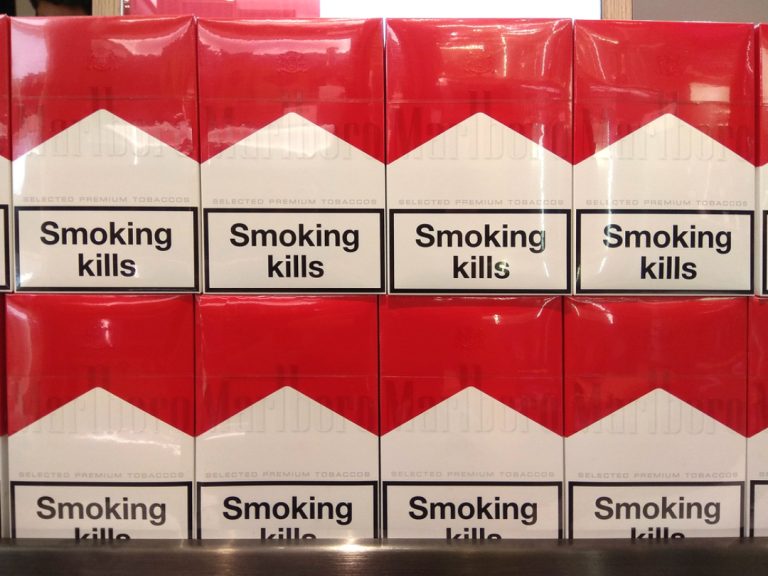
On Mar. 2, 1961, President Kennedy swore in Luther Leonidas Terry as U.S. Surgeon General. The landmark Surgeon…
In 1961, platelet concentrates were recognized for reducing the mortality from hemorrhage in cancer patients.
In 1961, the CDC expanded its reach into chronic disease by investigating a cancer cluster in Illinois.
In 1960, The Eppley Cancer Center, now a National Cancer Institute Laboratory Cancer Research Center, began in the…
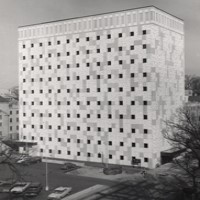
In 1960, the construction of the first McArdle building resulted from a gift by Michael W. McArdle. Dr….
On Nov. 16, 1959, Cyclophosphamide (Cytoxan), an alkylating agent designed to improve the selectivity of cancer drugs, was…
In 1959, the Journal of the National Cancer Institute inaugurated a series of occasional publications as Monographs to…
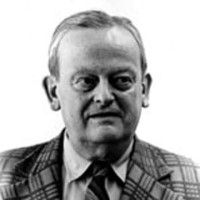
In 1959, University of Western Ontario researchers Dr. Charles Beer and Dr. Robert L. Noble developed the anti-cancer…
In 1957, Charles Heidelberger introduces 5-fluorouracil (5-FU), a new type of anticancer drug that resulted from rational design.
In 1957, Roy Hertz and Min Chiu Li achieve the first completed cure of a human solid tumor…
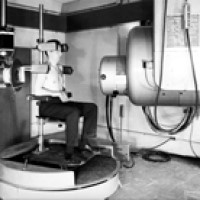
In 1956, Stanford Medicine became the first to use linear accelerator to treat cancer in Western hemisphere.
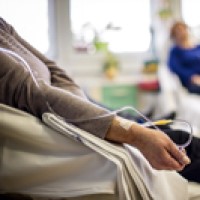
On Apr. 1, 1955, the National Cancer Institute’s Cancer Chemotherapy National Service Center was established in the institute…
In 1955, The National Cancer Chemotherapy Program was initiated. It was administered and integrated by the Division of…
In 1955, the NCIメs Cooperative Group Program for clinical research was established in 1955 and has grown to…
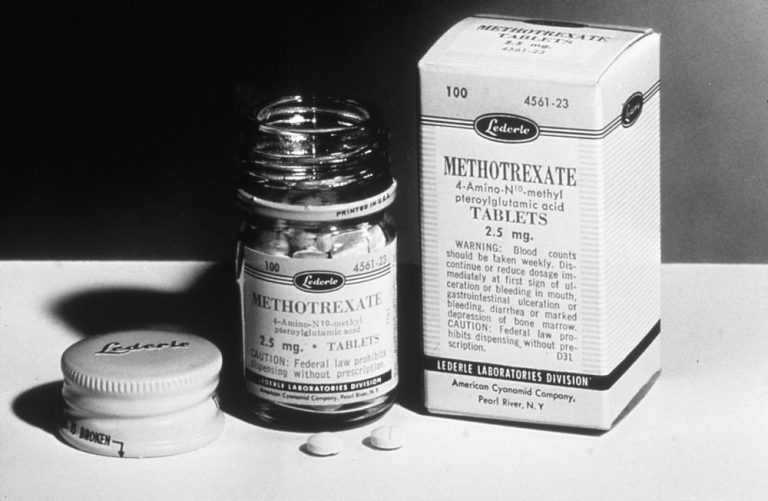
On Dec. 7, 1953, the U.S. Food and Drug Administration (FDA) approved Dava Pharmaceuticals’ methotrexate oral tablet, an…
On Jan. 27, 1953, the Cancer Research Institute was founded by Helen Coley Nauts, and is the worldメs…
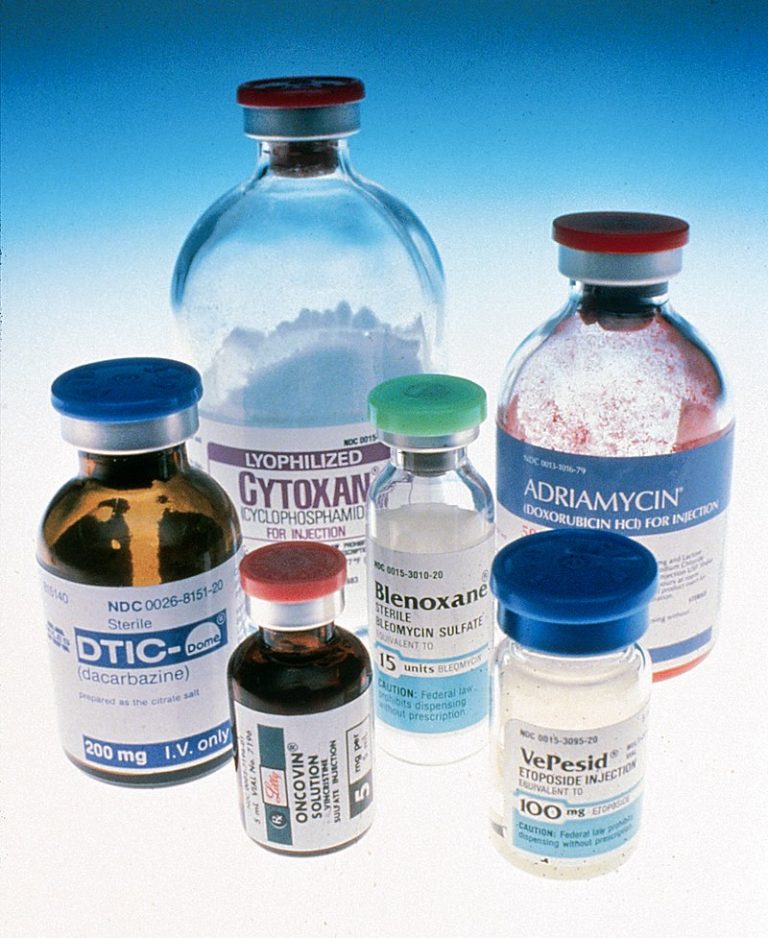
In 1953, Yale established the first pharmacology department in the U.S. to focus on cancer chemotherapy and cancer…

In 1952, Alfred Hershey and Martha Chase conducted a series of experiments at the Carnegie Institute of Washington…
On Jun. 1, 1951, the Ben May Laboratory for Cancer Research at the University of Chicago opened its…
In 1950, Ernst Wynder, Evarts Graham, and Sir Richard Doll confirmed the cigarette smoking-cancer link. In 1950, Wynder…