Stanford Medicine researchers first reported successful use of monoclonal antibodies to treat cancer
In 1981, Stanford oncologist Ronald Levy reported the first successful use of monoclonal antibodies, which are laboratory-created molecules…

In 1981, Stanford oncologist Ronald Levy reported the first successful use of monoclonal antibodies, which are laboratory-created molecules…
In 1981, John Wayne Cancer Institute (formerly known as the John Wayne Cancer Clinic) was founded to promote…

In 1981, Hybritech issued its Initial Public Offering (IPO) and raised $12 million, and $33 million in a…
On Dec. 17, 1980, the Health Programs Extension Act of 1980 (P.L. 96-538), introduced by Sen. Edward Kennedy,…
In 1980, The Holden Cancer Center at University of Iowa was founded with Richard L. DeGowin, M.D. appointed…
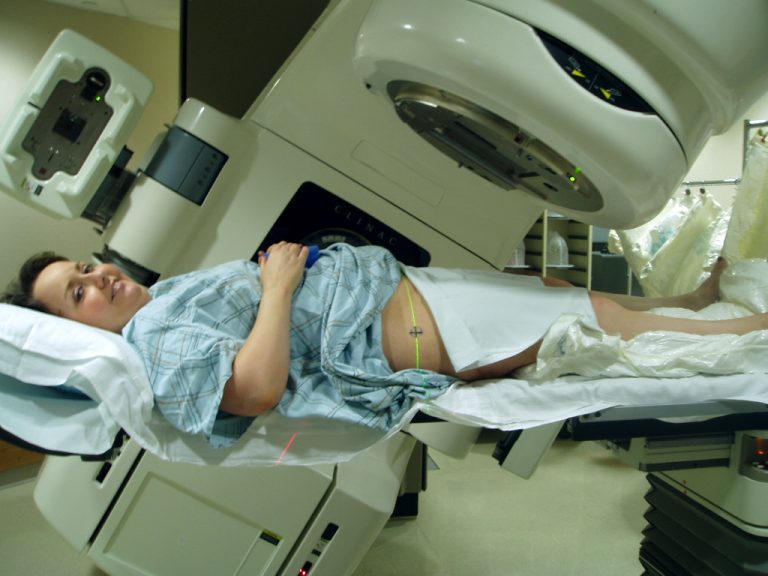
In 1980, the $2 million Gershenson Radiation Oncology Center (GROC) opened as a partnership between Wayne State University’s…
In 1980, Genetic Systems was founded in Seattle as a monoclonal antibody-based diagnostic company by Robert Nowinski of…
On May 10, 1979, ground was broken for the new site of the Kenneth Norris Jr. Cancer Research…
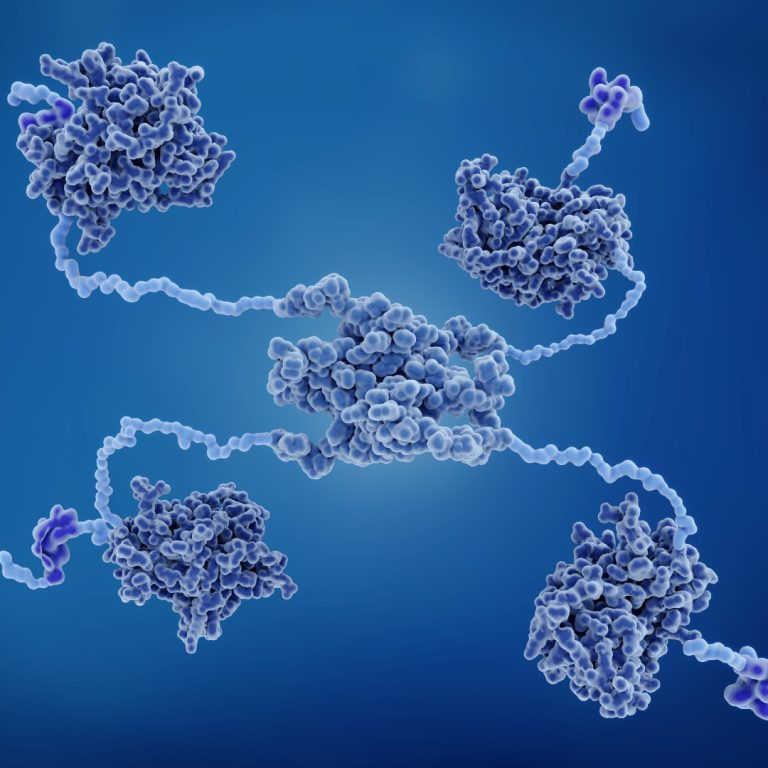
In 1979, the most frequently mutated gene in human cancer, p53, was identified by six groups of researchers…
In 1979, Dr. Norman H. Cromwell of the Department of Chemistry, University of Nebraska-Lincoln, became acting director of…
On Nov. 9, 1978, the President Jimmy Carter signed the Community Mental Health Centers Act (P.L. 95-622) amending…
On Nov. 9, 1978, the first human testing of a biological therapy was conducted (alpha-interferon). The Cancer Research…
In 1978, The University of Arizona Cancer Center (UACC) received its first National Cancer Institute (NCI) Support Grant…
In 1978, the University of California, San Diego Cancer Center was founded as one of just 45 National…
In 1978, the National Cancer Institute (NCI) awarded the Cancer Center of Metropolitan Detroit with comprehensive status. Known…
In 1978, the University of Kentucky (UK) Markey Cancer Foundation, previously the Ephraim McDowell Cancer Research Foundation, was…
In 1978, the Norris Cotton Cancer Center in New Hampshire received National Cancer Institute (NCI) designated in recognition…
In 1978, the Carbone Cancer Center Clinical Sciences Center was completed in January adding over 70,000 square feet…
In 1978, The Karmanos Cancer Institute (KCI), a not-for-profit, NCI-designated Comprehensive Cancer Center was founded in metropolitan Detroit….
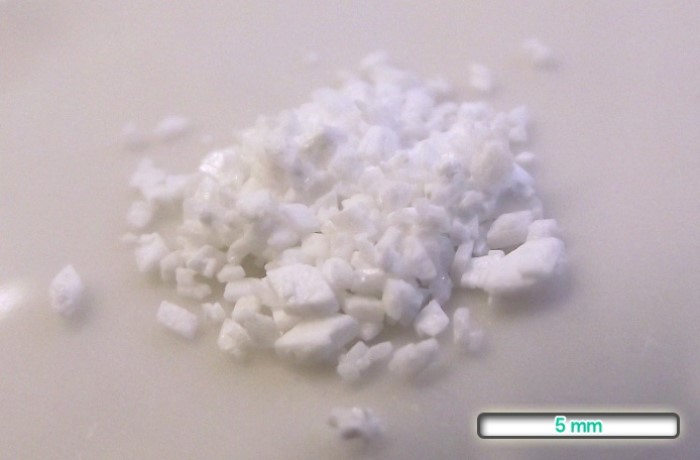
On Nov. 23, 1977, the Saccharin Study and Labeling Act was enacted by the U.S. Congress to stop…

In 1977, St.ᅠ Jude Children’s Research Hospital received National Cancer Institute designation. St.ᅠJude Children’s Research Hospital opened it’s…
In 1977, the first national cancer patient education program (I Can Cope) was founded by the National Cancer…
In 1977, the National Cancer Institute (NCI) established the first electronic registry of cancer clinical trials (CLINPROT). This…
In 1977, Dana-Farber (DF) received National Cancer Institute (NCI) Comprehensive Cancer Center designation one of the first in…
In 1977, the Lineberger Foundation pledged $1 million to a building fund for a new cancer research center…

On Jul. 7, 1976 , the La Jolla Cancer Research Foundation, now the Sanford Burnham Prebys Medical Discovery…
In 1976, the University of California, Los Angeles (UCLA) Jonsson Cancer Center received National Cancer Institute (NCI) “comprehensive…
In 1976, the National Cancer Institute’s (NCI) Cancer Information Service (CIS) began operation. Launched in Connecticut in 1976,…
In 1976, the University of Arizona Cancer Center (UACC) was founded as a Division of The University of…
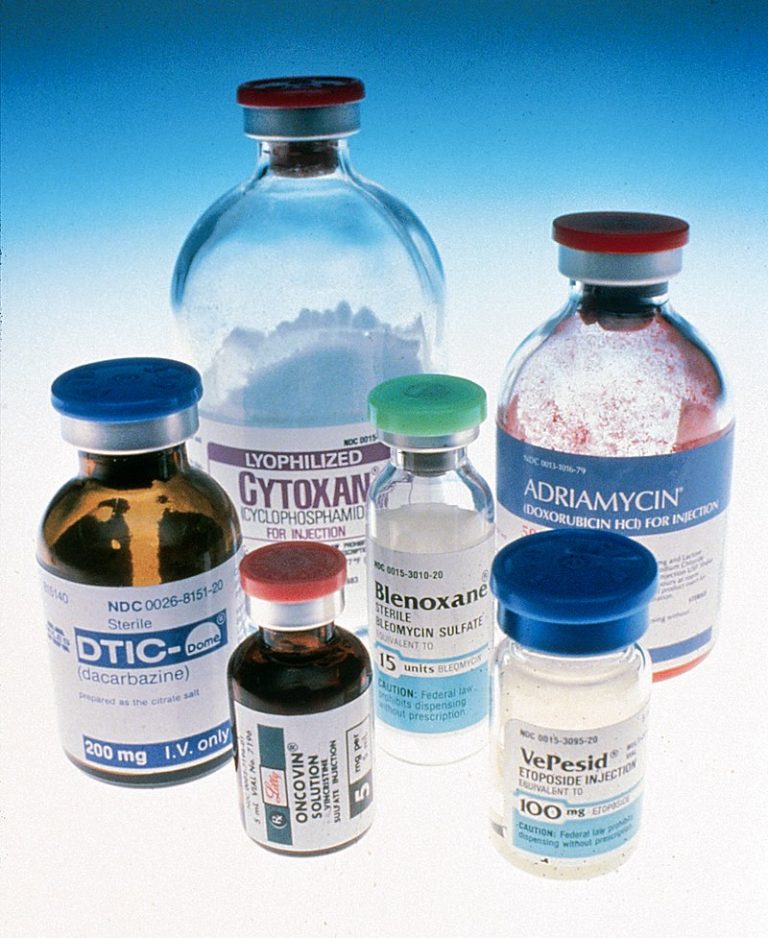
In 1976, Bristol-Myers introduced CEENU (lomustine), a chemotherapy product for brain cancer and Hodgkins lymphoma. Lomustine is an…