The Northwestern University Cancer Center was renamed in honor of Robert H Lurie
In 1991, The Northwestern University Cancer Center was dedicated through an endowment gift from Ann and Robert H….
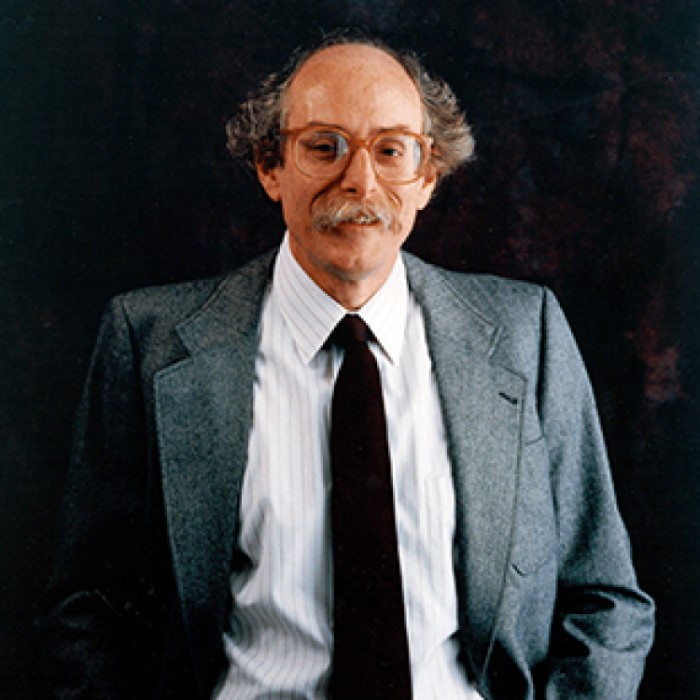
In 1991, The Northwestern University Cancer Center was dedicated through an endowment gift from Ann and Robert H….
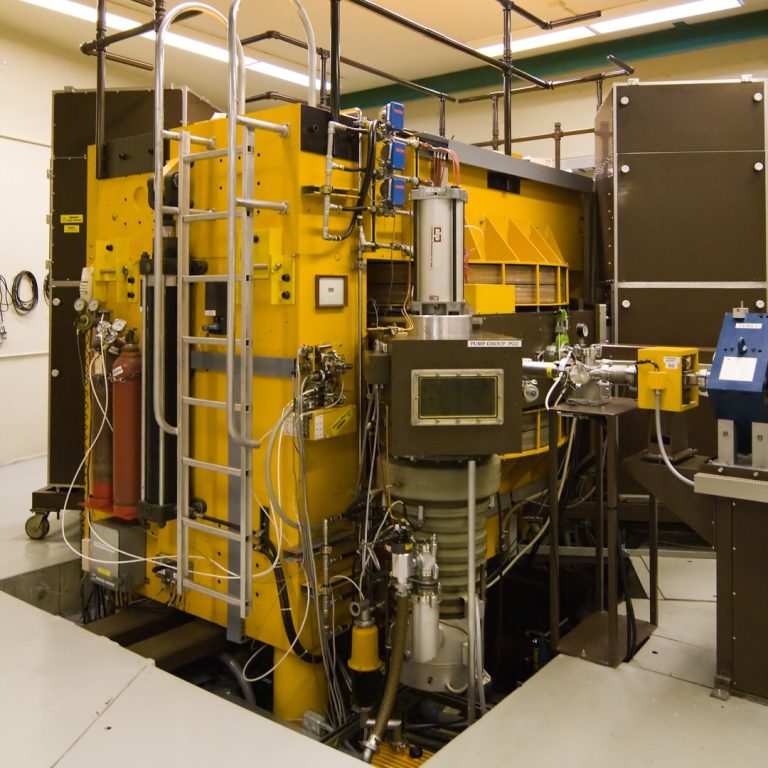
In 1991, the world’s first superconducting cyclotron built to treat cancer was installed at the Gershenson Radiation Oncology…
In 1990, The University of Arizona Cancer Center (UACC) received Comprehensive Cancer Center status from the National Cancer…

In 1990, Washington University – St. Louis researcher Stanley J. Korsmeyer, MD co-discovered the gene ‘bcl-2’, a pivotal…

In 1990, Washington University – St. Louis physicians Ralph V. Clayman, MD, Lou Kavoussi, MD, and Nathaniel J….
In 1990, the Cancer Center of Wake Forest University (CCCWFU) in Winston-Salem received National Cancer Institute (NCI) comprehensive…
In 1990, the Lineberger Comprehensive Cancer Center at the University of North Carolina (UNC) at Chapel Hill received…
In 1989, the National Cancer Institute (NCI) initiated mechanism of supplementing research grants to encourage recruitment of minority…
In 1989, the University of California, Irvine (UCI) Chao Family Comprehensive Cancer Center (CFCCC) was founded as a…
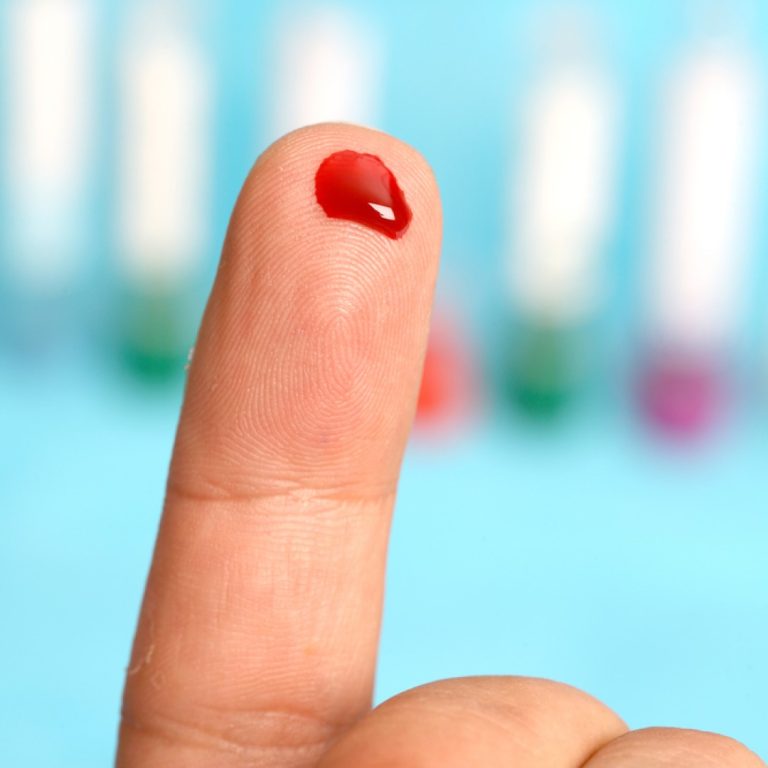
In 1989, researcher William J. Catalona, MD of Washington University – St. Louis began a study that established…
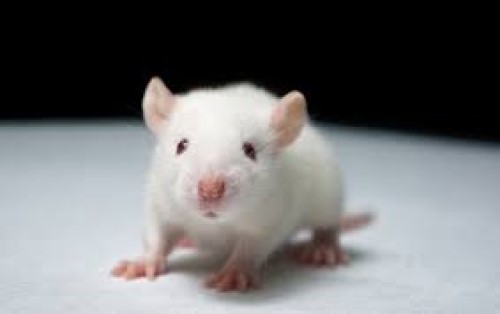
On Apr. 12, 1988, OncoMouse became the first animal to be patented in the United States (U.S. Patent 4,736,866)….
In 1986, The University of Michigan Cancer Center was founded in Ann Arbor, Michigan. The University of Michigan…
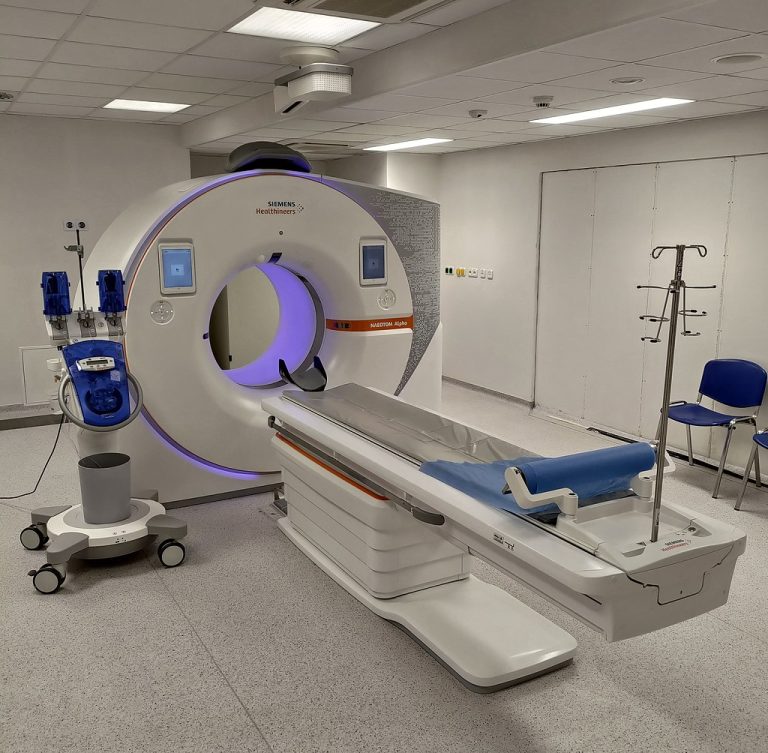
In 1988, radiation oncology physicist James Purdy, PhD and colleagues at Washington University School of Medicine developed a…
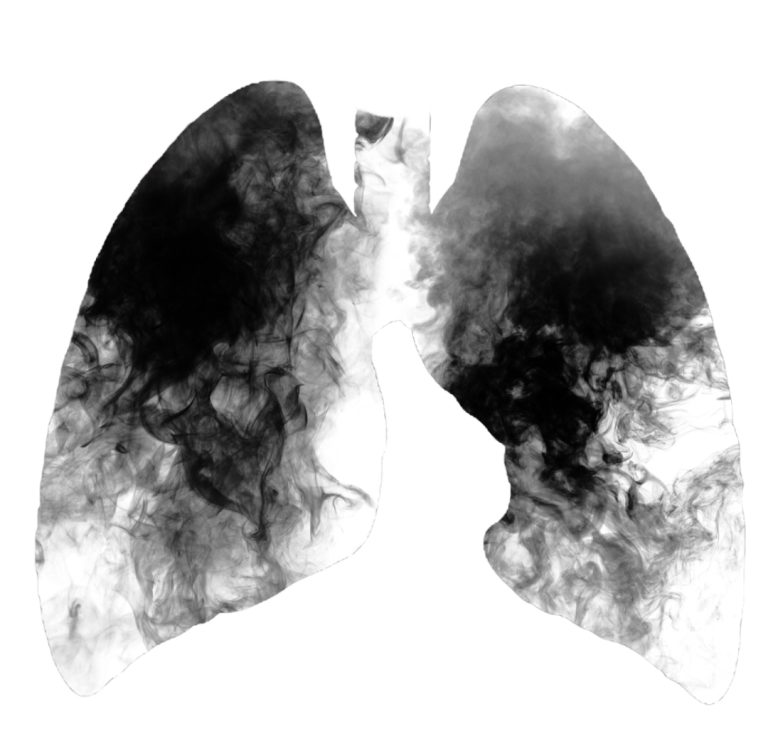
In 1988, the U.S. Centers for Disease Control and Prevention (CDC) established the Chronic Disease Division to target…
In 1988, the National Cancer Institute journals Cancer Treatment Reports and Journal of the National Cancer Institute (NCI)…
In 1988, the University of Colorado Cancer Center (CU) at the Anschutz Medical Campus received National Cancer Institute…
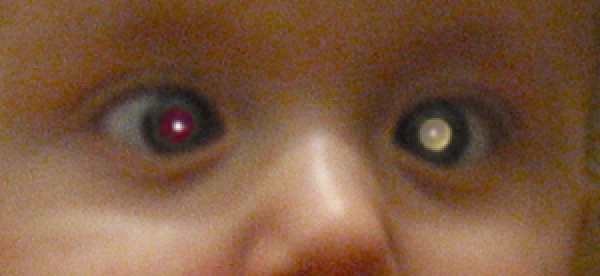
On Nov. 30, 1987, scientists at the University of California at San Diego and Wills Eye Hospital announced…

On Oct. 15, 1987, the Division of Cancer Control and Population Sciences (DCCPS) from the National Cancer Institute…
In 1987, The National Cancer Institute’s (NCI) Cancer Prevention Fellowship Program, one of the first formal postdoctoral research…
In 1987, The Cold Spring Harbor Laboratory (CSHL) Cancer Center received National Cancer Institute (NCI) designation. CSHL researchers…
In 1987, the Case Cancer Center (Case CCC) at Case Western Reserve University was both founded and became…
In 1987, the University of Virginia Cancer Center (UVA), now known as the UVA Health Cancer Center, received…
On Oct. 18, 1986, the Moffitt Cancer Center was dedicated. The center was established in 1981 by the…
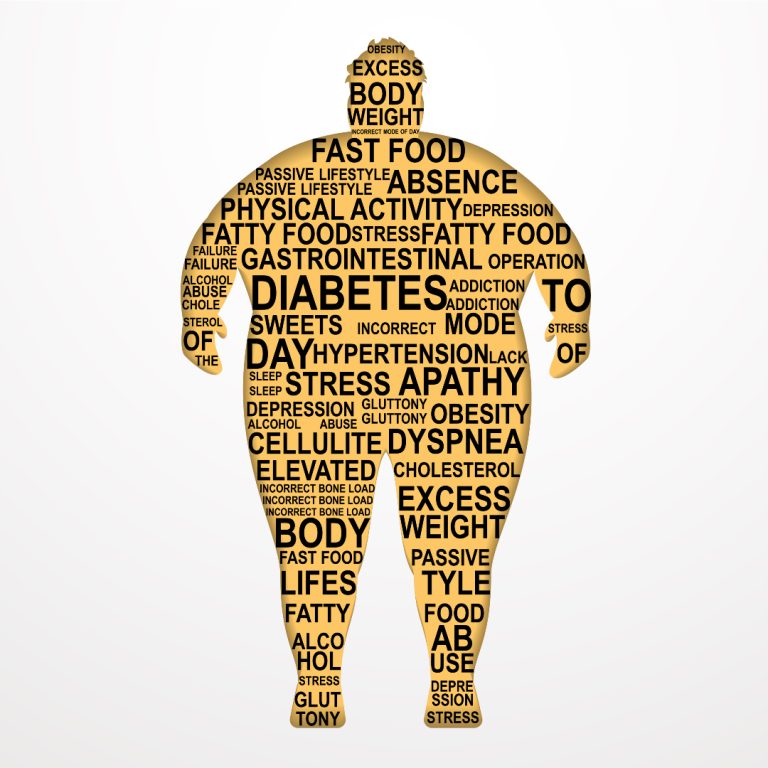
On Sept. 9, 1986, the U.S. Centers for Disease Control and Prevention (CDC) co-sponsored the first National Conference…
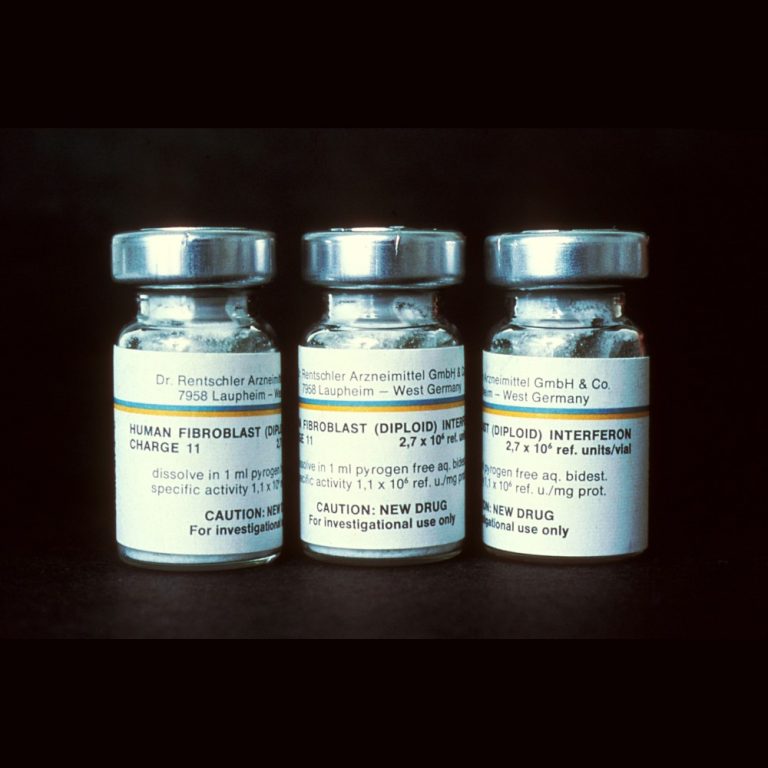
On Jun. 5, 1986, the U.S. Food and Drug Administration (FDA) approved Hoffmann La Roche’s Interferon initially for…
On Feb. 4, 1986, Bristol-Myers announced it would acquire Seattle-based Genetic Systems for $310 million. Genetic Systems was…
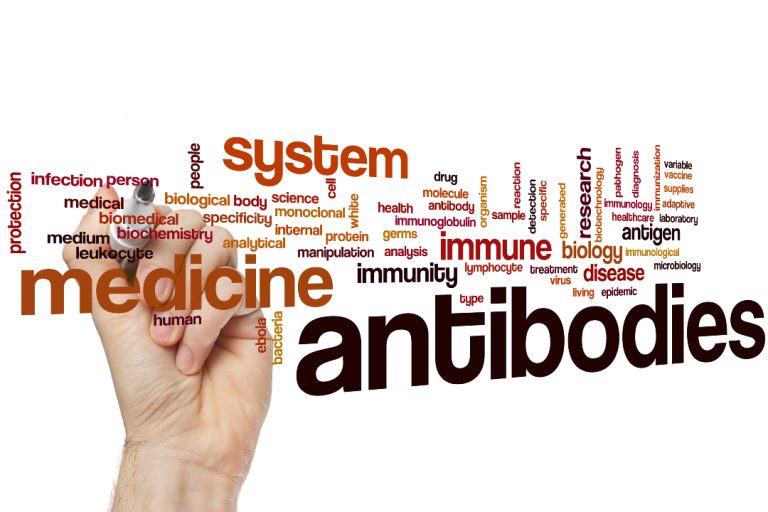
In February 1986, the U.S. Food and Drug Administration (FDA) approved Hybritech’s Tandem-R PSA assay (P850048) with calibration…
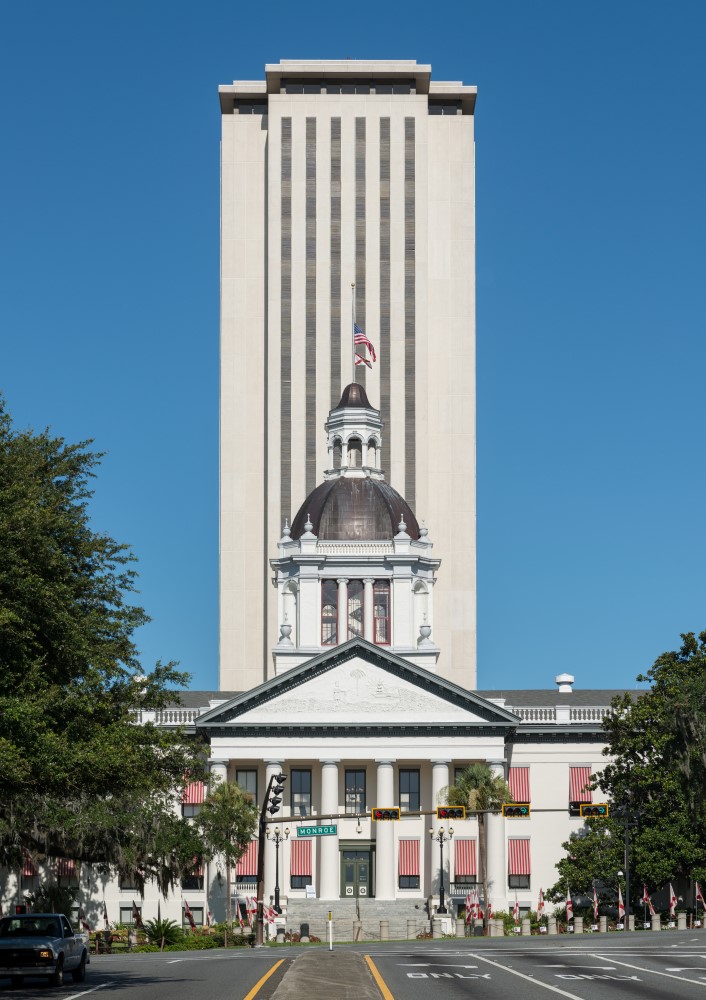
In 1986, the Moffitt Cancer Center was established by the Florida Legislature to meet a clear and compelling…
In 1986, philanthropist Harcourt Sylvester Jr. pledged $27.5 million to benefit cancer programs at the medical school, and…
In 1986, the Office on Smoking and Health became part of the U.S. Centers for Disease Control and…