Cancer mortality rates declined nearly 3% between 1991 and 1995
In 1996, the American Cancer Society reported that the overall age-adjusted cancer mortality rate declined in each succeeding…
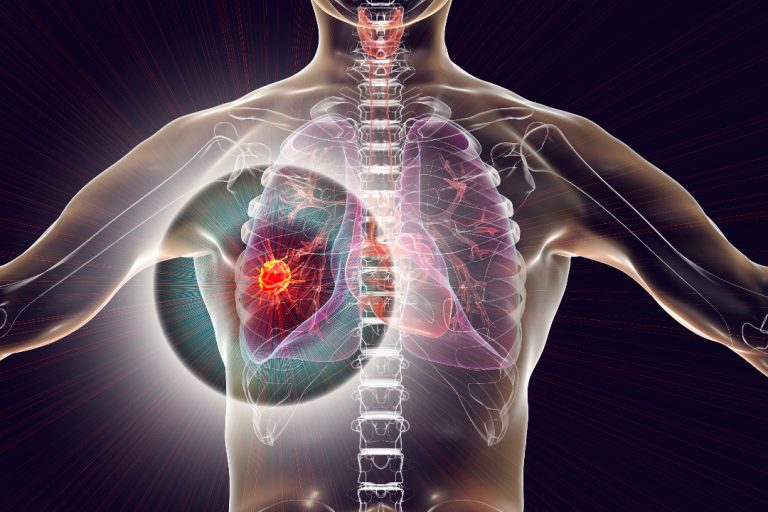
In 1996, the American Cancer Society reported that the overall age-adjusted cancer mortality rate declined in each succeeding…

In 1996, deCODE genetics was funded in Reykjavik, Iceland. deCODE is a global leader in analyzing and understanding…
In 1995, Porfimer sodium, a light-sensitive drug that can be absorbed by tumors, was approved by the U.S. Food…
On Jan. 1, 1995, Georgia’s Comprehensive Cancer Registry was established. The Registry became gold certified in 2002 following…
In 1995, the Community Intervention Trial for Smoking Cessation (COMMIT), funded by the Nationa Cancer Institute, was designed…
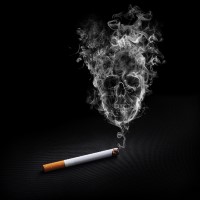
In 1995, the FDA declared cigarettes to be “drug delivery devices.” Restrictions were proposed on marketing and sales…
In 1995, Fox Chase Cancer Center became a founding member of the National Comprehensive Cancer Network, an organization…
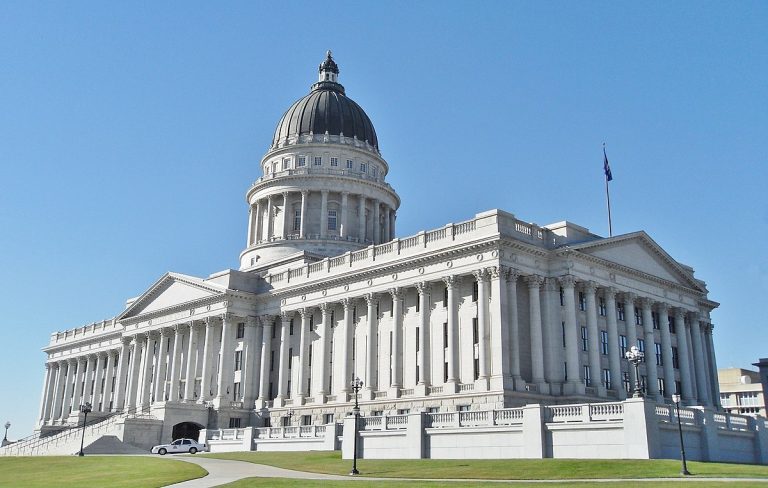
In 1995, the Huntsman family led by Jon M. Huntsman Sr. and his wife Karen, pledged $100 million…
In 1995, The Huntsman Cancer Institute, at the University of Utah, is a National Cancer Institute-designated cancer center…
On Oct. 26, 1994, the University of California, Irvine (UCI) Chao Family Comprehensive Cancer Center (CFCCC) gained designated…

On Apr. 14, 1994, the Alpha-Tocopherol Beta-Carotene (ATBC) Cancer Prevention Study found no benefit from the use of…
On Feb. 25, 1994, the U.S. Food and Drug Administration (FDA) announced it could consider regulating regulating tobacco…
In 1994, the Stowers Institute for Medical Research was founded by Jim and Virginia Stowers with a $500…

In 1994, Albert Einstein College of Medicine becomes the only New York City medical school selected by the…
On Jun. 10, 1993, the U.S. Congress signed the National Institutes of Health Revitalization Act, P.L. 103-43. The…

In 1993, the John and Mary Pappajohn Clinical Cancer Center opened for service after receiving a generous $25…
In 1993, the Vanderbilt Cancer Center was established under the leadership of Dr. Hal Moses, to bring together…
In 1993, The Cancer Therapy & Research Center (CTRC) at San Antonio received National Cancer Institute (NCI) designation….
In 1993, Jon M. and Karen Huntsman donated $10 million to the University of Utah to establish a…
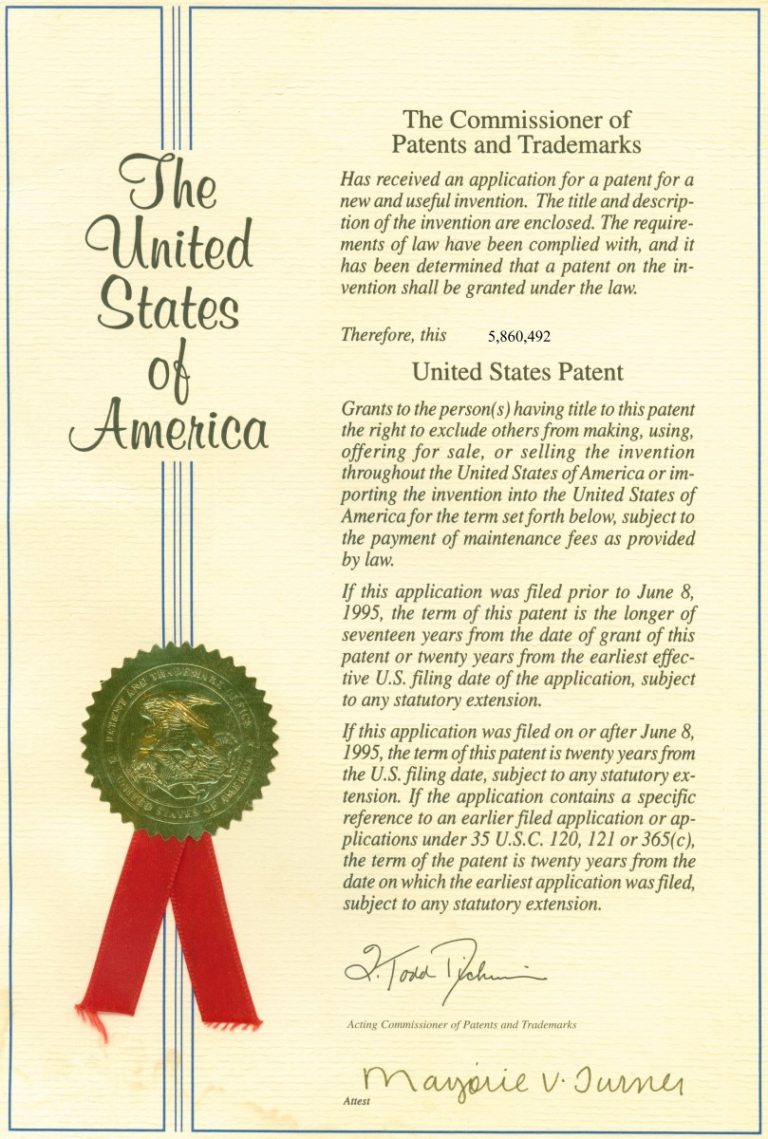
In 1992, the University of Iowa (UI) Research Foundation received its first U.S. patent on the CMV promoter,…
In 1992, The Indiana University (IU) Cancer Center, now known as the IU Melvin and Bren Simon Comprehensive…

In 1992, Dendreon was founded, and its lead product, Provenge, was an immunotherapy for prostate cancer. Dendreon filed…
On Apr. 25, 1991, Congress heard testimony on the National Cancer Act to commemorate the 20th anniversary of…
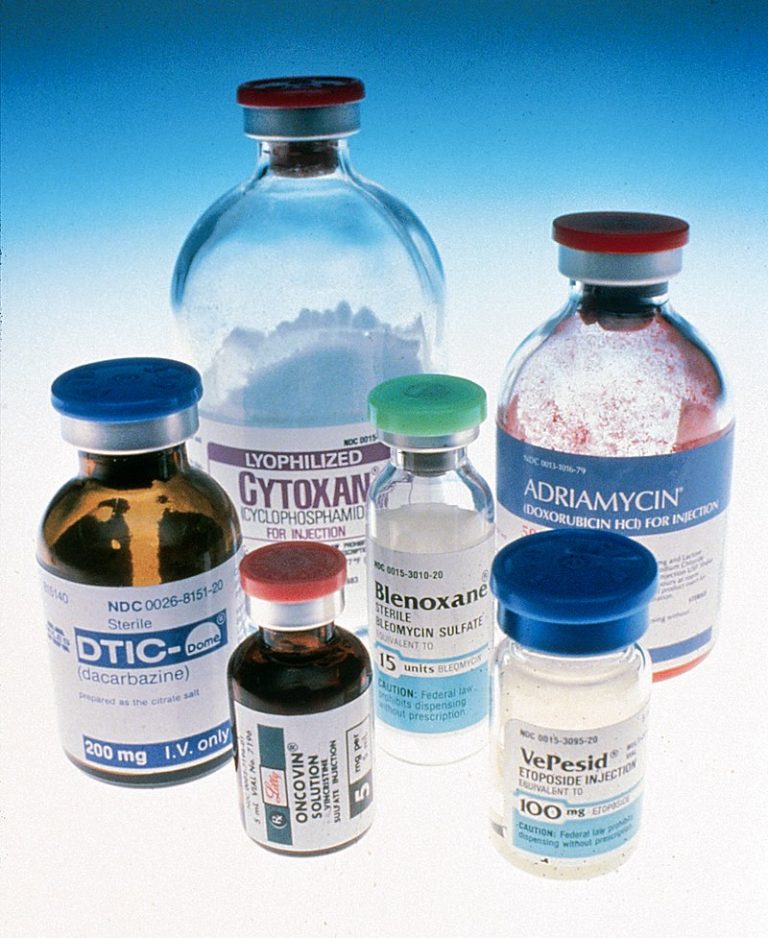
On Mar. 4, 1991, researchers reported that post-operative (adjuvant) radiation therapy and chemotherapy were found to improve survival…
In 1991, the University of Michigan Rogel Cancer Center received National Cancer Institute (NCI) comprehensive center designation. The…

In 1991, The National Cancer Institute (NCI) began its Five-a-Day program, in partnership with the nonprofit group Produce…
In 1991, Stoddard Cancer Center, now part of UnityPoint Health, opened at Iowa Methodist Medical Center. In 1990,…
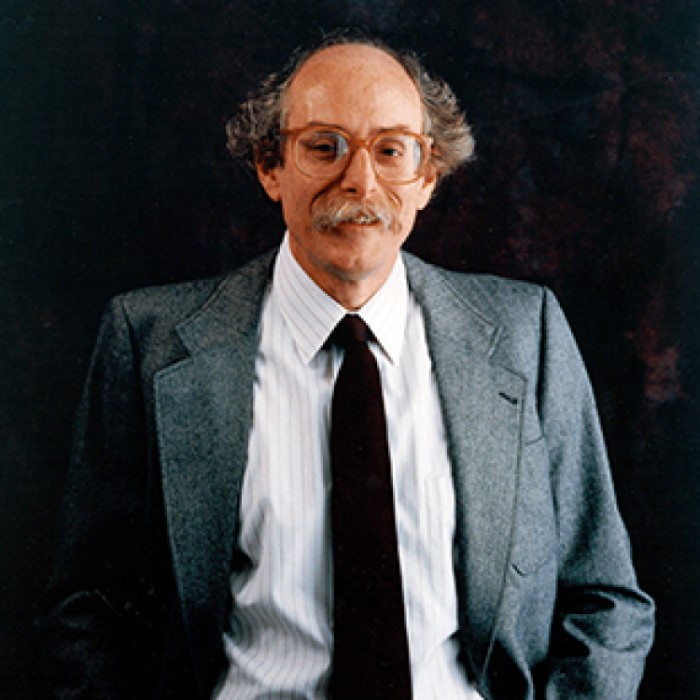
In 1991, The Northwestern University Cancer Center was dedicated through an endowment gift from Ann and Robert H….
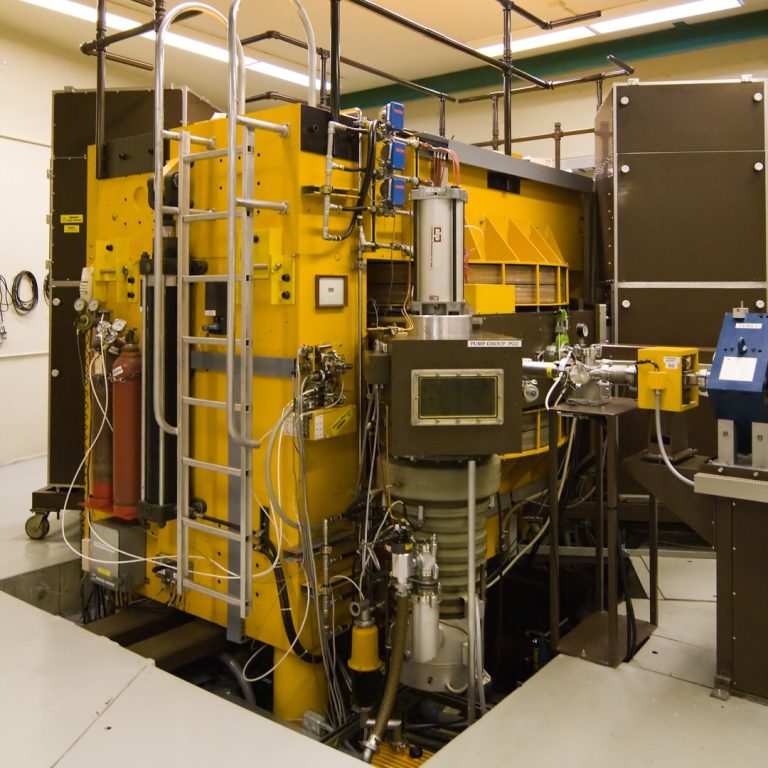
In 1991, the world’s first superconducting cyclotron built to treat cancer was installed at the Gershenson Radiation Oncology…
In 1991, the Radiation Oncology Center opened the St. Louis area’s first 3-D treatment planning center, using a…