Biotechnology | NIH | Oncology | Therapeutics
The City of Hope Cancer Center received NCI-designation
In 1981, the National Cancer Institute (NC) awarded The City of Hope Cancer Center NCI-designation. City of Hope’s…
In 1981, the National Cancer Institute (NC) awarded The City of Hope Cancer Center NCI-designation. City of Hope’s…

In 1981, the La Jolla Cancer Research Foundation, the Cancer Center received its National Cancer Institute (NCI)-designation. The…

In 1981, Stanford oncologist Ronald Levy reported the first successful use of monoclonal antibodies, which are laboratory-created molecules…
In 1981, John Wayne Cancer Institute (formerly known as the John Wayne Cancer Clinic) was founded to promote…

In 1981, Hybritech issued its Initial Public Offering (IPO) and raised $12 million, and $33 million in a…
In 1981, The University of Hawaii Cancer Center (UH Cancer Center) was founded. The UH Cancer Center’s mission…
On Dec. 17, 1980, the Health Programs Extension Act of 1980 (P.L. 96-538), introduced by Sen. Edward Kennedy,…

On Jul. 9, 1980, Dr. Vincent T. DeVita, Jr. became the ninth director of the National Cancer Institute…
In 1980, The Holden Cancer Center at University of Iowa was founded with Richard L. DeGowin, M.D. appointed…
In 1980, three of Boston’s oldest and most prestigious Harvard Medical School teaching hospitals – the Peter Bent…
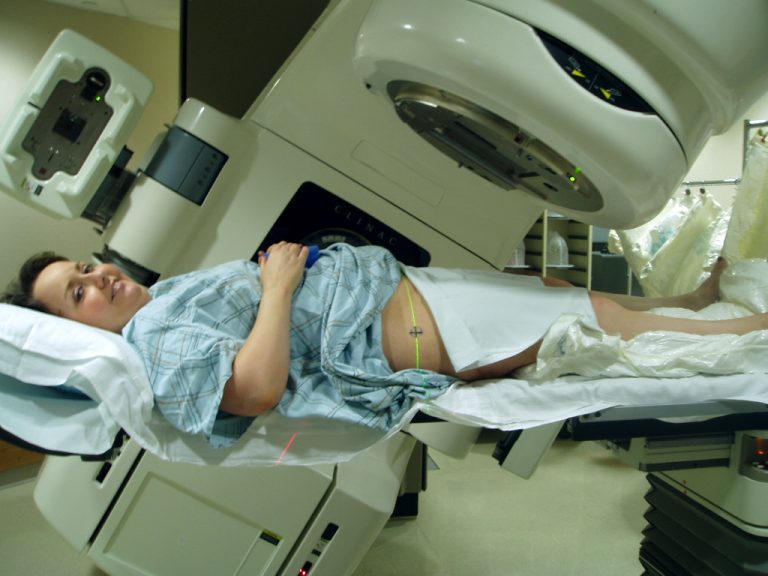
In 1980, the $2 million Gershenson Radiation Oncology Center (GROC) opened as a partnership between Wayne State University’s…
In 1980, Genetic Systems was founded in Seattle as a monoclonal antibody-based diagnostic company by Robert Nowinski of…

On Jul. 3, 1977, Dr. Raymond Damadian achieved the first human nuclear magnetic resonance (NMR) image — a cross-section…
On May 10, 1979, ground was broken for the new site of the Kenneth Norris Jr. Cancer Research…

On Mar. 28, 1979, the U.S. Centers for Disease Control and Prevention (CDC) investigated health effects related to…
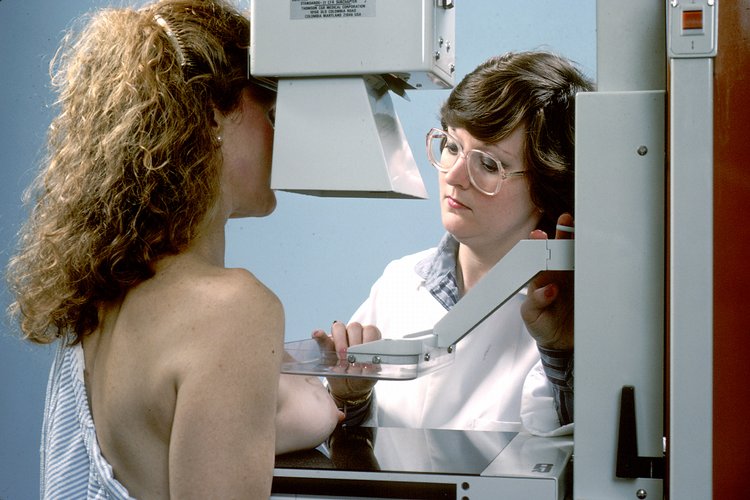
In 1979, Modified radical mastectomy replaced radical mastectomy for breast cancer. The standard of care for patients with…
In 1979, Dr. Norman H. Cromwell of the Department of Chemistry, University of Nebraska-Lincoln, became acting director of…
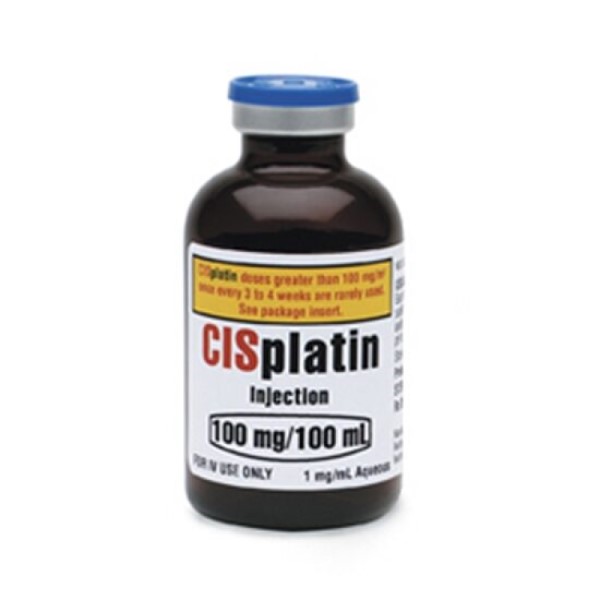
On Dec. 19, 1978, the U.S. Food and Drug Administration (FDA) approved cisplatin (Platinol) for use in combination…
On Nov. 9, 1978, the President Jimmy Carter signed the Community Mental Health Centers Act (P.L. 95-622) amending…
On Nov. 9, 1978, the first human testing of a biological therapy was conducted (alpha-interferon). The Cancer Research…
In 1978, the University of Kentucky (UK) Markey Cancer Foundation, previously the Ephraim McDowell Cancer Research Foundation, was…
In 1978, The University of Arizona Cancer Center (UACC) received its first National Cancer Institute (NCI) Support Grant…
In 1978, the University of California, San Diego Cancer Center was founded as one of just 45 National…

In 1978, Hybritech was founded by cancer researcher Ivor Royston and lab technician Howard Birndorf of the University…
In 1978, the National Cancer Institute (NCI) awarded the Cancer Center of Metropolitan Detroit with comprehensive status. Known…
In 1978, The Karmanos Cancer Institute (KCI), a not-for-profit, NCI-designated Comprehensive Cancer Center was founded in metropolitan Detroit….
In 1978, the Norris Cotton Cancer Center in New Hampshire received National Cancer Institute (NCI) designated in recognition…
In 1978, the Carbone Cancer Center Clinical Sciences Center was completed in January adding over 70,000 square feet…
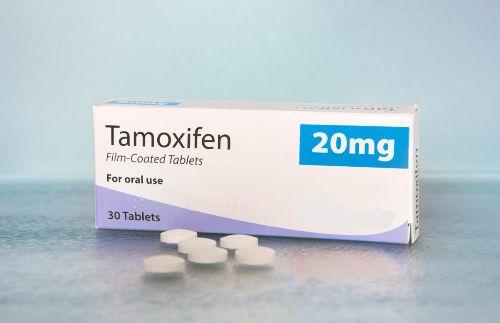
On Dec. 30, 1977, the U.S. Food and Drug Administration approved Tamoxifen, an anti-estrogen drug, for the treatment…
On Mar. 7, 1977, the U.S. Food and Drug Administration approved Bristol-Myers’ BICNU (carmustine), for the treatment of…