The first national cancer patient education program (I Can Cope) was founded
In 1977, the first national cancer patient education program (I Can Cope) was founded by the National Cancer…
In 1977, the first national cancer patient education program (I Can Cope) was founded by the National Cancer…
In 1977, the National Cancer Institute (NCI) established the first electronic registry of cancer clinical trials (CLINPROT). This…
In 1977, Dana-Farber (DF) received National Cancer Institute (NCI) Comprehensive Cancer Center designation one of the first in…
In 1977, the Lineberger Foundation pledged $1 million to a building fund for a new cancer research center…

On Jul. 7, 1976 , the La Jolla Cancer Research Foundation, now the Sanford Burnham Prebys Medical Discovery…
In 1976, the University of California, Los Angeles (UCLA) Jonsson Cancer Center received National Cancer Institute (NCI) “comprehensive…
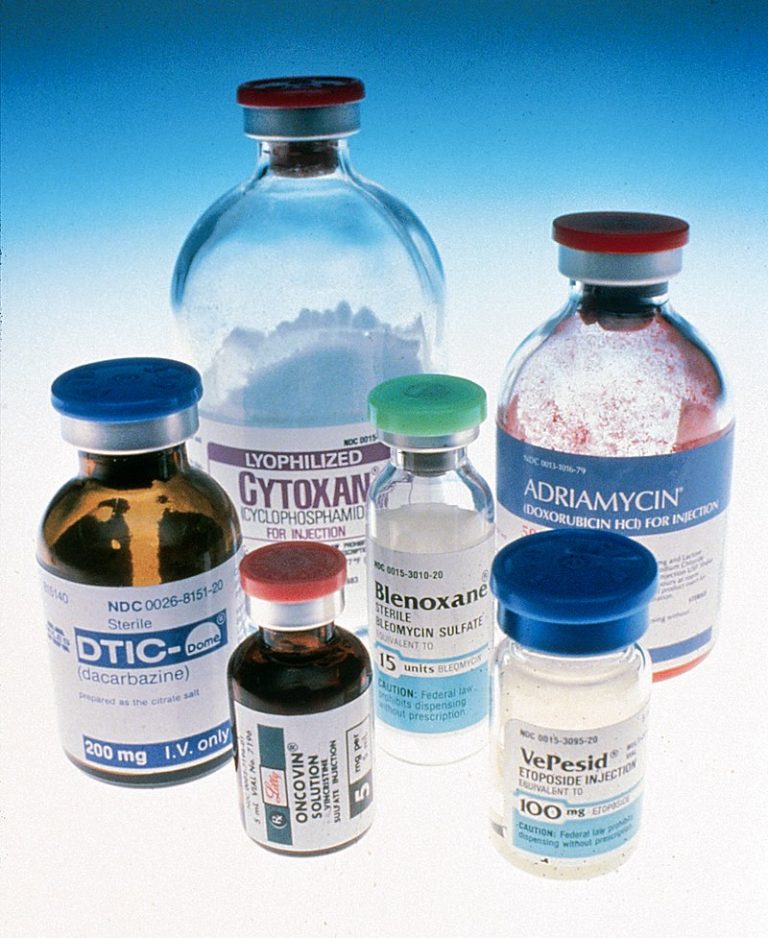
In 1976, Bristol-Myers introduced CEENU (lomustine), a chemotherapy product for brain cancer and Hodgkins lymphoma. Lomustine is an…
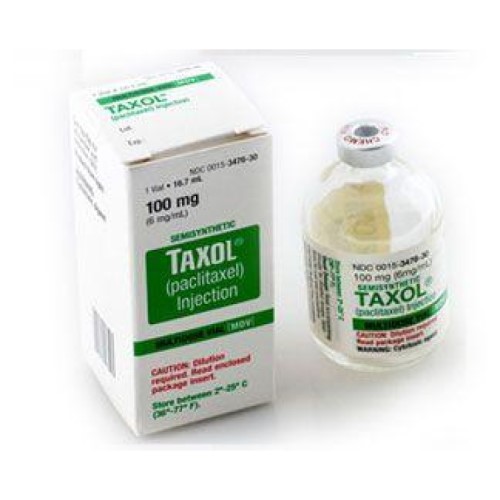
In 1976, Albert Einstein Cancer Center researchers identified the mechanism of action of Taxol, one of the most…
In 1976, the Ohio State University Cancer Center (OSUCCC) received National Cancer Institute (NCI) comprehensive center designation. The…
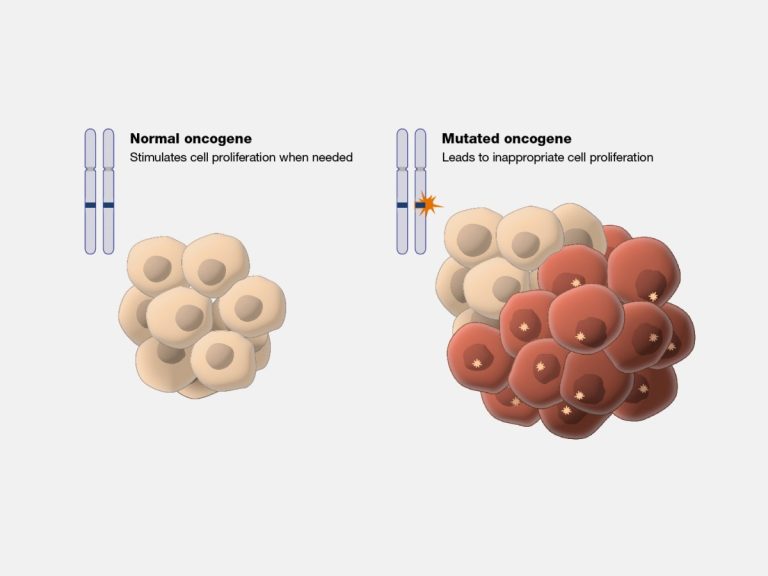
In 1976, Drs. J. Michael Bishop and Harold E. Varmus of the University of California, San Francisco demonstrated…
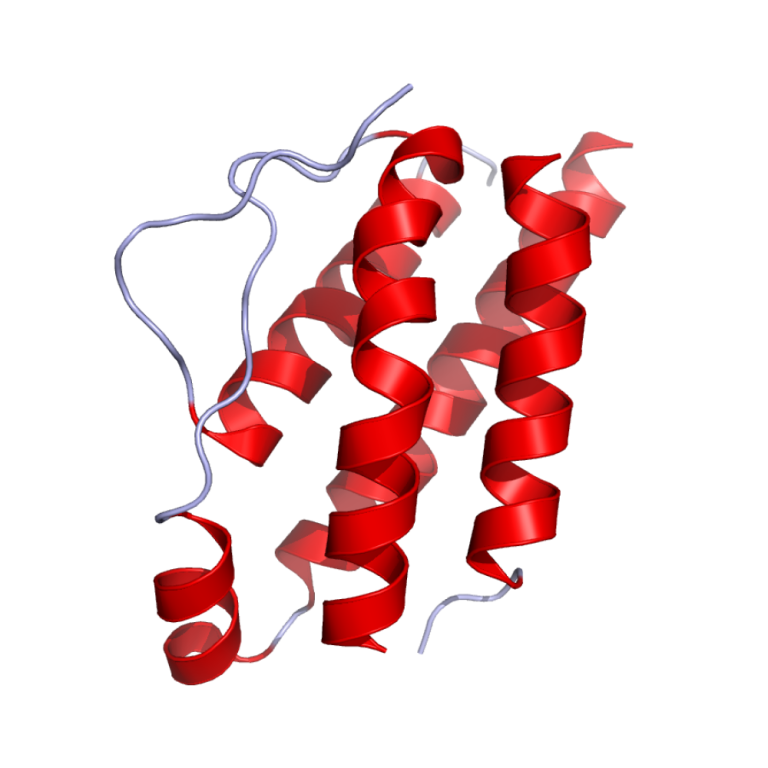
In 1976, interleukin-2 was discovered and purified which allowed researchers to grow T-cells and study their immunology, which…
In 1976, the National Cancer Institute’s (NCI) Cancer Information Service (CIS) began operation. Launched in Connecticut in 1976,…
In 1976, the University of Arizona Cancer Center (UACC) was founded as a Division of The University of…
In 1976, the U.S. Centers for Disease Control and Prevention (CDC) became the home for the National Clearinghouse…

On March 11, 1975, Senator William Proxmire, a Democrat from Wisconsin, initiated the Golden Fleece Awards to spotlight…
In 1975, Virginia Commonwealth University Massey Cancer Center received National Cancer Institute (NCI) designation. Massey is the only…
In 1975, Caltech President David Baltimore, former Caltech faculty member and Salk Institute researcher Renato Delbucco, and Caltech…
In 1975, the nonprofit Detroit Medical Center Institute for Oncology and Allied Diseases was established, formed from the…
In 1975, Lineberger Cancer Center at the University of North Carolina at Chapel Hill received National Cancer Institute…
In 1975, The Perlmutter Cancer Center was founded and received National Cancer Institute (NCI) Designation status. Its mission…
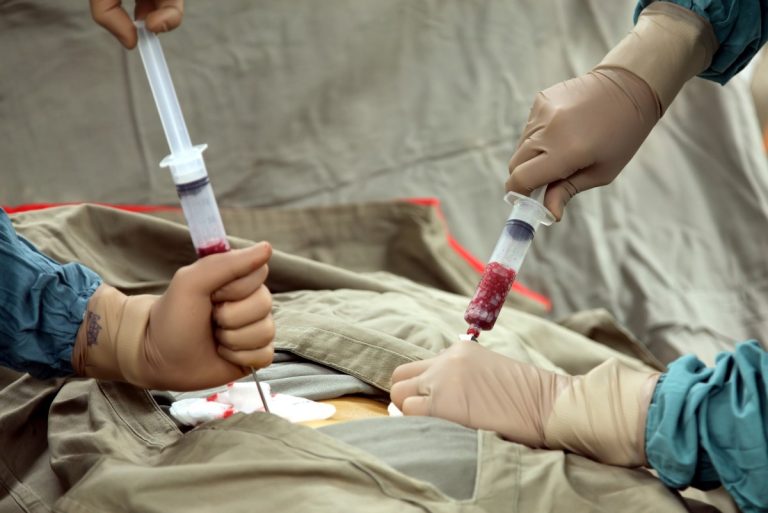
In 1975, Dr. E. Donnall Thomas, a pioneer in bone marrow transplantation, secured a permanent treatment home at…
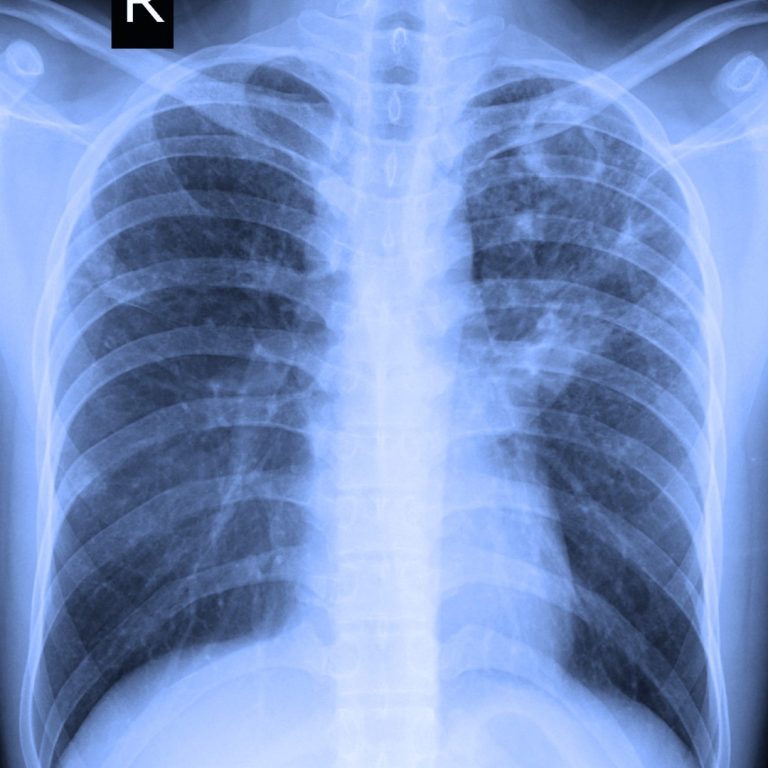
On Dec. 17, 1974, CANCERLINE, a national database of published cancer research, was established by the National Cancer…
On Sept. 10, 1974, the Division of Cancer Control and Rehabilitation (DCCR) was established by the National Cancer…
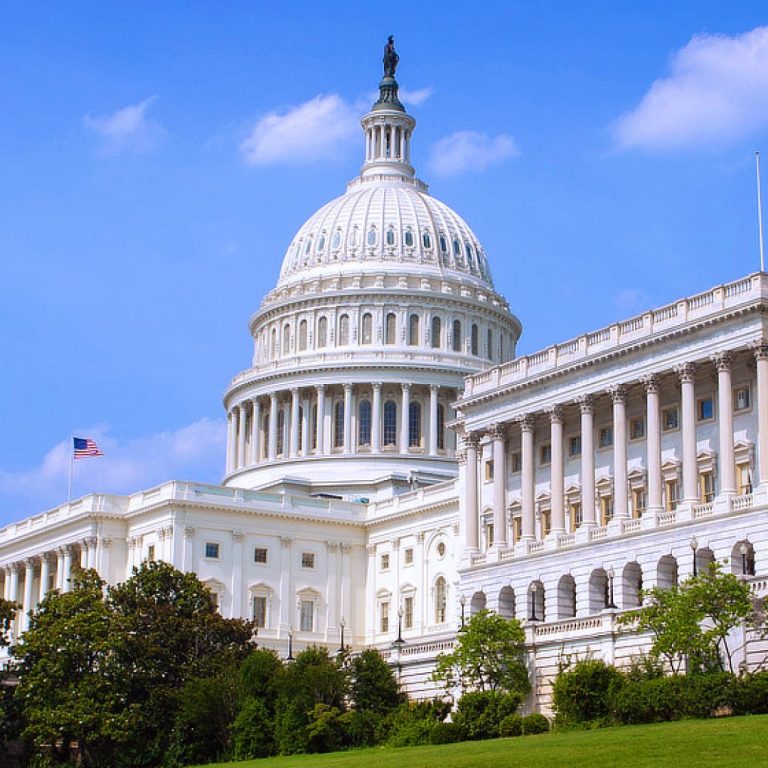
On Jul. 23, 1974, the National Cancer Act Amendments of 1974 (P.L. 93-352) were signed by the President…
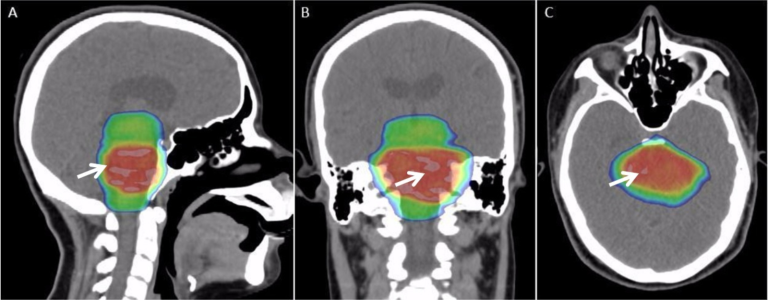
In 1974, the Cancer Therapy & Research Center (CTRC) at the University of Texas (UT) Health Science Center…
In 1974, Albert Einstein Cancer Center’s Liver Research Center — now the interdisciplinary Marion Bessin Liver Research Center…
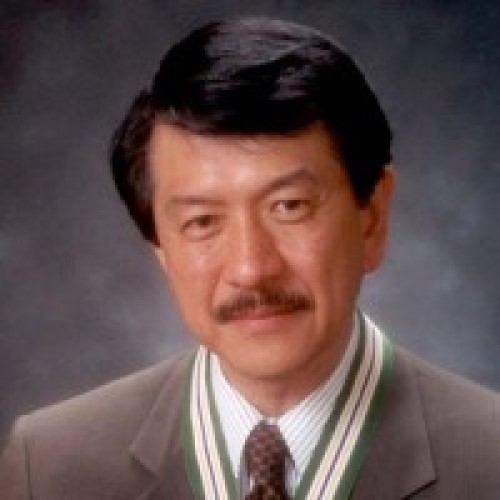
In 1974, Dr. Victor Ling at the University Health Network in Toronto identified cell surface glycoprotein as a…
In 1974, the Cancer Center of Wake Forest University (CCCWFU), became a National Cancer Institute (NCI)-designated cancer center….
In 1974, the U.S. Food and Drug Administration (FDA) approved doxorubicin (Adriamycin), an antitumor anthracycline antibiotic from Streptomyces…
In 1974, Yale Cancer Center received a National Cancer Institute (NCI) designated comprehensive cancer center status, the only…