The Harvard Mouse, created by molecular geneticists, becomes the first mammal patented in the U.S.
On Apr. 12, 1988, OncoMouse became the first animal to be patented in the United States (U.S. Patent 4,736,866)….
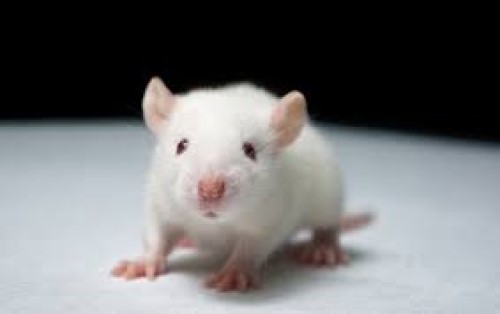
On Apr. 12, 1988, OncoMouse became the first animal to be patented in the United States (U.S. Patent 4,736,866)….

On Mar. 2, 1988, the Landmarks Preservation Board officially designated the Seattle City Light Steam Plant building and…
In 1988, the University of Colorado Cancer Center (CU) at the Anschutz Medical Campus received National Cancer Institute…
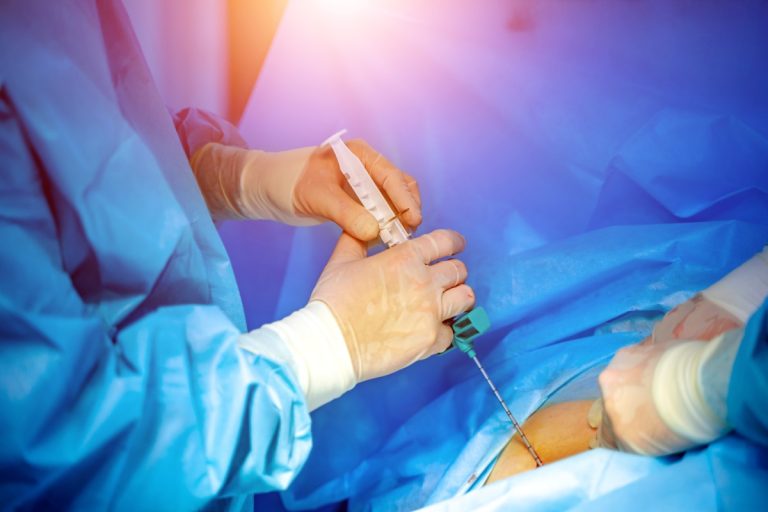
In 1988, oncologists from Yale Cancer Center performed the first bone marrow transplant in Connecticut at the Yale-New…
In 1986, The University of Michigan Cancer Center was founded in Ann Arbor, Michigan. The University of Michigan…
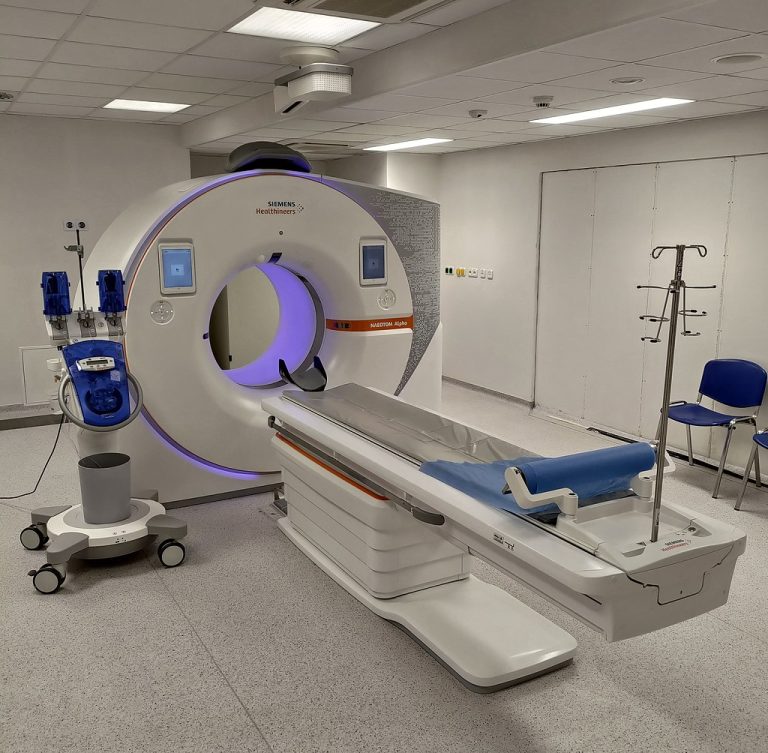
In 1988, radiation oncology physicist James Purdy, PhD and colleagues at Washington University School of Medicine developed a…
In 1988, the National Cancer Institute journals Cancer Treatment Reports and Journal of the National Cancer Institute (NCI)…
In 1988, the International Cancer Information Center (ICIC) now part of the Cancer Information Service, was established within…
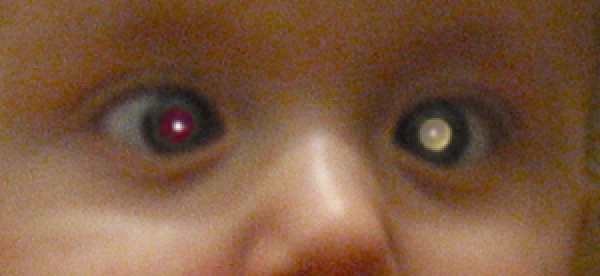
On Nov. 30, 1987, scientists at the University of California at San Diego and Wills Eye Hospital announced…
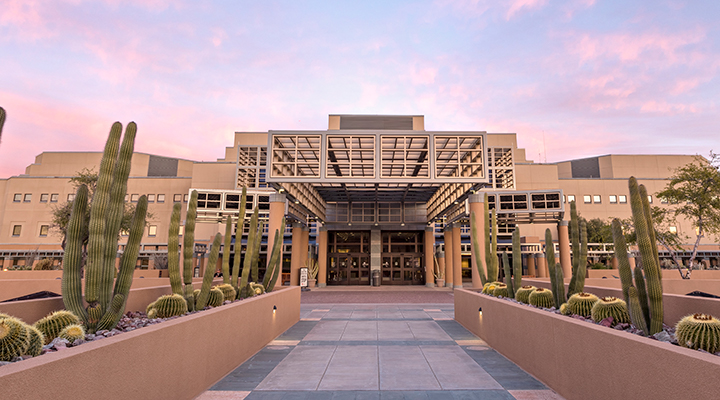
On Jun. 29, 1987, a crew of just 47 physicians and 225 allied health employees rallied to formally…
In 1987, The National Cancer Institute’s (NCI) Cancer Prevention Fellowship Program, one of the first formal postdoctoral research…
In 1987, the University of Minnesota Cancer Center, now known as the Masonic Cancer Center, received National Cancer…
In 1987, The Cold Spring Harbor Laboratory (CSHL) Cancer Center received National Cancer Institute (NCI) designation. CSHL researchers…
In 1987, the Case Cancer Center (Case CCC) at Case Western Reserve University was both founded and became…
In 1987, the University of Virginia Cancer Center (UVA), now known as the UVA Health Cancer Center, received…
On Oct. 18, 1986, the Moffitt Cancer Center was dedicated. The center was established in 1981 by the…
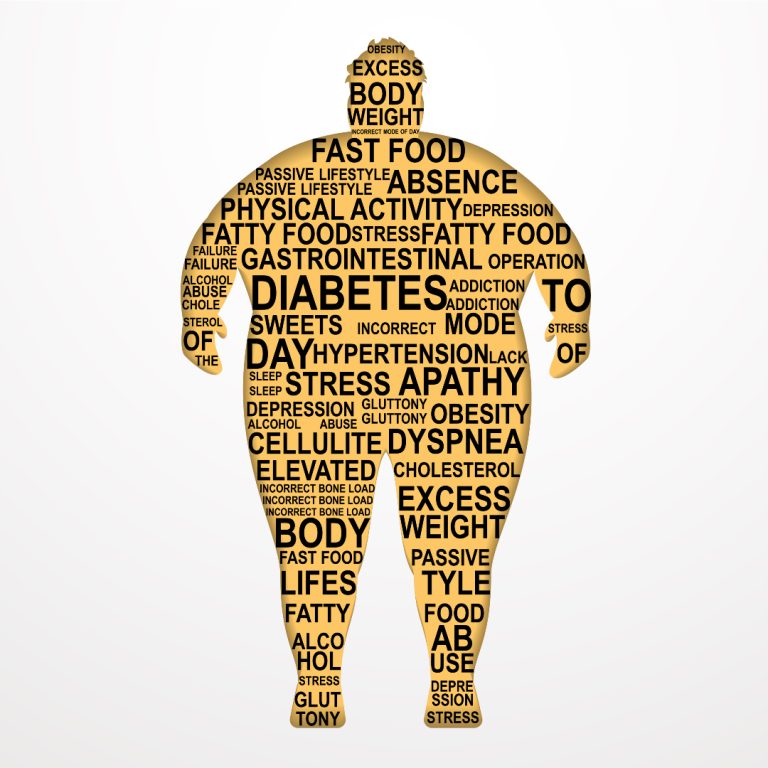
On Sept. 9, 1986, the U.S. Centers for Disease Control and Prevention (CDC) co-sponsored the first National Conference…
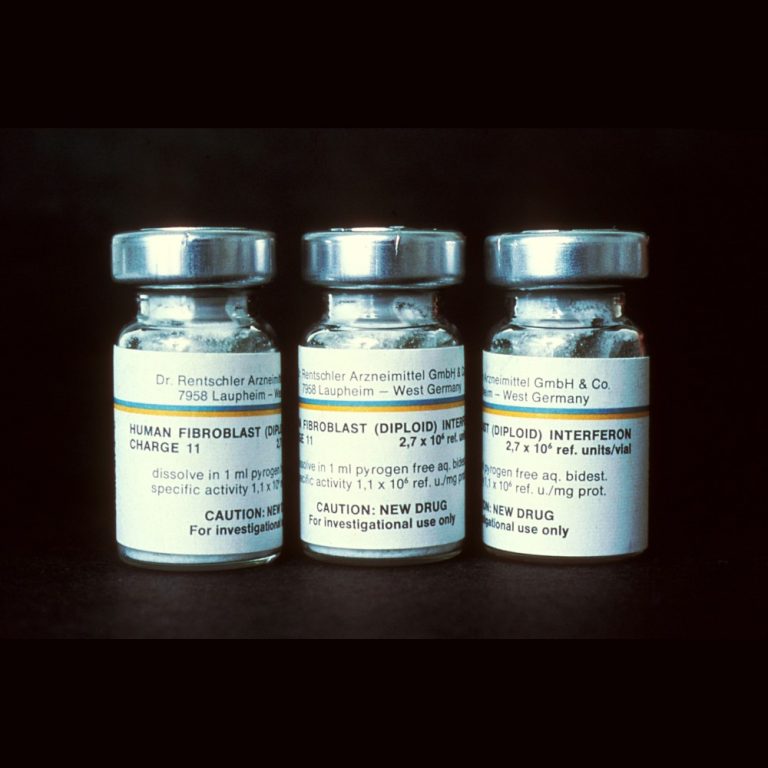
On Jun. 5, 1986, the U.S. Food and Drug Administration (FDA) approved Hoffmann La Roche’s Interferon initially for…

On Mar. 19, 1986, Eli Lilly acquired San Diego-based Hybritech for $300 million. Hybritech was a leading producer…
On Feb. 4, 1986, Bristol-Myers announced it would acquire Seattle-based Genetic Systems for $310 million. Genetic Systems was…
In February 1986, the U.S. Food and Drug Administration (FDA) approved Hybritech’s Tandem-R PSA assay (P850048) with calibration…
In 1986, the University of Michigan Cancer Center received National Cancer Institute (NCI) designation. The Rogel Cancer Center…
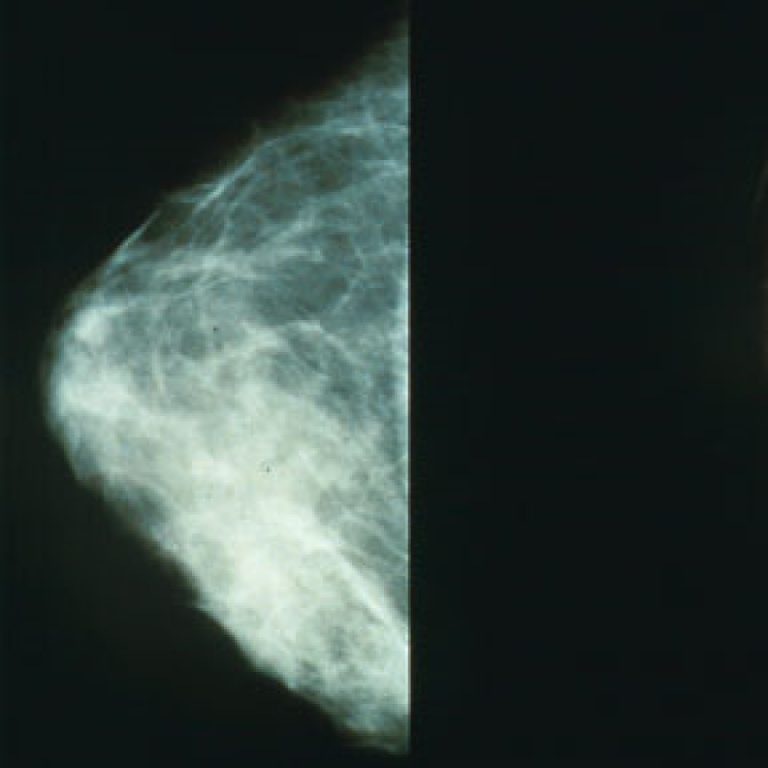
In 1986, the Mallinckrodt Institute of Radiology and the former Barnes Hospital introduced the first mobile mammography unit…
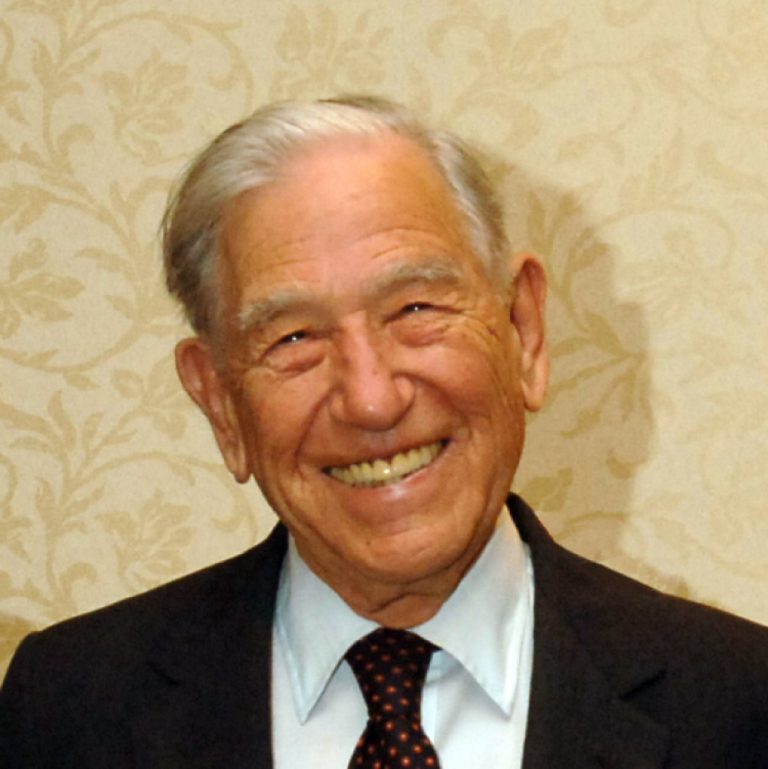
In 1986, Dr. Stanley Cohen of the Vanderbilt University School of Medicine and Dr. Rita Levi-Montalcini each received…
In 1986, The University of Utah Cancer program earned National Cancer Institute (NCI) designation as a Cancer Center,…
In 1986, the human HER2 proto-oncogene was cloned. HER2 is also called neu and erbB2. This finding established…
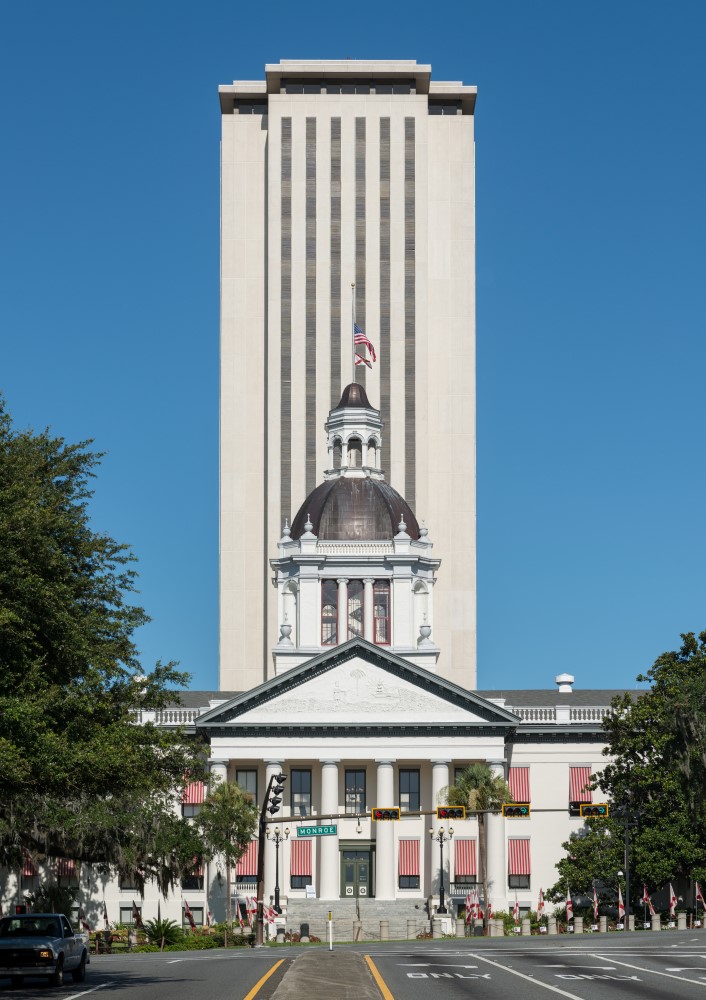
In 1986, the Moffitt Cancer Center was established by the Florida Legislature to meet a clear and compelling…
In 1986, philanthropist Harcourt Sylvester Jr. pledged $27.5 million to benefit cancer programs at the medical school, and…
In 1986, the Office on Smoking and Health became part of the U.S. Centers for Disease Control and…
In 1985, nerve-sparing prostatectomy, designed to preserve potency and urinary continence, was introduced. This procedure resulted in markedly…