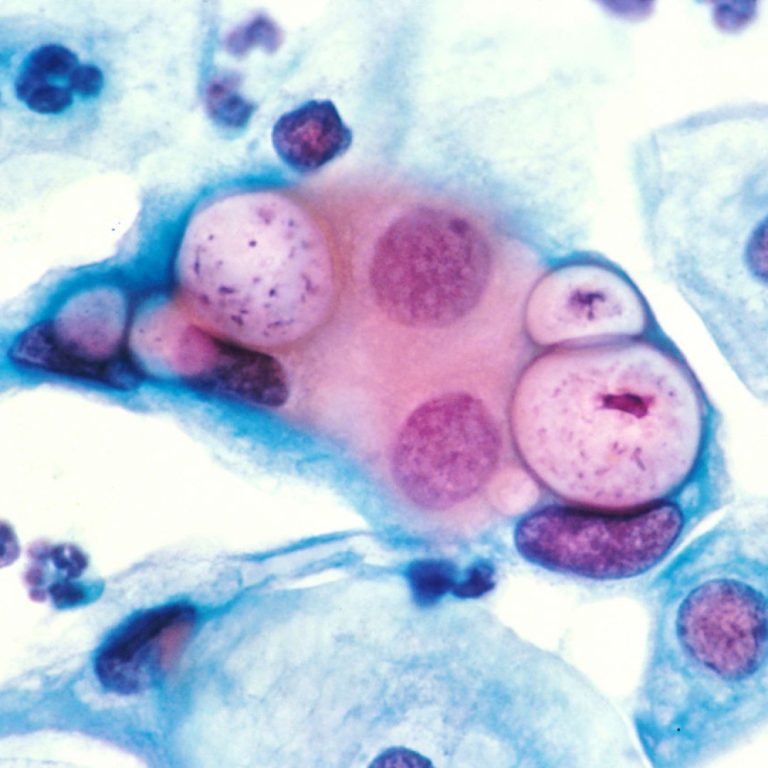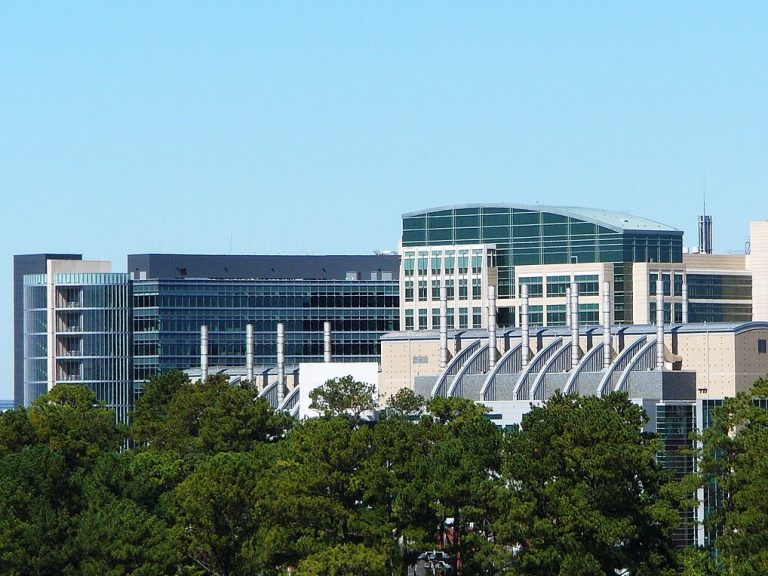
The National Cancer Institute began Five-a-Day program to encourage Americans to eat at least 5 fruits and vegetables a day
In 1991, The National Cancer Institute (NCI) began its Five-a-Day program, in partnership with the nonprofit group Produce…
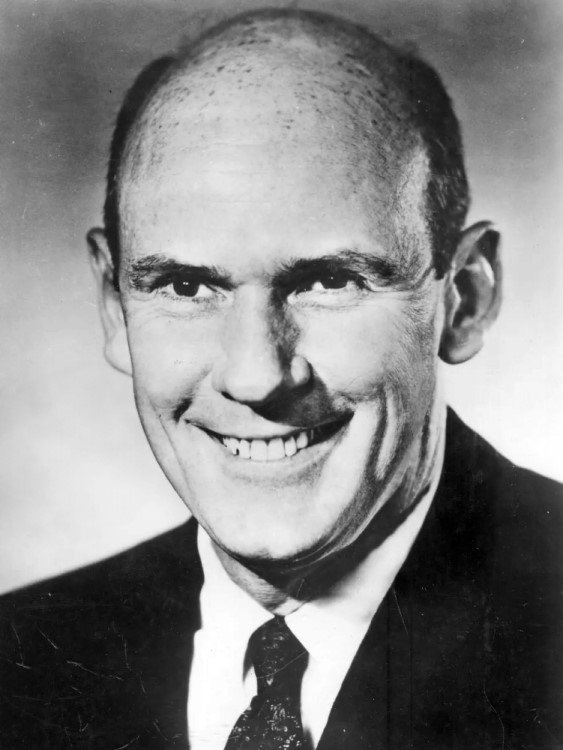
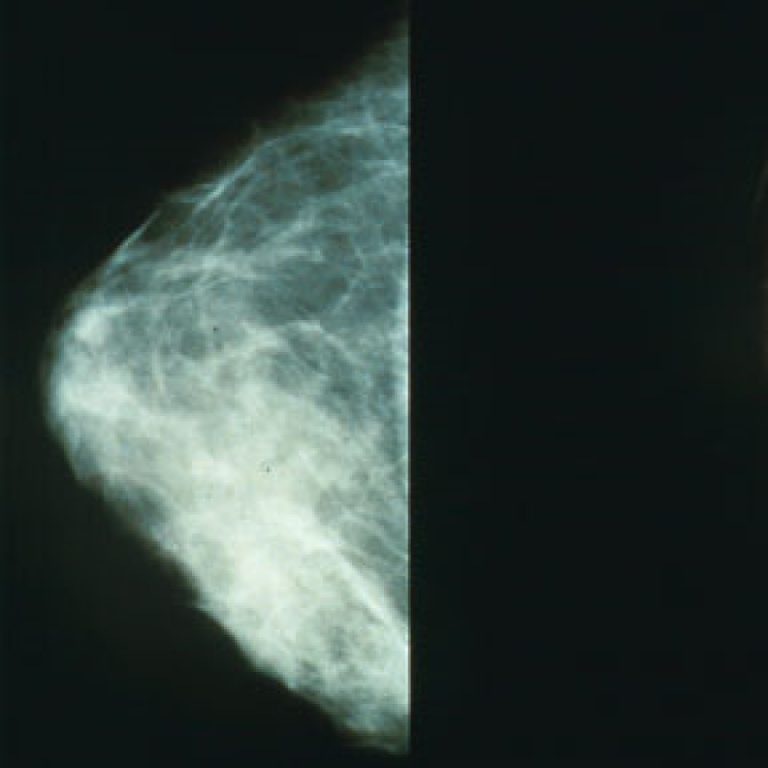
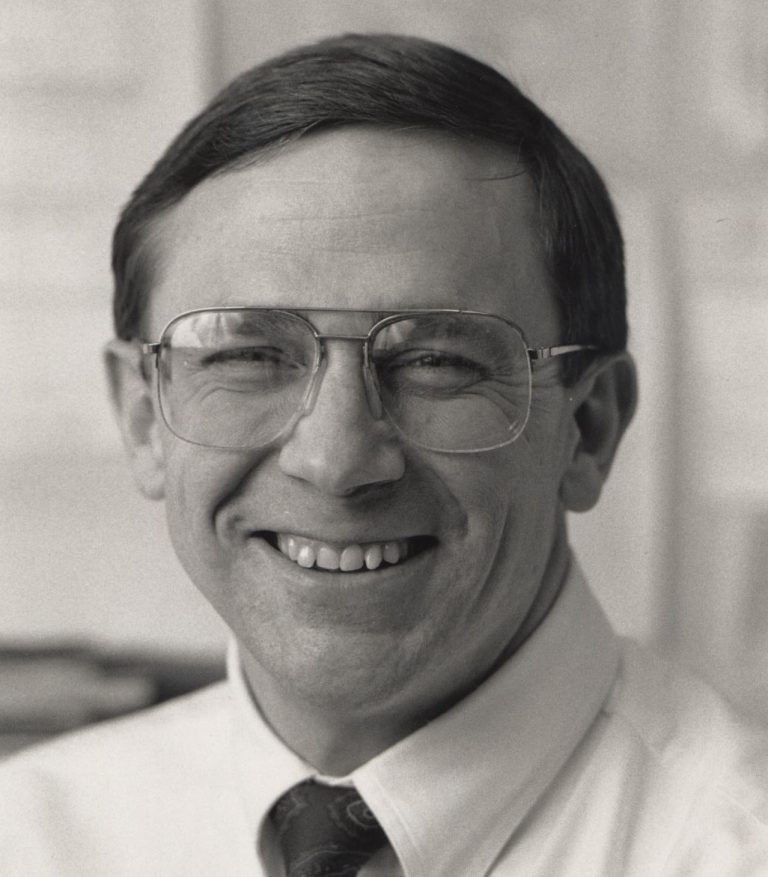
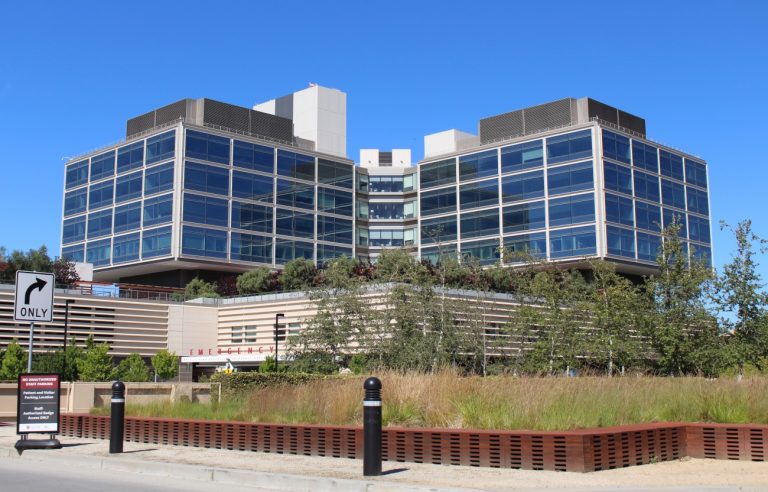
In 1991, U.S. Senator Alan Cranston (D-Calif.) underwent a state-of-the-art procedure at Stanford University Hospital to attack his…
In 1991, the U.S. Centers for Disease Control and Prevention (CDC) began developing a national strategic plan for…
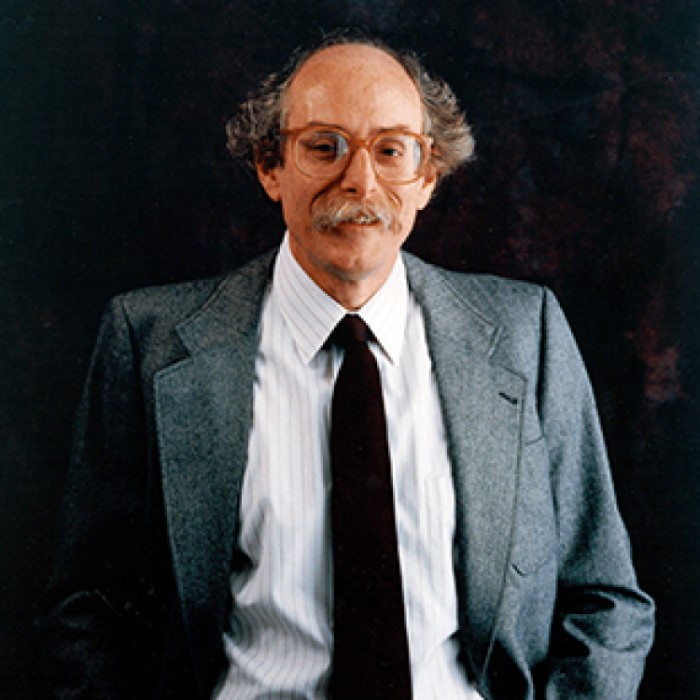
In 1991, Stoddard Cancer Center, now part of UnityPoint Health, opened at Iowa Methodist Medical Center. In 1990,…
In 1991, The Northwestern University Cancer Center was dedicated through an endowment gift from Ann and Robert H….
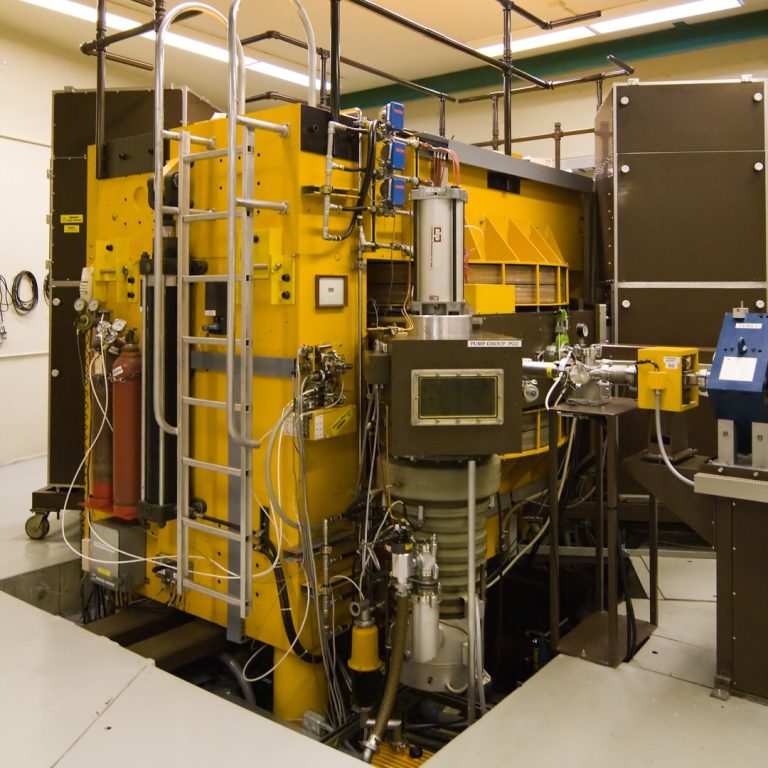
In 1991, the world’s first superconducting cyclotron built to treat cancer was installed at the Gershenson Radiation Oncology…
In 1991, the Radiation Oncology Center opened the St. Louis area’s first 3-D treatment planning center, using a…
In 1991, the Rutgers Cancer Institute of New Jersey was established at Rutgers, the State University of New…
On Dec. 8, 1990, E. Donnall Thomas of the Fred Hutchinson Cancer Research Center and Joseph E. Murray…
On Sept. 20, 1990, results from the first chemoprevention trial to show efficacy (vitamin A analogue against mouth…
In 1990, Washington University – St. Louis physicians Ralph V. Clayman, MD, Lou Kavoussi, MD, and Nathaniel J….
In 1990, the Cancer Center of Wake Forest University (CCCWFU) in Winston-Salem received National Cancer Institute (NCI) comprehensive…
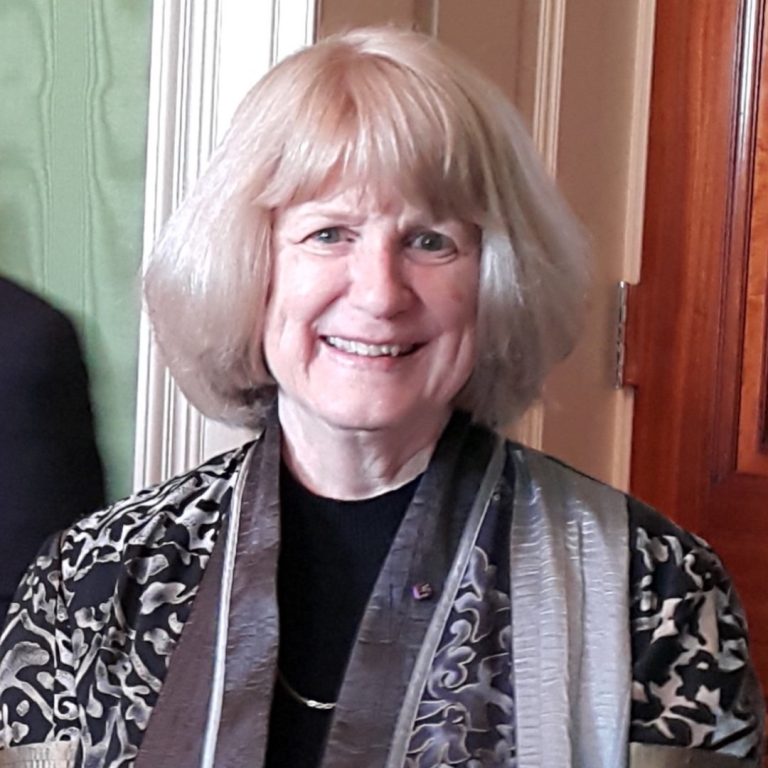
In 1990, Geneticist Mary-Claire King and her colleagues at the University of California, Berkeley (UC Berkeley) discovered BRCA1,…
In 1990, the Lineberger Comprehensive Cancer Center at the University of North Carolina (UNC) at Chapel Hill received…
In 1990, the University of Pittsburgh Cancer Institute received National Cancer Institute (NCI) Comprehensive designation. The University of…
In 1990, The University of Arizona Cancer Center (UACC) received Comprehensive Cancer Center status from the National Cancer…
In 1990, The Whitehead Institute/MIT Center for Genome Research (WICGR) was founded. The institute soon became an international…
In 1990, Washington University – St. Louis researcher Stanley J. Korsmeyer, MD co-discovered the gene ‘bcl-2’, a pivotal…
On Jun. 1, 1989, the U.S. Food and Drug Administration (FDA) approved Amgen’s Epogen/Procrit for the treatment of…
On May 22, 1989, Dr. Steven A. Rosenberg and his team at the National Cancer Institute (NCI) performed…
On Mar. 3, 1989, the U.S. Food and Drug Administration (FDA) approved Bristol-Myers’ PARAPLATIN (carboplatin) for the treatment…
In 1989, certification in radiation oncology was first offered. Board certification serves as an important marker for the…
In 1989, the University of California, Irvine (UCI) Chao Family Comprehensive Cancer Center (CFCCC) was founded as a…
In 1989, Stanford Medicine researchers discovered the ‘homing receptor,’ which guides white blood cells into the peripheral lymph…
In 1989, researcher Judah Folkman and his team from Boston Children’s Hospital produced a synthetic compound that inhibited…
In 1989, Karmanos Cancer Institute researcher Dr. Soule developed MCF-10, an immortal line of normal human breast cells….
In 1989, researcher William J. Catalona, MD of Washington University – St. Louis began a study that established…
In 1989, the State Office of Rural Health became part of Oregon Health & Science University (OHSU) to…
In December 1988, the National Cancer Institute (NCI) sponsored a workshop to address the standardization of cervical/vaginal cytopathology…
On Jun. 17, 1988, the Secretary of the U.S. Department of Health and Human Services announced the recipients…