The CDC established the vessel sanitation program alongside the cruise ship industry
In 1975, the U.S. Centers for Disease Control and Prevention (CDC) established the vessel sanitation program alongside the…
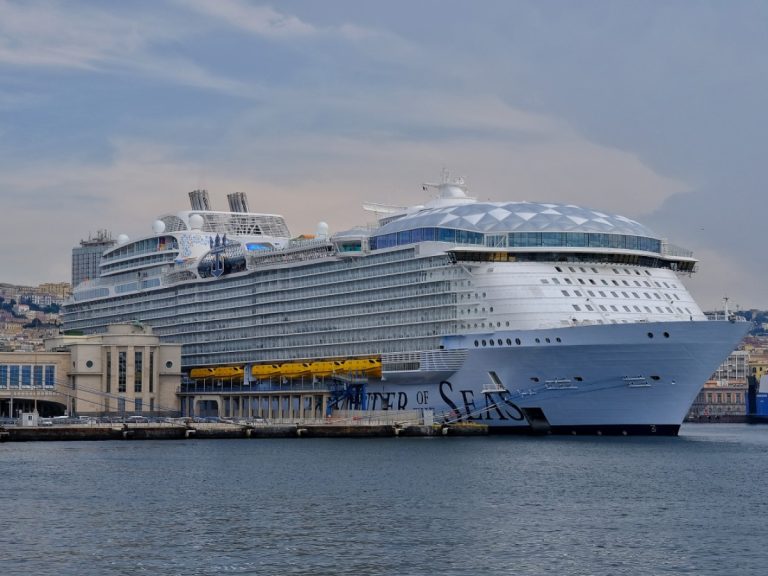
In 1975, the U.S. Centers for Disease Control and Prevention (CDC) established the vessel sanitation program alongside the…
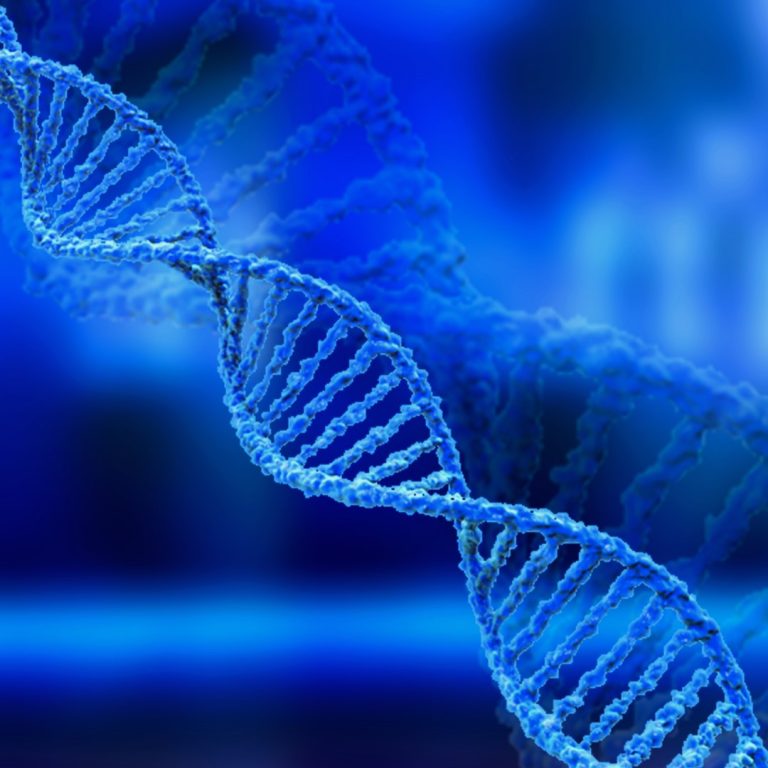
In 1975, recombinant DNA sequencing methods were developed. From being the most difficult macromolecule of the cell to…
In 1975, the nonprofit Detroit Medical Center Institute for Oncology and Allied Diseases was established, formed from the…

In 1975, Bristol-Myers researchers Miguel A. Ondetti and David W. Cushman created CAPOTEN (captopril) the first in a…

In 1975, Georges Kohler and Cesar Milstein, showed how monoclonal antibodies can be generated by isolating individual fused…
In 1975, The Perlmutter Cancer Center was founded and received National Cancer Institute (NCI) Designation status. Its mission…

In 1975, Molecular Probes was founded by Richard and Rosaria Haugland in their kitchen in Minnesota. The biotechnology…
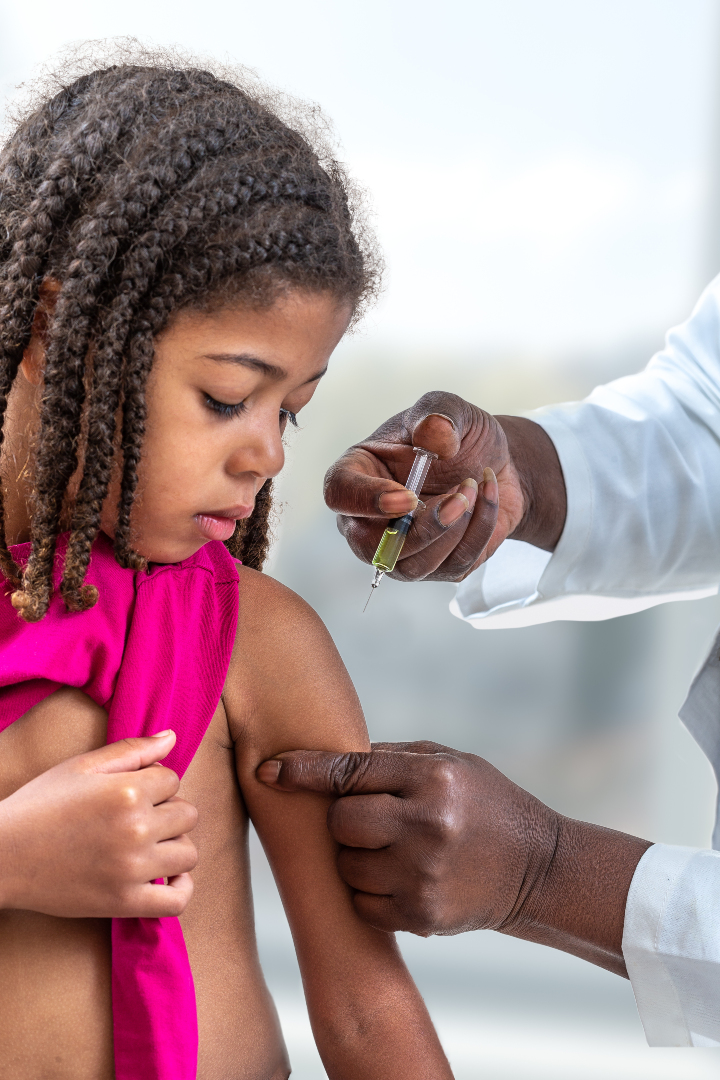
In 1975, The World Health Assembly passed a resolution to create the Expanded Programme on Immunization (EPI) to…
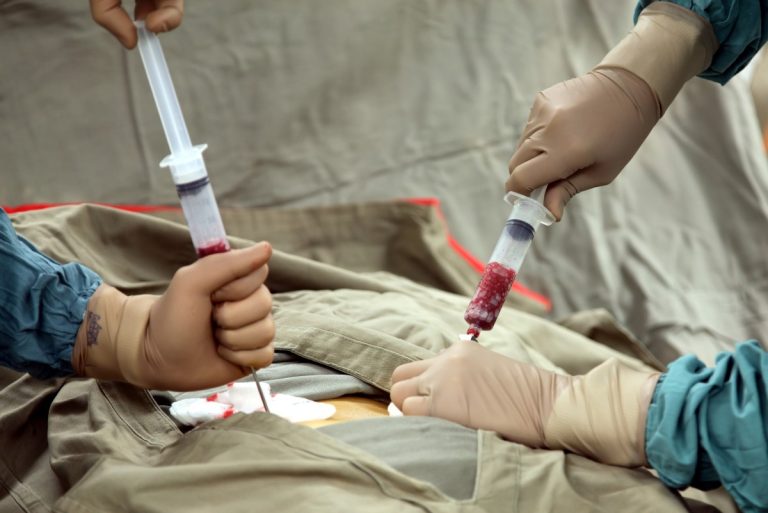
In 1975, Dr. E. Donnall Thomas, a pioneer in bone marrow transplantation, secured a permanent treatment home at…

In 1975, rapamycin, a macrolide produced by the bacterium Streptomyces hygroscopicus was first discovered and isolated from soil…

In 1975, The National Plant Genetic Resources Board (NPGRB) was established by the secretary of agriculture in 1975,…
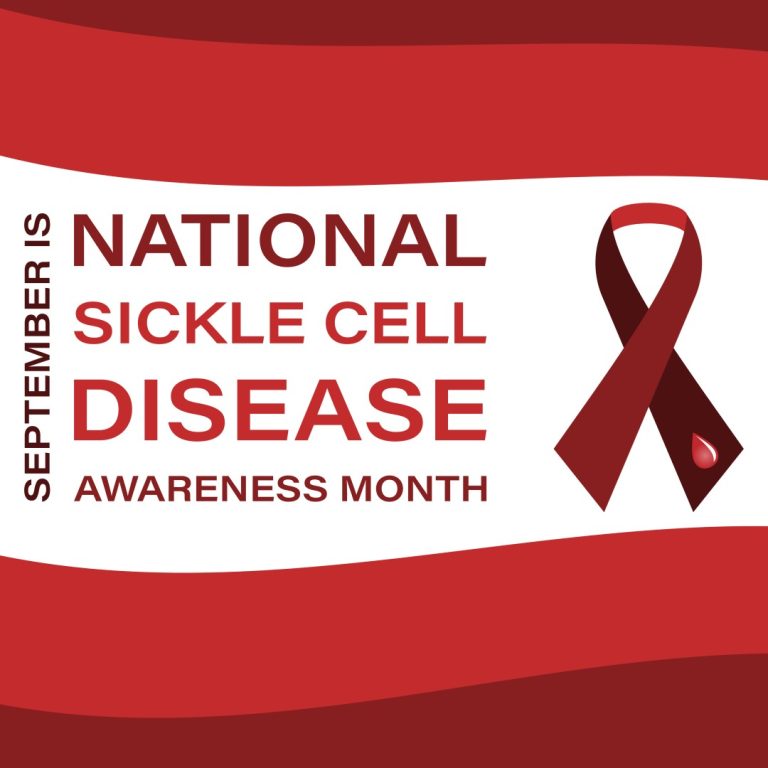
In 1975, Sickle Cell Disease Awareness Month originated when the Sickle Cell Disease Association of America and its…
In 1975, Virginia Commonwealth University Massey Cancer Center received National Cancer Institute (NCI) designation. Massey is the only…

In 1975, only eight institutions worldwide, mostly in developed countries, have the cold-storage capability necessary for long-term seed…
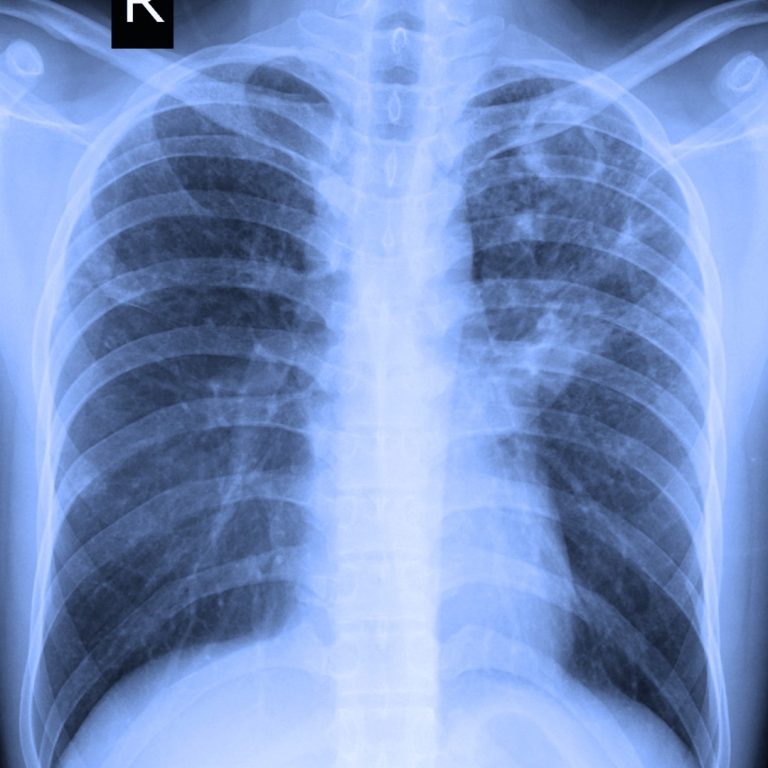
On Dec. 17, 1974, CANCERLINE, a national database of published cancer research, was established by the National Cancer…

In 1974, George E. Palade, of the Yale University School of Medicine, was awarded the Nobel Prize for…
On Sept. 10, 1974, the Division of Cancer Control and Rehabilitation (DCCR) was established by the National Cancer…

On Sept 2, 1974, Congressman John N. Erlenborn from Virgnia, the ranking Republican on the House Committee, was…

In Jul. 1974, In the Division of Pharmaceutical Service at the University of Iowa began producing cGMP compliant…

On Jun. 2, 1974, the Burn Center at Harborview Medical Center received its first patients. It is now…
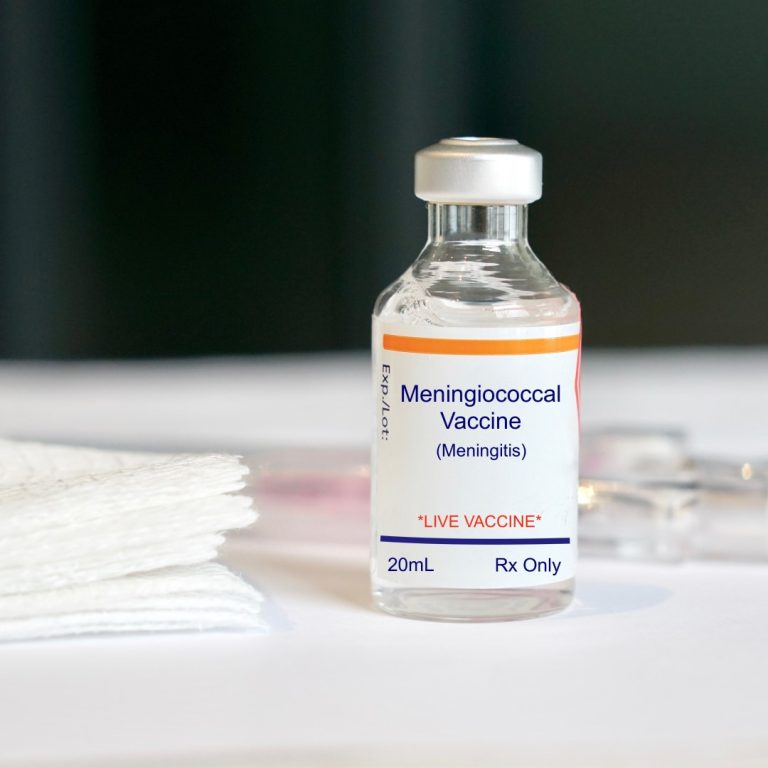
On Apr. 2, 1974, the U.S. Food and Drug Administration (FDA) licensed the first monovalent (group C) meningococcal…

On Mar. 1, 1974, researchers from the University of Washington (UW) published in Transactions in Biomedical Engineering, the…
In 1974, the U.S. Food and Drug Administration (FDA) approved doxorubicin (Adriamycin), an antitumor anthracycline antibiotic from Streptomyces…
In 1974, The Massachusetts Institute of Technology (MIT) Center for Cancer Research (CCR) received National Cancer Institute (NCI)…
In 1974, Bioversity International was established as the International Board for Plant Genetic Resources (IBPGR) to coordinate an…

In 1974, the Michigan Cancer Foundation and Wayne State University formed a Joint Committee for Cancer Studies and…

In 1974, n an attempt to bring order to the loosely structured state/federal new-crops research program, the National…

In 1974, the Mallinckrodt Institute of Radiology in St. Louis partnered with London’s EMI, Ltd. to develop a…
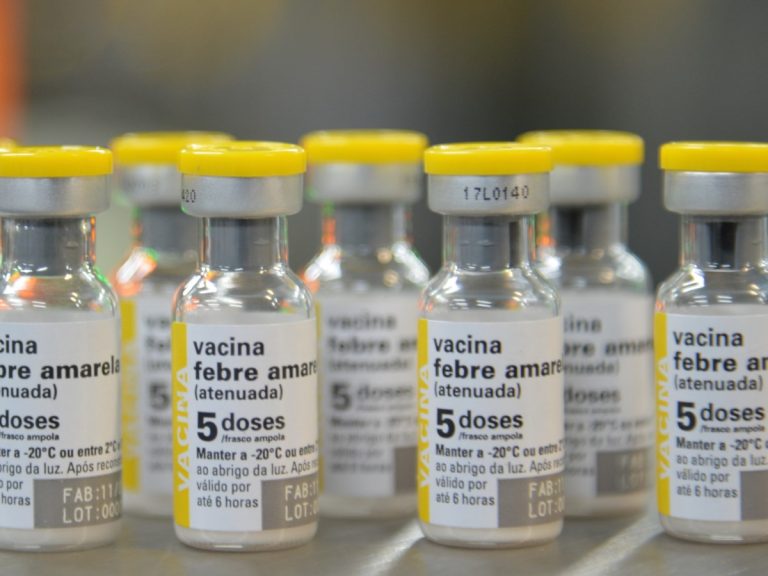
In 1974, the Expanded Programme on Immunization was created within World Health Organization (WHO) in response to poor…

In 1974, ground was broken on The Scripps Clinic and Research Foundation’s new site on the Torrey Pines…