Dr. Boone Chunprapah became the first doctor to successfully reconnect four completely severed fingers from a man’s hand
In 1973, Dr. Boone Chunprapah at the Cook County Hospital I Chicago became the first doctor to successfully…
In 1973, Dr. Boone Chunprapah at the Cook County Hospital I Chicago became the first doctor to successfully…
In 1973, UChicago established the University of Chicago Comprehensive Cancer Center (UCCCC), receiving its initial designation as a…
In 1973, clinicians at the Boston Hospital for Women, now part of Brigham and Womenメs, developed noninvasive fetal…

In 1973, The Johns Hopkins Cancer Center, now known as the Sidney Kimmel Cancer Center (SKCCC) was founded….
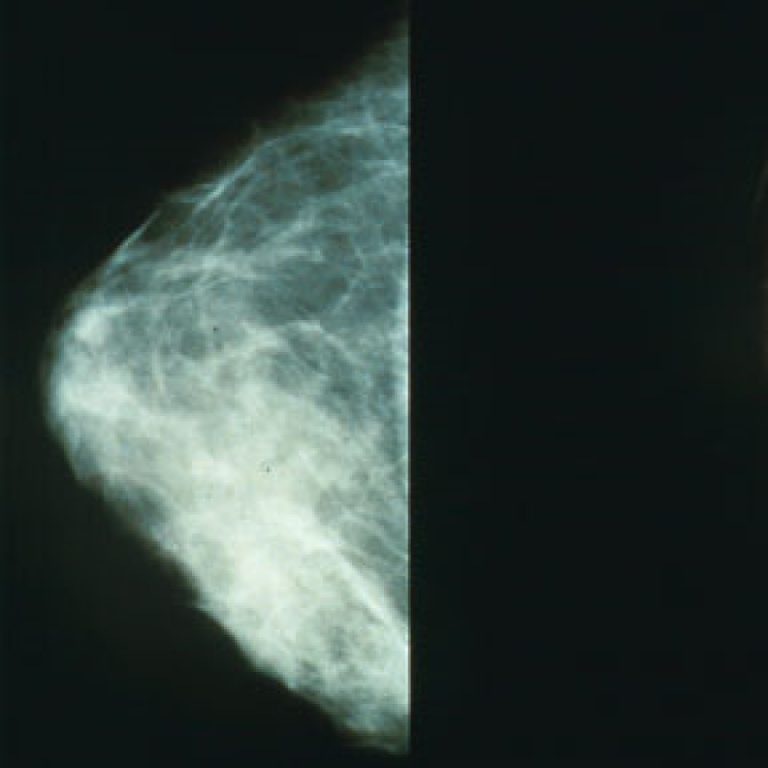
In 1973, Karmanos Cancer Institute researcher Herbert Soule, Ph.D. developed the MCF-7 human breast cancer cell line, which…
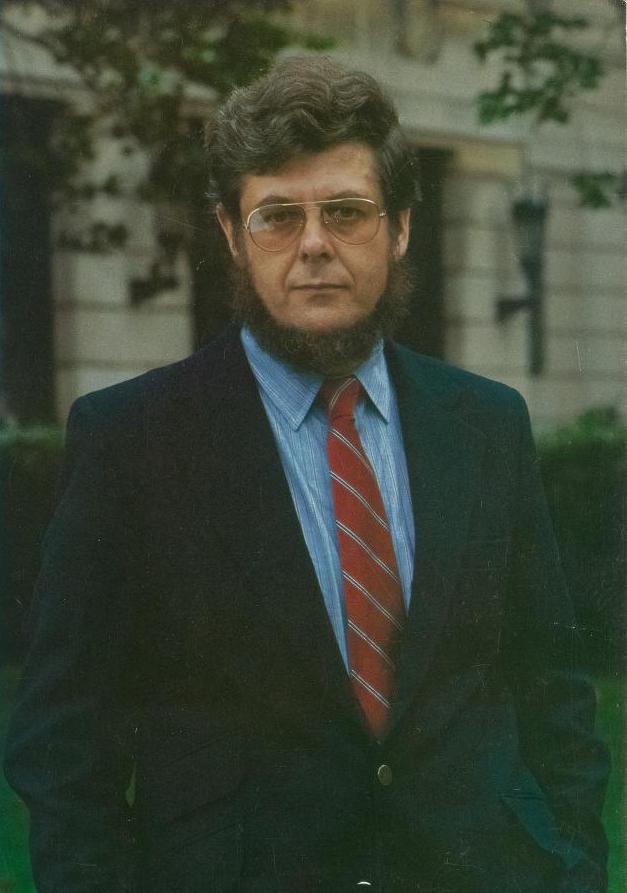
In 1973, the publication “Biohazards in Biological Research,” was edited by S. Hellman, M. Oxman, and R. Pollack. …

In 1973, the Michigan Cancer Foundation’s cancer registry was invited to join the National Cancer Institute’s (NCI) Surveillance,…
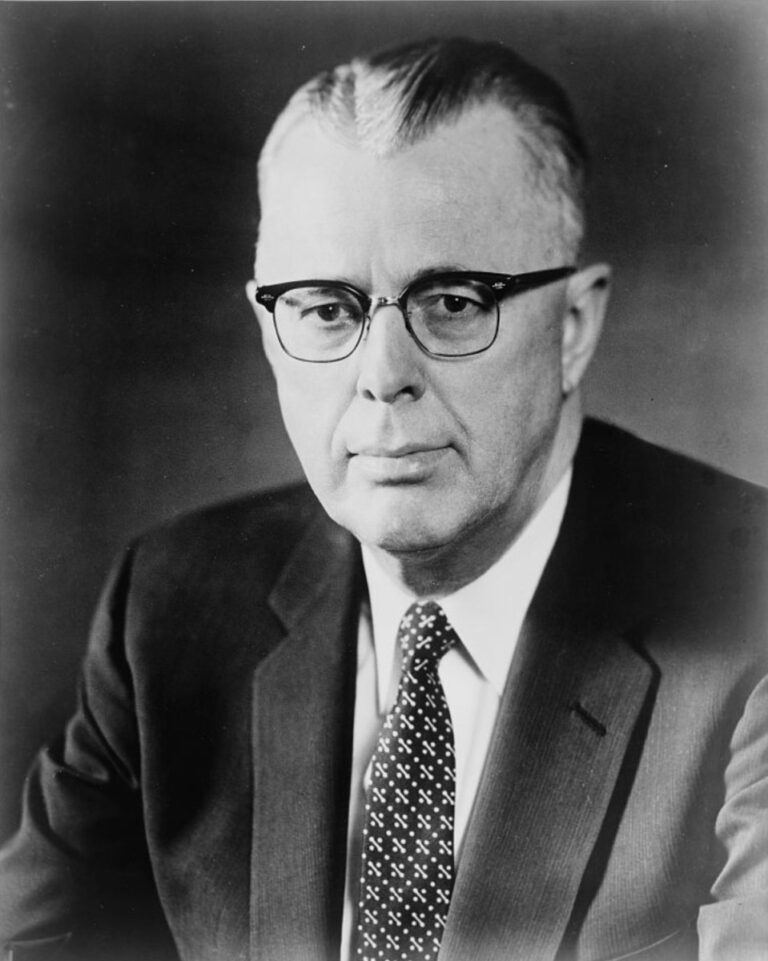
In 1973, Senator Norris Cotton secured a second federal grant of $500,000 to support cancer research at Geisel…
In 1973, the Norris Comprehensive Cancer Center, now the University of Southern California Kenneth Norris Jr. Cancer Center…
In 1973, The Surveillance, Epidemiology, and End Results (SEER) Program was established. The SEER Program was a sequel…
In 1973, The trustees of Mary Hitchcock Memorial Hospital allocated funds to help build a two-story addition to…
In 1973, certification in medical oncology and gynecologic oncology was first offered.

In 1973, Bristol-Myers introduced several early medicines, beginning with BLENOXANE (bleomycin sulfate) for squamous cell cancers, head and…
In 1973, American scientists Michael E. Phelps and Edward J. Hoffman developed position emission tomography (PET) scans, a…

In 1973, the Ohio State University Cancer Center (OSUCCC) was established in Columbus. The patient care arm of…

On Oct. 27, 1972, the Consumer Product Safety Commission (CPSA) was enacted by the U.S. Congress. The CPSA…

On Oct. 21, 1972, Christian Boehmer Anfinsen (M.S., University of Pennsylvania, 1939) shared the 1972 Nobel Prize for…

On Oct. 13, 1972, Gerald Maurice Edelman (M.D., University of Pennsylvania, 1954) was awarded the Nobel Prize for…

On Jun. 14, 1972, an end to the continued domestic usage of the pesticide DDT was decreed when…

On Jun. 5, 1972, the United Nations Conference on the Human Environment began in Stockholm, Sweden (June 5-16)…

On May 11, 1972, the U.S. Food and Drug Administration (FDA) established Over-the-Counter (OTC) Drug Review began to enhance…
May 5, 1972, Frank Joesph Rauscher, Jr. became the seventh director of the National Cancer Institute, serving until…
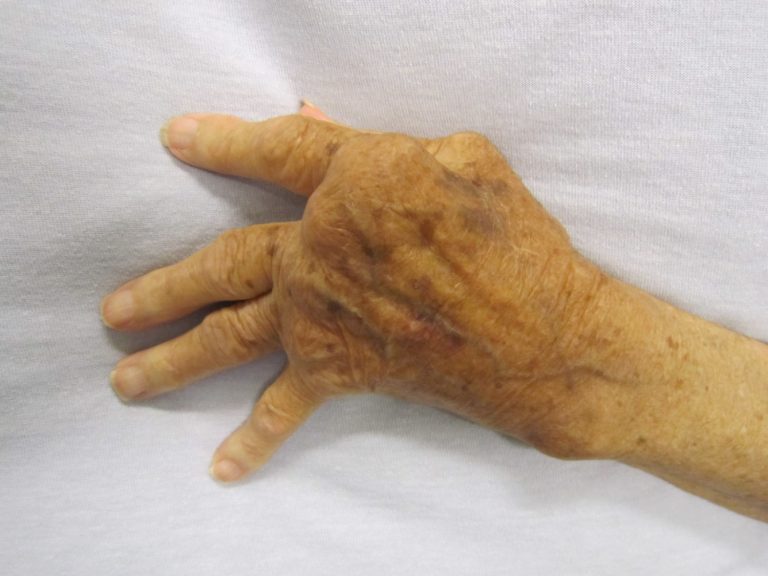
May 1972 was declared ‘National Arthritis Month’ by Congress and President Nixon.
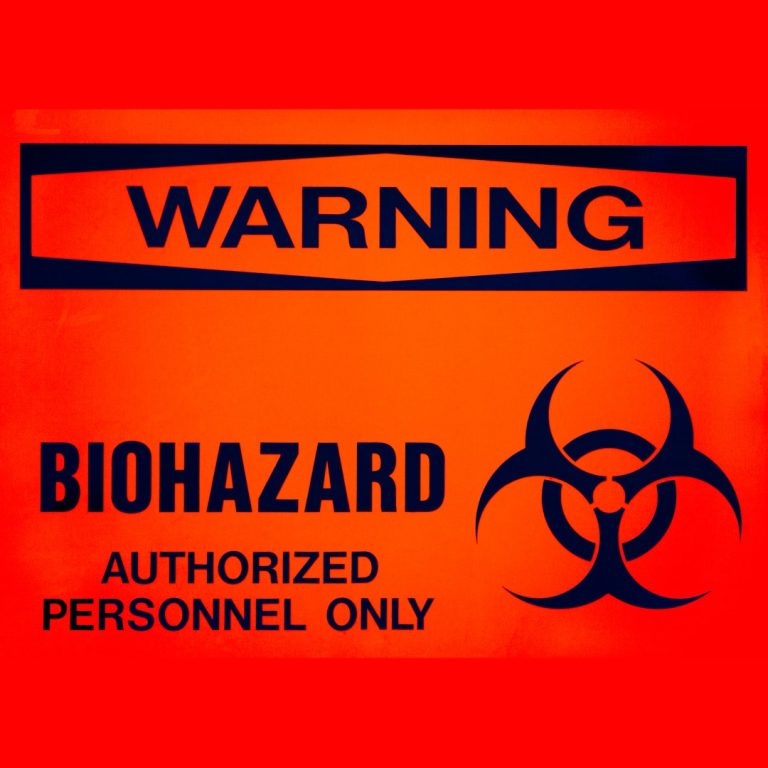
On Apr. 10, 1972, the Biological Weapons Convention (BWC) was opened for signature, and took effect on March…
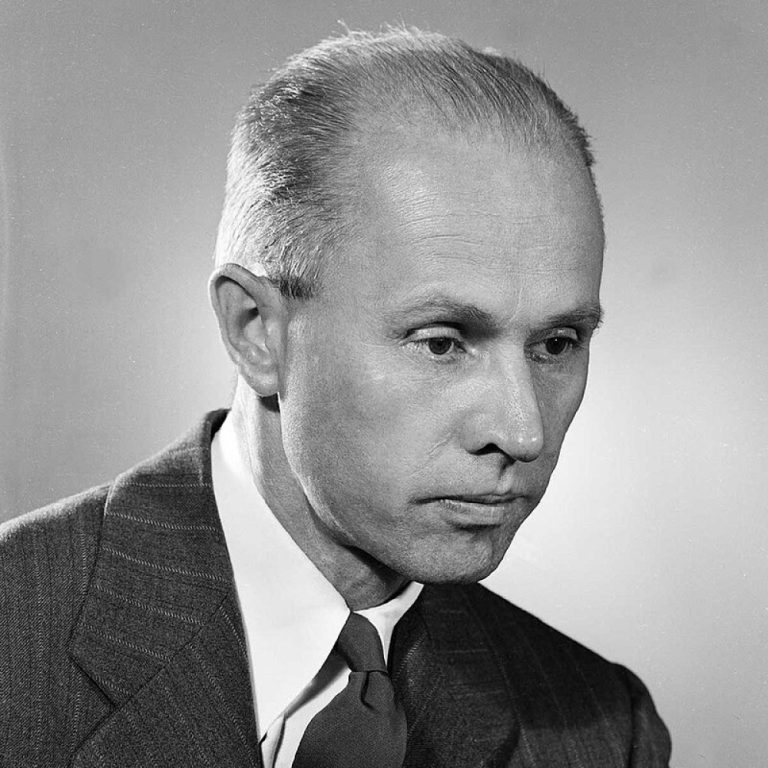
In 1972, the American Chemical Society awarded the Priestley Medal to George B. Kistiakowsky “to recognize distinguished services…
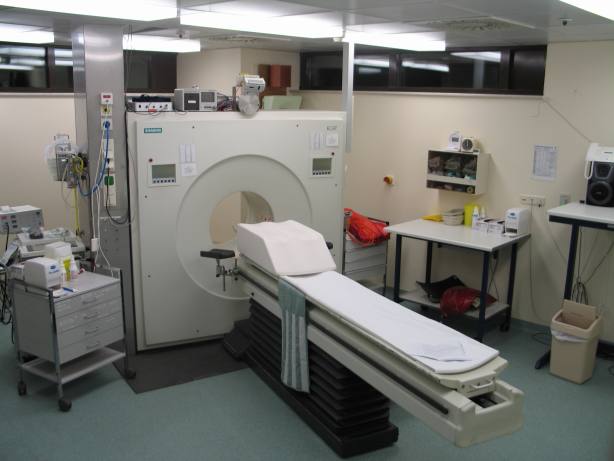
In 1972, positron emission tomography (PET) imaging was invented by researchers at Washington University – St. Louis including…
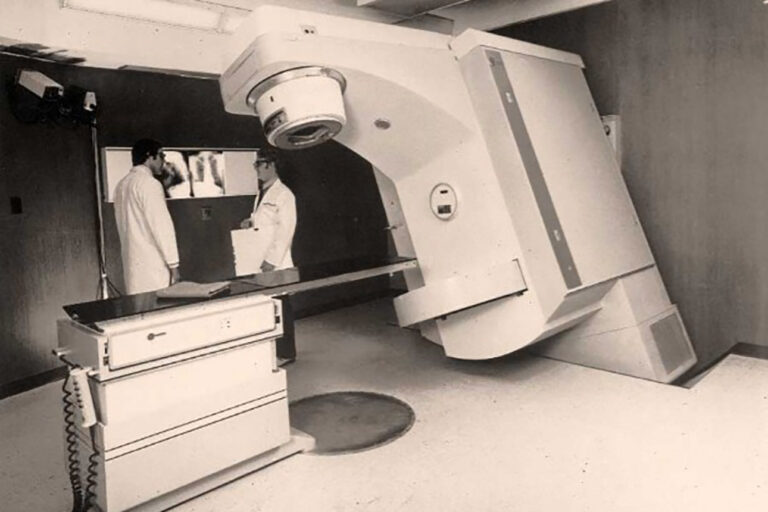
In 1972, a prototype linear accelerator at Washington University – St. Louis was produced by radiation clinicians and…
In 1972, the Duke Comprehensive Cancer Center, now known as the Duke Cancer Institute (DCI), was established in…
In 1972, The Albert Einstein Cancer Center (AECC), now known as Montefiore Einstein Comprehensive Cancer Center (MECCC), obtained…
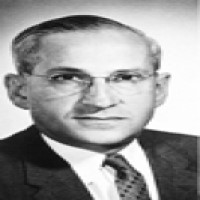
In 1972, Drs. Roy Hertz and Min C. Li, National Cancer Institute scientists, credited with discovering the first…