First clone of endangered Przewalski’s horse born in conservation effort to save the species
On Aug. 6, 2020, the world’s first successfully cloned endangered Przewalski’s horse was born. Revive & Restore, San…
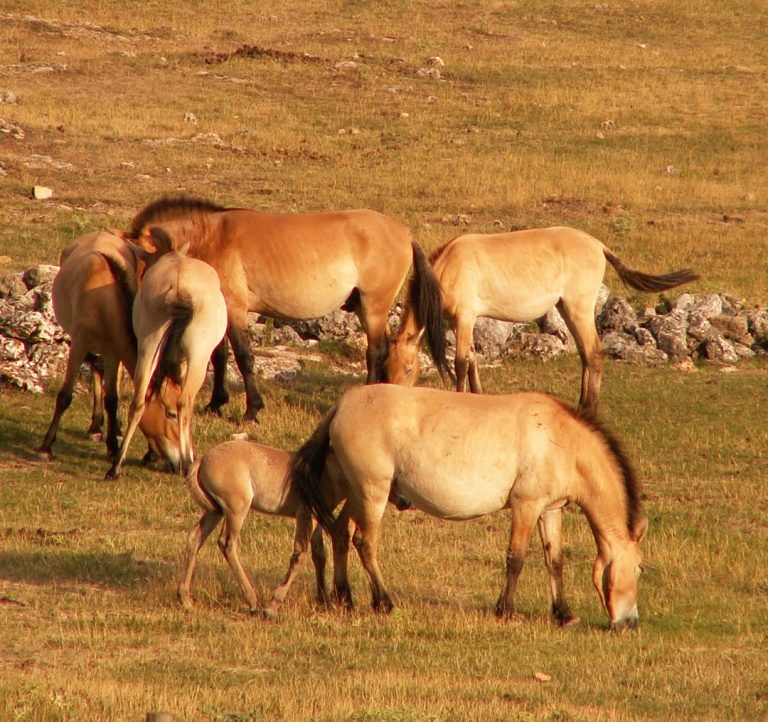
On Aug. 6, 2020, the world’s first successfully cloned endangered Przewalski’s horse was born. Revive & Restore, San…
On Mar. 13, 2019, Nature published a call for a global moratorium on heritable human genome editing signed by…
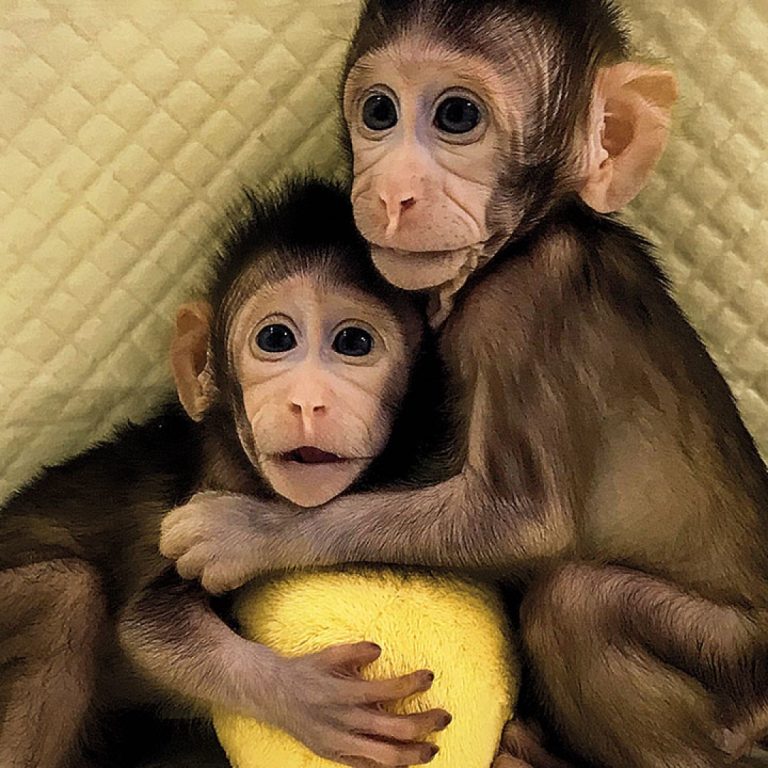
On Jan. 24, 2018, Chinese scientists announced they had produced two genetically identical long-tailed macaques using the same…
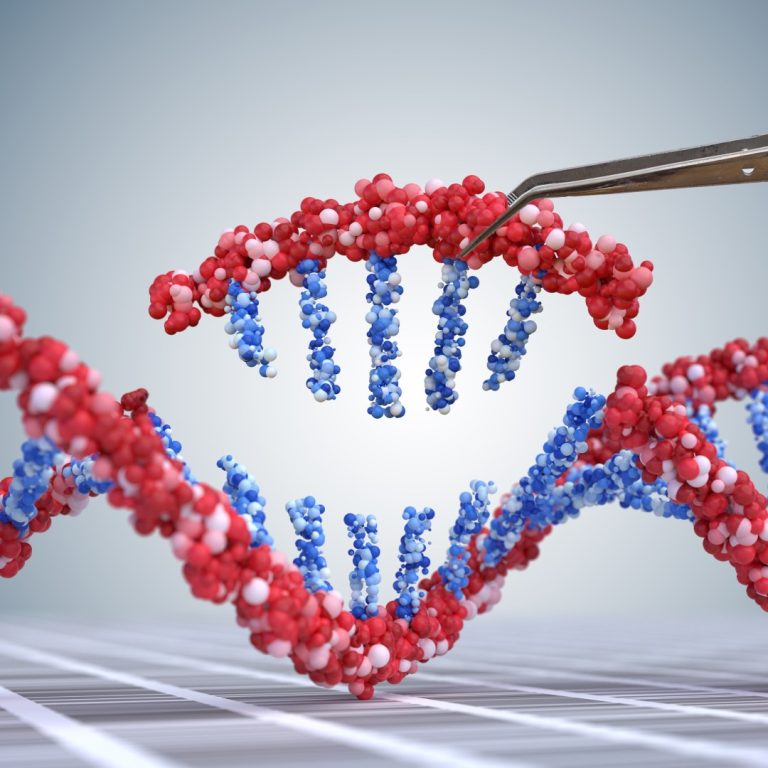
On Jul. 27, 2017, OHSU announced that Shoukhrat Mitalipov, an OHSU biologist, had successfully modified defective DNA in…
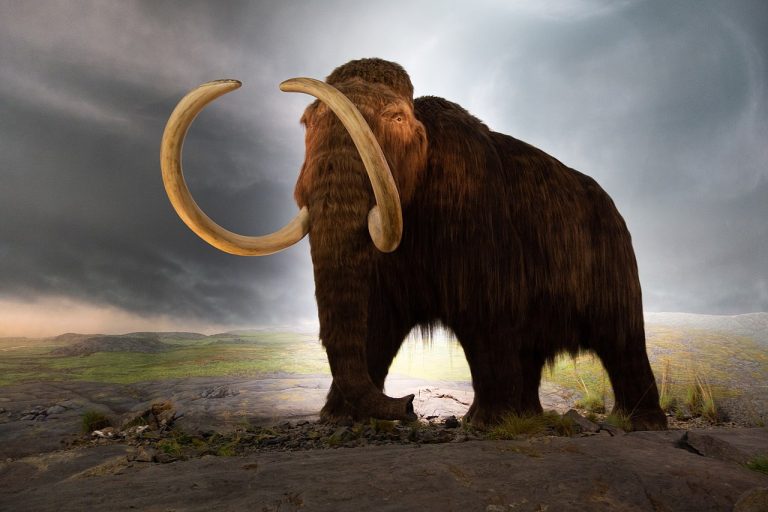
On Apr. 23, 2015, an international collaboration that involved researchers from Sweden, the United States, Canada, and Russia…
On Mar. 16, 2013, the U.S. Patent and Trademark Office (USPTO) implemented the first inventor to file (FITF)…
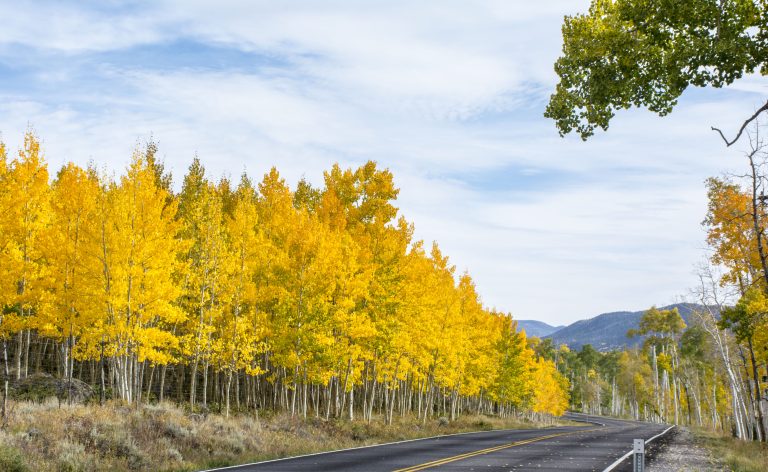
On Sept. 30, 2010, Utah State University geneticist Karen Mock announced that testing of a forest-size collection of…
On Nov. 14, 2007, researchers at Oregon Health & Science University’s (OHSU) Oregon National Primate Research Center announced they…
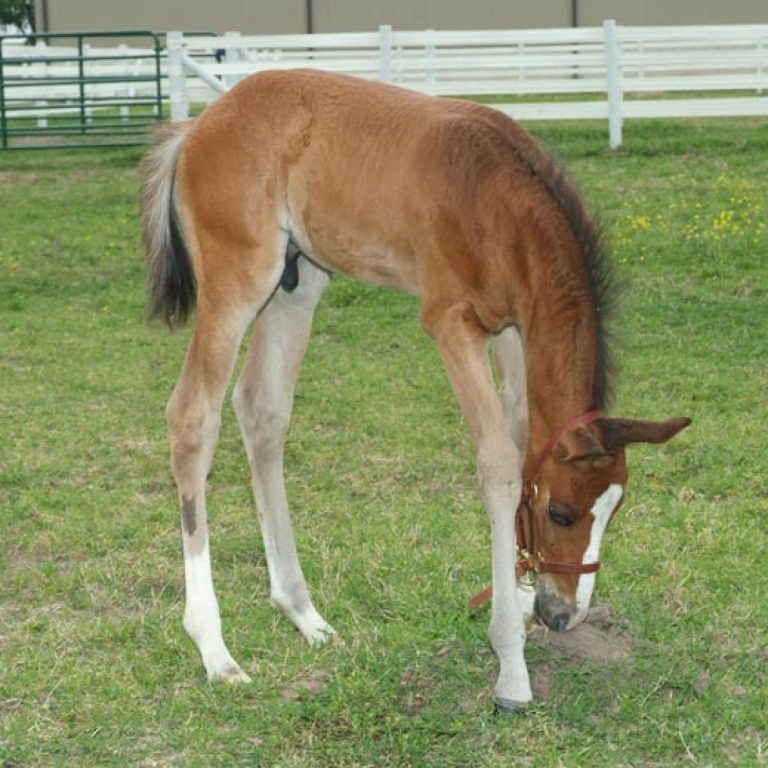
On Mar. 13, 2005, Paris Texas, the first cloned horse in North America was born at the College…
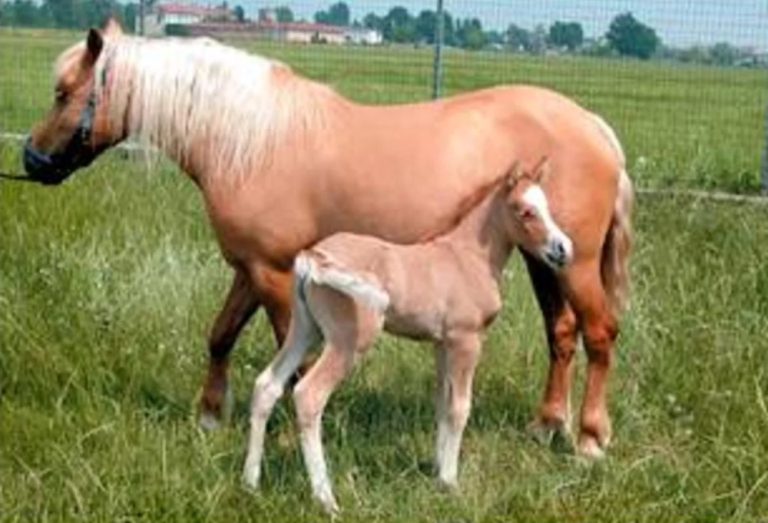
On May 28, 2003, the world’s first cloned horse named Prometea was born at the Laboratory of Reproductive…

On May 4, 2003, University of Idaho-Utah State University researchers became the first in the world to clone…
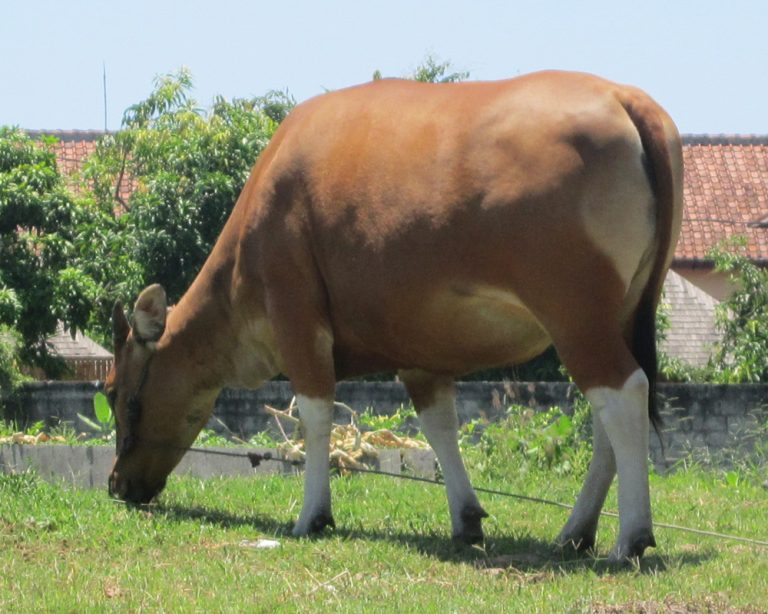
On Apr. 1, 2003, the birth of a cloned banteng from a surrogate mother cow was announced by…
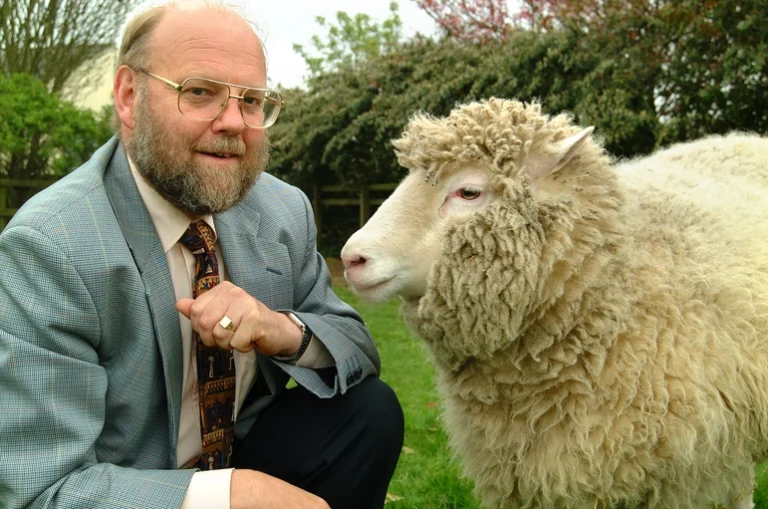
On Feb. 14, 2003, a CT scan was performed on Dolly and it was determined that tumours were…
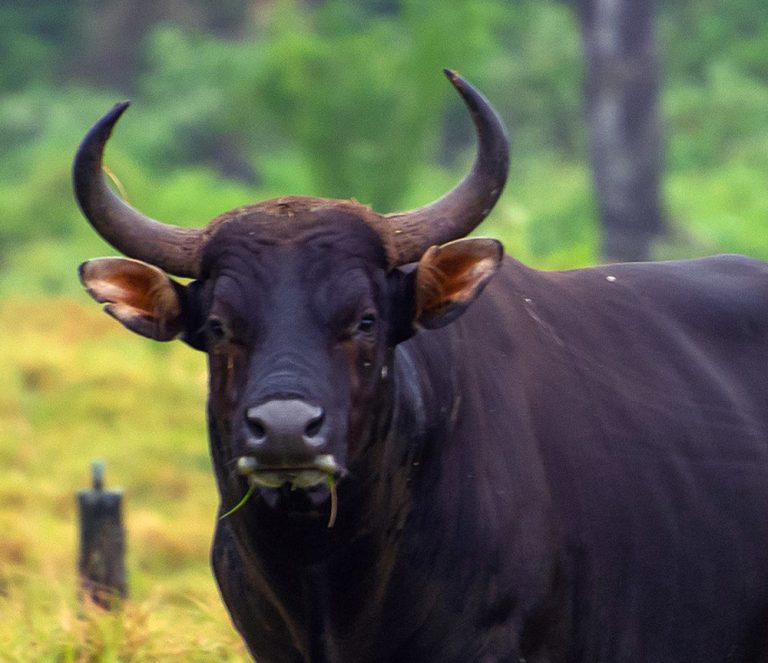
In 2002, the banteng, an endangered species, was cloned for the first time. Bantengs, or Bali cattle (Bos…

In 2002, ViaGen was founded in Austin, Texas in to provide commercial bovine, equine, and porcine gene banking,…
In 2001, K. Barry Sharpless, of The Scripps Research Institute in La Jolla, CA, was awarded the Nobel…

In 1998, Hematech was co-founded by University of Massachusetts researcher Jim Robl, relocated to Sioux Falls. Dr. Robl…
On Mar. 4, 1997, President Clinton issued an executive order that banned federal funds for cloning experiments. This…

On Jul. 5, 1996, Dolly, a Finn Dorset sheep was born at the Roslin Institute in Edinburgh, Scotland…
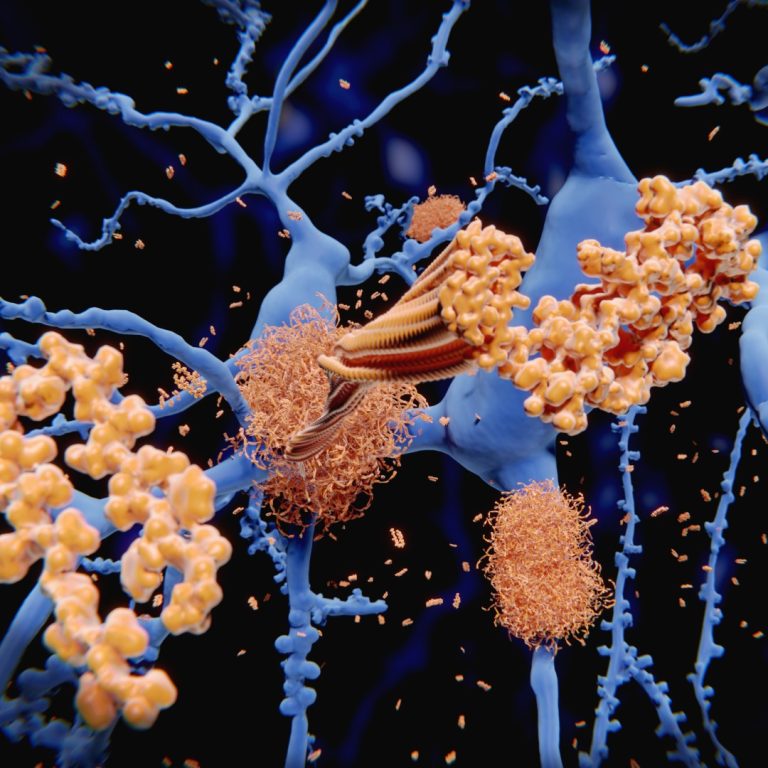
On Jun. 29, 1995, researchers led by Dr. Peter St. George-Hyslop at the University of Toronto announced they…

On Oct. 7, 1994, a strong candidate for the 17q-linked BRCA1 gene, which influences susceptibility to breast and…
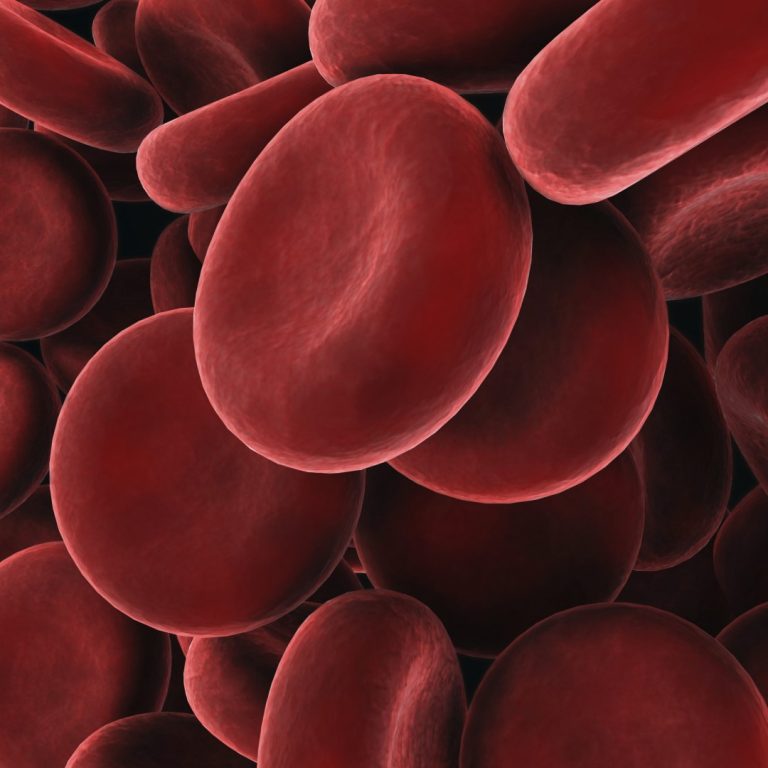
On Jun. 17, 1994, the University of Washington and ZymoGenetics scientists reported in Nature the discovery, isolation and…
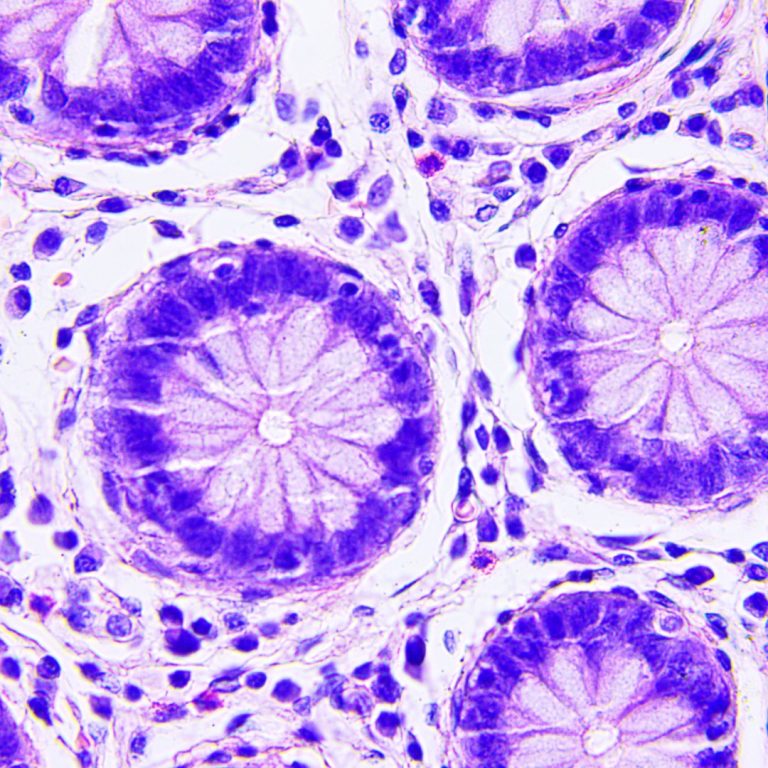
On May 7, 1993, the first gene associated with hereditary nonpolyposis colon cancer (HNPCC) was cloned (hMSH2). People…

On Nov. 20, 1990, Michael Crichton’s “Jurassic Park” novel was pulbished, introducing DNA technology to a wide audience….
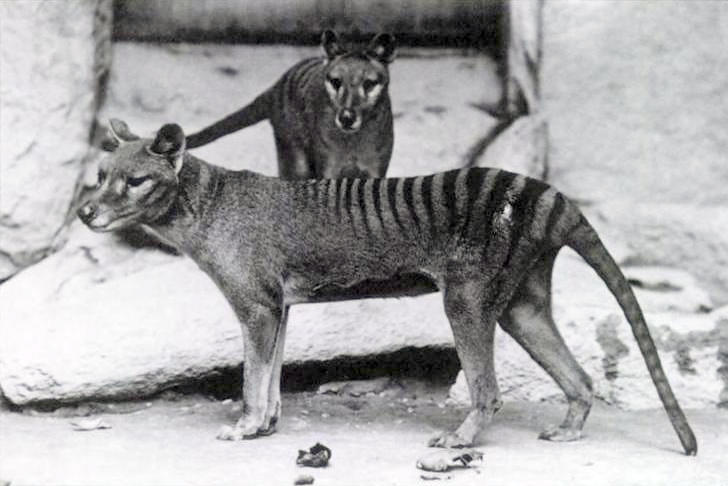
In 1989, Allan Wilson and Svante Paabo analyzed DNA of the now-extinct Tasmanian tiger to demonstrate they could…
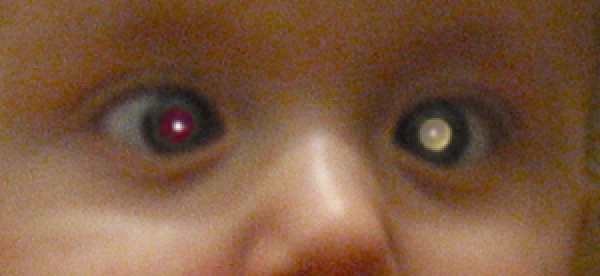
On Nov. 30, 1987, scientists at the University of California at San Diego and Wills Eye Hospital announced…
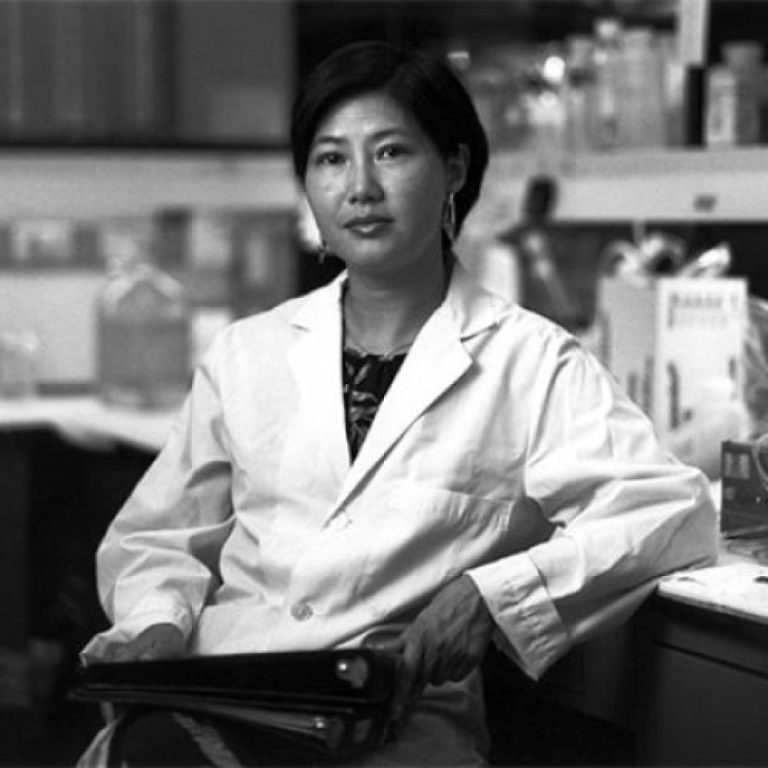
In 1985, virologist Flossie Wong-Staal became the first person to clone HIV, which led to the development of…
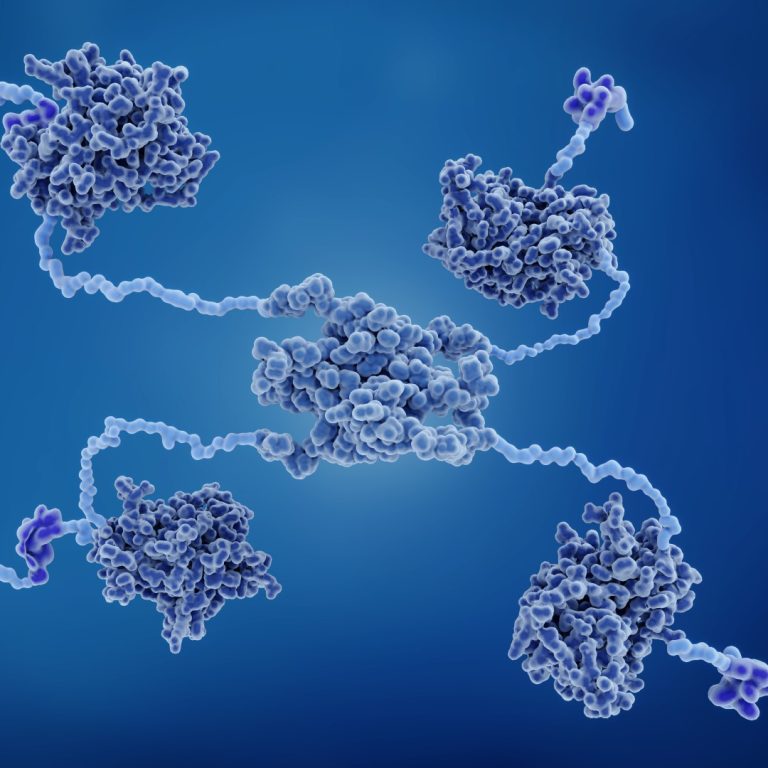
On Dec. 20, 1984, a team of scientists announced that a cDNA clone for human p53 cellular tumor…
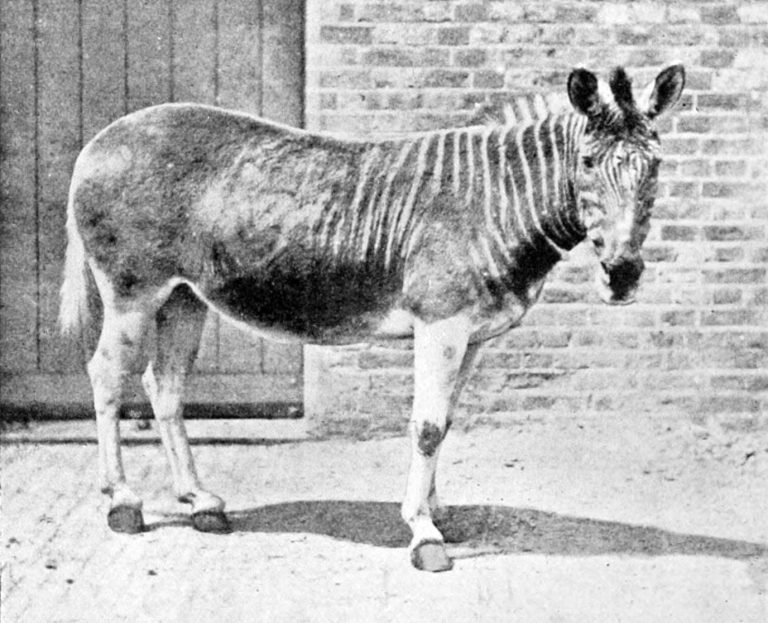
On Nov. 15, 1984, Allan Wilson and Russell Higuchi of the University of California at Berkeley become the…
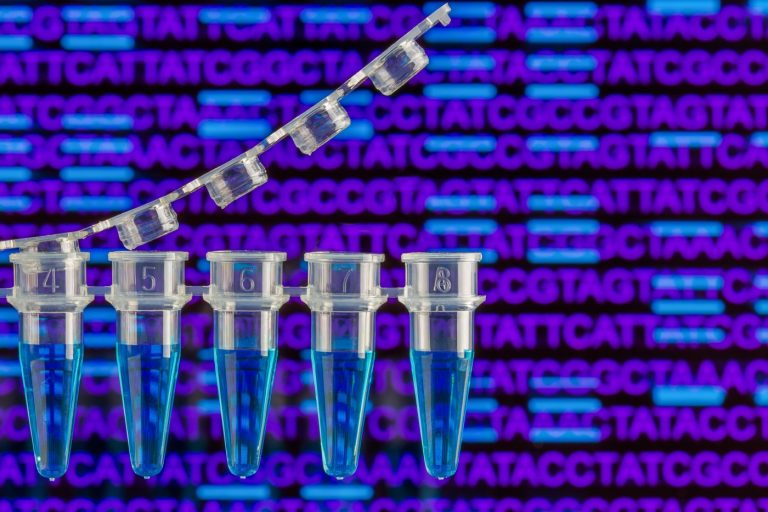
In 1983, the Restriction Fragment Length Polymorphisms (RFLPs) was uncovered by the use of restriction endonucleases which cleave…