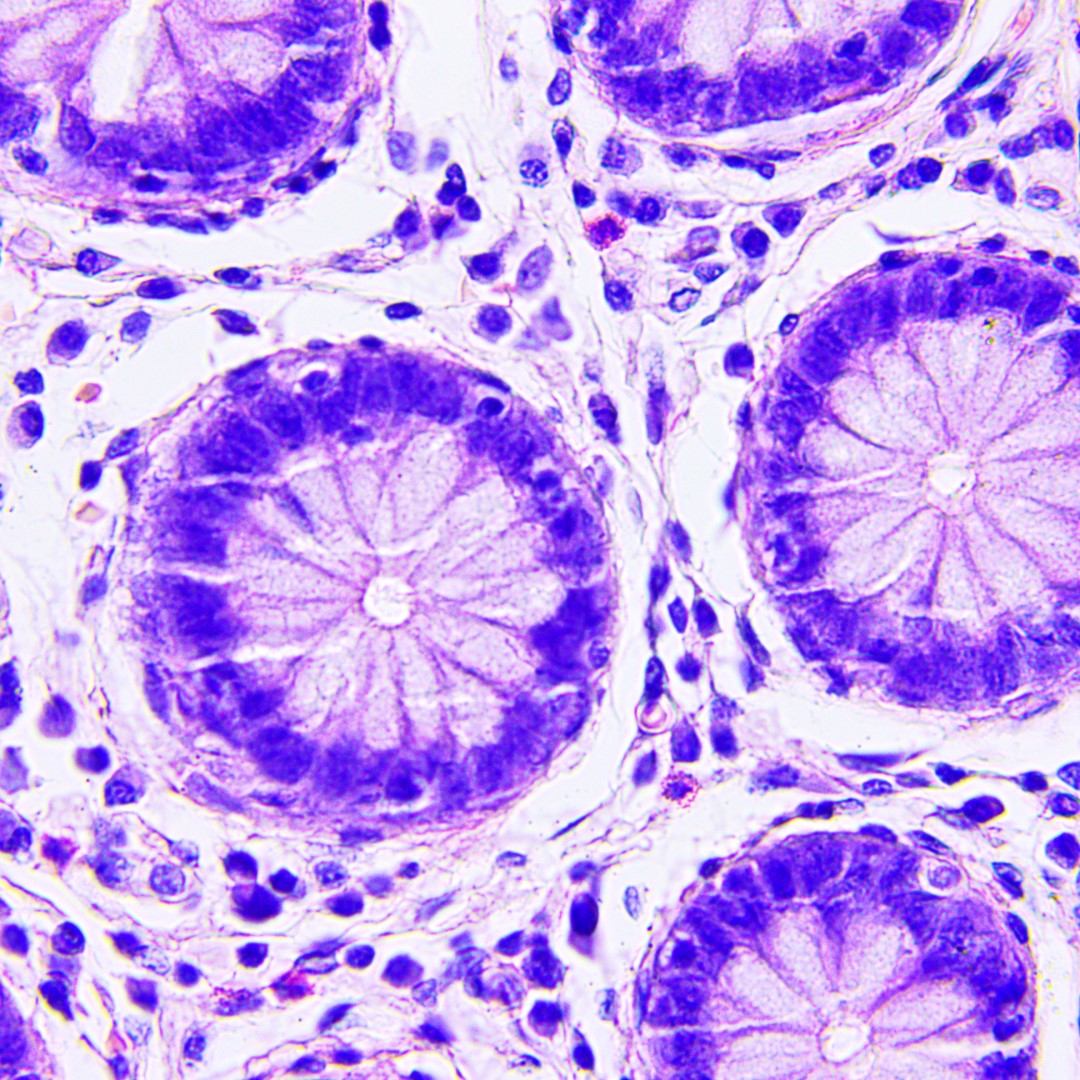
The first gene associated with hereditary nonpolyposis colon cancer was cloned (hMSH2)
On May 7, 1993, the first gene associated with hereditary nonpolyposis colon cancer (HNPCC) was cloned (hMSH2). People with HNPCC are at increased risk of developing colon cancer.
An international consortium that included Bert Vogelstein, MD from Johns Hopkins, together with Albert de la Chapelle, Lauri Aaltonen and Paivi Peltomaki from Finland (and others who provided the appropriately identified families), were using microsatellite markers in an extensive linkage analysis study on familial clusters of CRC.
On one afternoon in the spring of 1993 (specifically 3:45 PM on Saturday March 13), Lauri Aaltonen identified significant linkage for Lynch Syndrome on chromosome 2p, using the microsatellite marker, D2S123 (which was the 345th marker analyzed in this study). The move from complete darkness to light occurred with an astonishingly quick stroke of discovery. The presumption was that a tumor suppressor gene was in the vicinity of D2S123, and the logical experiment was to look for LOH in the CRC tissue from an affected patient. Instead of LOH, they found MSI.
The presumption was that a tumor suppressor gene was in the vicinity of D2S123, and the logical experiment was to look for LOH in the CRC tissue from an affected patient. Instead of LOH, they found MSI. The 3 papers (one from Thibodeau and two from the international consortium) all appeared in the same issue of Science on May 7, 1993. The entire world of hereditary CRC was turned upside down, as there was, for the first time, a clue regarding the molecular basis of this disease. Perucho, who had initially noted MSI and proposed a separate pathway, had his paper published a few weeks later, on June 10, 1993, quite unhappy about the delays produced by certain journal editors.
The speed of discovery increased substantially from that point. Interestingly, none of the initial discoverers of MSI recognized exactly how the autoradiograms they had produced were the key to understanding of the disease. Laboratories studying genetics in bacteria and yeast had previously discovered the DNA MMR system, and knew that if MMR genes were inactivated by mutation in microorganisms, it resulted in widespread mutations at microsatellite sequences.
Tags:
Source: U.S. National Library of Medicine
Credit: