The Sarah Cannon Research Institute was established
In 2004, the Sarah Cannon Research Institute was formed to bring together community-based physicians, researchers and clinicians to…

In 2004, the Sarah Cannon Research Institute was formed to bring together community-based physicians, researchers and clinicians to…
On Oct. 9, 2003, a Canadian-led international clinical trial found that post-menopausal survivors of early-stage breast cancer who…
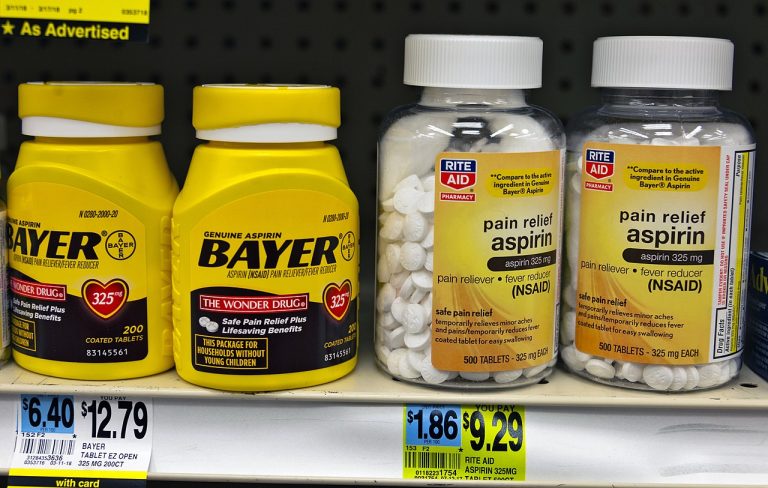
On Mar. 5, 2003, taking daily aspirin for as little as 3 years was shown to reduce the…
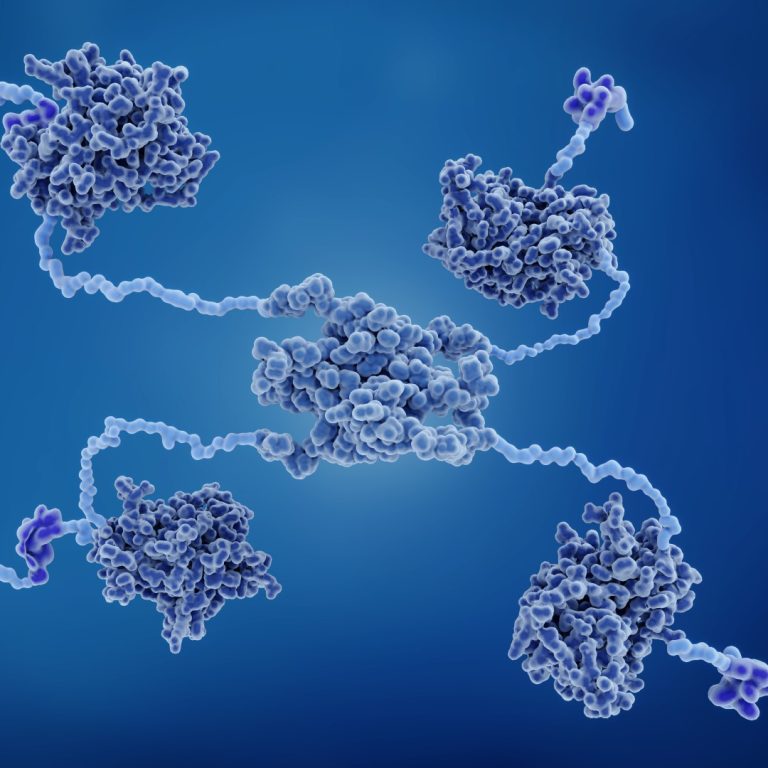
In 2003, China granted the world’s first regulatory approval of a gene therapy product, Gendicine (Shenzhen SiBiono GenTech),…
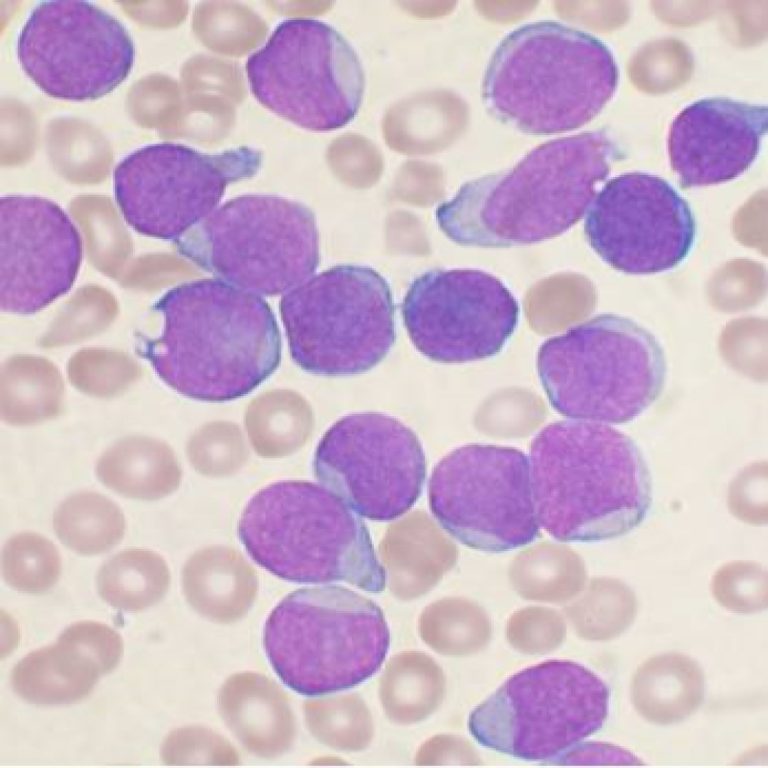
In 2001, the drug imatinib mesylate (Gleevec) was shown in a clinical trial to be effective against chronic…

On Dec. 16, 2002, researchers at Stanford University Medical Center announced they were continuing a multi-year clinical trial…
In 2001, the Stephenson Cancer Center was established. Located on the University of Oklahoma (OU) Health Sciences Center…

On Jun. 7, 2000, President Bill Clinton issued an Executive Memorandum that directed the Medicare program to revise…
On Apr. 6, 2000, a $60 million program was announced to address the unequal burden of cancer within…

On Oct. 20, 1997, the Food and Drug Administration (FDA) licensed a new rabies vaccine for both pre-exposure…

In 1997, the Penn Medicine’s Cancer Center was renamed the Abramson Cancer Center of the University of Pennsylvania…

In 1993, Bristol-Myers Squibb launched TAXOL (paclitaxel). The company invested hundreds of millions of dollars to supply TAXOL…
On Sept. 14, 1990, W. French Anderson and his colleagues at the National Institutes of Health (NIH) performed…

On Dec. 29, 1989, the U.S. Food and Drug Administration (FDA) approved Oculinum’s (onabotulinumtoxinA) for treatment of strabismus…
On Jan. 1, 1989, Targeted Genetics, an Immunex Corp. spin-off in Seattle. which specialized in gene therapy, a…

In 1986, Dr. Marilyn Hughes Gaston while deputy branch chief of the Sickle Cell Disease Branch at the…

In Dec. 1985, the first clinical tests were held at the University of Washington of erythropoietin (EPO), the…
On Jul. 16, 1983, the National Cancer Institute launched the Community Clinical Oncology Program (CCOP) to provide a…

In 1983, the National Cancer Institute’s Division of Resources, Centers and Community Activities was renamed the Division of…

In 1983, the Community Clinical Oncology Program, an National Cancer Institute (NCI) resource that links community-based physicians with…
On Apr. 27, 1981, a new Biological Response Modifiers Program was established in the Division of Cancer Treatment…
On Nov. 9, 1978, the first human testing of a biological therapy was conducted (alpha-interferon). The Cancer Research…

On Jul. 13, 1978, Ontario researchers published the results of a study led by Dr. Henry Barnett that demonstrated…
In 1977, the National Cancer Institute (NCI) established the first electronic registry of cancer clinical trials (CLINPROT). This…
In 1977, the U.S. Food and Drug Administration (FDA) established the Bioresearch Monitoring Program (BiMo) to develop cross-center…
In 1976, the Ohio State University Cancer Center (OSUCCC) received National Cancer Institute (NCI) comprehensive center designation. The…
In 1973, the Norris Comprehensive Cancer Center, now the University of Southern California Kenneth Norris Jr. Cancer Center…
In 1973, the Norris Cancer Center was designated a National Cancer Institute (NCI) Comprehensive Cancer Center, one of…
In 1970, Cisplatin, a platinum-containing anticancer compound with unique biologic effects, entered clinical trials. On Dec. 19, 1978,…

In 1970, Dr. Calvin Stiller conducted one of the first clinical trials studying the effectiveness of the immunosuppressive…