Lyme Disease Vaccine (Recombinant OspA) was licensed
On Dec. 21, 1998, the Lyme Disease Vaccine (Recombinant OspA), (LYMErix by SmithKline Beecham) was licensed for use…

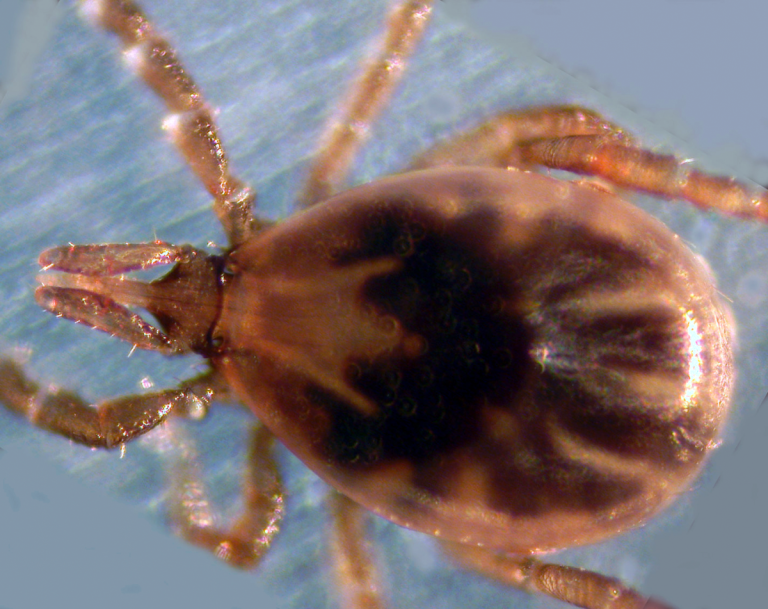
On Dec. 21, 1998, the Lyme Disease Vaccine (Recombinant OspA), (LYMErix by SmithKline Beecham) was licensed for use…

In 1998, Yale Cancer Center researchers discovered the gene, Survivin, which is linked to the detection of some…
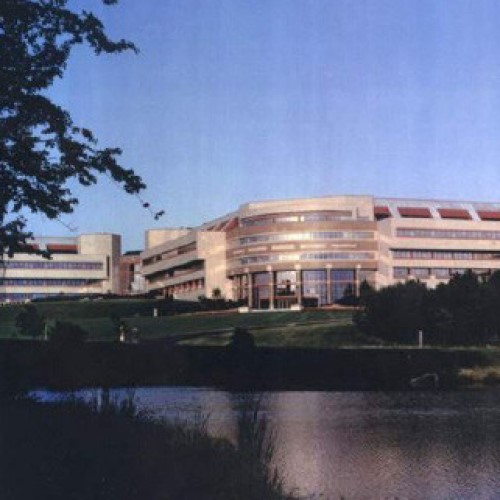
In 1995, Bristol-Myers’ Wallingford, Connecticut facility was named the Richard L. Gelb Center for Pharmaceutical Research and Development…
In 1990, Connecticut United for Research Excellence Inc. (CURE) was founded. CURE was a statewide coalition of educational…

In 1989, Connecticut Innovations (CI), created by the Connecticut Legislature, provides strategic capital and operational support to advanced…
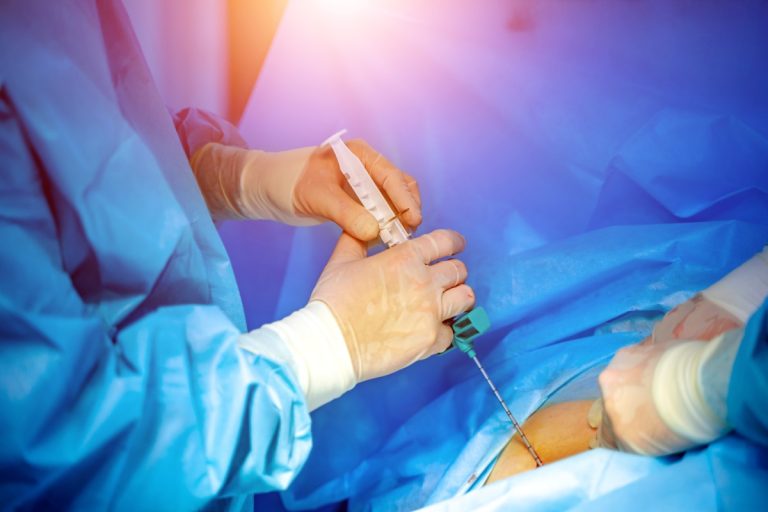
In 1988, oncologists from Yale Cancer Center performed the first bone marrow transplant in Connecticut at the Yale-New…
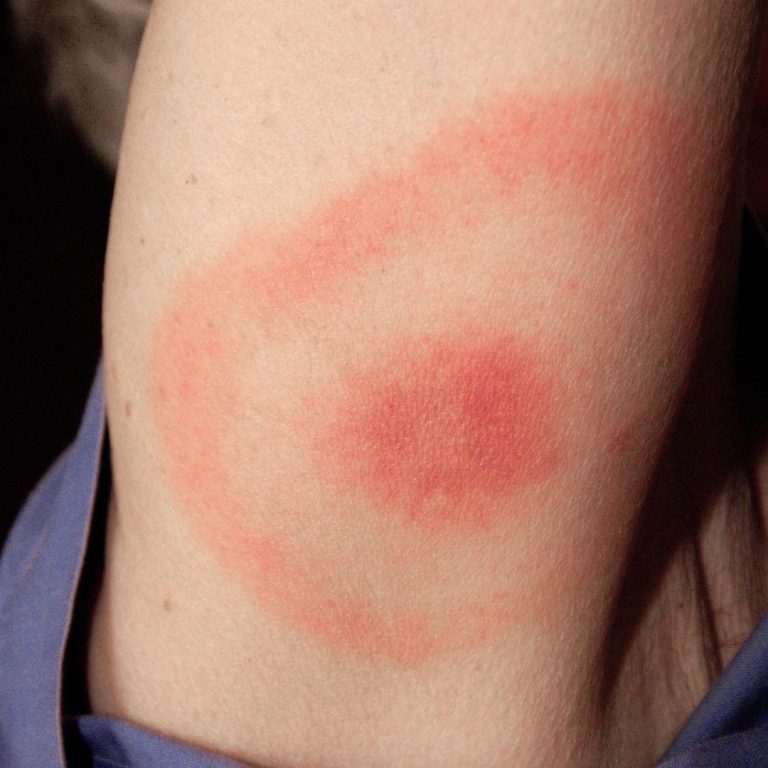
In 1982, the U.S. Centers for Disease Control and Prevention (CDC) launched a national surveillance for tick-borne Lyme…
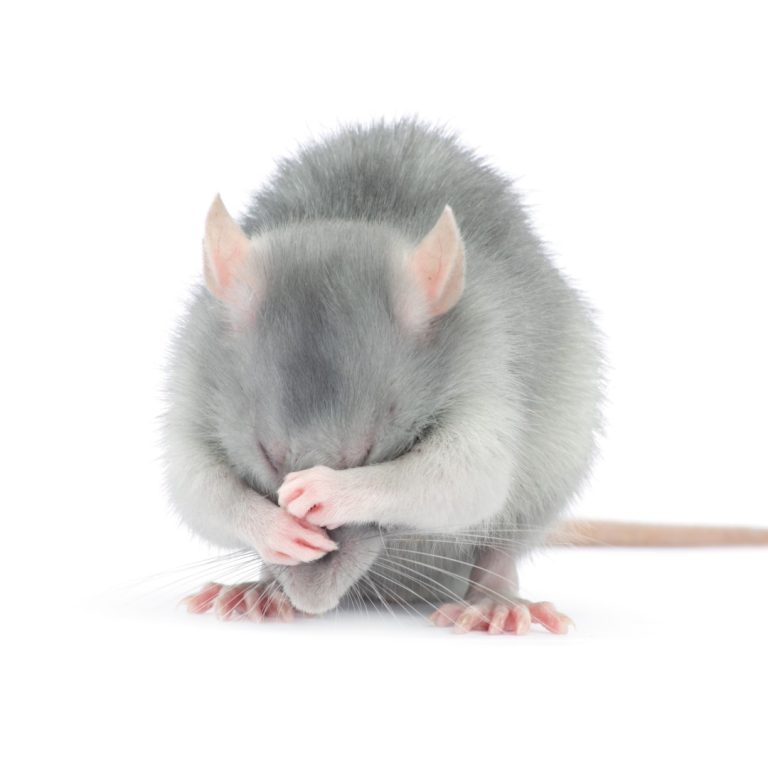
On Jul. 9, 1981, Frank Ruddle from Yale University, Frank Costantini and Elizabeth Lacy from Oxford, and Ralph…
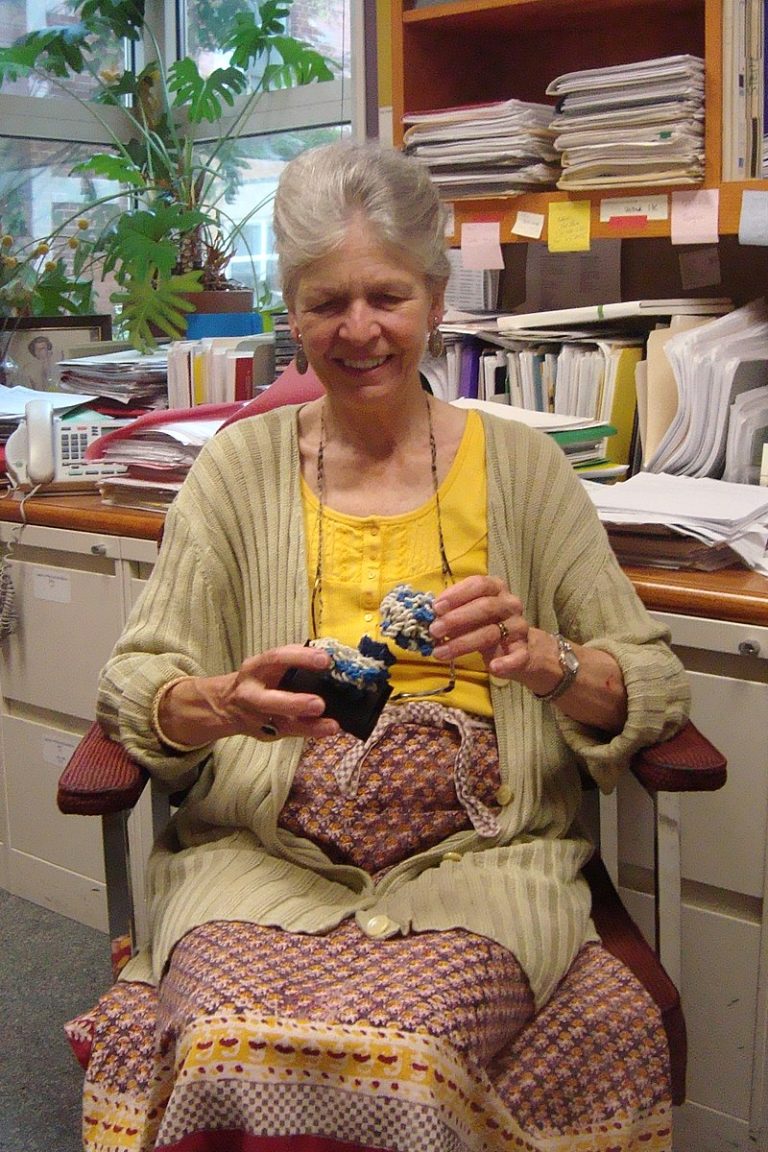
In 1979, Joan Steitz discovered snRNPs, RNA-protein complexes in the cell’s nucleus that perform a crucial step in…
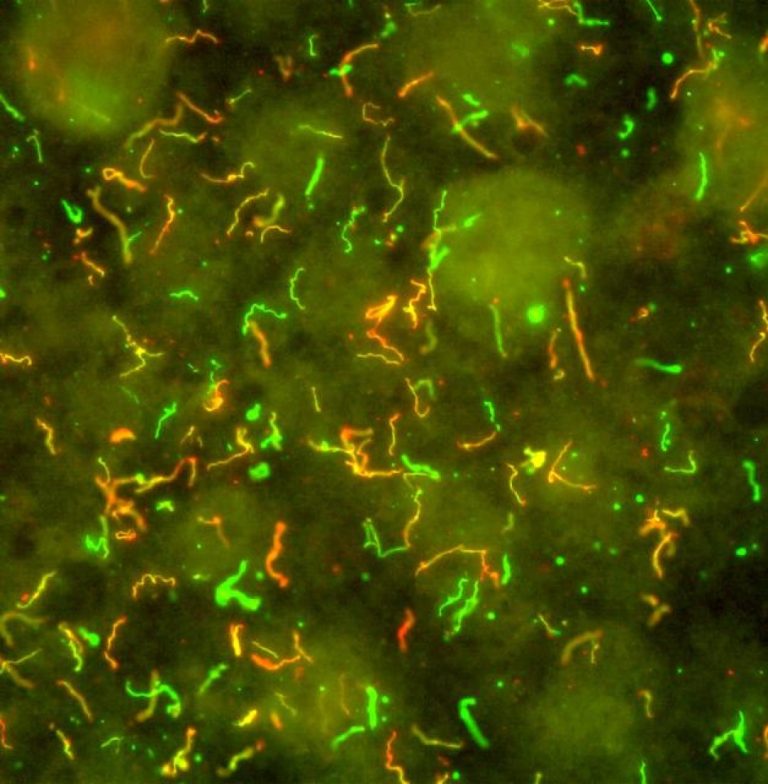
In 1975, Lyme Disease was identified and named at Yale University. The spirochete that causes Lyme disease was…
In 1974, Yale Cancer Center received a National Cancer Institute (NCI) designated comprehensive cancer center status, the only…
In 1965, Yale established the first university-based department of clinical pharmacology and chemotherapy in the United States (the…

In 1963, Yale New Haven Hospital (then Grace-New Haven) installed the first linear accelerator in Connecticut for cancer…

In 1959, William Prusoff of Yale University discovered idoxuridine, the first effective antiviral that fights herpes by interfering…
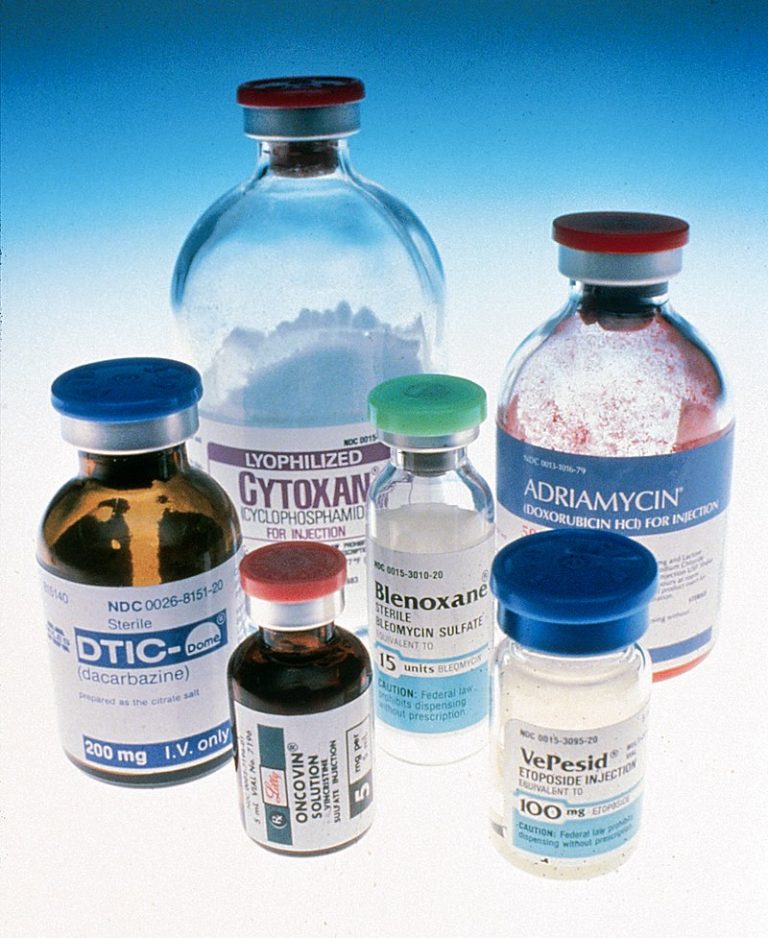
In 1953, Yale established the first pharmacology department in the U.S. to focus on cancer chemotherapy and cancer…
In 1949, the first artificial heart pump was developed at Yale by William H. Sewell and William W….
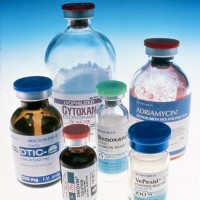
In 1942, the first intravenous chemotherapy treatment of a cancer patient was performed at Yale.

In 1942, Yale cancer research began when the first use of a cancer drug was administered to a…
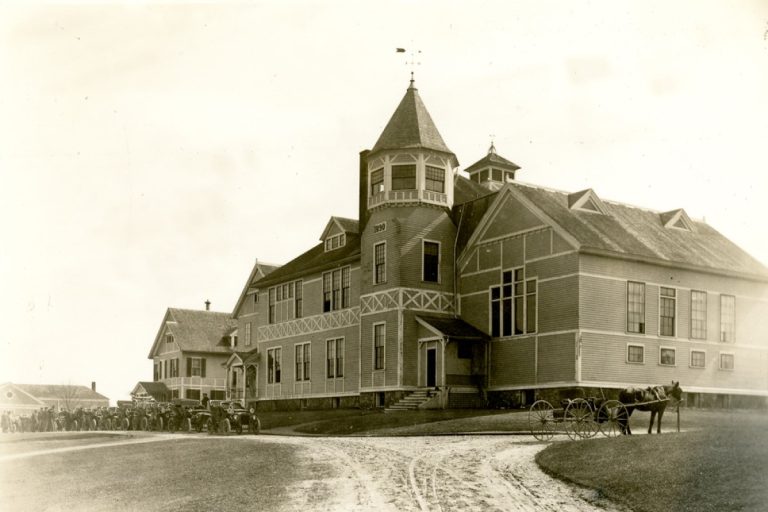
On Jul. 1, 1939, Storrs Agricultural School became the University of Connecticut. Many in the University community believed…
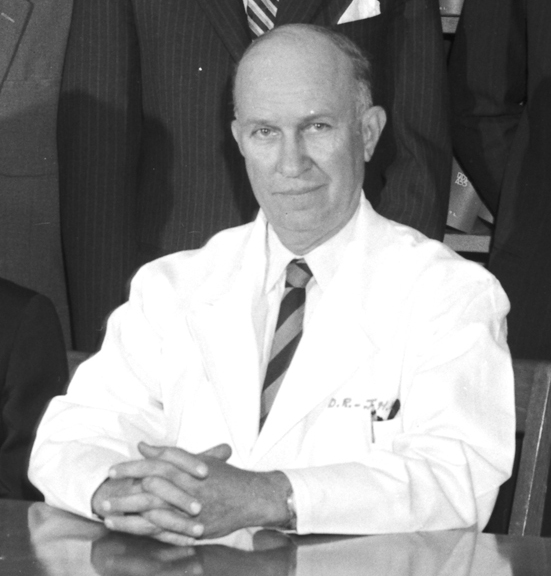
On Dec. 24, 1936, John Lawrence, known as the “father of nuclear medicine,” treated a a 28-year-old patient…
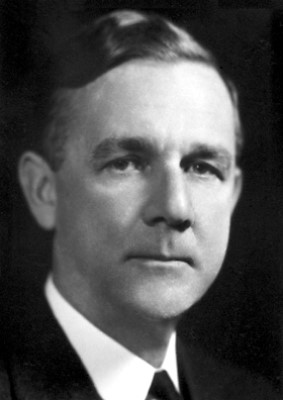
In 1934, George Hoyt Whipple, a graduate of Yale University (A.B. 1900), was awarded the 1934 Nobel Prize…
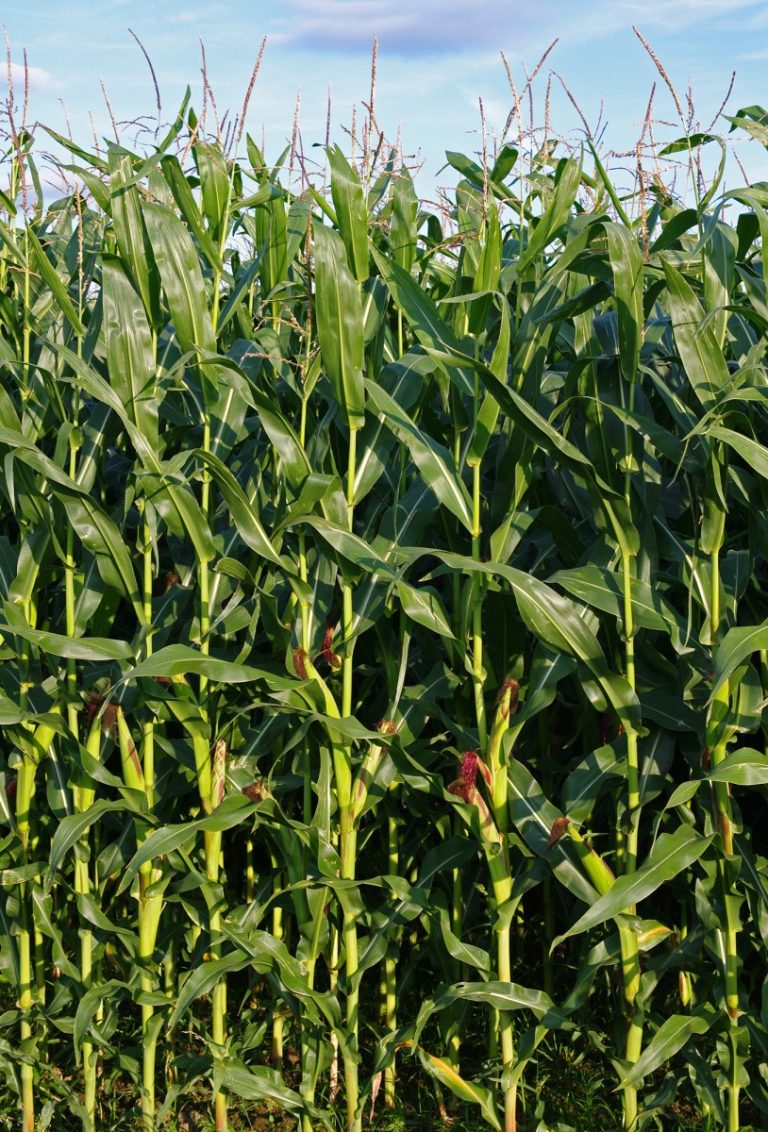
In 1918, geneticist Donald Jones invents the double-cross (the crossing of two single crosses) that moves hybrid corn…
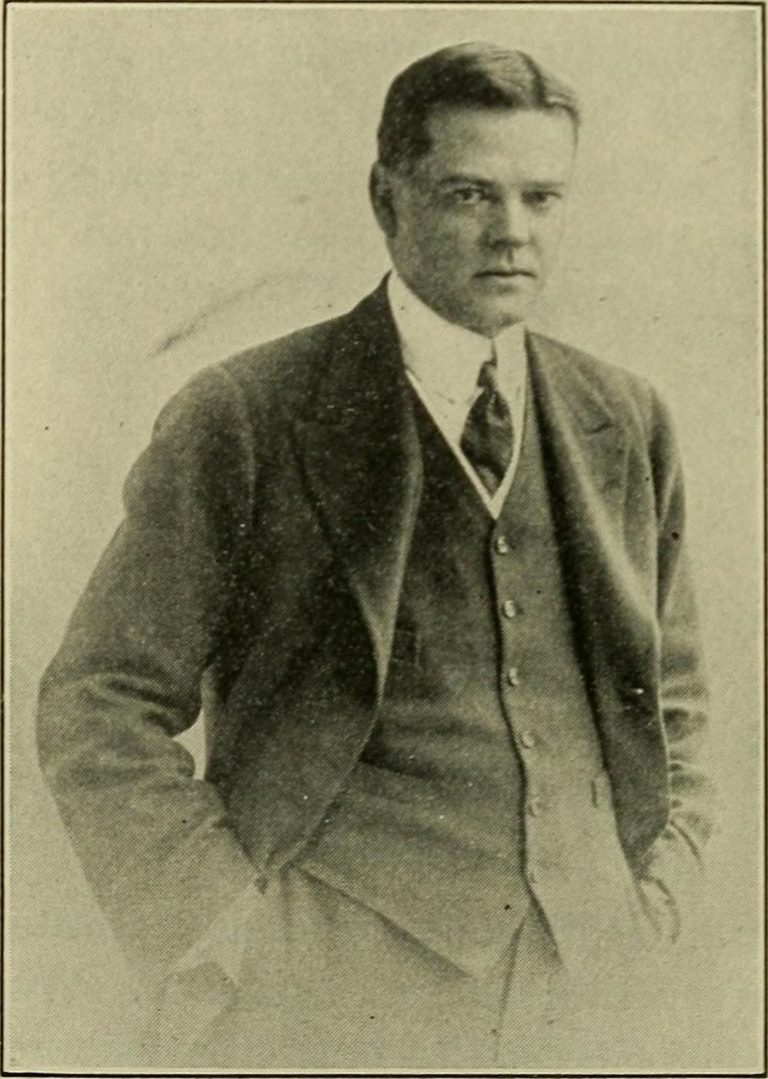
In 1914, Yale University received an endowment from the Anna M. R. Lauder family to establish a chair…
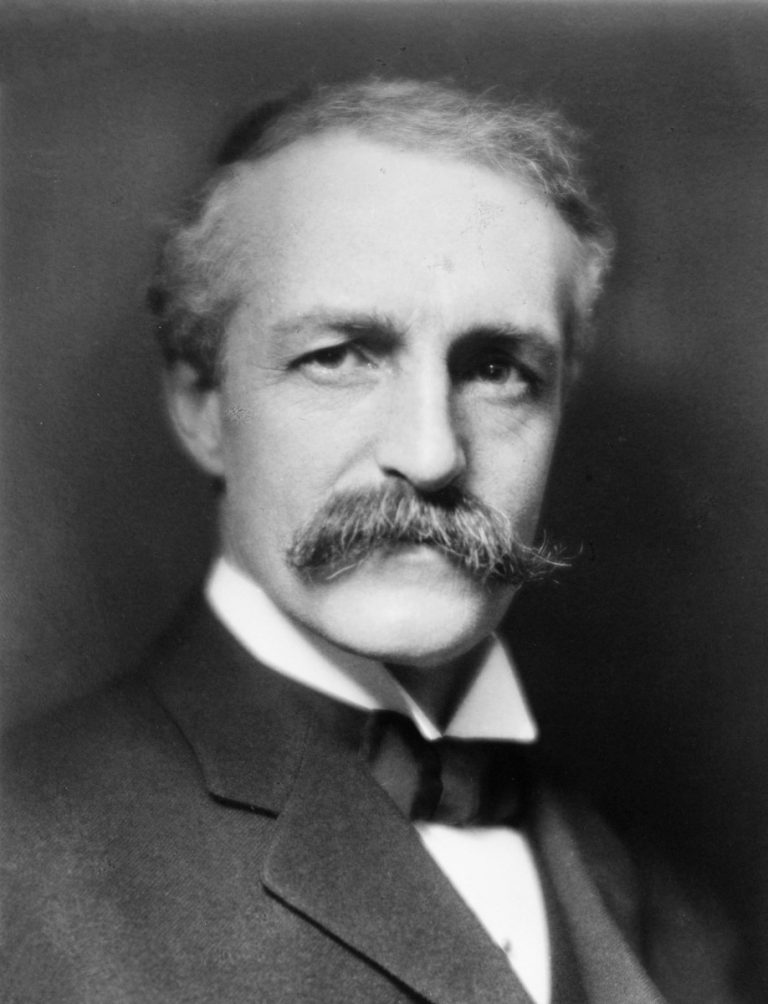
In 1900, the Yale Forestry School, now the School of Forestry & Environmental Studies, was established as the…
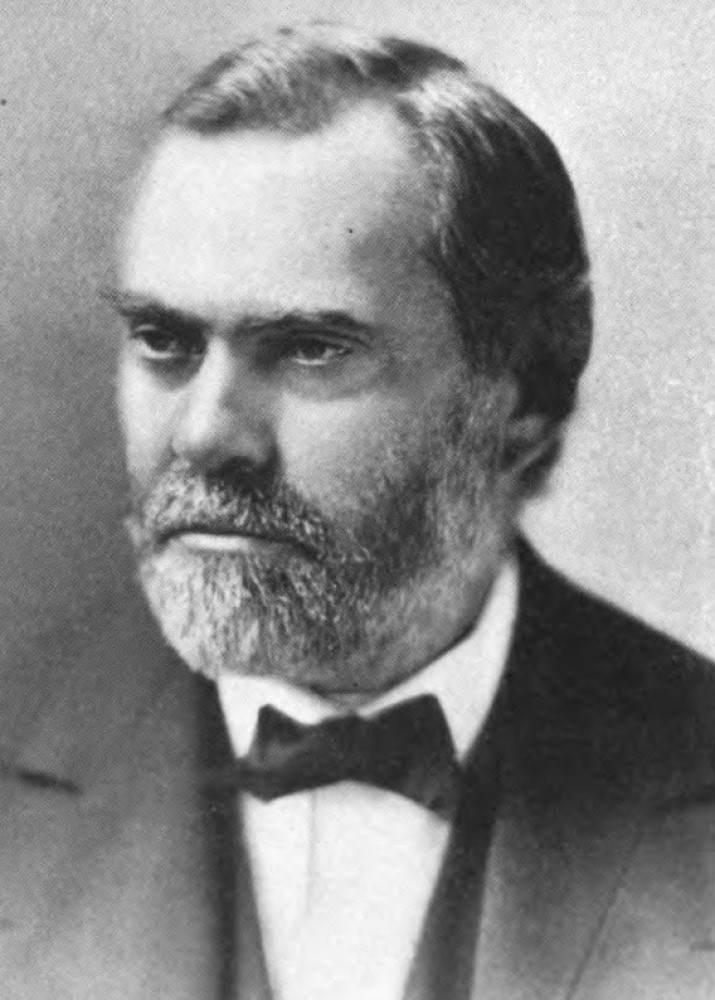
In 1899, Storrs Agricultural College became Connecticut Agricultural College. Storrs Agricultural School was founded in 1881 and was…
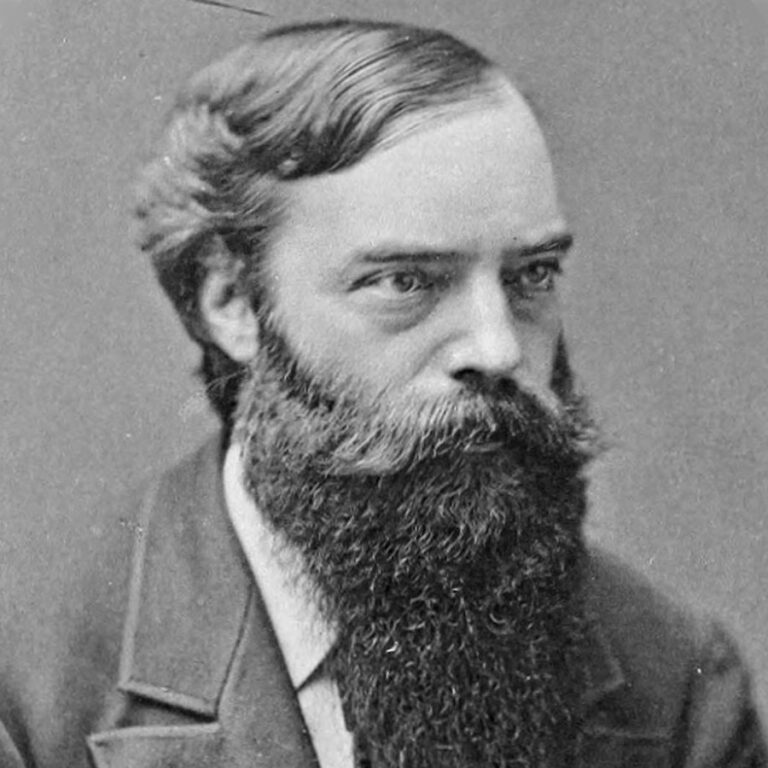
On Feb. 5, 1896, Dr. Arthur Williams Wright of Yale University is credited with producing some of the earliest…

In 1887, Yale College became Yale University. Yale University was founded in 1701 as the Collegiate School in…
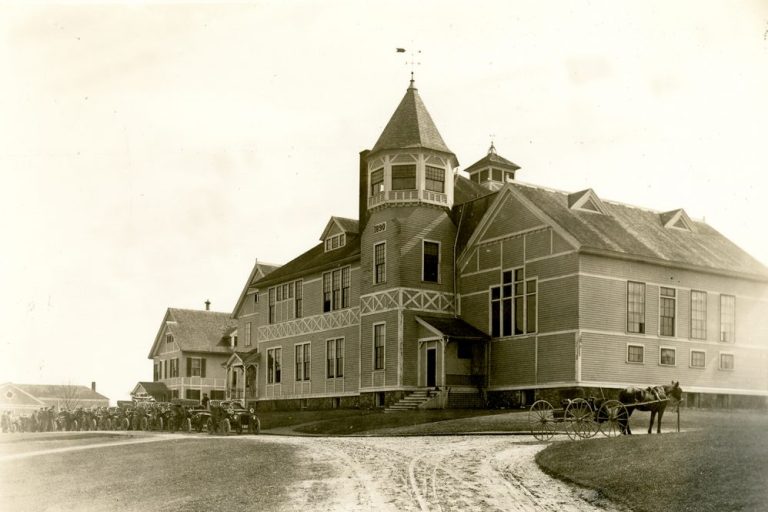
On Sept. 28, 1881, Storrs Agricultural School (University of Connecticut) opened its doors with three faculty members and…
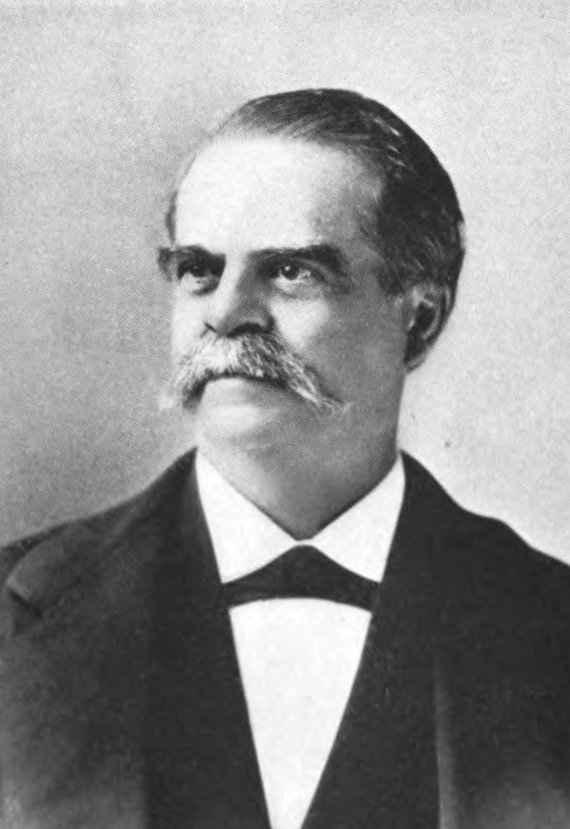
On Apr. 21, 1881, the University of Connecticut began with a gift. In 1880, brothers Charles and Augustus…
In 1847, the Yale College Graduate School of Arts and Sciences was founded as the ‘Department of Philosophy…