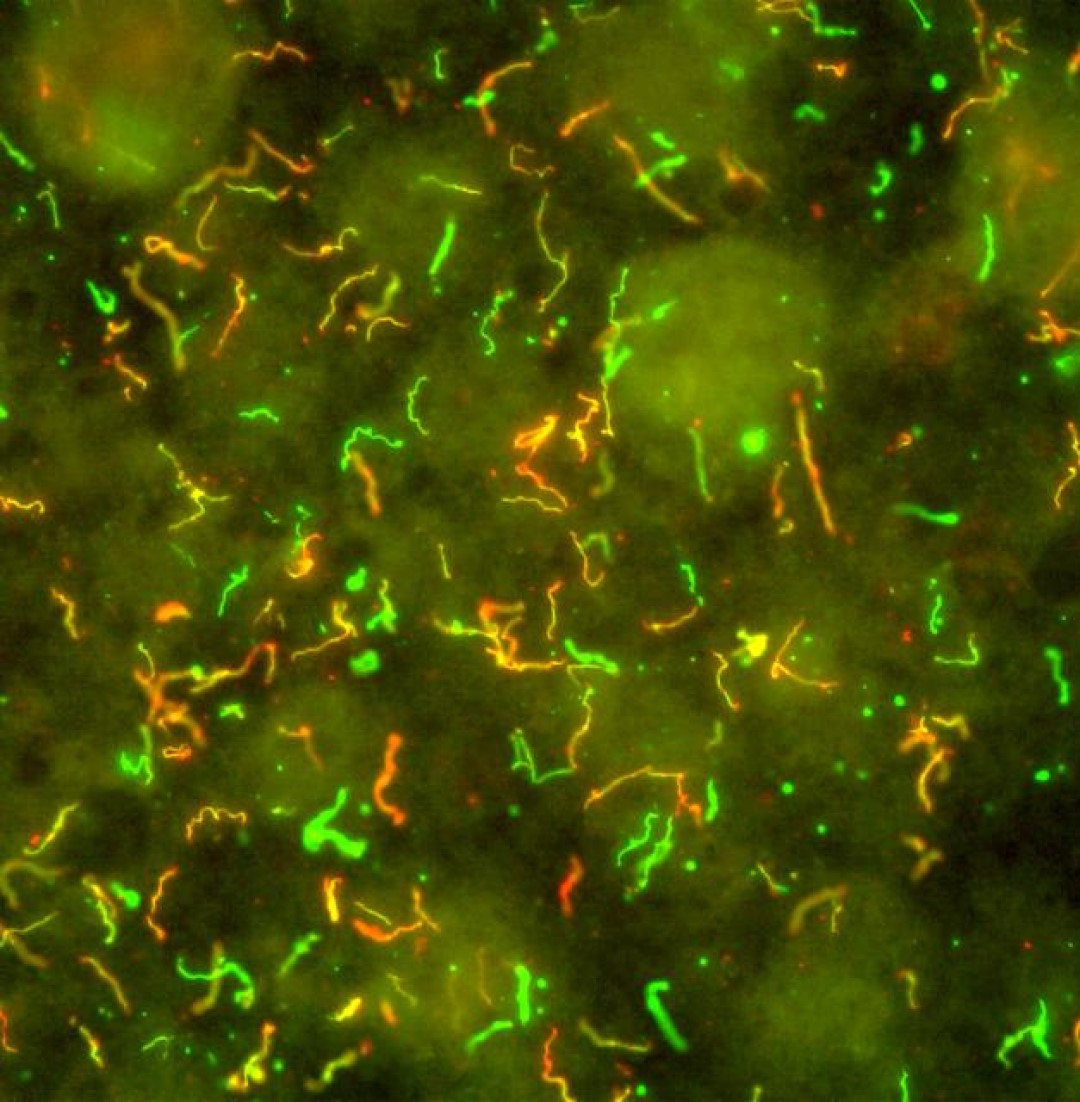
Lyme Disease was identified and named
In 1981, researcher William Burgdorfer, Ph.D., at the National Institute for Allergy and Infectious Diseases (NIAID) Rocky Mountain Laboratories discovered spirochetes—a type of slim, spiral bacteria—in the midguts of deer ticks prevalent in the forests near where the infections were occurring. With further laboratory testing, he and colleagues at NIAID found that the bacteria, passed to humans via tick bites, were causing the mysterious Lyme disease, which is now recognized as the most common tick-borne illness in both the EU and USA.
The spirochete that causes Lyme disease was named after Dr. Burgdorfer—Borrelia burgdorferi—and since his seminal 1982 paper on its discovery more than 6,000 studies on clinical, epidemiological, and bacterial aspects of this disease have been published. With the knowledge that Lyme disease is carried by a bacterium, most patients treated with antibiotics can now achieve a full recovery.
Lyme disease is a problem of increasing national and international concern that merits continual and improved surveillance. Clinical studies to further define complications of the disease and to evaluate treatment regimens are needed. Public health education can help alert people to the symptoms of Lyme disease and to the importance of avoiding tick bites. The development of other effective primary preventive measures, particularly vector control, is essential.
Tags:
Source: National Institutes of Health
Credit: