The North Carolina Award for Science was established by the General Assembly
On Jun. 22, 1961, the North Carolina Award for Science, the state’s highest civilian honor, was established by…
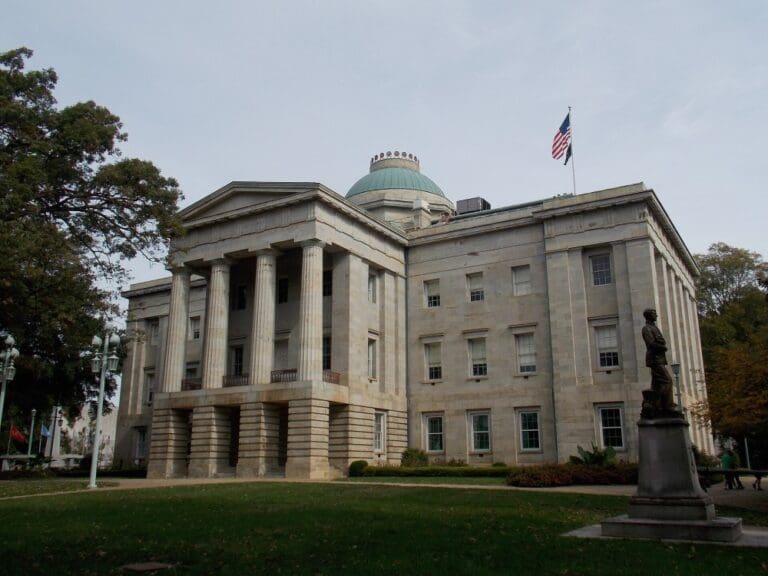
On Jun. 22, 1961, the North Carolina Award for Science, the state’s highest civilian honor, was established by…
On Jan. 12, 1961, the National Cancer Institute (NCI) established the Laboratory of Viral Oncology, a new intramural…
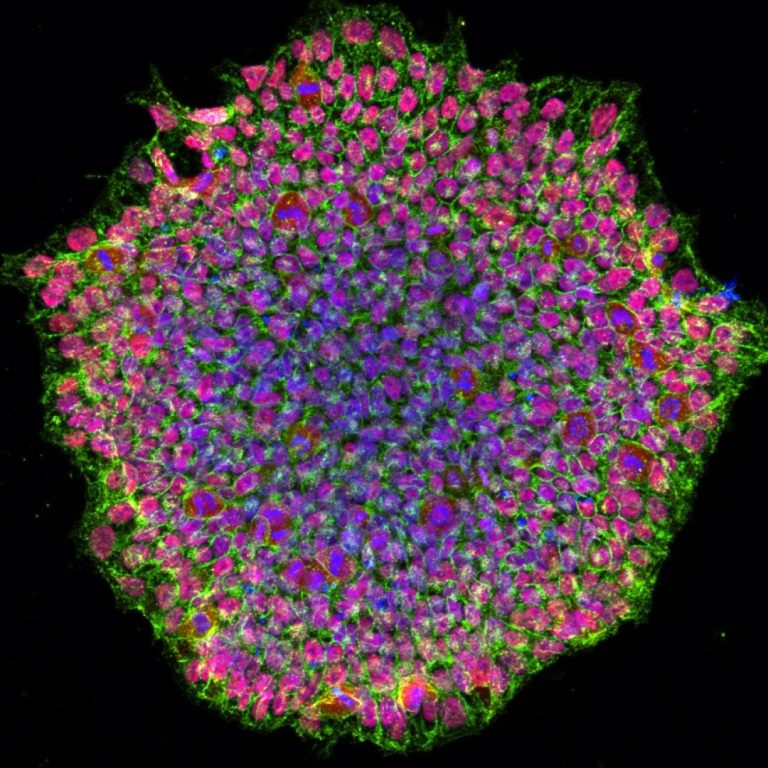
On Nov. 10, 1960, James Edgar Till and Ernest Armstrong McCulloch submitted their seminal paper “A Direct Measurement…
On Aug. 12, 1960, visiting professor, Dr. E. Donnall Thomas performed a bone marrow transplant at University of…
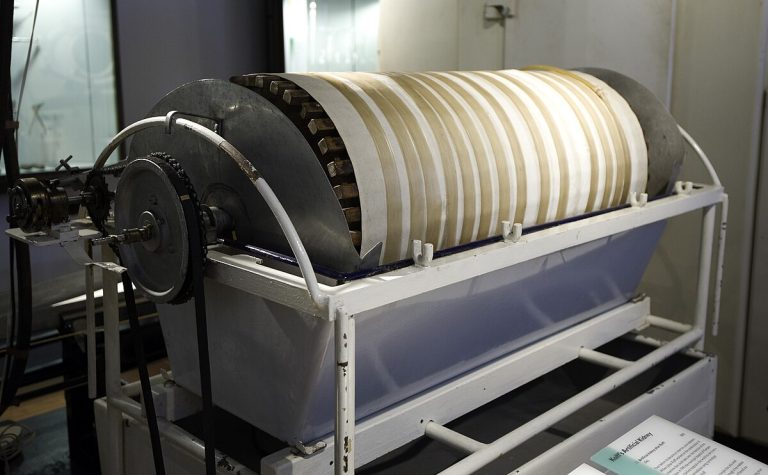
On Mar. 9, 1960, In Seattle the world’s first long-term dialysis patient Clyde Shields was treated on an…
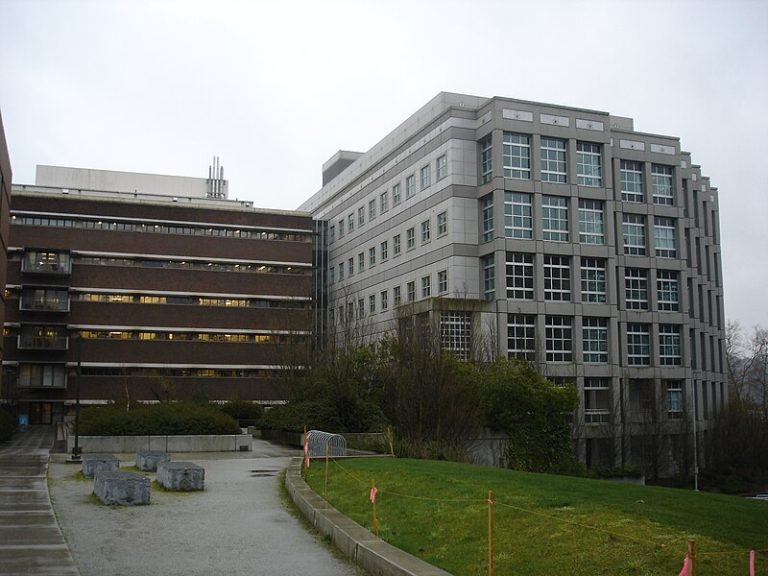
On May 4, 1959, the first major addition to the University of Washington Health Sciences Building, an eight-story,…
In 1959, Lester R. Sauvage, MD founded the Reconstructive Cardiovascular Research Laboratory as a branch of Providence Seattle…
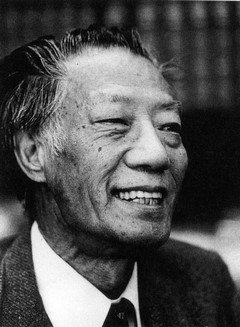
In 1959, Min Chueh Chang pioneered in vitro fertilization. He was also co-inventor of the oral contraceptive pill….
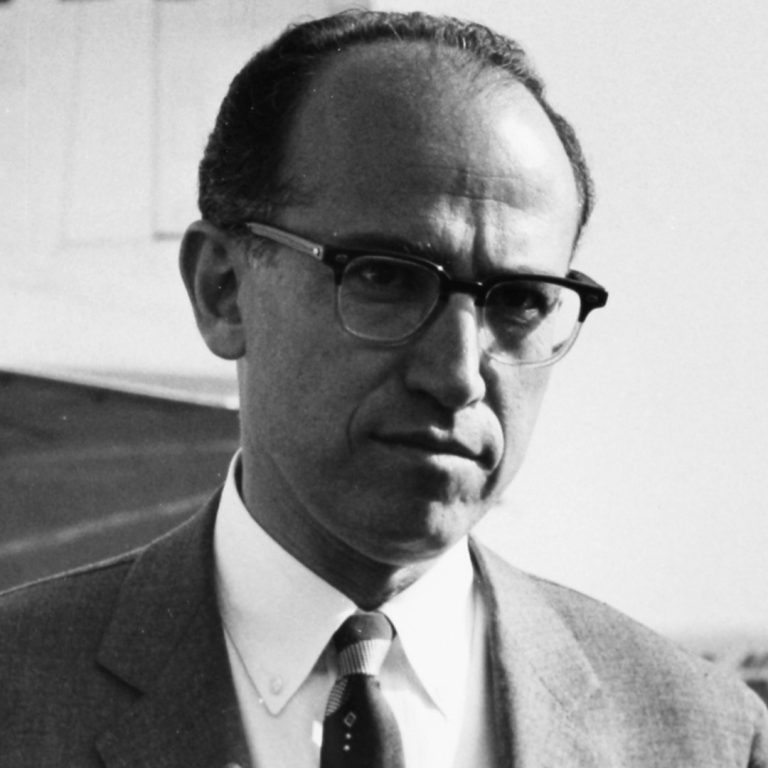
In 1959, the Salk Institute was initially envisioned by Jonas Salk, M.D., the developer of the polio vaccine,…

In 1959, Arnel Hallauer became director of Iowa State University’s (ISU) maize breeding program. Hallauer was part of…
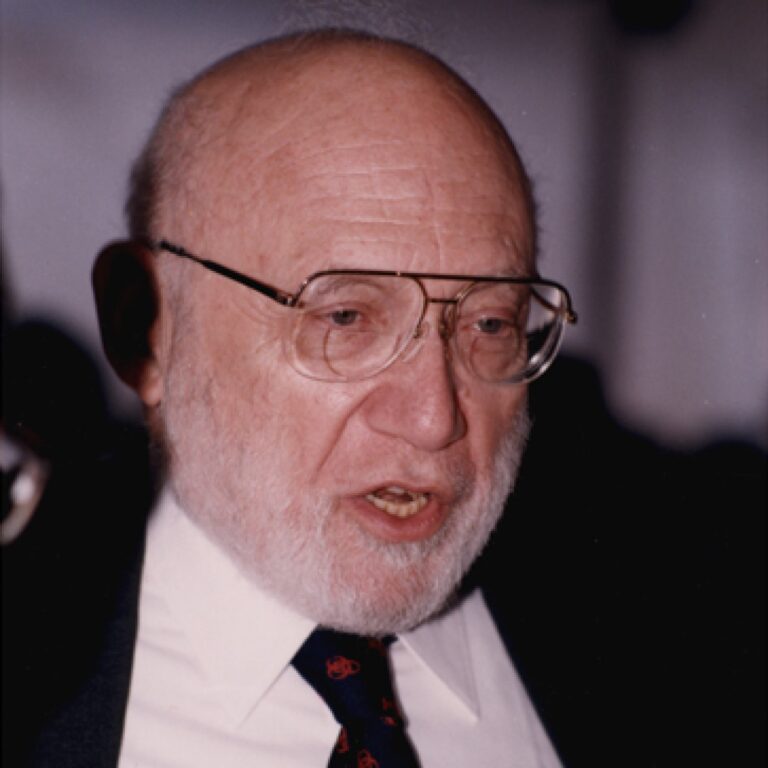
In 1958, Joshua Lederberg, an American molecular biologist known for his work in genetics, artificial intelligence, and space…
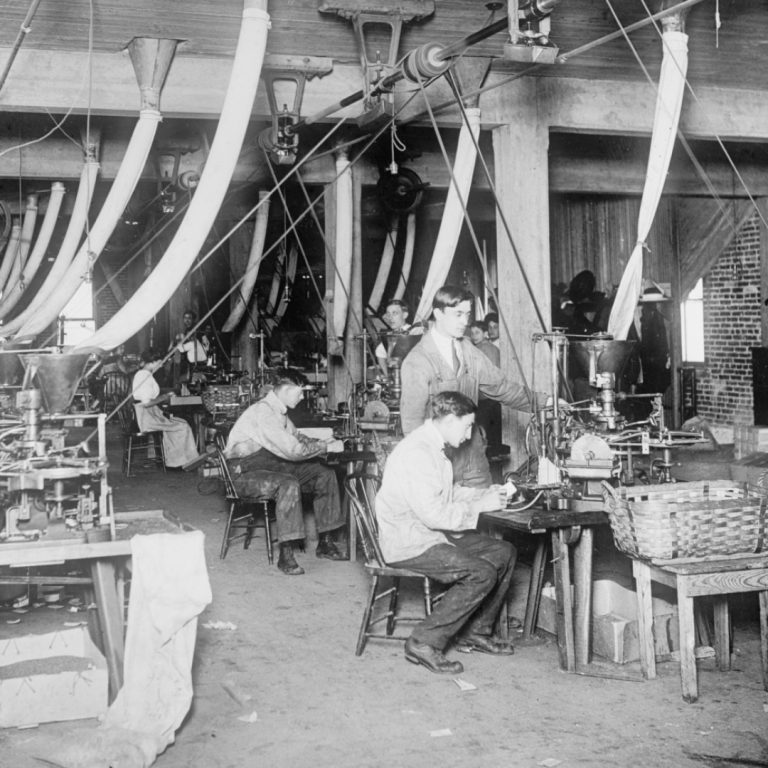
In 1958, the National Seed Storage Laboratory (NSSL), the first long-term seed storage facility in the world, opened…
On Sept. 10, 1957, the first Nevada Southern (University of Nevada, Las Vegas, aka UNLV) classes were held…
In 1957, the University of Washington’s (UW) Division of Medical Genetics was established in the Department of Medicine…
On Oct. 19, 1956, the Pacific Northwest Diabetes Research Institute (PNDRI) was founded by William B. Hutchinson, Sr.,…
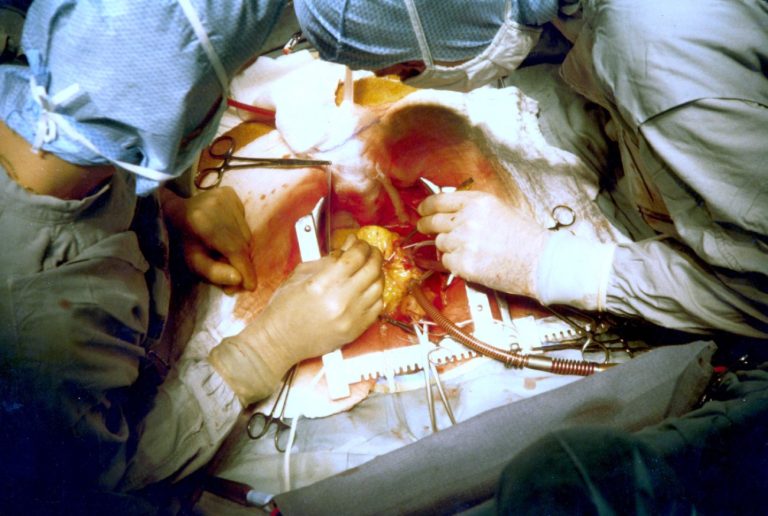
On Aug. 1, 1956, Dr. K. Alvin Merendino at the University of Washington in Seattle performed the first successful…
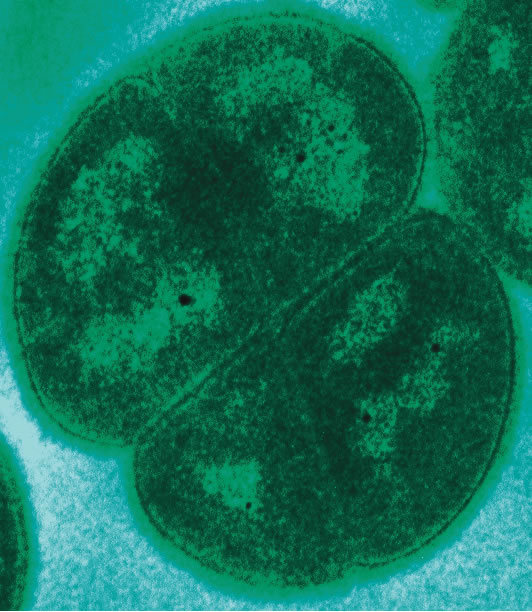
In 1956, Deinococcus (Micrococcus) radiodurans strain R1 (ATCC BAA-816), the most radiation-resistant organisms yet discovered, was first reported…
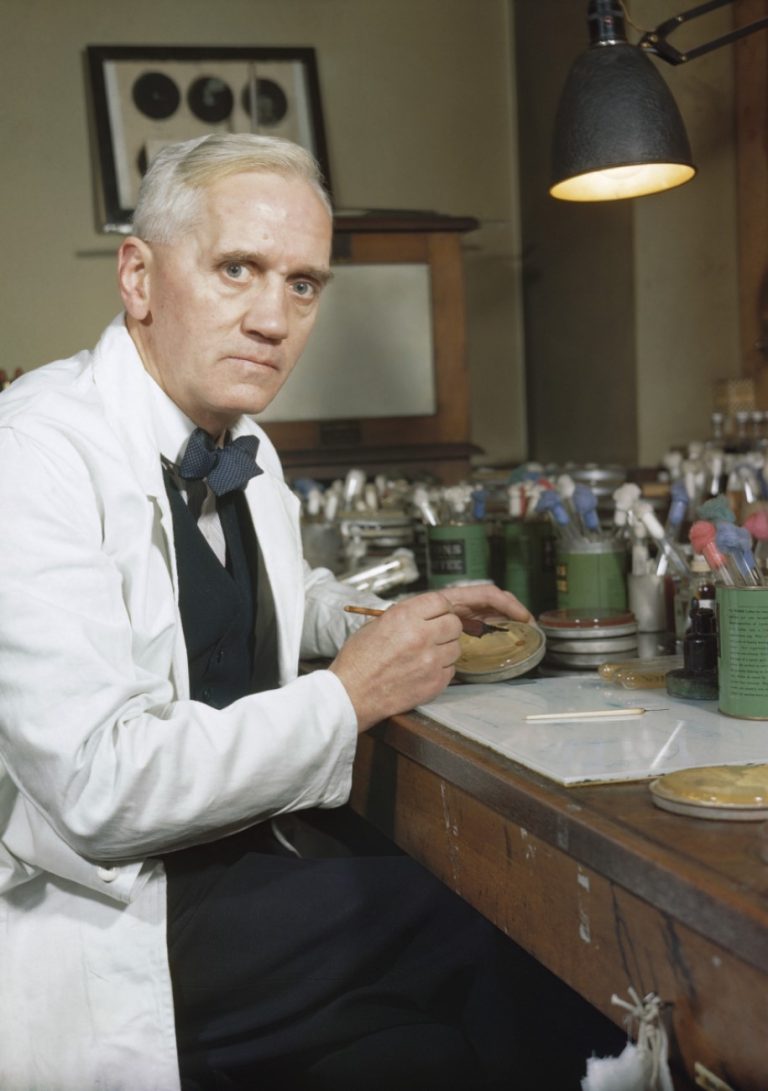
In 1956, seven students participated in the Oklahoma Medical Research Foundation Summer Scholar Program which was originated by…
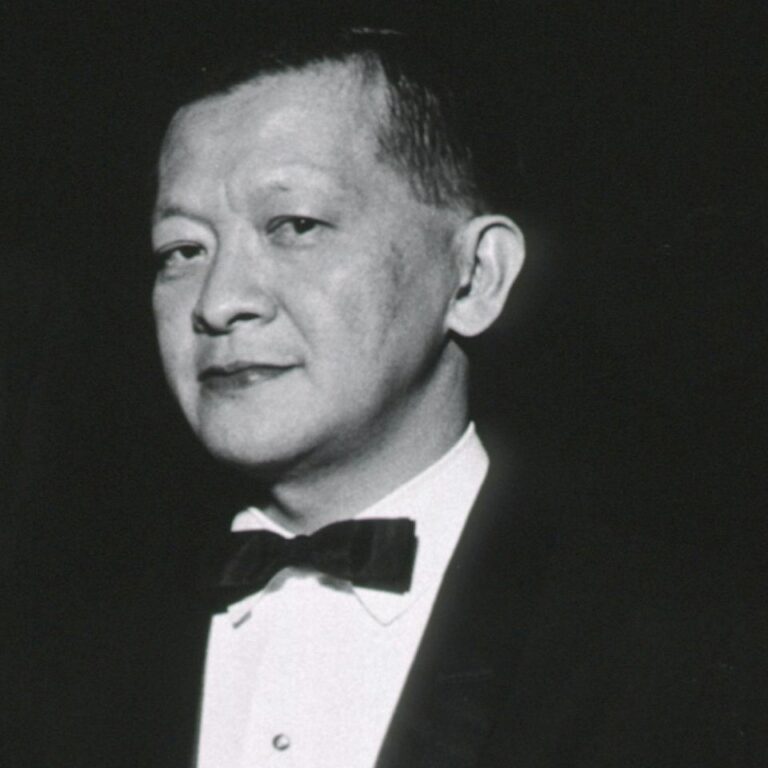
On Dec. 22, 1955, Dr. Joe Hin Tjio defined 46 as the exact number of human chromosomes. Tjio, an…
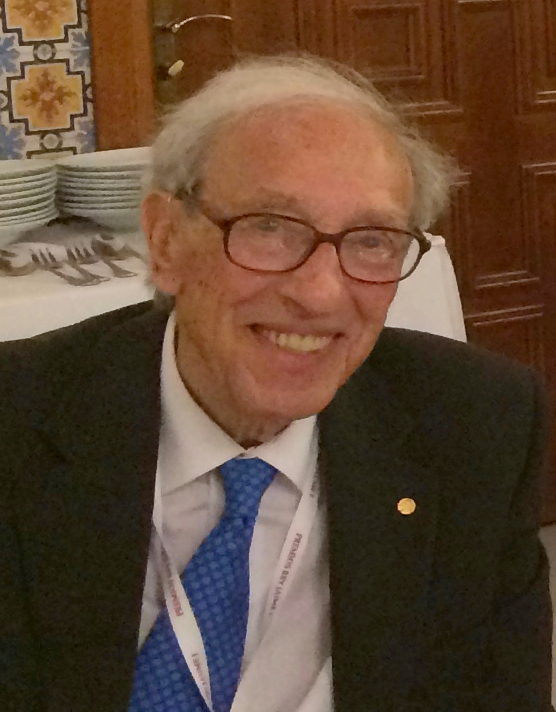
On Nov. 10. 1955, Dr. Edmond Fisher and Dr. Edwin Krebs of University of Washington’s School of Medicine…
On Sept. 12, 1955, the first class at new Albert Einstein College of Medicine began with 3 men…
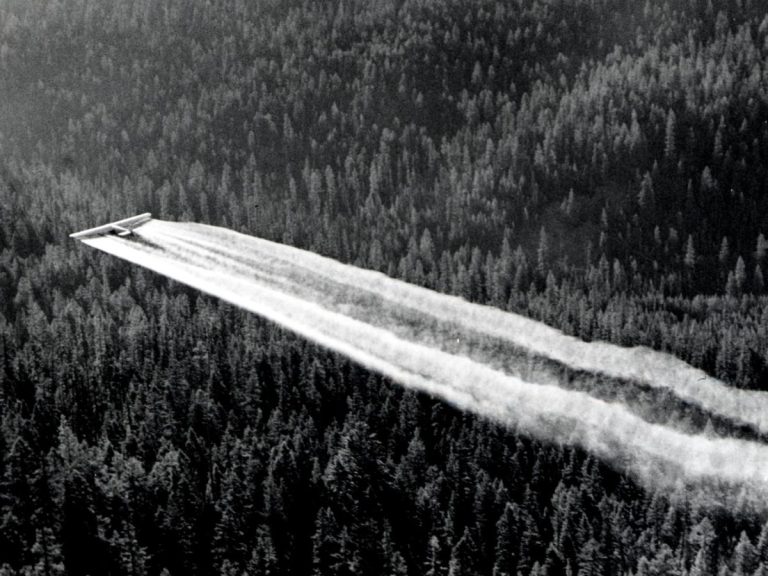
In Jul. 1955, the U.S. Department of Agriculture (USDA) and the U.S. Forest Service (USFS) sprayed DDT as…
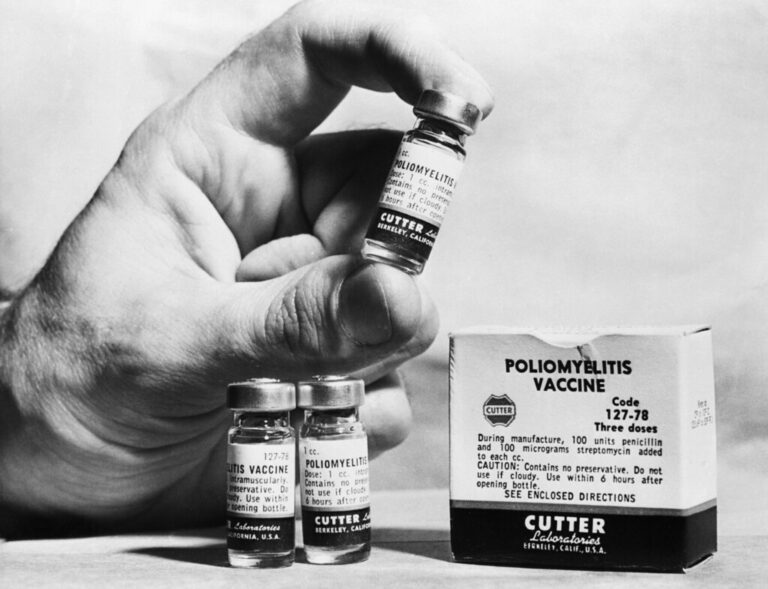
On Apr. 26, 1955, Officials first noticed an increase in reported polio cases in California. In April 1955…
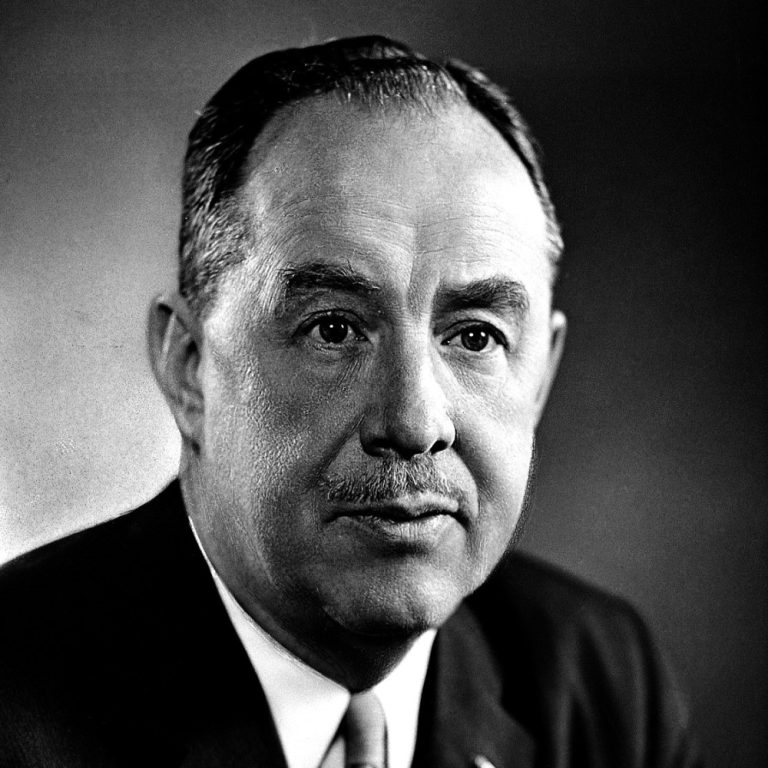
On Apr. 12, 1955, a convocation was held at the University of Michigan (UM), where Dr. Thomas Francis…
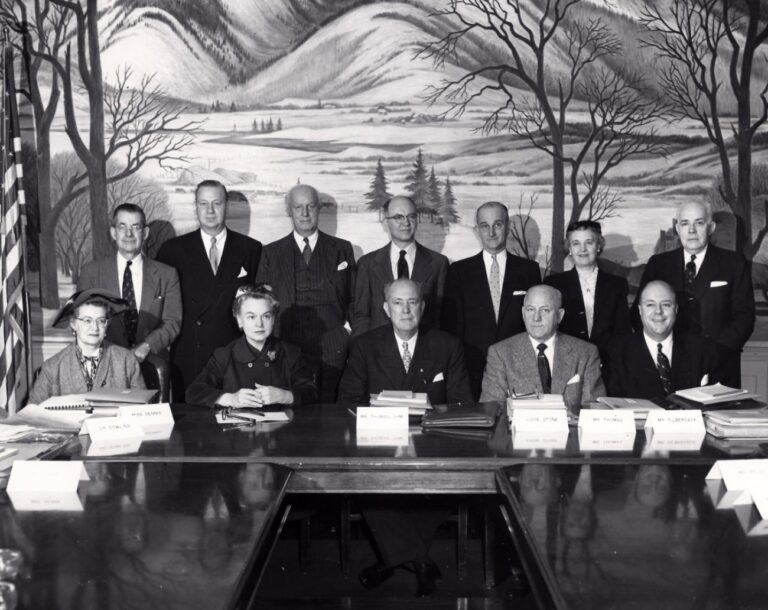
On Feb. 3, 1955, the U.S. Food and Drug Administration’s (FDA) first Citizens Advisory Committee (CAC) met in…
In 1955, the Division of Biologics Control (DBS) became an independent entity within the National Institutes of Health…
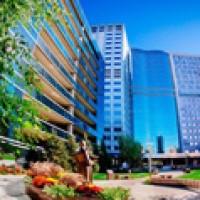
In 1955, The Mayo Clinic Heritage Hall museum opened in Rochester, Minnesota with a generous gift from John…

In 1955, Canada contributed to the safe cultivation of the poliovirus, using Medium 199, and an incubation process…
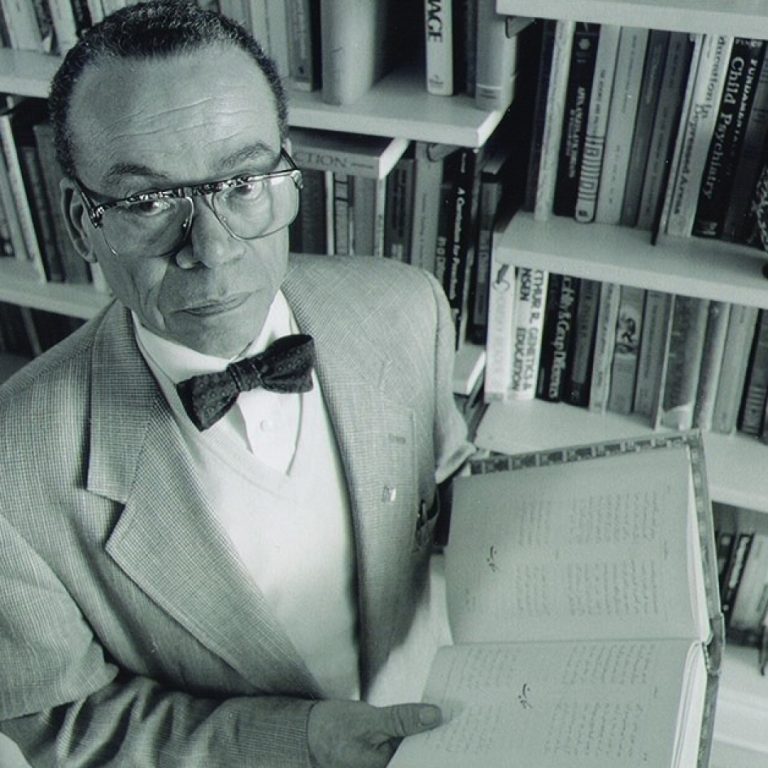
In 1955, geneticist Dr. James Bowman accepted a position in Iran where he studied favism, the deficiency of…
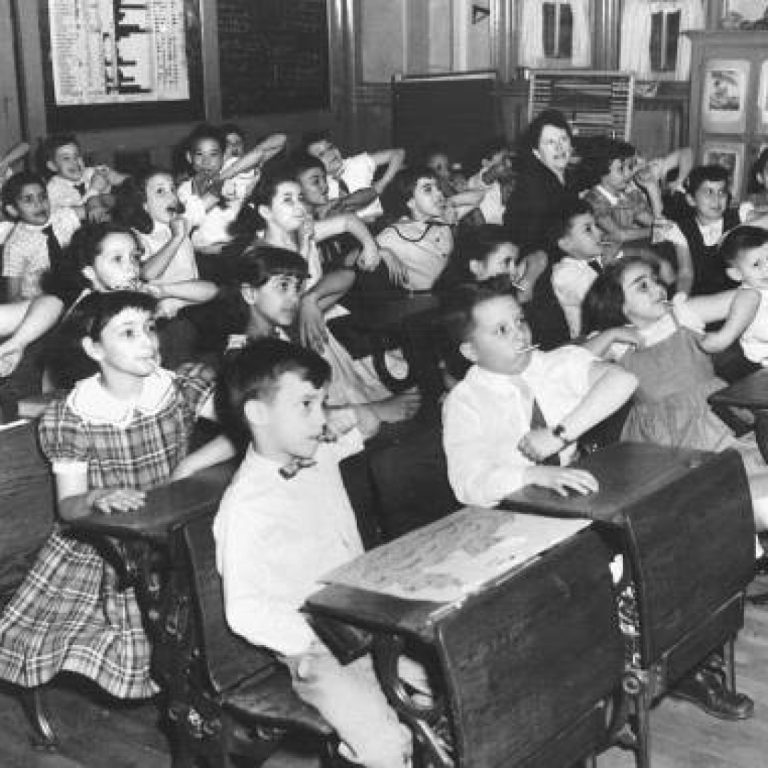
On Apr. 26, 1954, the largest controlled Polio vaccine field trial in the history of medicine got under…