Dr. C. Walton Lillehei performed the world’s first open-heart operation using cross-circulation
On Mar. 26, 1954, Dr. C. Walton Lillehei at the University of Minnesota performed the world’s first open-heart…
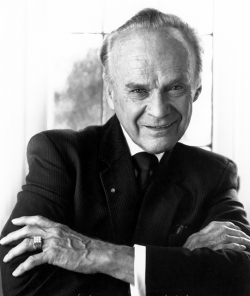
On Mar. 26, 1954, Dr. C. Walton Lillehei at the University of Minnesota performed the world’s first open-heart…
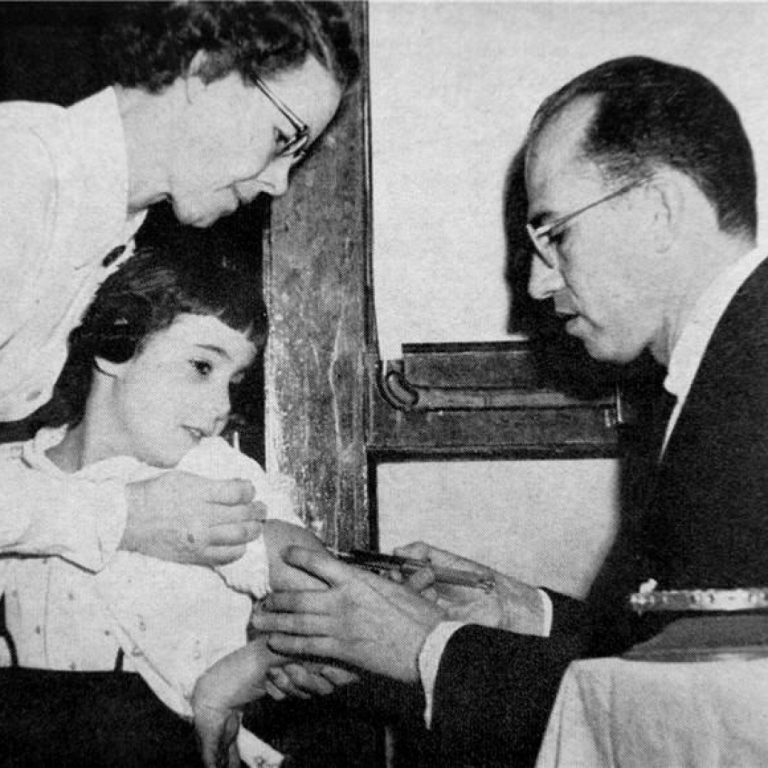
On Mar. 22, 1954, Dr. Jonas Salk’s team began giving inoculations of a commercially prepared vaccine to some…
On Feb. 23, 1954, the first mass inoculation of the new Polio vaccine, developed by Dr. Jonas Salk…
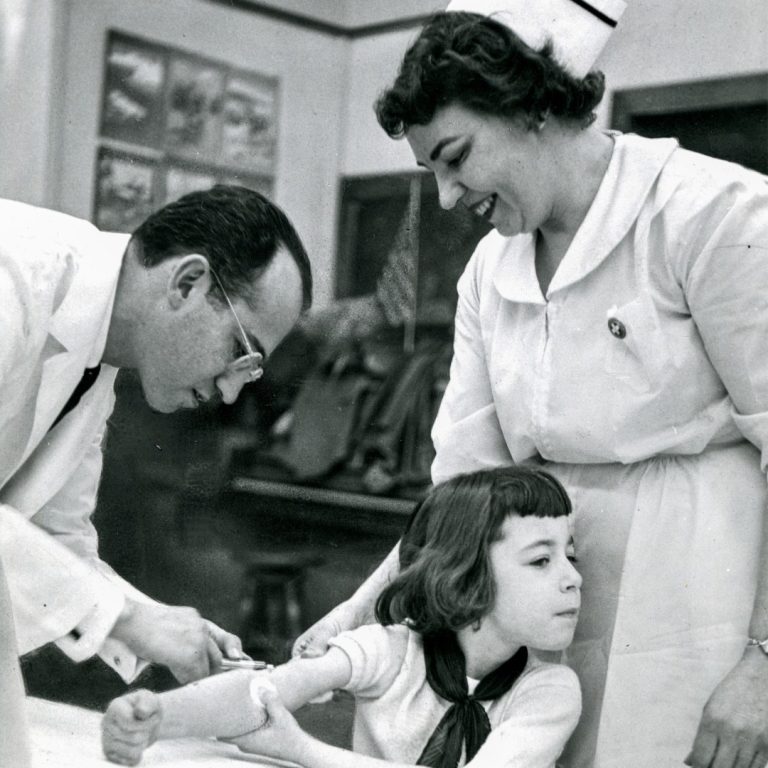
In February 1954, first-, second- and third-grade students from five suburban schools were the first to be inoculated…
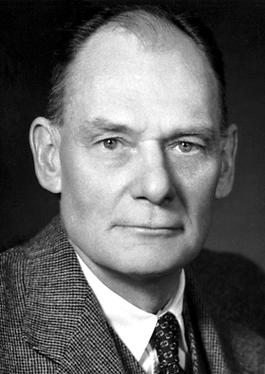
In 1954, John Franklin Enders and Thomas C. Peebles isolated measles virus from an 11-year-old boy, David Edmonston….
In 1954, The McLaughlin Research Institute began with the arrival of Dr. Ernst Eichwald, recruited as a pathologist…
In 1954, Dr. Mary Carpenter became the first female member of Oklahoma Medical Research Foundation (OMRF) scientific staff…
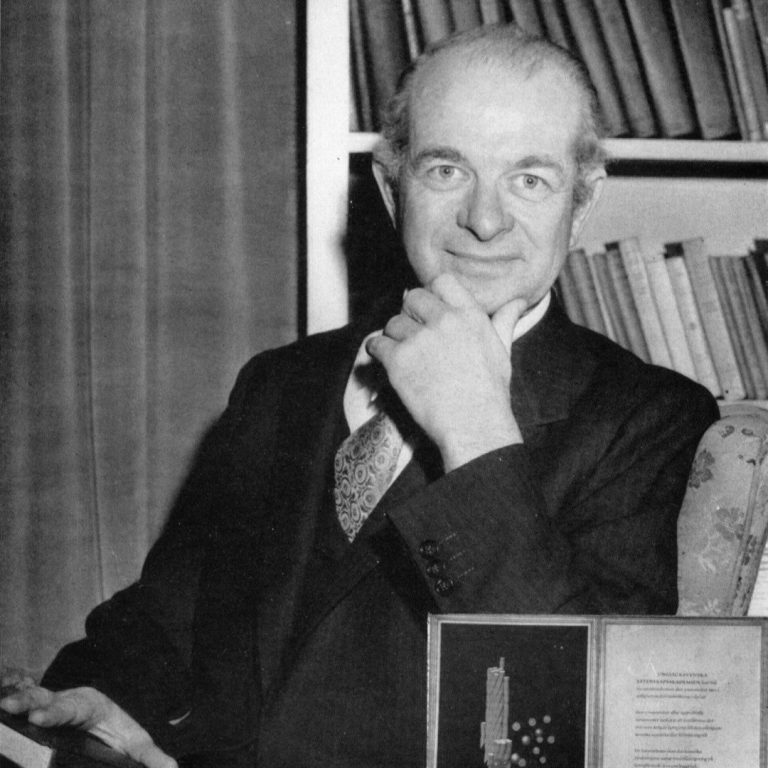
In 1954, Linus Carl Pauling (B.Sc., Chemical Engineering, Oregon State University, 1922) was awarded the Nobel Prize for…
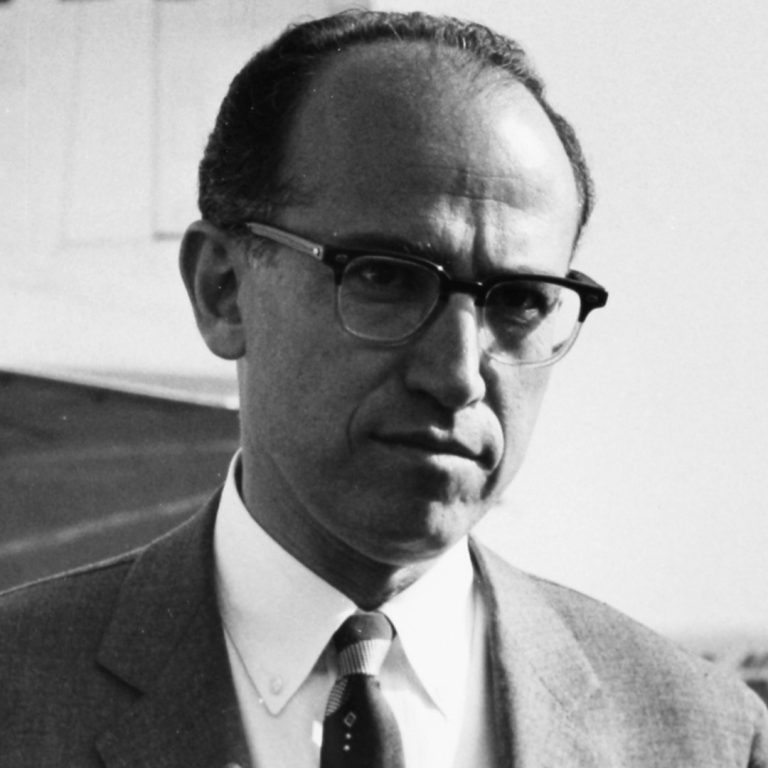
In 1954, Dr. Jonas Salk and associates develop a potentially safe injectable vaccine against polio given to nearly…
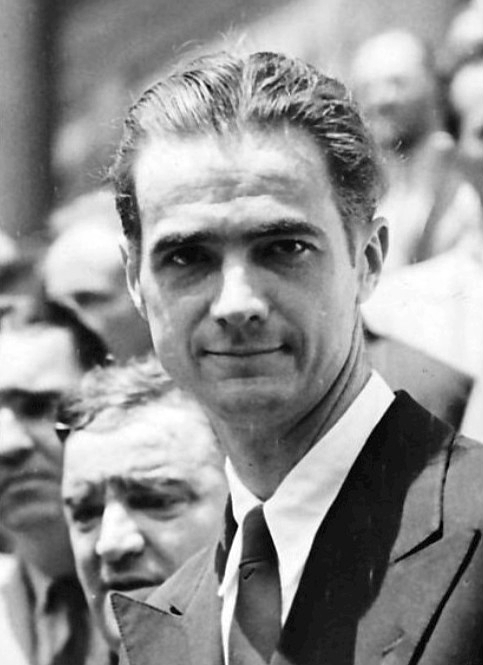
On Dec. 17, 1953, Howard Hughes signed documents that created the Howard Hughes Medical Institute, formed with the…
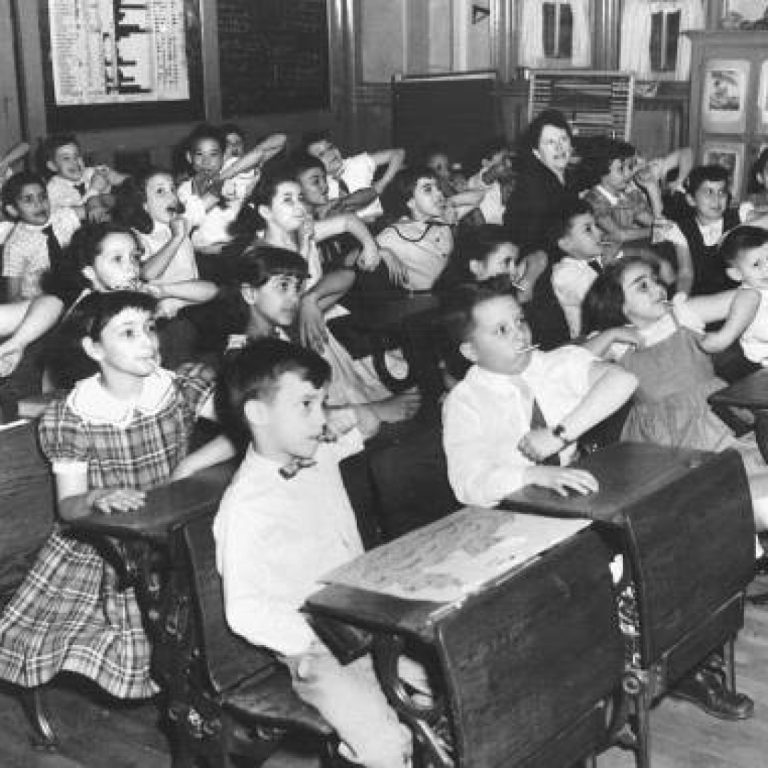
On May 16, 1953, Dr. Jonas Salk initiated the first community-based pilot trial of the Polio vaccine in…
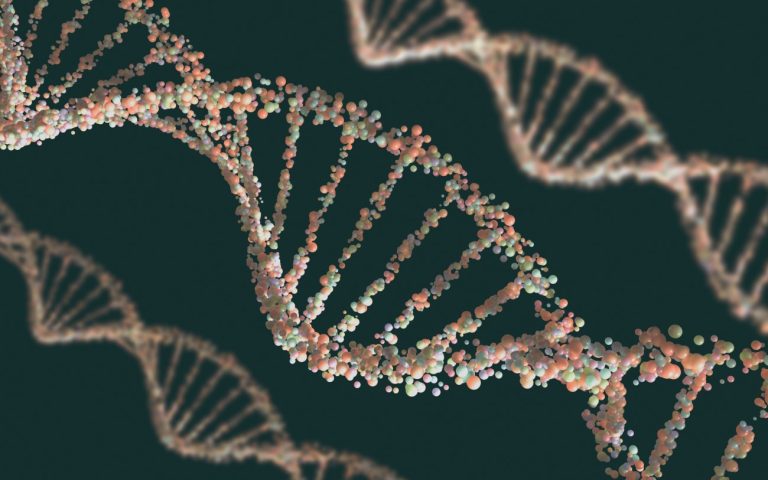
On Apr. 25, 1953, Nature published James Watson’s and Francis Crick’s 900-word manuscript describing the double helical structure…

On Apr. 11, 1953, the Federal Security Agency (FSA) becomes the U.S. Department of Health, Education, and Welfare…

On Mar. 28, 1953, Dr. Jonas Salk announced on CBS radio that his killed-virus polio vaccine was safe…

In 1953, the Salk Institute for Biological Studies was founded in La Jolla, California. For more than a…
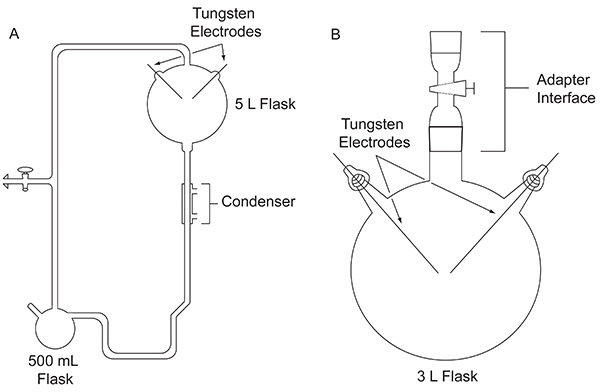
In 1953, American chemists Harold Urey and Stanley Miller reported the production of biomolecules from simple gaseous starting…
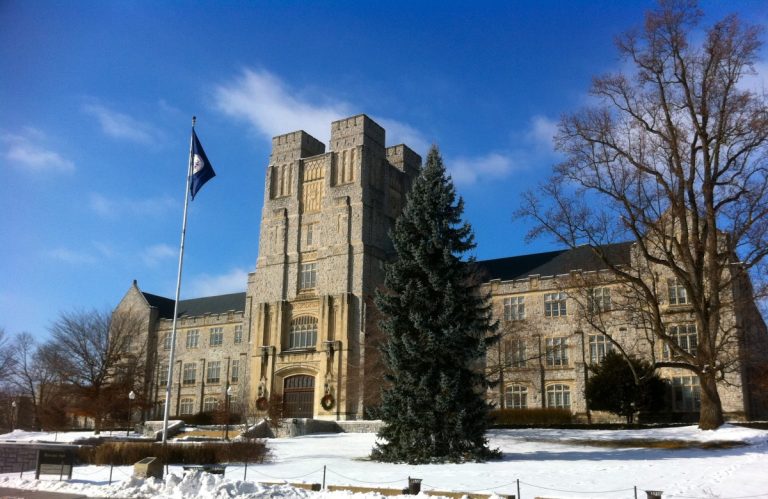
In 1953, Betty Delores Stough became the first woman to earn a Ph.D. at the Virginia Agricultural and…
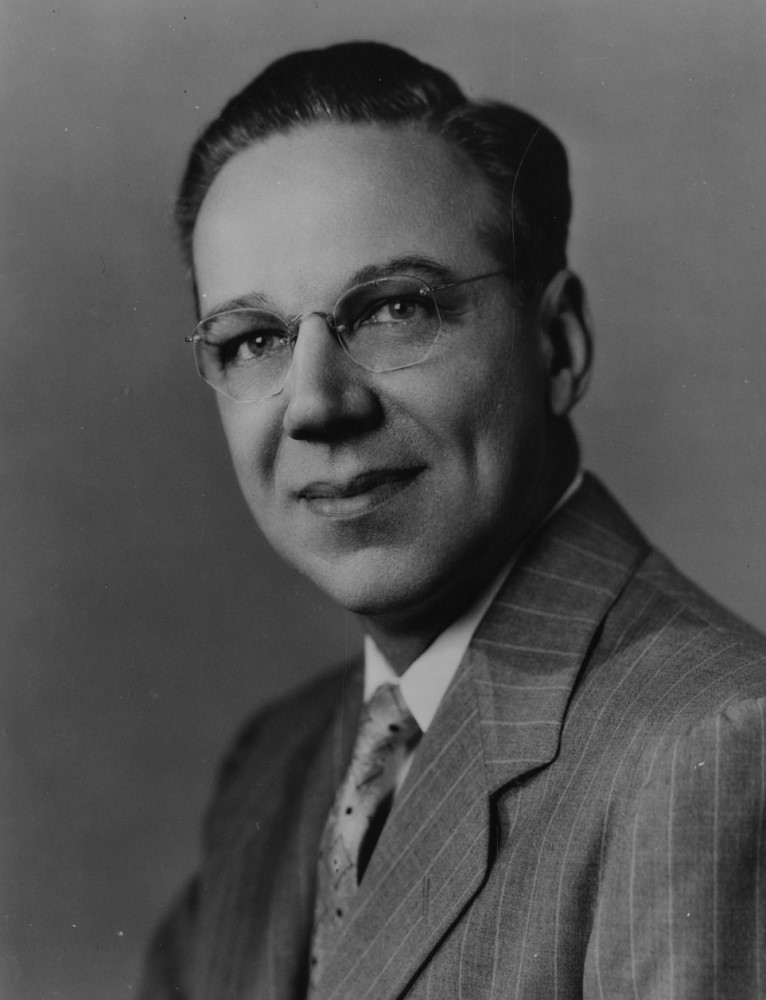
In Oct. 1952, Dr. William McDowall Hammon of the University of Pittsburgh Graduate School of Public Health published…
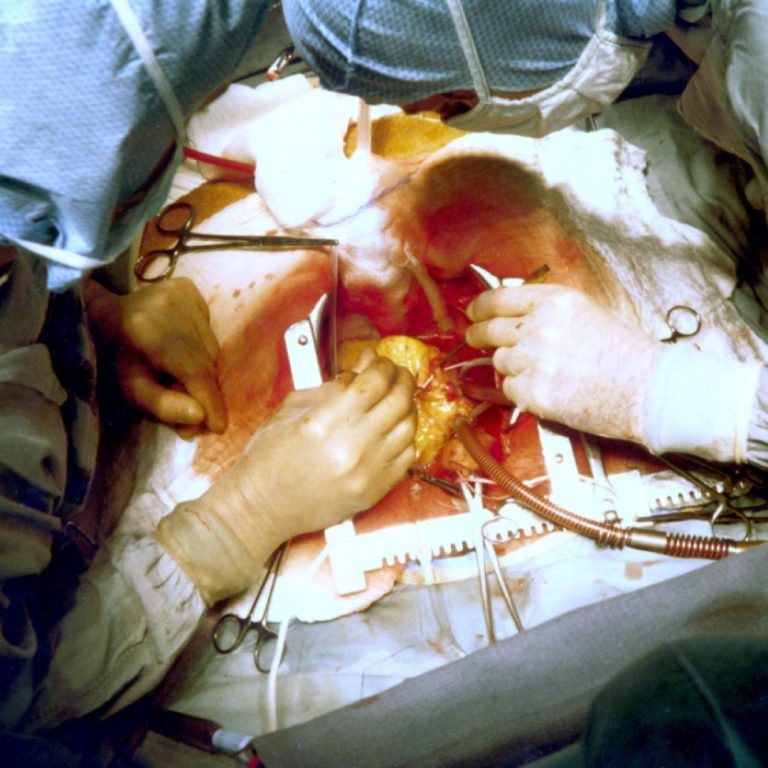
On Sept. 2, 1952, Dr. C. Walton Lillehei professor of surgery at the University of Minnesota, participtade in…
On Jul. 2, 1952, Dr. Jonas Salk first innoculated children at the D. T. Watson Home for Crippled…
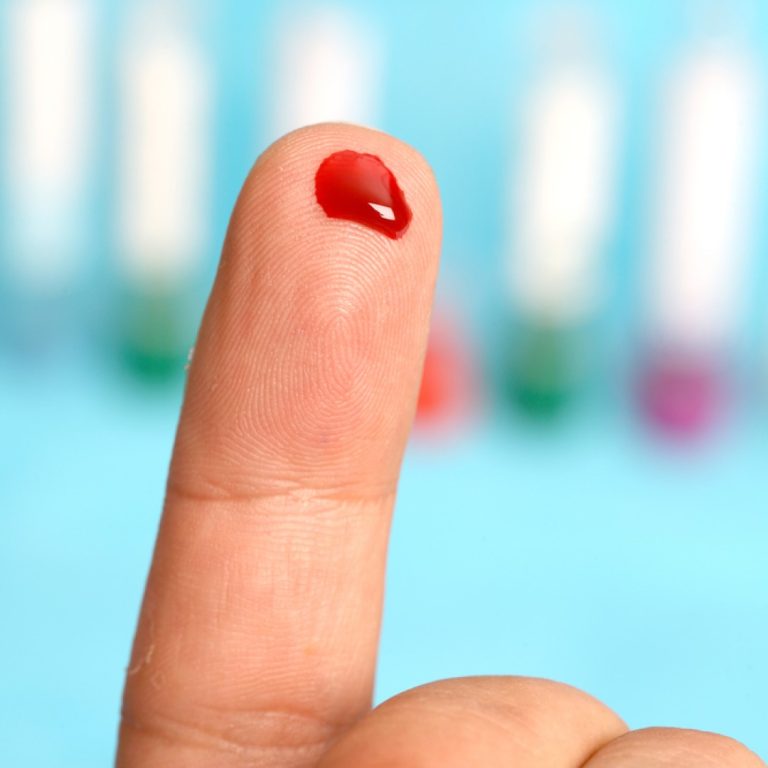
On Jun. 12, 1952, Dr. Jonas Salk went to the D. T. Watson Home for Crippled Children (now…
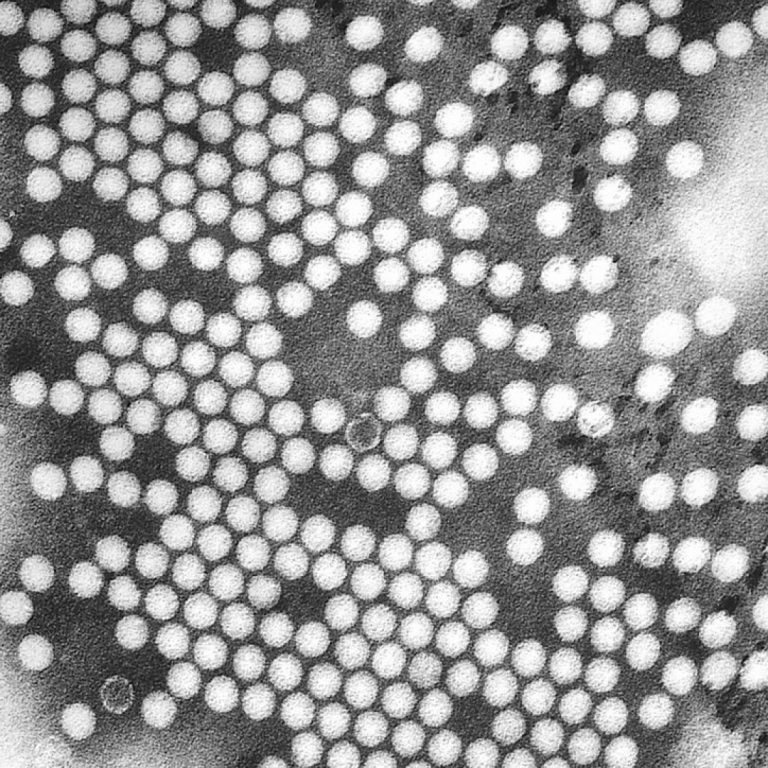
In Jun. and Jul. of 1952, Dr. William Hammon continued with his gamma globulin Polio vaccine field trials…
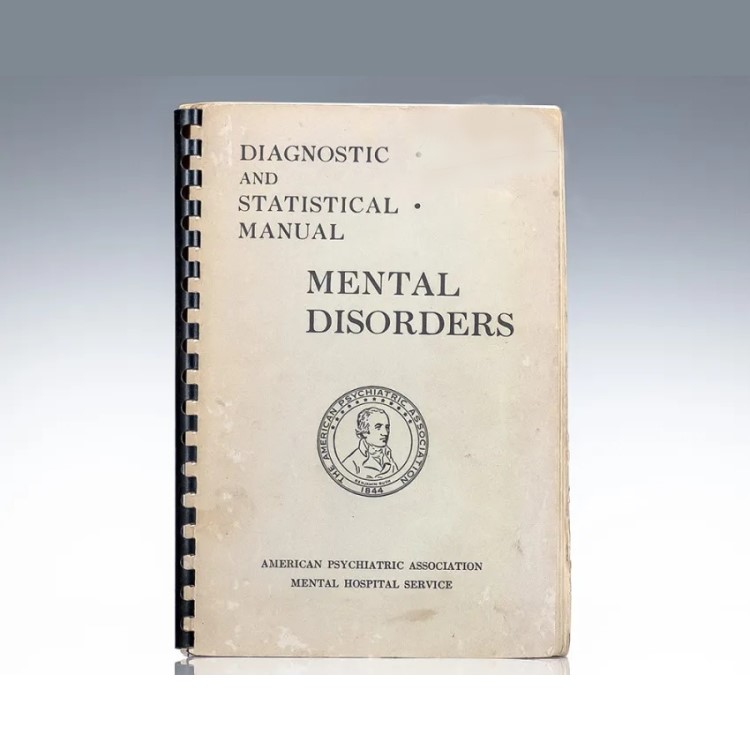
In 1952, the first edition of the Diagnostic and Statistical Manual of Mental Disorders (DSM) was published and…
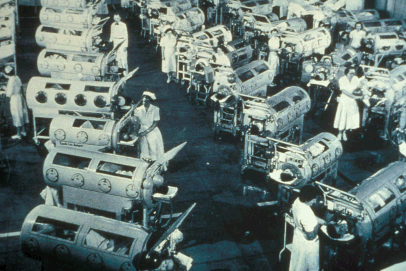
In 1952, the summer of 1952 recorded 57,628 cases, the worst polio epidemic in U.S. history. This added…
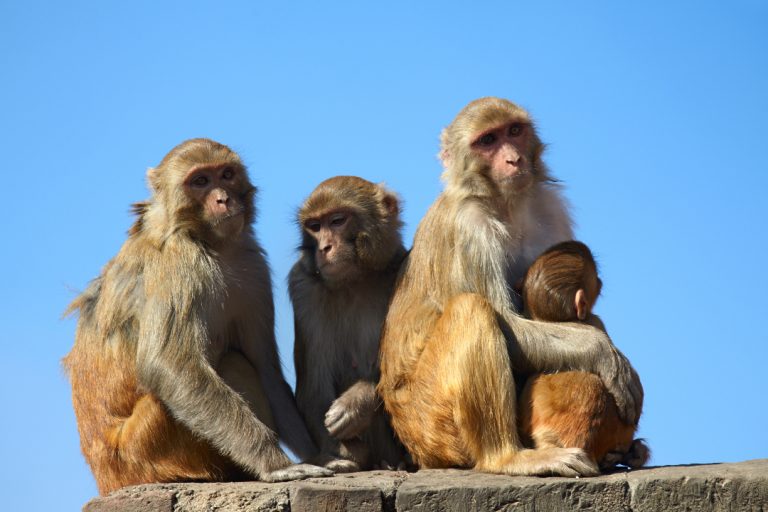
In 1952, Dr. Jonas Salk and his team found monkey kidney tissue to be the most fertile environment…
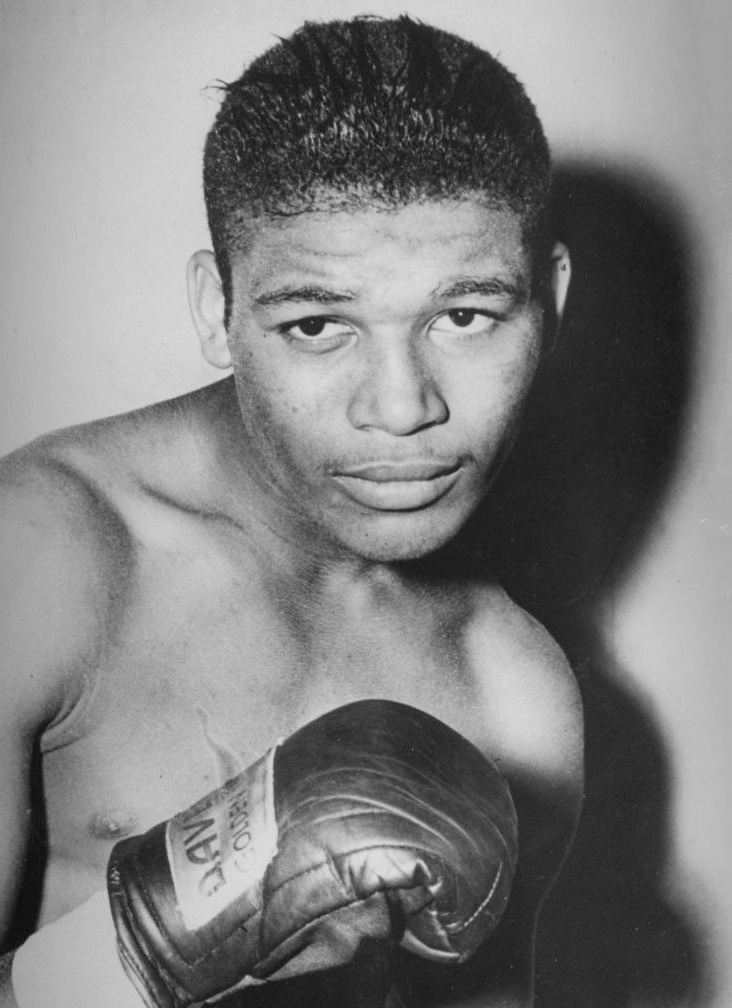
On Apr. 9, 1951, world boxing middleweight champion Sugar Ray Robinson defended his crown in Oklahoma City by…
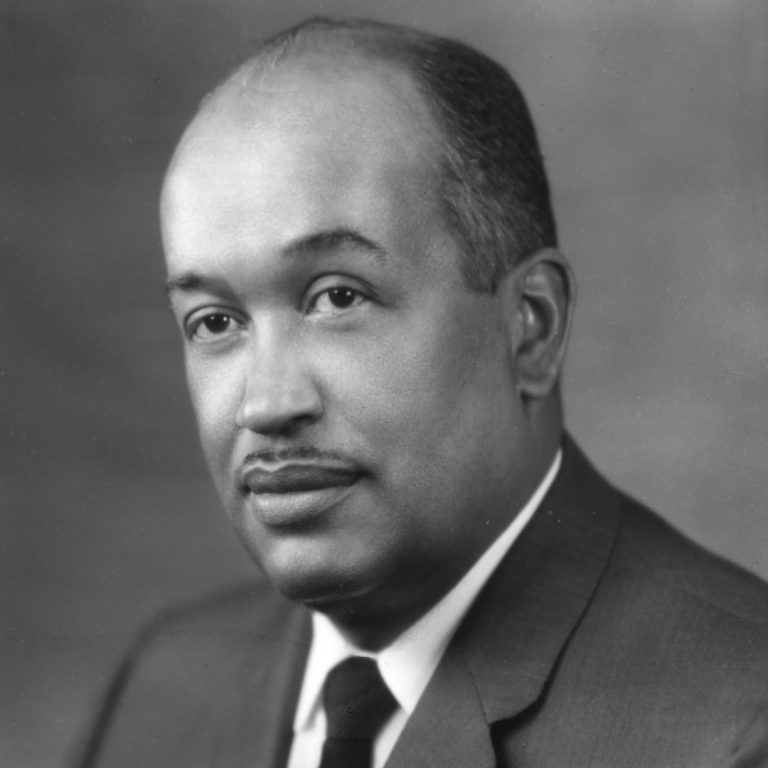
In March 1951, Dr. Herman Branson co-authored a paper alongside Linus Pauling and Robert Corey, detailing the structure…
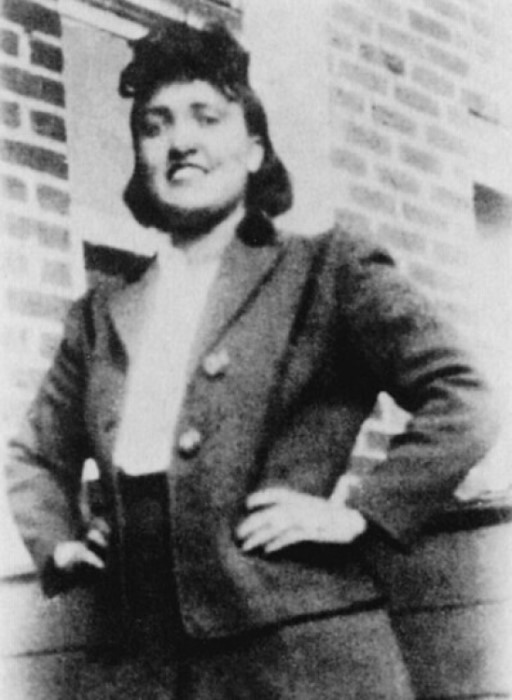
On Feb. 8, 1951, Henrietta Lacks, a tobacco farmer from Virginia died from cervical cancer, and a scientist…
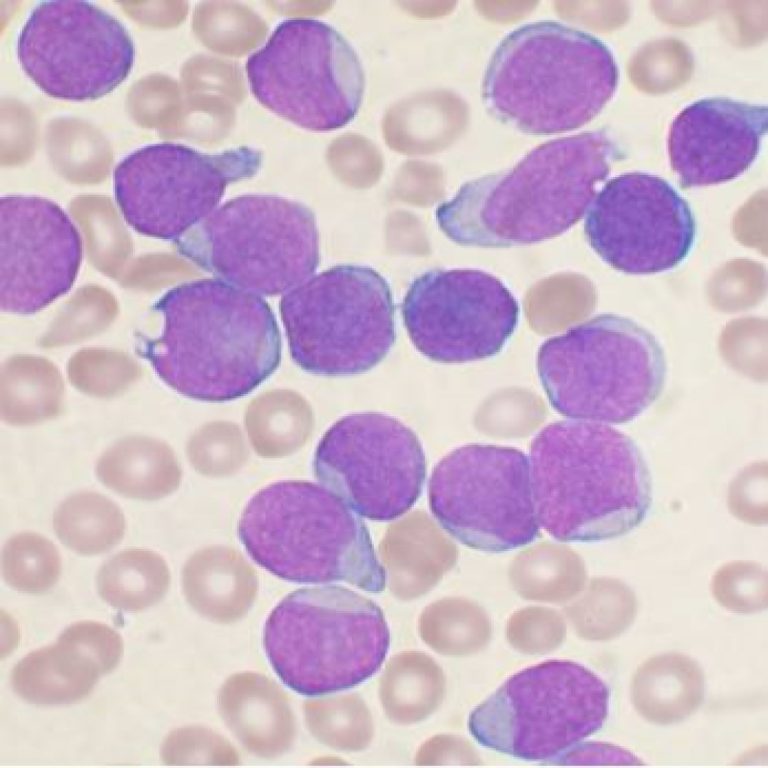
From 1951 to 1976, the Oklahoma Medical Research Foundation (OMRF) treated some of the state’s sickest children, most…
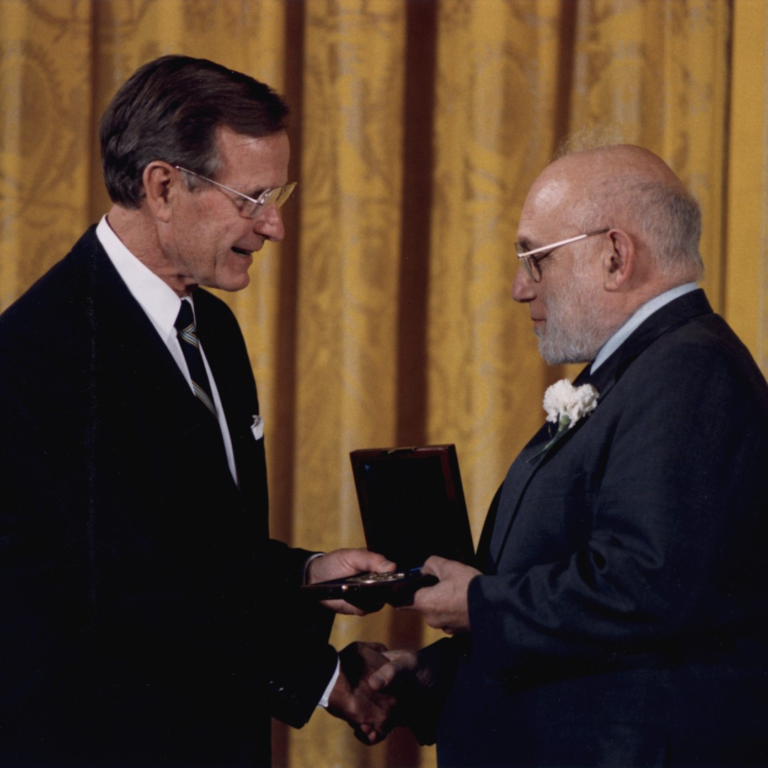
In 1951, Joshua Lederberg began studying for a doctor of medicine degree at Columbia College and working in…