Vir Biotech proceeded with two clinical development candidates for COVID-19
On Mar. 25, 2020, Vir Biotech announced announced that it has identified multiple human monoclonal antibody (mAb) development…
On Mar. 25, 2020, Vir Biotech announced announced that it has identified multiple human monoclonal antibody (mAb) development…

On Mar. 24, 2020, the University of Alberta (U of A) announced that a Public health study was…

On Mar. 24, 2020, 3M and Ford Motor Co. announced that they had entered into a partnership in…
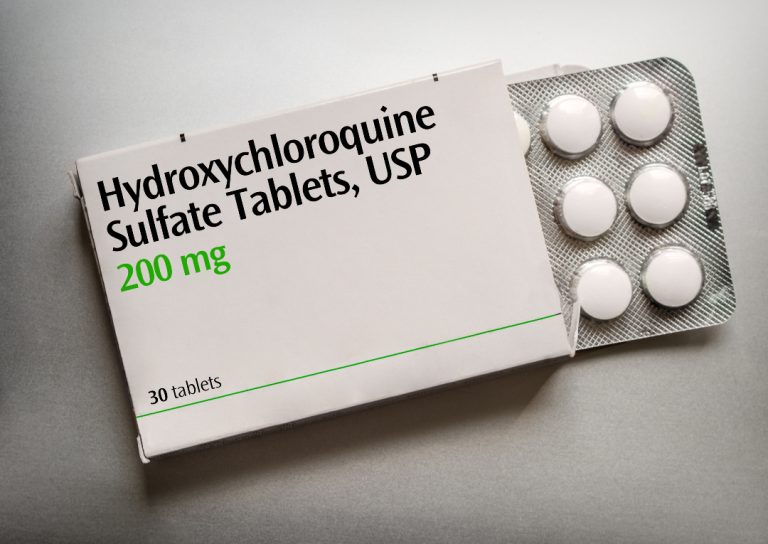
On Mar. 24, 2020, Bausch Health announced it had donated medicines and health care products to assist in…
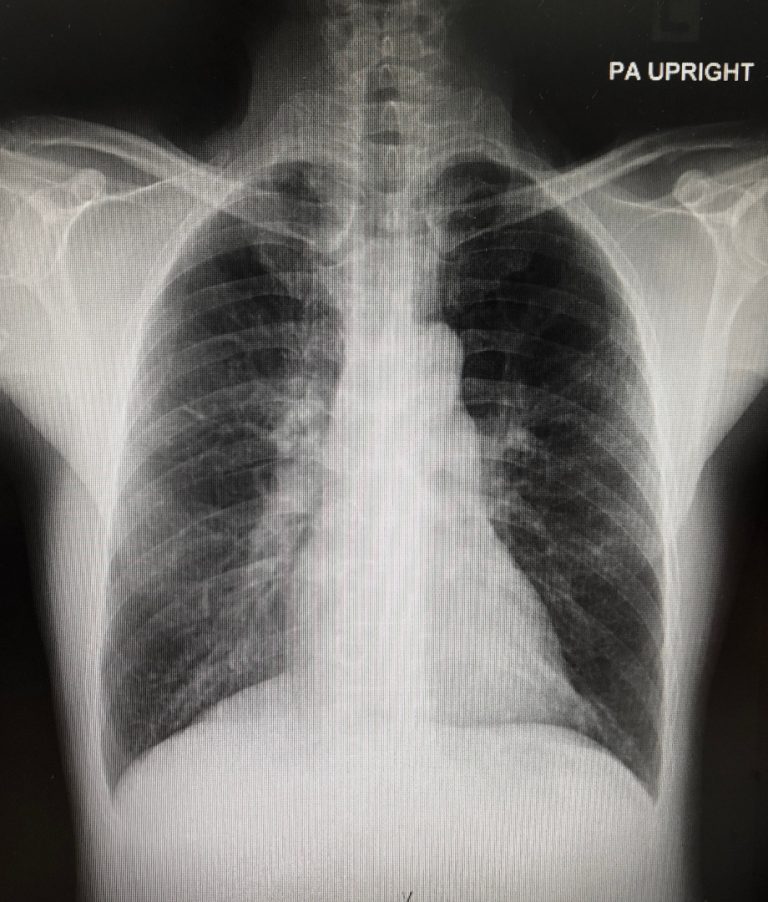
On Mar. 24, 2020, Windtree Therapeutics announced it will study its proprietary KL4 surfactant to potentially mitigate the…
On Mar. 23, 2020, the National Institutes of Health (NIH) announced that it had launched an important online…
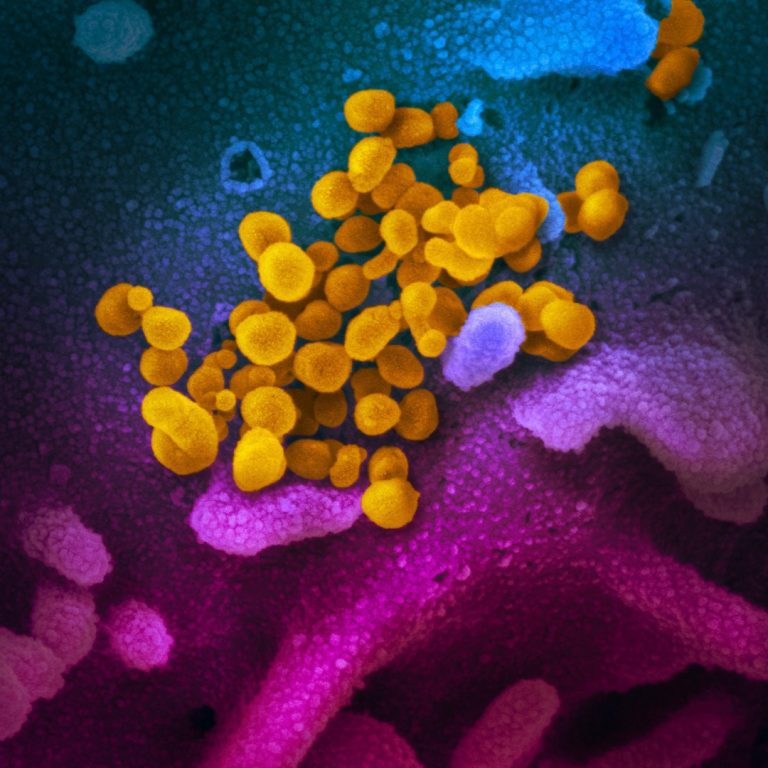
On Mar. 17, 2020, the virus that causes coronavirus disease 2019 (COVID-19) was stable for several hours to…
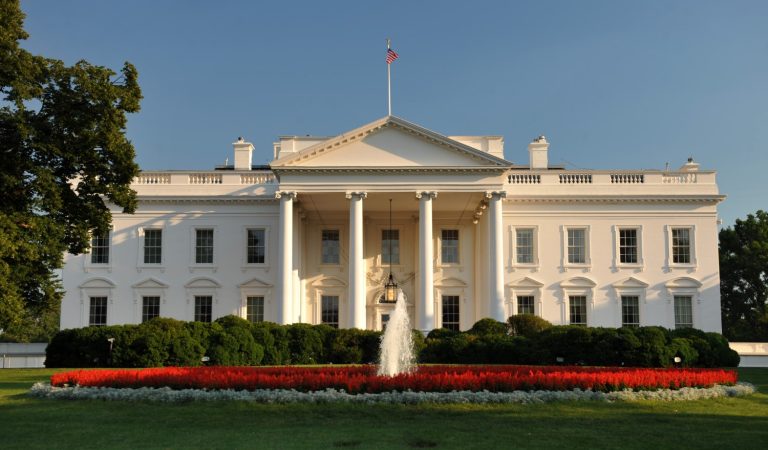
On Mar. 13, 2020, declared a COVID-related emergency under Section 501(b) of the Stafford Act [18]. Under the…
On Mar. 10, 2020, the Bill & Melinda Gates Foundation, Wellcome, and Mastercard committed up to $125 million…

On Mar. 6, 2020, Innovation Pharmaceuticals continues to receive inquiries regarding the potential of Brilacidin, the Company’s novel…

On Mar. 5, 2020, Quest Diagnostics announced it will launch a coronavirus (COVID-19) test service. The new test…
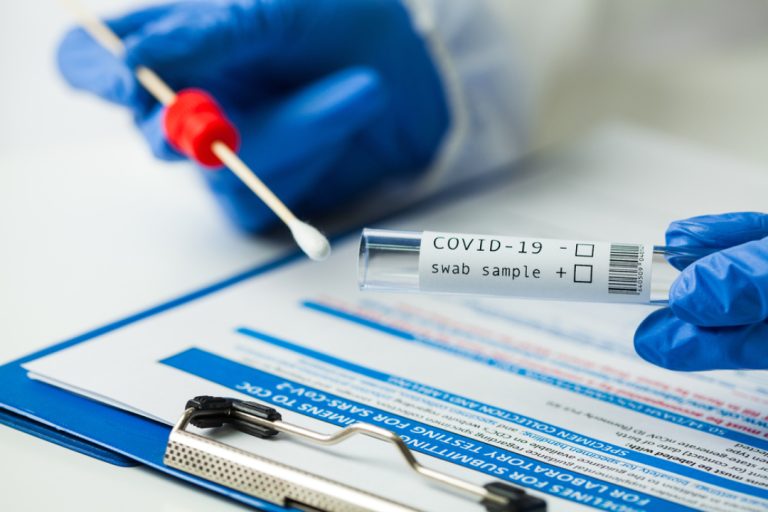
On Mar. 5, 2020, LabCorp announced that it was making its LabCorp 2019 Novel Coronavirus (COVID-19), NAA test…
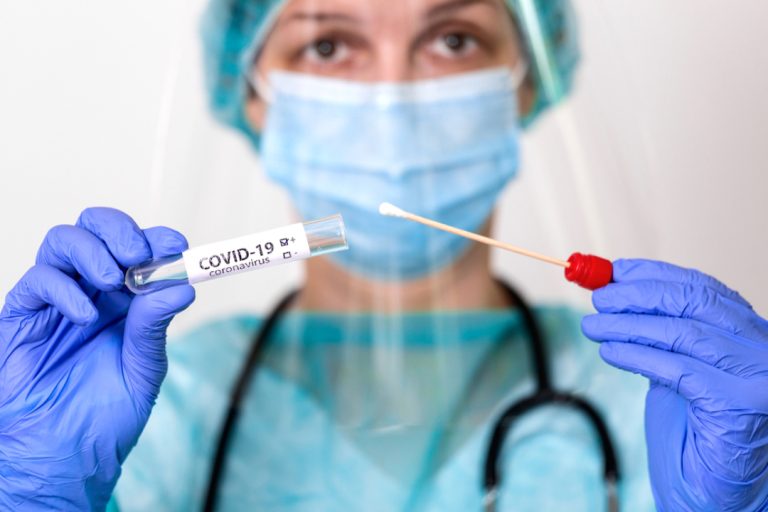
On Mar. 5, 2020, BioReference Laboratories, an OPKO Health company, announced it was offering a test for the…
On Mar. 2, 2020, Innovation Pharma provided the scientific rationale and clinical development perspectives for Brilacidin, the Company’s…
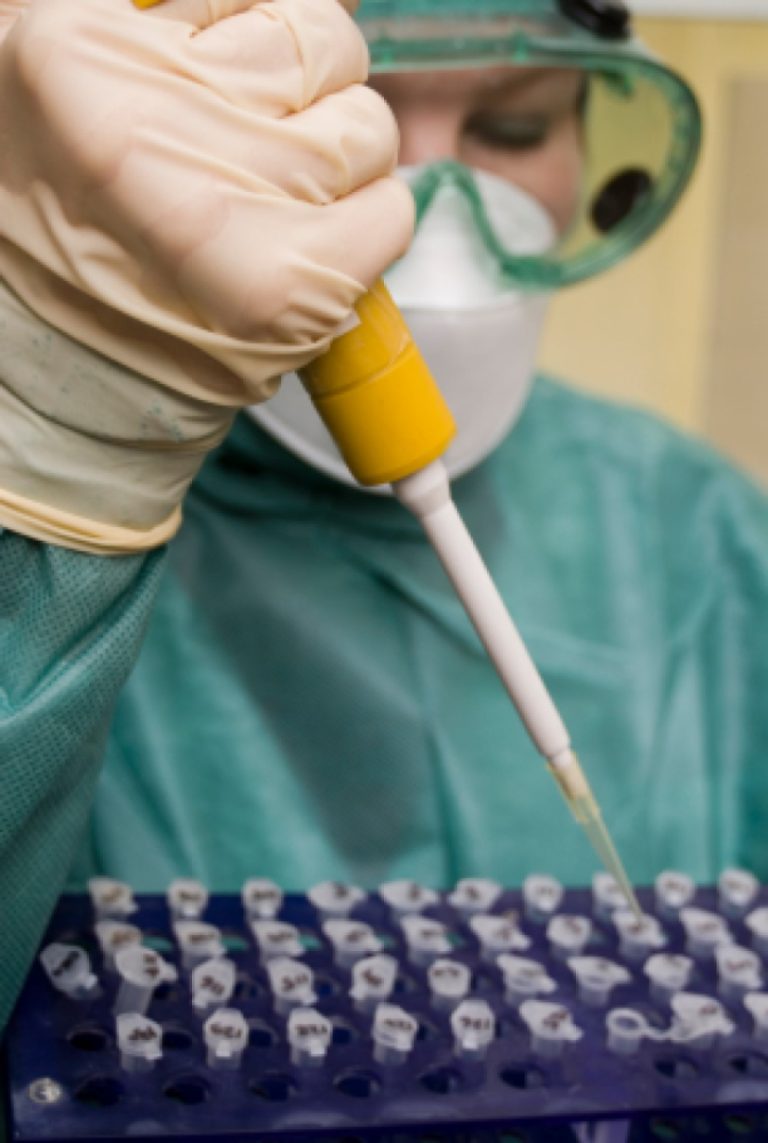
On Feb. 25, 2020, a University of British Columbia (UBC) researcher was part of an international team working…
On Jun. 24, 2019, the Pandemic and All-Hazards Preparedness and Advancing Innovation Act of 2019 (S.1379) passed by…
On Jun. 15, 2017, the U.S. Department of Health and Human Services (HHS) published the nations’s updated Pandemic…
On Oct. 28, 2016, UNMC/Nebraska Medicine announced they had been awarded $19.8 million by the U.S. Dept. of…
On Jun. 8, 2015, the American Medical Association adopted a new policyᅠthat recommended that states have in place…
On Aug. 1, 2014, the U.S. Centers for Disease Control and Prevention (CDC) initiated the Global Heath Security…
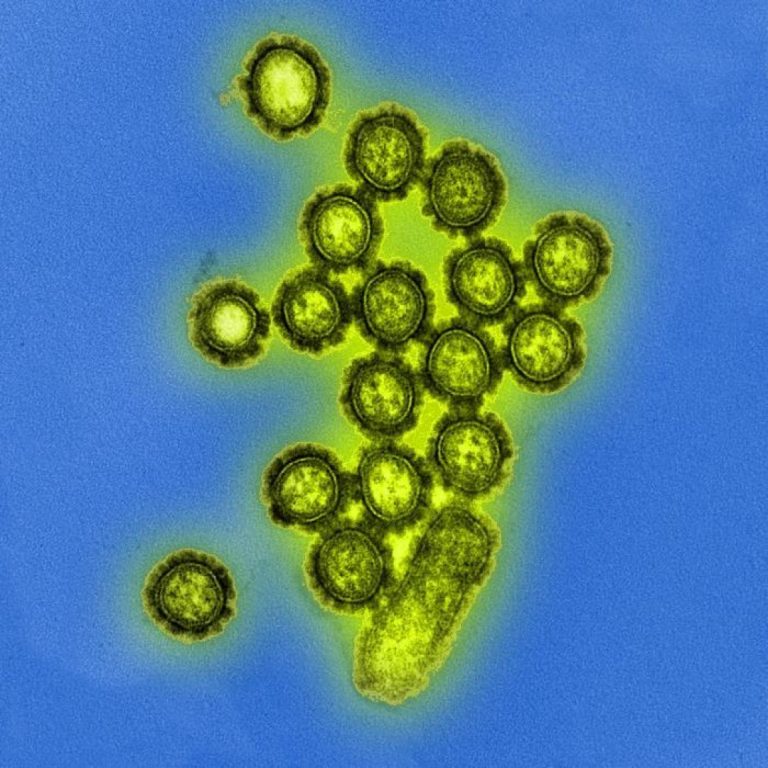
On Jun. 11, 2009, the Dr. Margaret Chan, Director-General World Health Organization (WHO), declared the world was at…

On Apr. 15, 2009, infection with the new influenza A virus (then referred to as ‘swine origin influenza…

On Aug. 8, 2007, JAMA reported that research demonstrated a strong association between early, sustained, and layered application…

In 2004, The Division of Global Migration and Quarantine, part of the CDC’s National Center for Infectious Diseases,…
On Mar. 18, 2003, Severe Acute Respiratory Syndrome (SARS) was placed on U.S. quarantine list. Persons under quarantine…
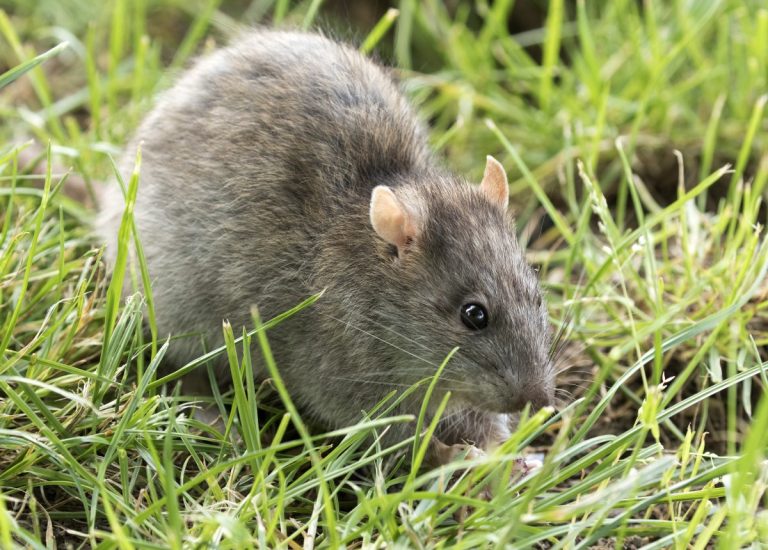
On Aug. 26, 1994, the plague struck Surat, a city in the state of Gujarat in western India,…

In 1985, virologist Flossie Wong-Staal became the first person to clone HIV, which led to the development of…
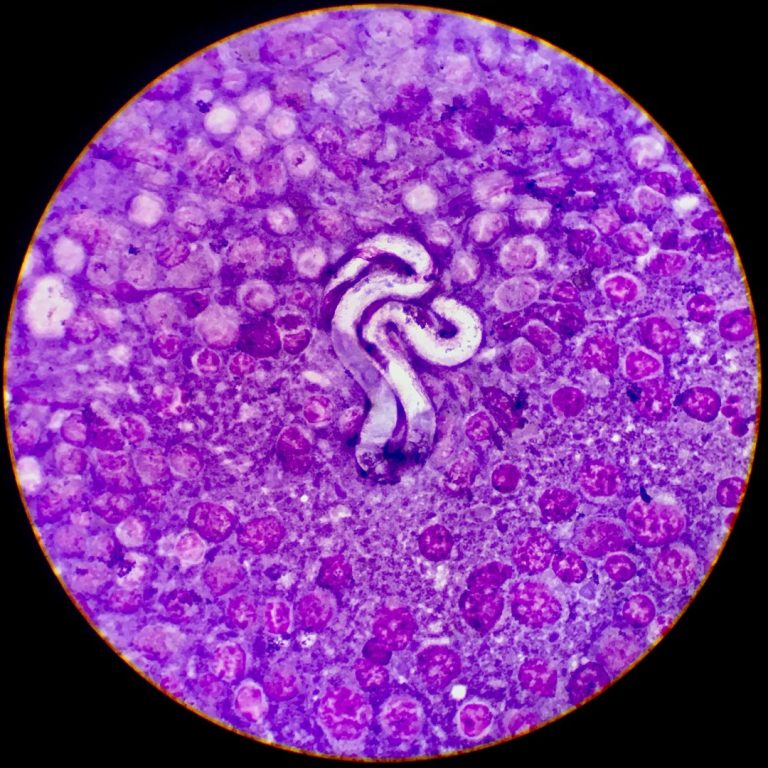
In 1981, Merck began commercialize ivermectin as a broad-spectrum veterinary anti-parasitic drug that was originally developed to treat…
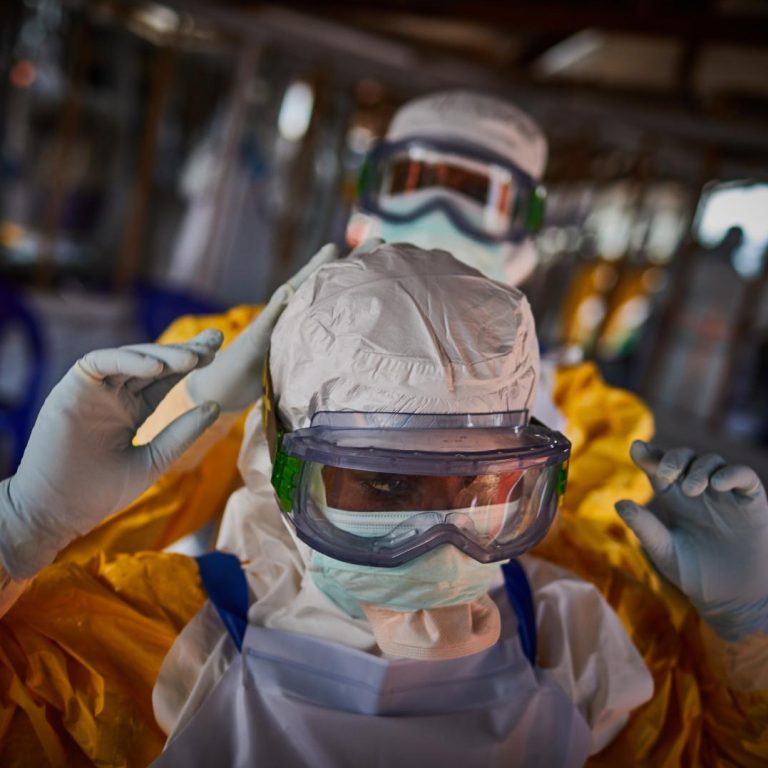
In 1976, patients began presenting at a rural hospital in northwest Democratic Republic of Congo (then referred to…

On Jun. 14, 1972, an end to the continued domestic usage of the pesticide DDT was decreed when…