Baltimore had 4,125 known deaths from the influenza pandemic
At the end of 1918, Baltimore had a total of almost 24,000 reported cases of influenza and 4,125…
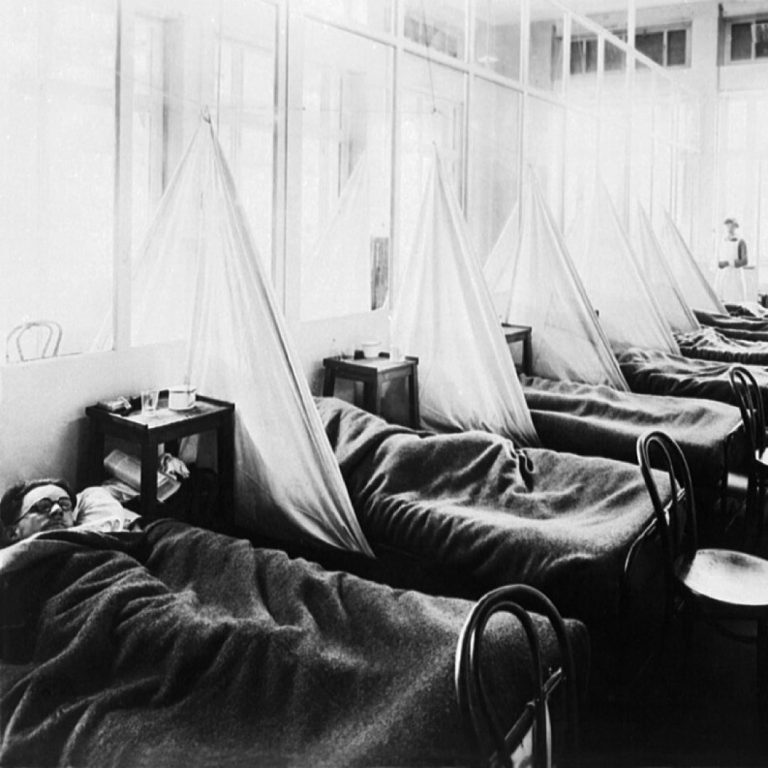
At the end of 1918, Baltimore had a total of almost 24,000 reported cases of influenza and 4,125…
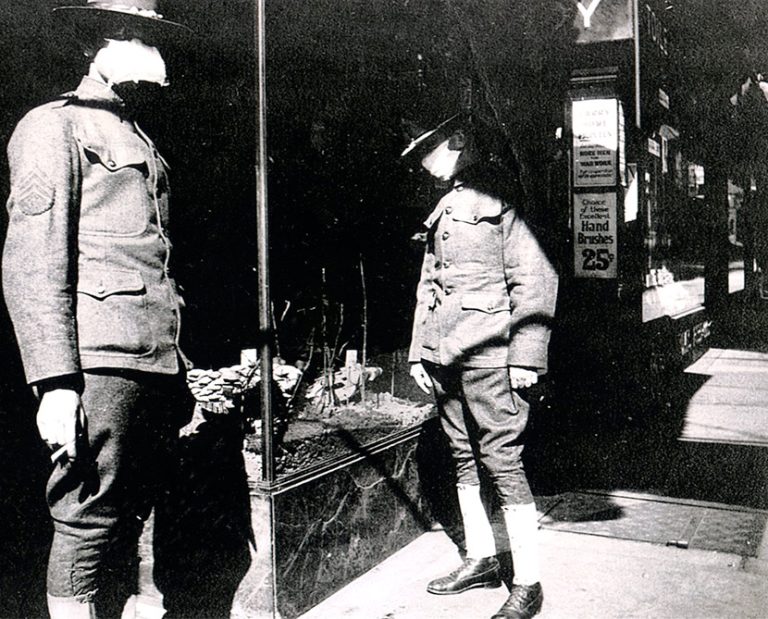
On Nov. 24, 1918, Washington, D.C. commissioners removed restrictions on business hours related to the influenza epidemic. Residents…
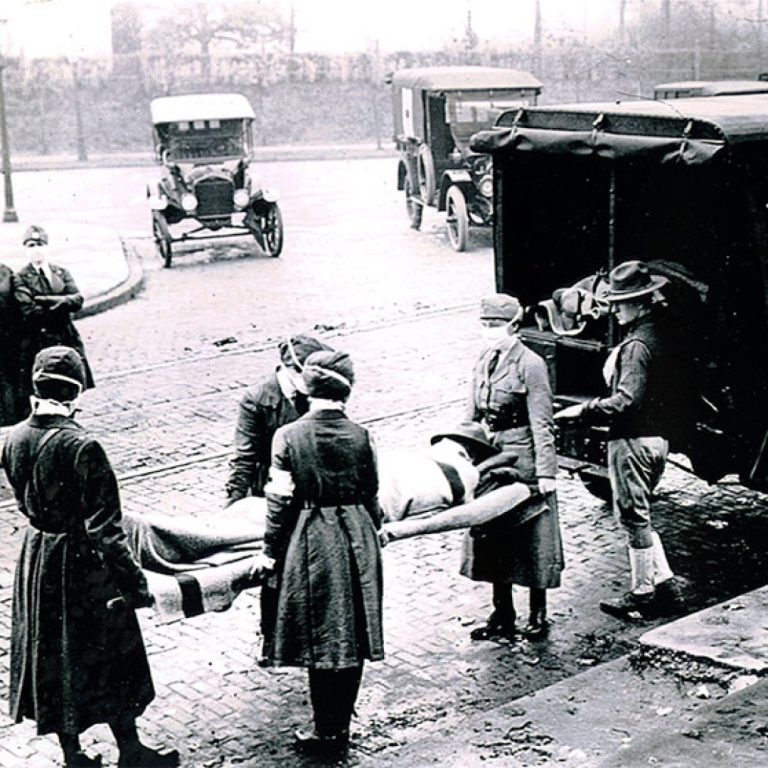
On Nov. 19, 1918, Birmingham experienced a second wave in new influenza cases from very few to 115…
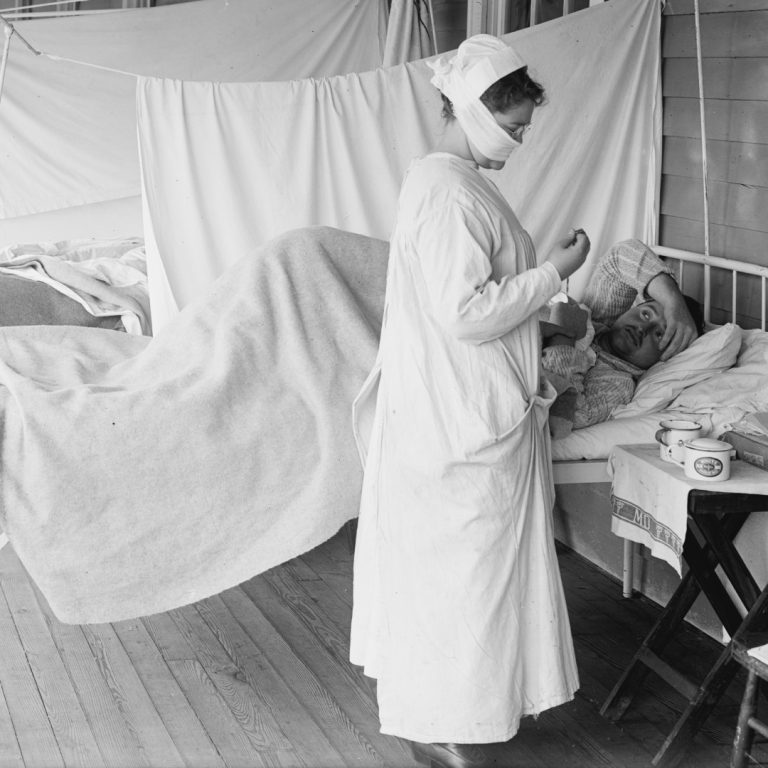
By Nov. 16, 1918, Chicago had experienced a total of 38,000 cases of influenza and 13,000 cases of…
By Nov. 16, 1918, the New York influenza figures overall, from September 15 through November 16 – the…
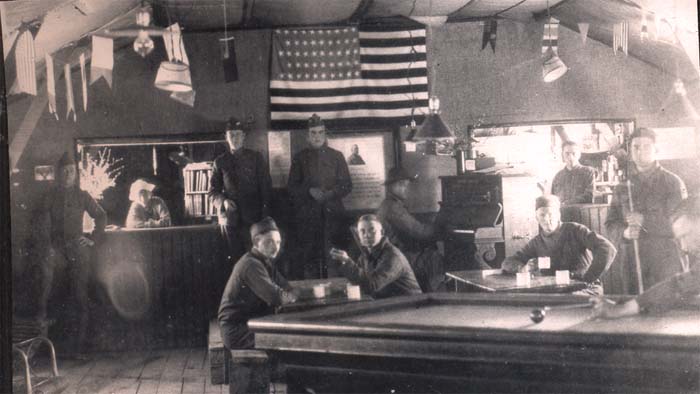
On Nov. 11, 1918, the Cincinnati Board of Health agreed to lift influenza-related restrictions. Theaters, movie houses, churches,…
On Nov. 10, 1918, Cleveland Health Commissioner Dr. Harry L. Rockwood announced the lifting of the city’s closure…
On Nov. 6, 1918, following improved influenza case numbers, the Kentucky Board of Health lifted the closure order…
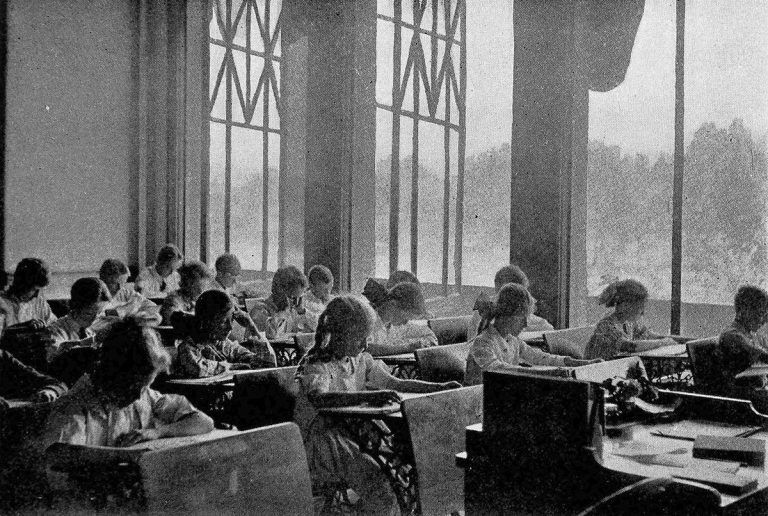
On Nov. 4, 1918, Birmingham schools reopened. Other schools in the county remained closed for the time being….
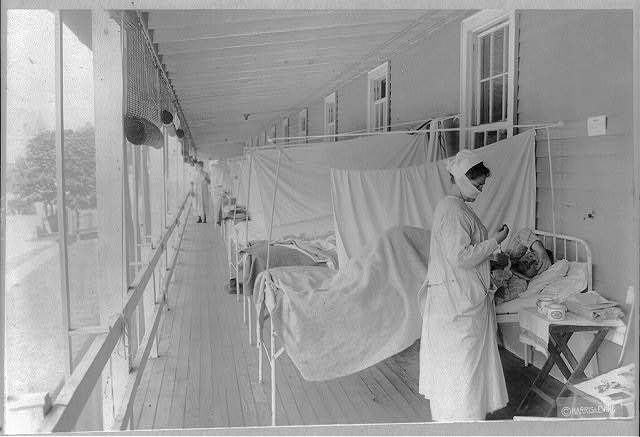
On Nov. 3, 1918, it was becoming clear to all that St. Paul’s influenza situation was not improving,…
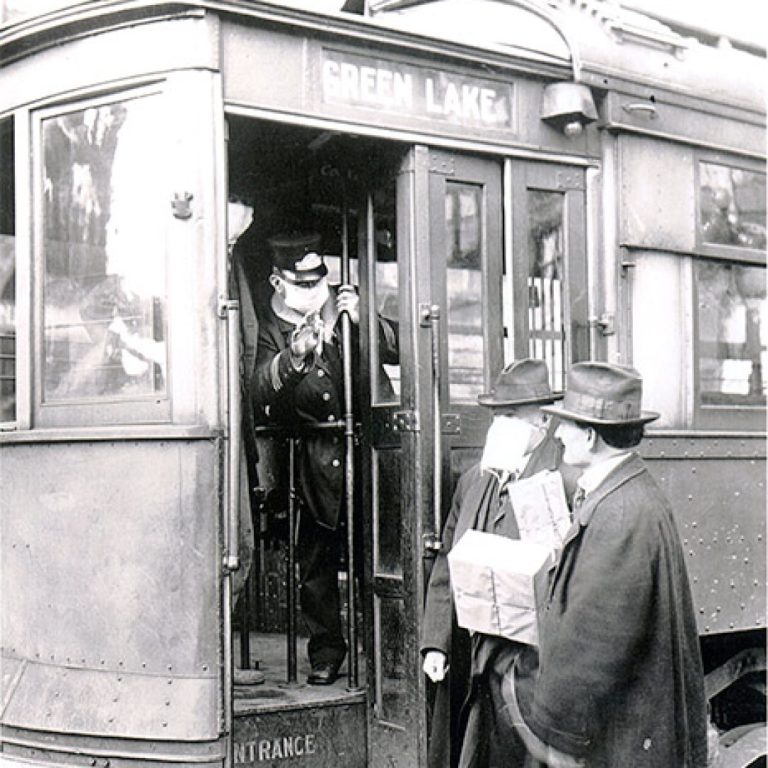
On Nov. 2, 1918, Baltimore health commissioner Dr. John Blake removed the city’s closure order. Public schools were…
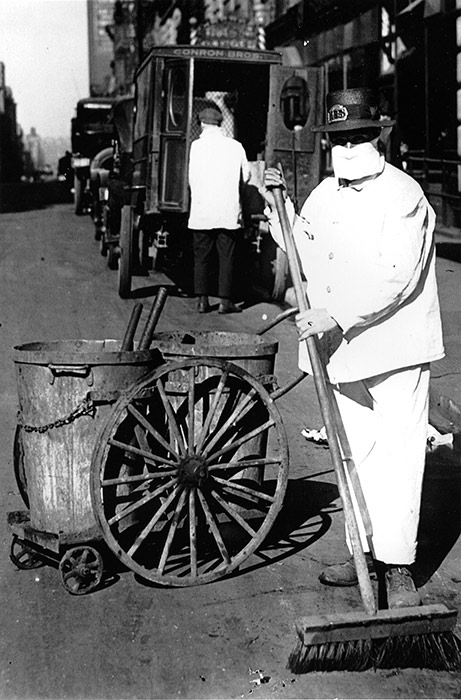
On Nov. 1, 1918, the city of Albany reported 7,091 cases of influenza, and no hospital deaths were…
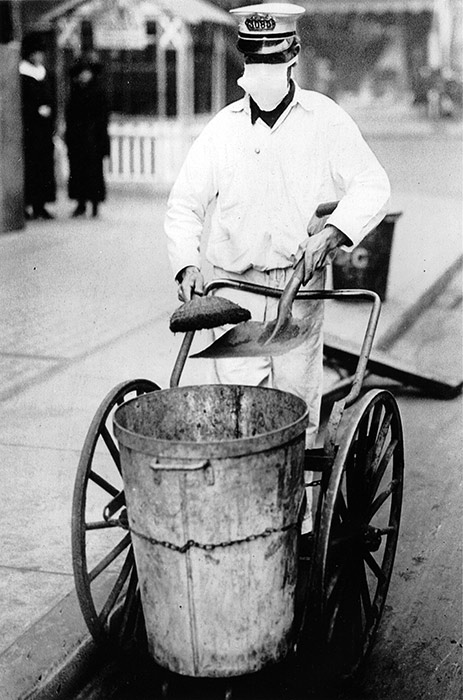
On Oct. 31, 1918, the Los Angeles City Council passed anti-influenza ordinances requiring tenants of properties to clean…
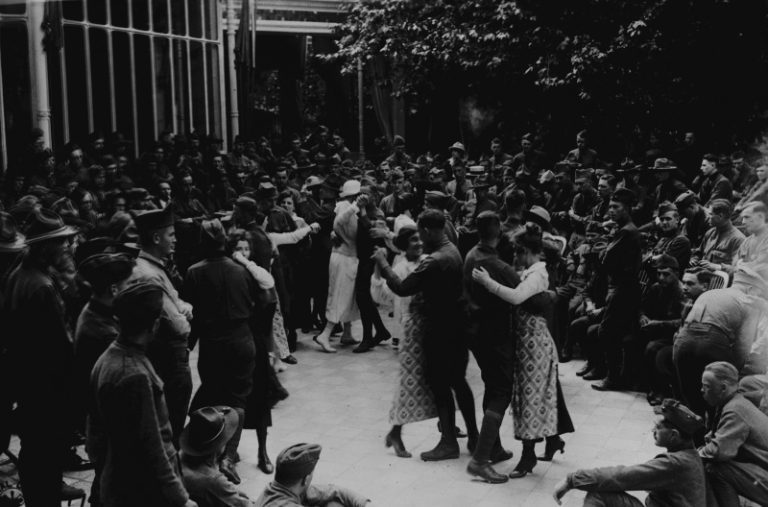
On Oct. 28, 1918, after Chicago influenza case tallies had declined, many bans were removed to that music,…
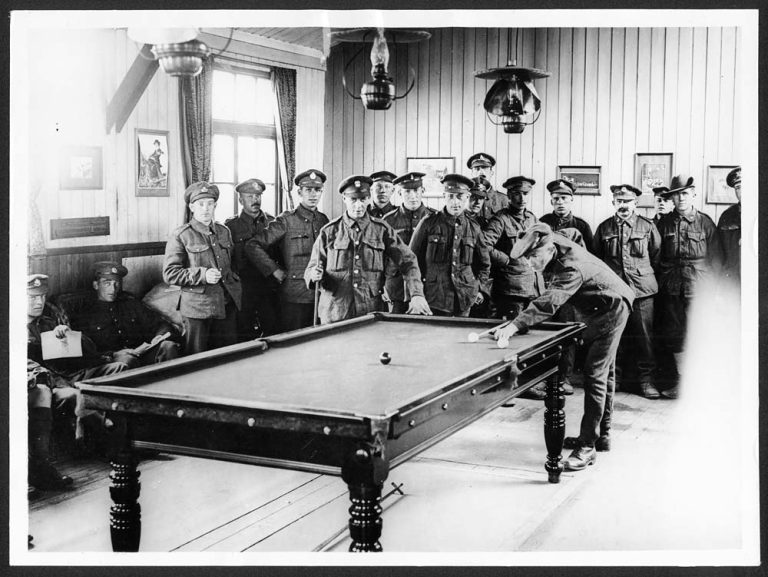
On Oct. 26, 1918, Baltimore health commissioner Blake decided to allow churches, retail stores, movie houses, theaters, poolrooms,…
On Oct. 25, 1918, at the direction of the health department, Detroit teachers began training to volunteer to…
On Oct. 25, 1918, in response to the growing epidemic, the Utah board of health discussed a statewide…
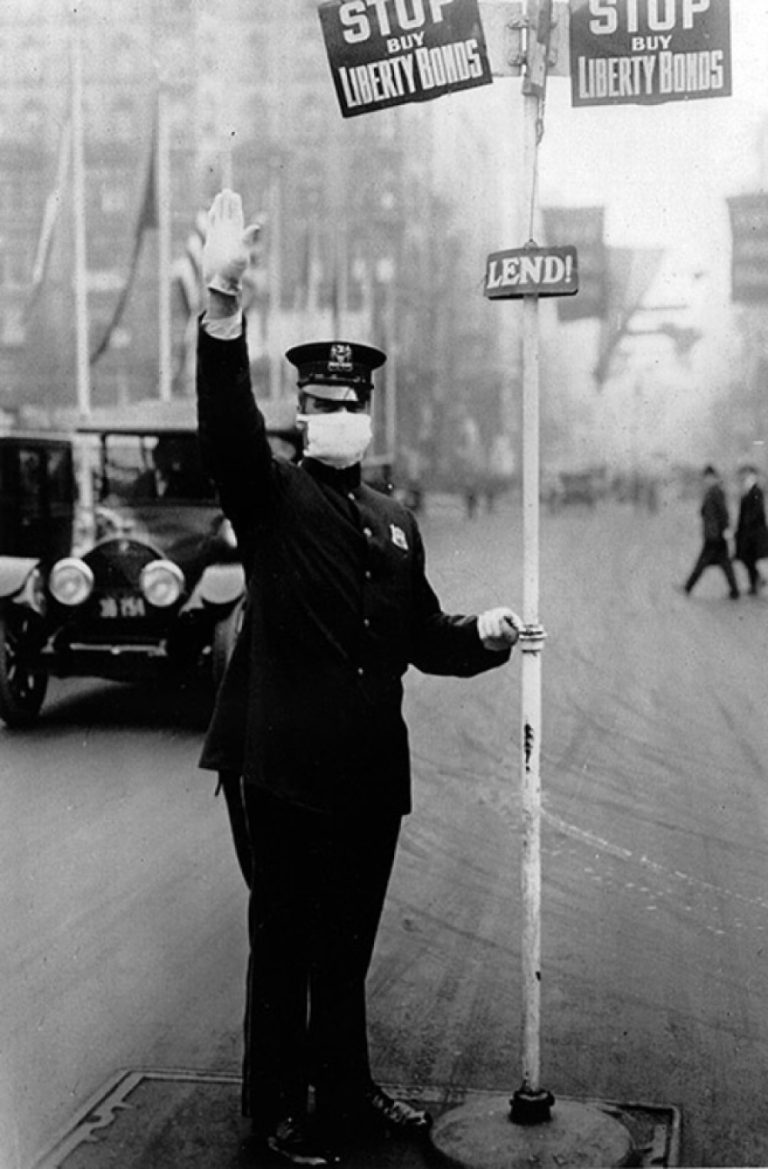
On Oct. 20, 1918, Health Commissioner Dr. Max C. Starkloff ordered a restriction of St. Louis business hours,…
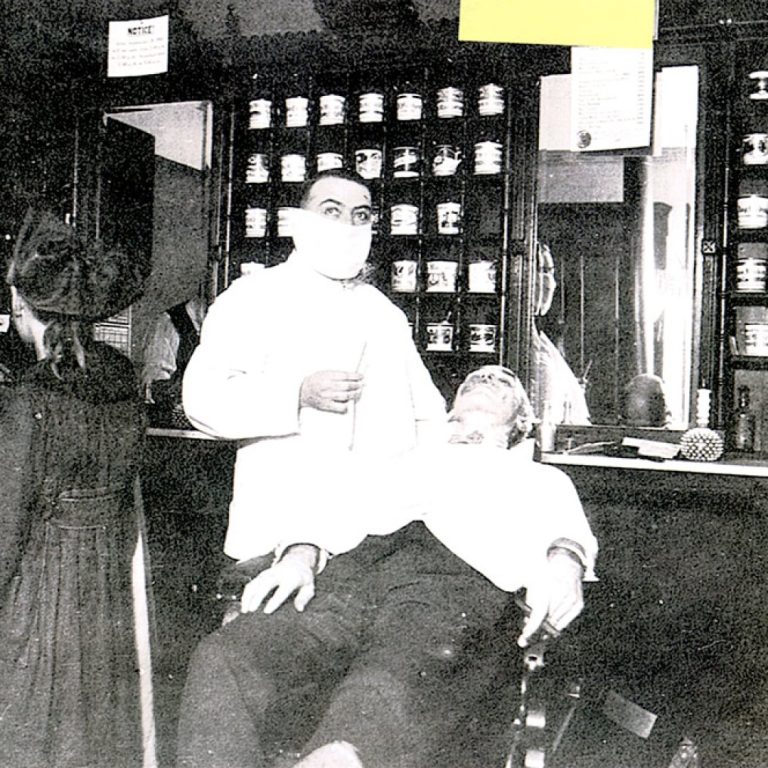
On Oct. 19, 1918, it was reported that over 3,500 Bostonians had died from influenza or pneumonia since…
By Oct. 15, 1918, over 3,500 Bostonians had died from influenza or resulting pneumonia since the epidemic began….
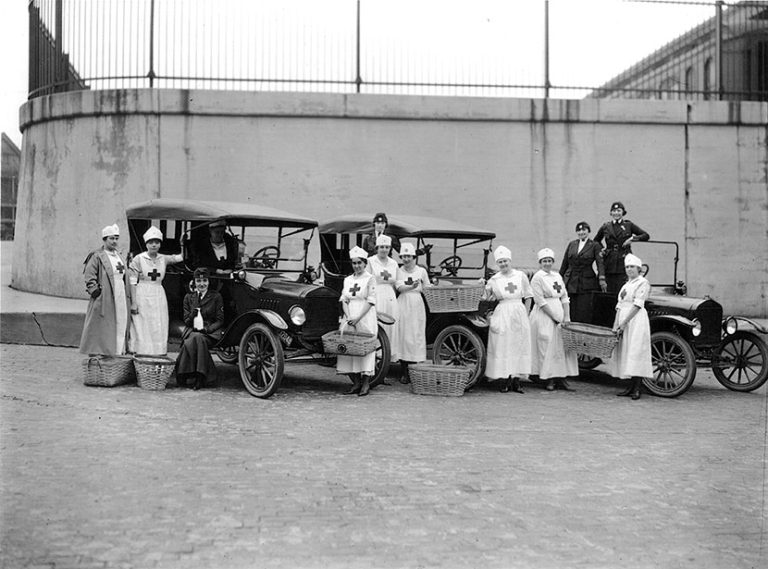
On Oct. 15, 1918, another 800 influenza cases were added to the rolls, the highest number to-date. The…
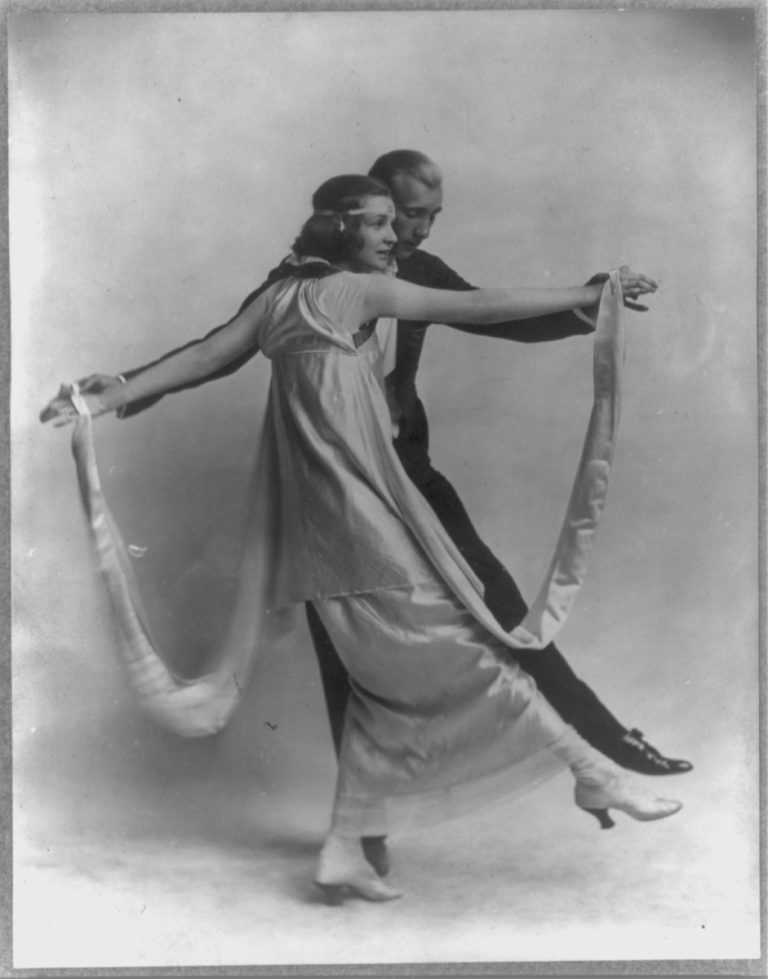
On Oct. 11, 1918, the Illinois Influenza Advisory Commission passed a binding resolution banning public dancing and public…
On Oct. 11, 1918, Baltimore health commissioner Dr. John Blake ordered all churches and poolrooms closed, and hinted…
On Oct. 10, 1918, Cincinnati Health Officer Peters estimated that there were between 4,000 and 4,500 influenza cases…
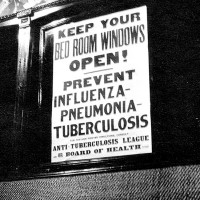
On Oct. 10, 1918, all Dallas theaters, playhouses, and all other places of public amusement were closed due…
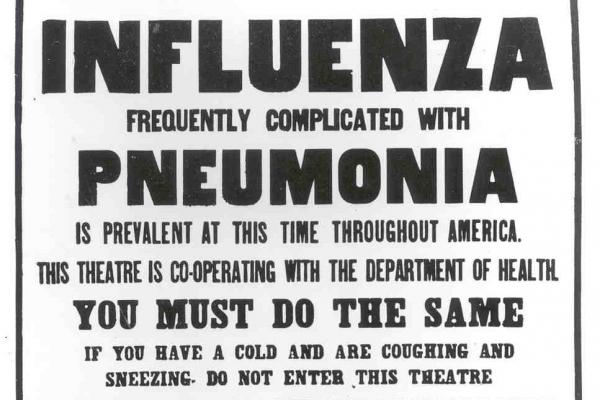
On Oct. 9, 1918, Nashville schools were closed due to the influenza epidemic. In surrounding Davidson County, the…
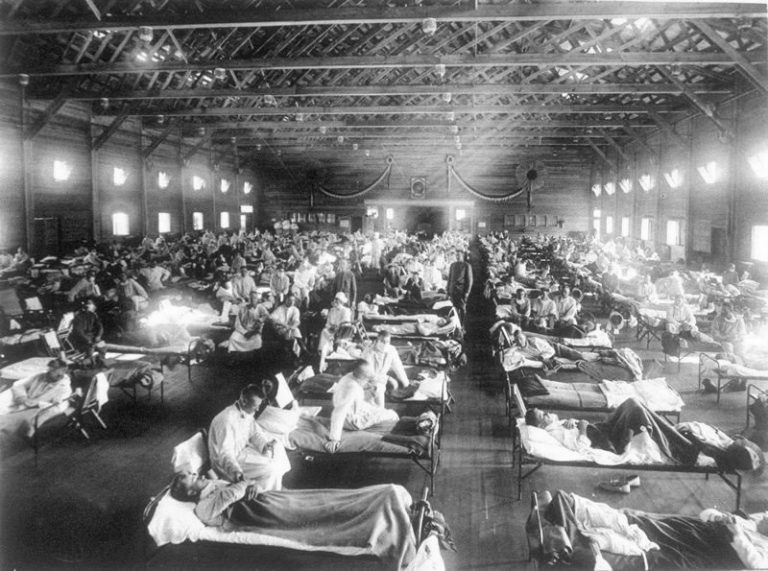
By Oct. 9, 1918, over 1,000 cases of influenza had been reported in Dallas. Later that day, Mayor…
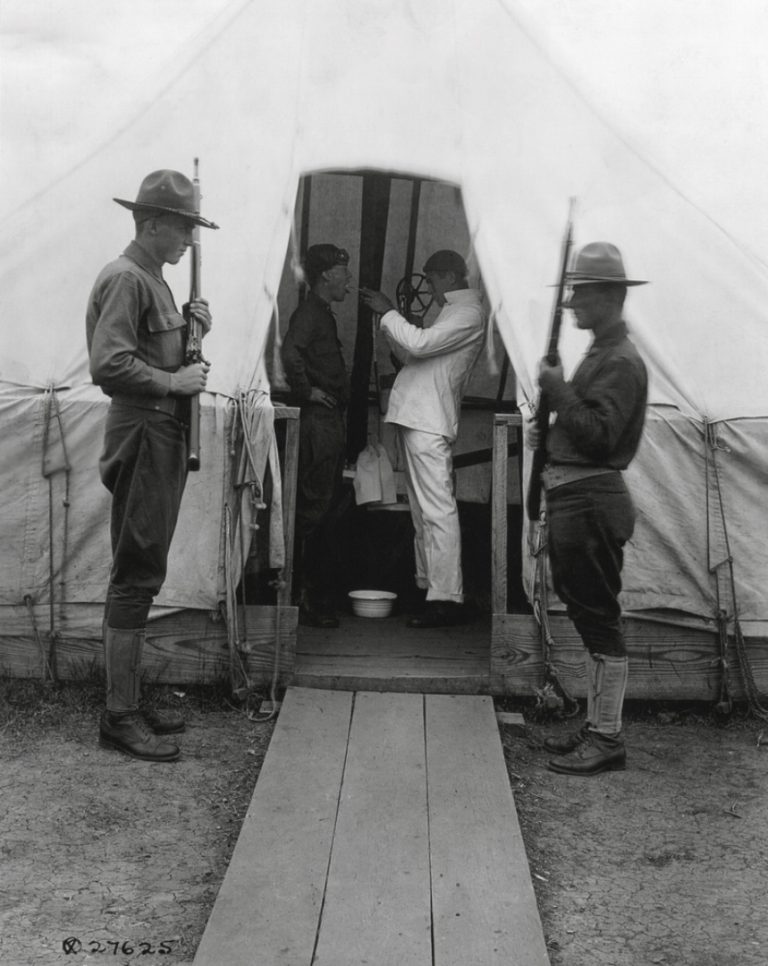
On Oct. 9, 1918, all Salt Lake City churches and public schools and universities, theater, and other gathering…
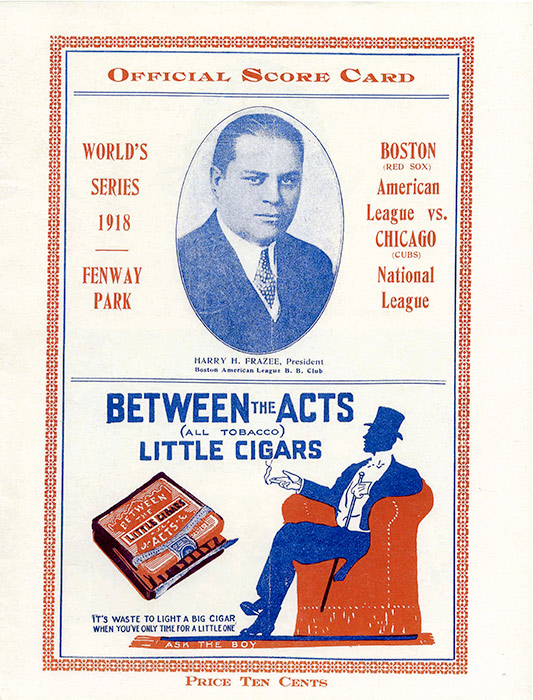
On Oct. 8, 1918, Boston’s health commissioner Dr. William C. Woodward ordered reduced hours for various stores in…
On Oct. 8, 1918, the Baltimore school board decided to take unilateral action and to close all public…