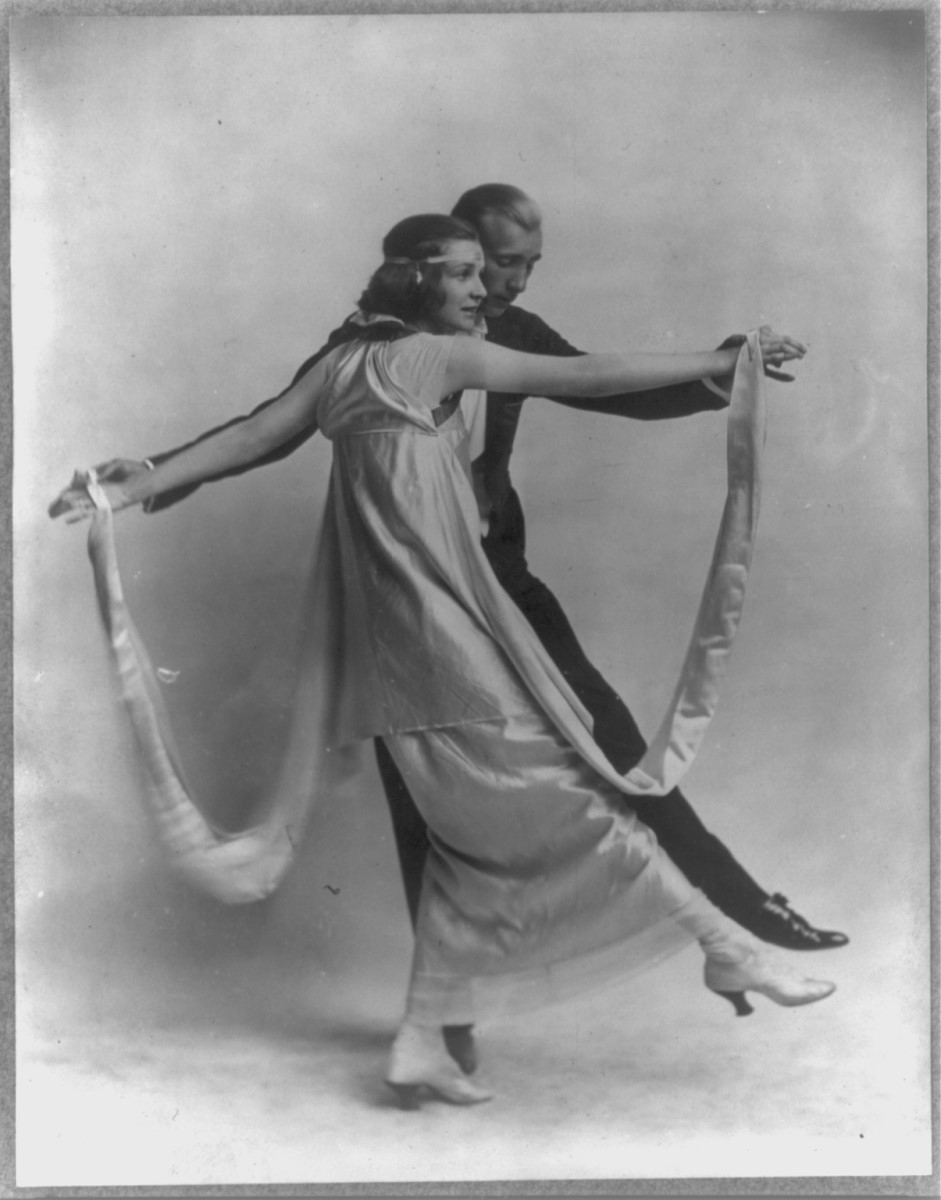
Illinois Influenza Advisory Commission banned public dancing and public funerals to slow transmission of influenza
On Oct. 11, 1918, the Illinois Influenza Advisory Commission passed a binding resolution banning public dancing and public funerals to try to slow the transmission of influenza. Churches, schools, theaters, restaurants, streetcars, and other places where people congregated were ordered to maintain proper ventilation.
The Chicago chapter of the American Red Cross issued an urgent call for volunteers. Highlighting the plight of the city’s ill and playing on the heartstrings of women across the region, the Red Cross printed the story of a nurse who made a house call expecting to find a sick mother. Instead, she discovered that the entire family was stricken with influenza: the mother and two young children were all bedridden with high fevers, a 10-month old baby was starving, and the father was wandering the streets in fevered delirium, desperately trying to find a physician to care for his family.
“This case,” the Red Cross coordinator wrote, “tells its own story and makes its own appeal to the womanhood of Chicago.” The city’s settlement houses likewise called for volunteers. Some turned themselves over entirely to the epidemic cause. The University of Chicago Settlement House, for example, stopped all its regular activities for several weeks during the epidemic in order to host an emergency hospital and diet kitchen, the latter serving a total of approximately 3,000 meals.
Tags:
Source: Influenza Encyclopedia, University of Michigan Center for the History of Medicine
Credit: Photo: Courtesy University of Michigan Center for the History of Medicine.