Stanford researchers discovered that mutations in a single gene are responsible for most common form of skin cancer
In 1996, Stanford Medicine developmental biologist Matthew Scott and a team at University of California, San Francisco discovered…
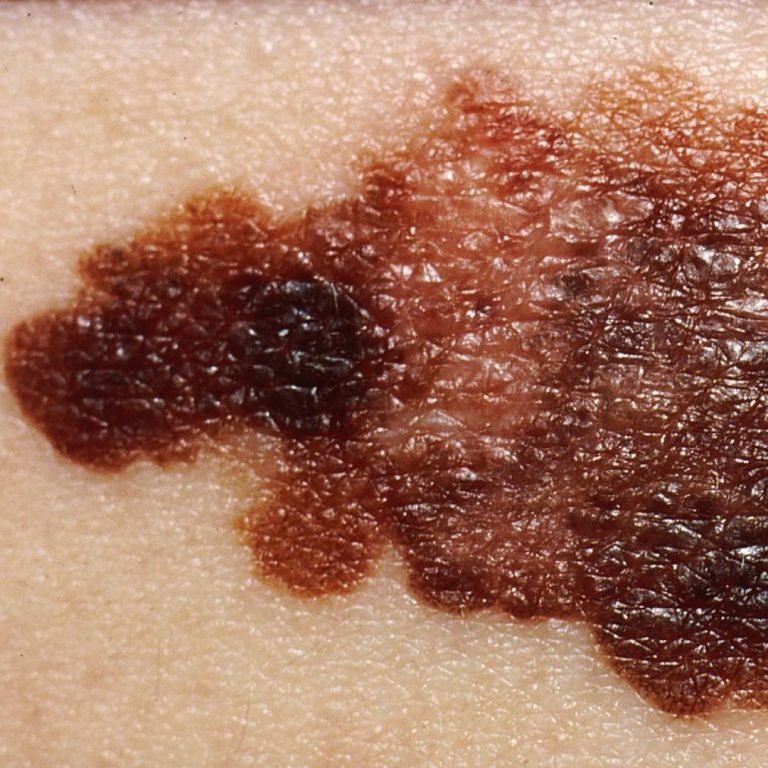
In 1996, Stanford Medicine developmental biologist Matthew Scott and a team at University of California, San Francisco discovered…

In Oct. 1995, 70 scientists from 20 countries met in Lexington, Kentucky to make a plan for mapping…

In 1995, Mary-Claire King, an internationally known human geneticist, was recruited to the University of Washington’s (UW) School…

On Dec. 12, 2018, the scientists behind the Horse Genome Project released scientific standards for genetic testing. The…

In 1995, the Ronald laboratory isolated and characterized the rice XA21 genetic locus and showed that XA21 encodes…

On May 18, 1994, the U.S. Food and Drug Administration (FDA) approved of the first genetically modified food:…

In 1994, National Center for Genome Resources (NCGR) founded with support from Senator Pete Domenici as an independent…

On Dec. 7, 1993, Dana-Farber scientists identified the gene that causes an inherited form of colon cancer, which…
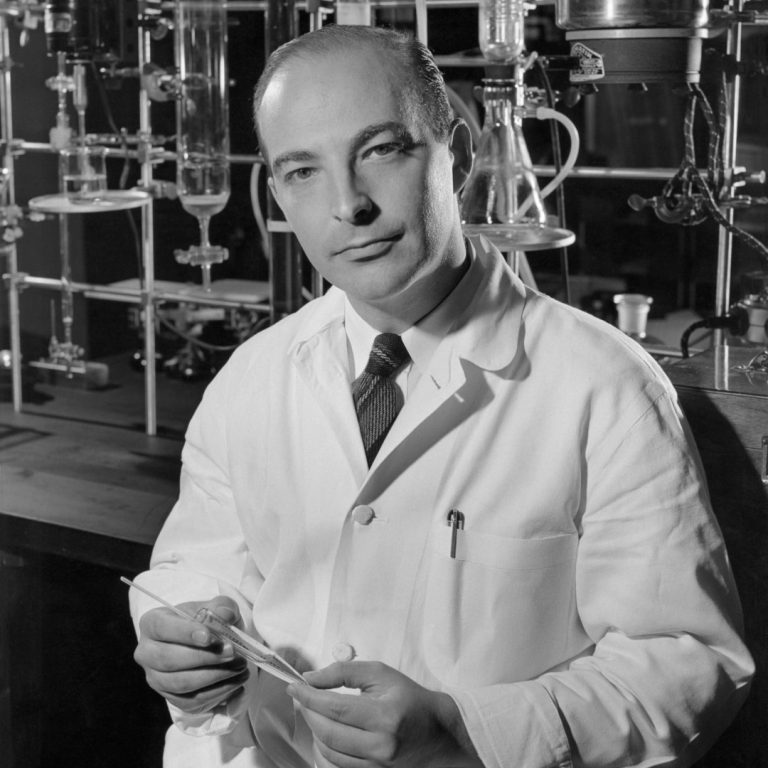
On Oct. 22, 1990, scientists from Stanford University led by Arthur Kornberg announced they had discovered a chemical…

In 1990, Geneticist Mary-Claire King and her colleagues at the University of California, Berkeley (UC Berkeley) discovered BRCA1,…

On Aug. 15, 1988, a program advisory committee on the human genome was established to advise the National…
On Jun. 24, 1988, University of Washington hearing researchers Jeffrey Corwin and Douglas Cotanche published the first report…

In 1988, James C. Wang discovered DNA topoisomerases, which led to greater understanding of enzymes’ role in biological…

In 1988, scientists at the University of Georgia’s Savannah River Ecology Laboratory find 10 times more genetic diversity…

On Nov. 30, 1987, scientists at the University of California at San Diego and Wills Eye Hospital announced…

In 1987, Dr. Robert Thornburg at Iowa State University (ISU) prepared transgenic tobacco plants expressing a gene that…
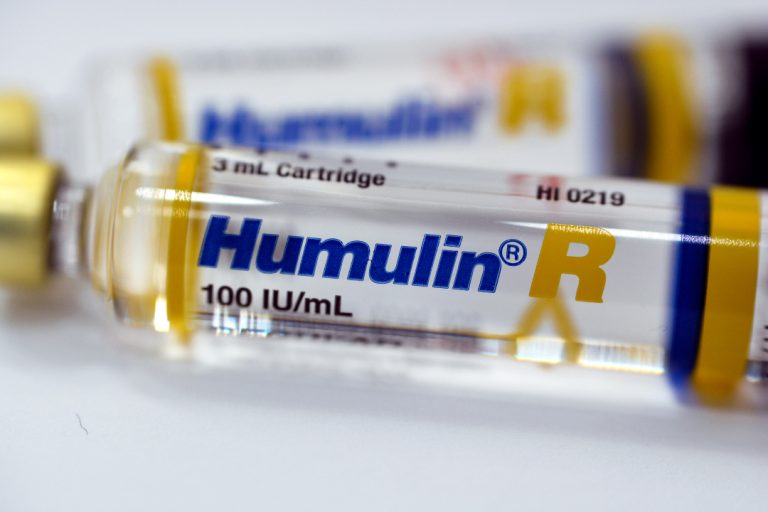
In 1987, Eli Lilly and Company introduced Humulin insulin identical to that produced by the human body. Humulin…

In 1987, Boston Children’s Hospital researcher Lous Kunkel and his colleagues discovered the gene that causes Duchenne muscular…

In 1985, Federal courts ruled that private companies don’t need National Institutes of Health’s (NIH) permission for field…
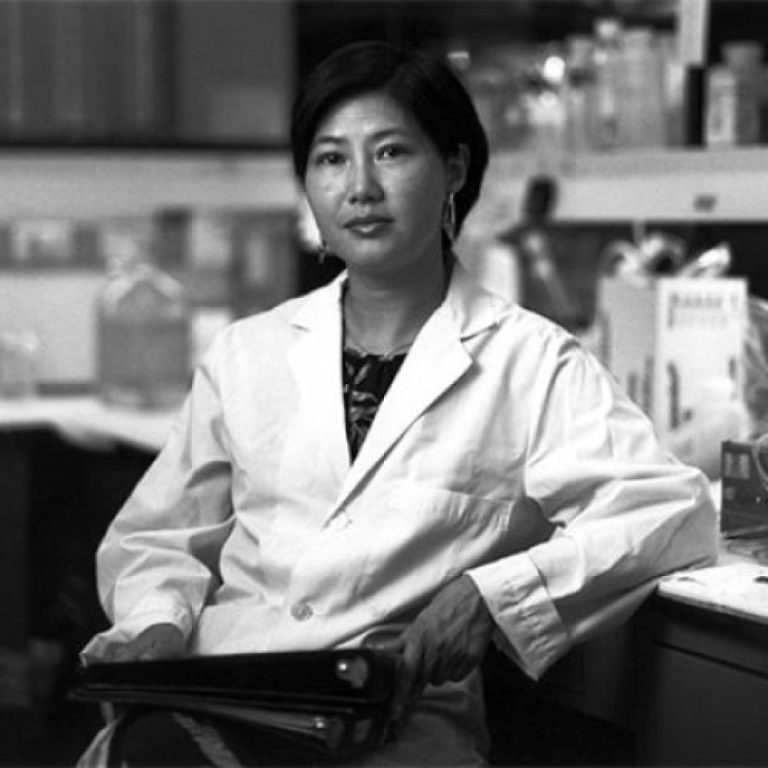
In 1985, virologist Flossie Wong-Staal became the first person to clone HIV, which led to the development of…

On Sept. 10, 1984, geneticist Alec Jeffreys, and technician Vicky Wilson at the University of Leicester in England…

On Mar. 8, 1984, two articles describing the cloning of the T-Cell Receptor (TCR) by Tak Wah Mak…

In 1984, the International Centre for Genetic Engineering and Biotechnology (ICGEB), the U.N. Industrial Development Organization (UNIDO) bowed…

In 1984, the U.S. Environmental Protection Agency (EPA) announced that if you genetically engineer any microbe intended for…
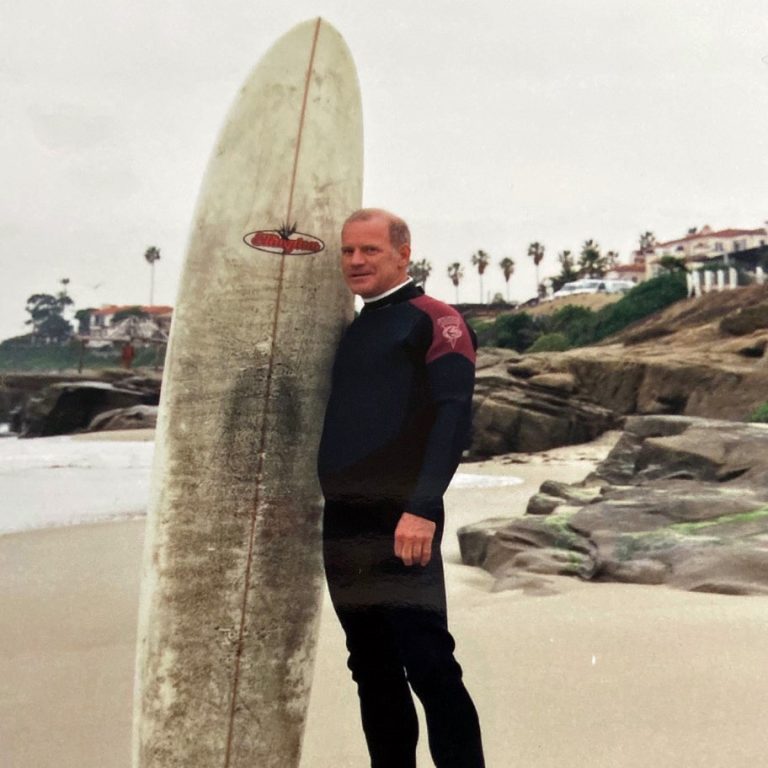
In 1983, Kary Mullis, PhD, a scientist at the Cetus Corp., conceived of polymerase chain reaction (PCR) as…
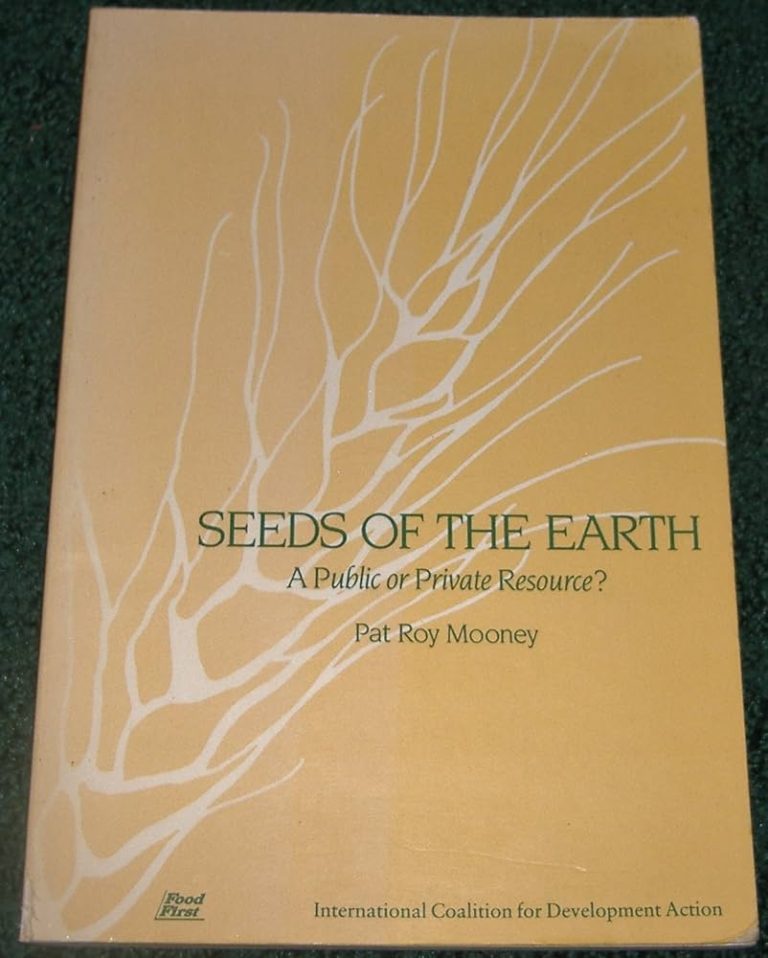
In 1983, Pat Mooney’s Law of the Seed was released, published by the Dag Hammarskjöld Foundation, which is…
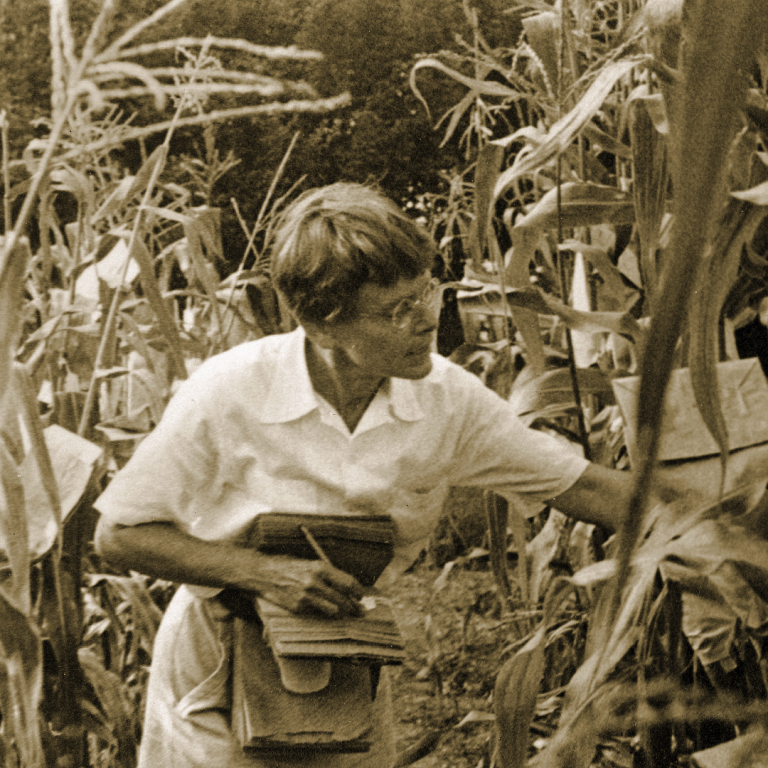
In 1983, Barbara McClintock was awarded the Nobel Prize in Physiology or Medicine for her discovery of mobile…
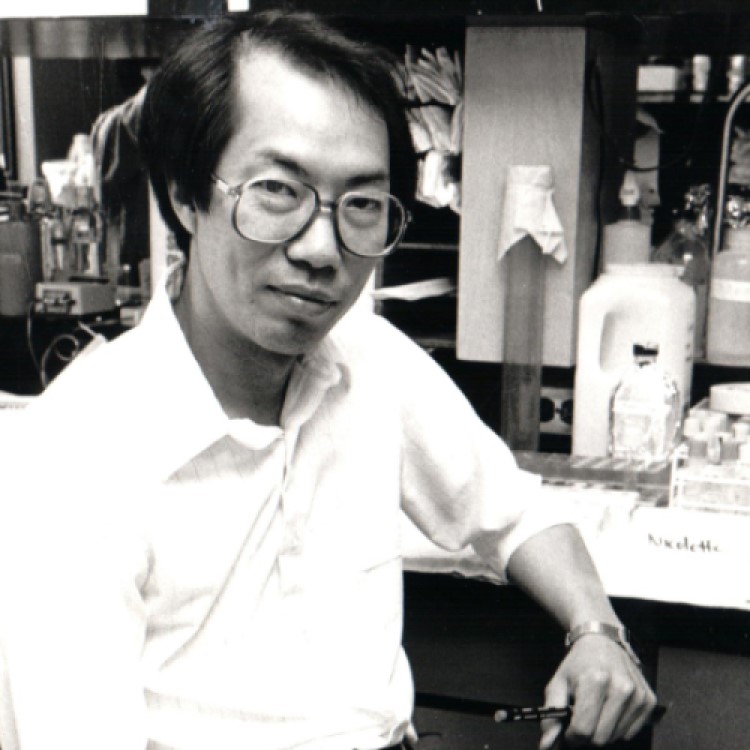
In 1983, Dr. Tak Wah Mak co-discovered the T-cell receptor and the gene that produces it. Dr. Mak…
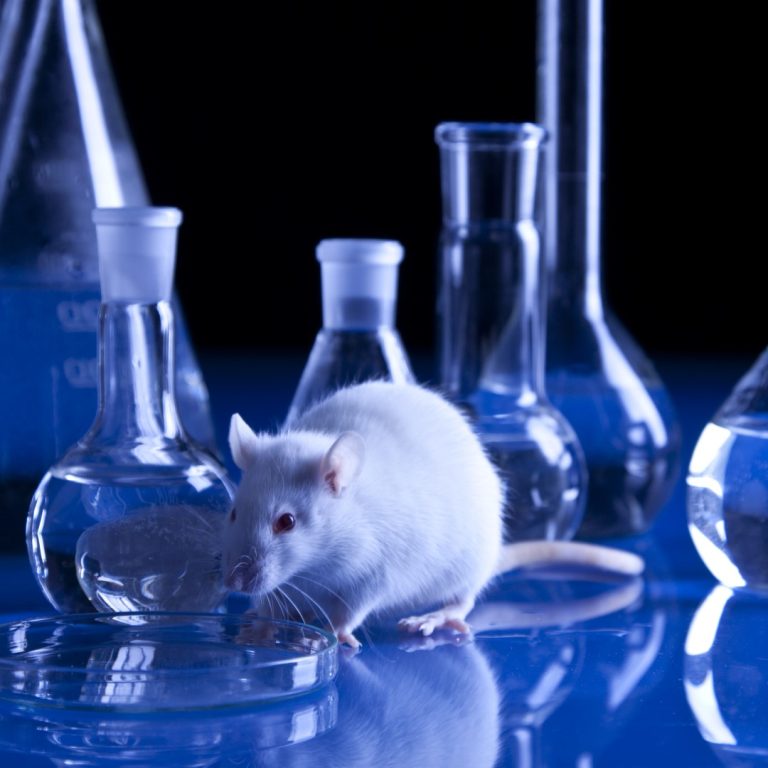
On Dec. 18, 1982, Richard D. Palmiter at the University of Washington scientists in collaboration with Ralph L….

On Oct. 28, 1982, after only 5 months of review, the U.S. Food and Drug Administration (FDA) approved…