DNA recovered from museum specimens of extinct moas, giant flightless birds
On Jul. 1, 2009, researchers from the University of Adelaide and Landcare Research in New Zealand have identified…
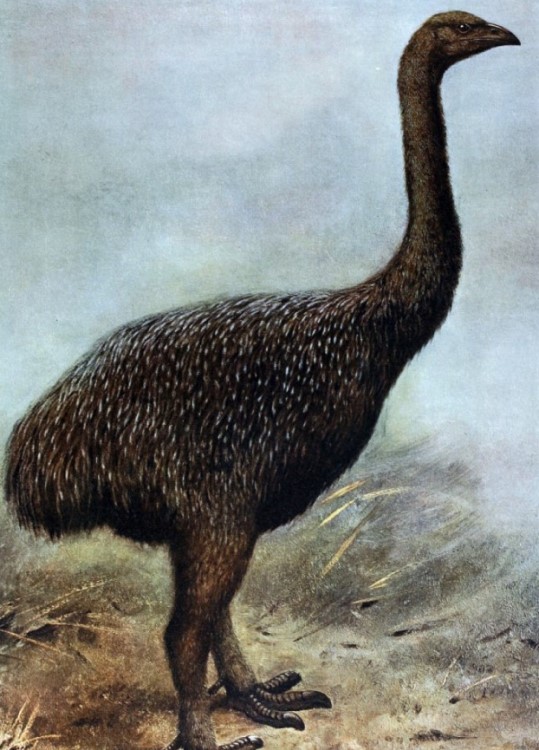
On Jul. 1, 2009, researchers from the University of Adelaide and Landcare Research in New Zealand have identified…

On Mar. 11, 2009, researchers announced they had DNA evidence that the two individuals recovered from the 2007…

On Feb. 4, 2009, the presidents of the MGH, MIT and Harvard University announced the creation of the…

On Aug. 20, 2007, researchers from Stanford University announced they had identified a pattern of gene expression shared…
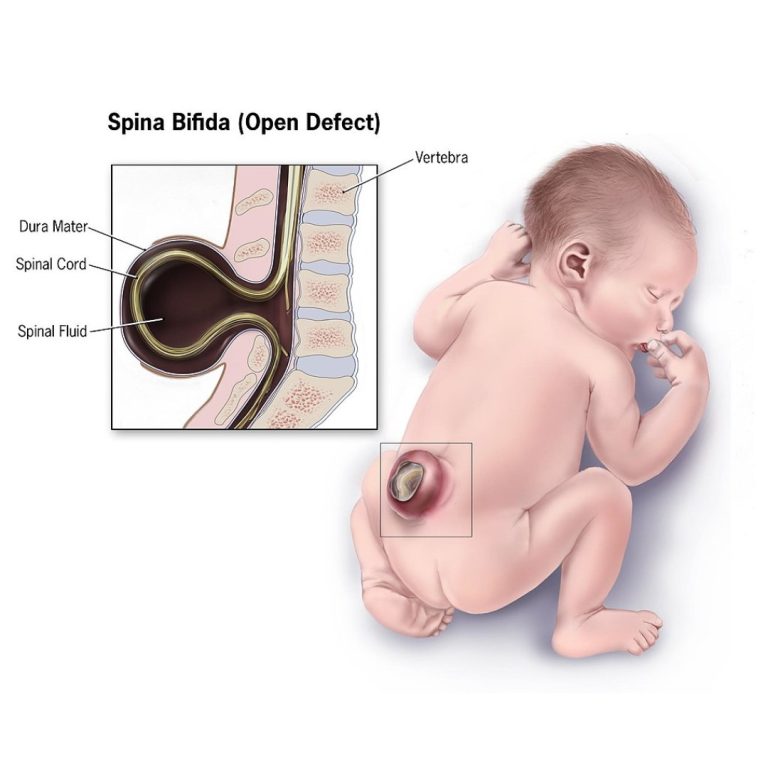
On Apr. 5, 2007, Dr. Philippe Gros and his team of McGill University researchers identified a gene that…

On Feb. 7. 2007, the first draft of the horse genome sequence was deposited in public databases and…

In 2007, Nancy Wexler, PhD, received the Benjamin Franklin Medal in Life Science for her discovery of the…

In 2007, Texas Biomed geneticists announced their discovery that a particular gene, VNN1, plays a major role in…

On Nov. 20, 2006, the Genome Sequencing Center at Washington University School of Medicine in St. Louis announced…

On Oct. 16, 2006, the National Cancer Institute (NCI) and the National Human Genome Research Institute (NHGRI), both…
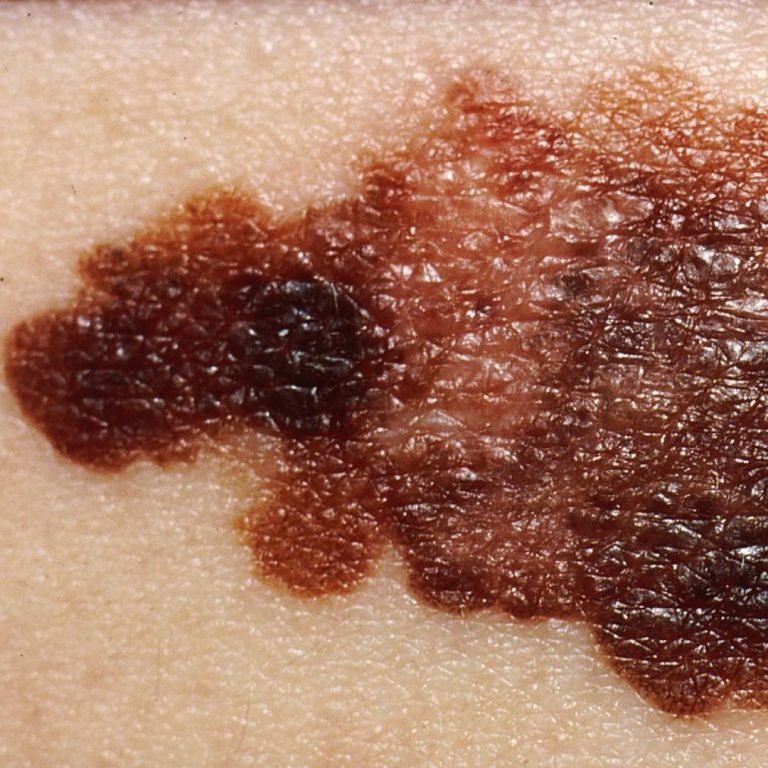
On Jun. 29, 2006, researchers at the National Cancer Institute (NCI), part of the National Institutes of Health,…
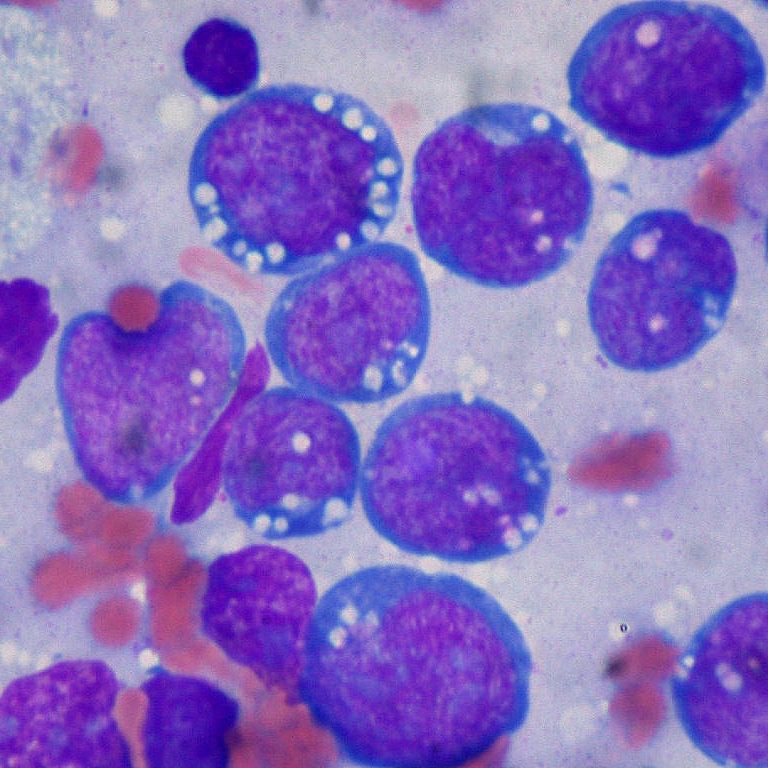
On Jun. 7, 2006, gene profiling, a molecular technique that examines many genes simultaneously, can accurately distinguish between…

In 2006, Stealth BioTherapeutics was established as an innovative biopharmaceutical company developing therapies to treat mitochondrial dysfunction associated…
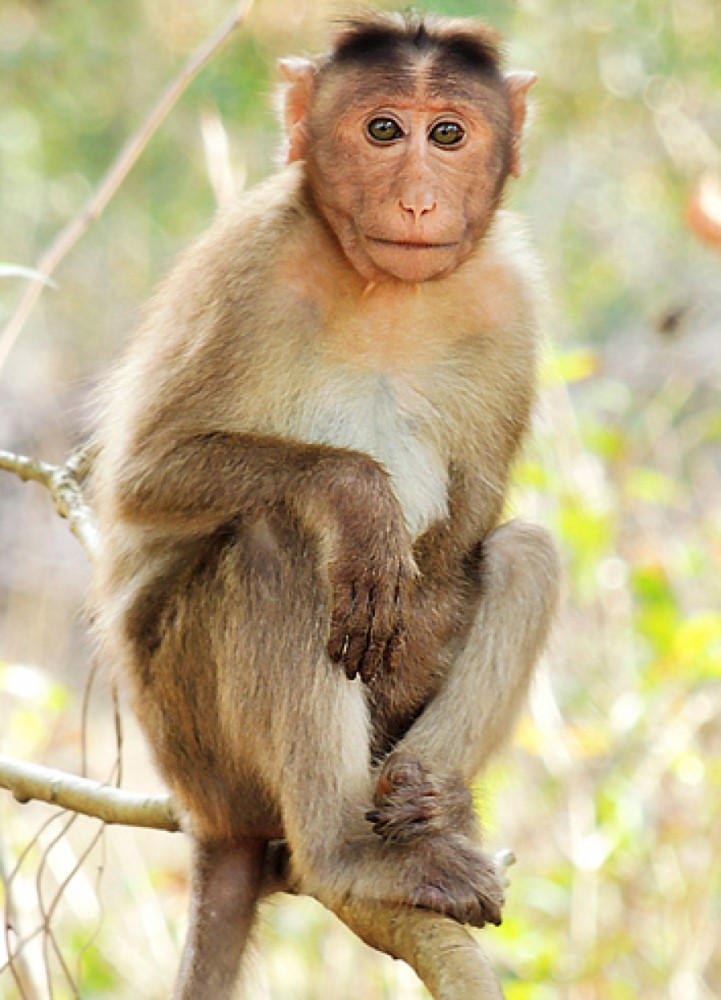
In 2006, Texas Biomed researchers published a genetic linkage map for the rhesus monkey. In 1999, Texas Biomed…

On Oct. 21, 2003, scientists at Oregon Health Sciences University’s (OHSU) Casey Eye Institute announced they had found…

On Apr. 14, 2003, The International Human Genome Sequencing Consortium, led in the U.S. the National Human Genome…

In Jun. 2002, the Translational Genomics Research Institute (TGen), a non-profit 501(c)(3) organization focused on developing earlier diagnostics…
In 2001, The February 16 issue of Science and February 15 issue of Nature contain the working draft…
On Jan. 11, 2001, Oregon Health Sciences University (OHSU) researchers reported the production of the world’s first genetically…
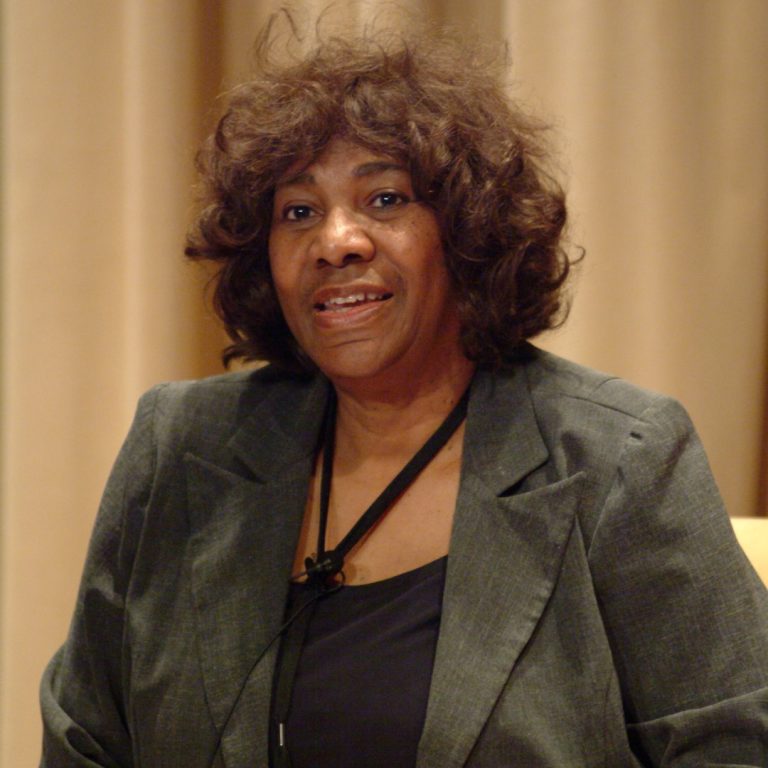
In 2001, human immunogenetics professor Dr. Gloria M. Dunston founded the National Human Genome Center at Howard University….
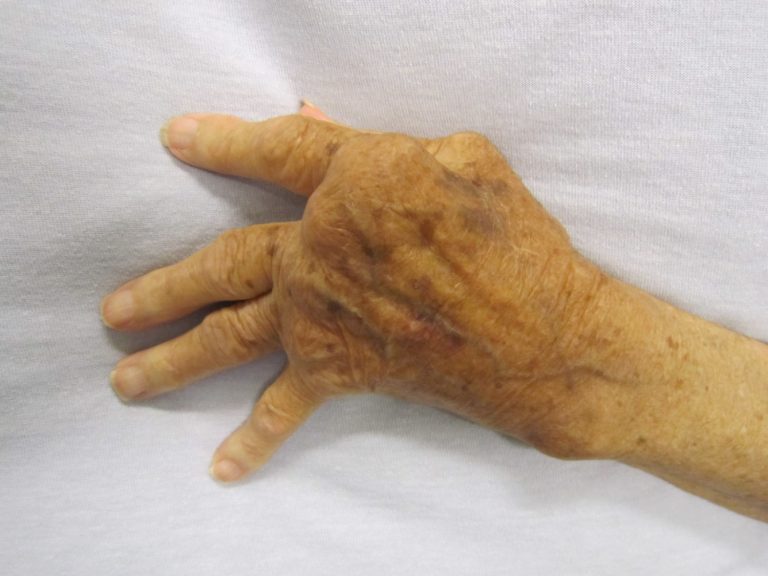
On Jul. 11, 2000, Stanford researchers announced they had identified a substance commonly added to toothpaste to prevent…
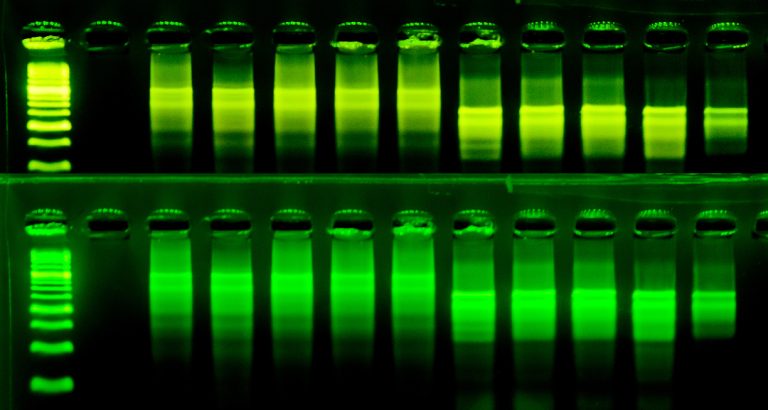
In 2000, the Capillary electrophoresis DNA sequencer device was developed by Dr. Edward Yeung at Iowa State University….
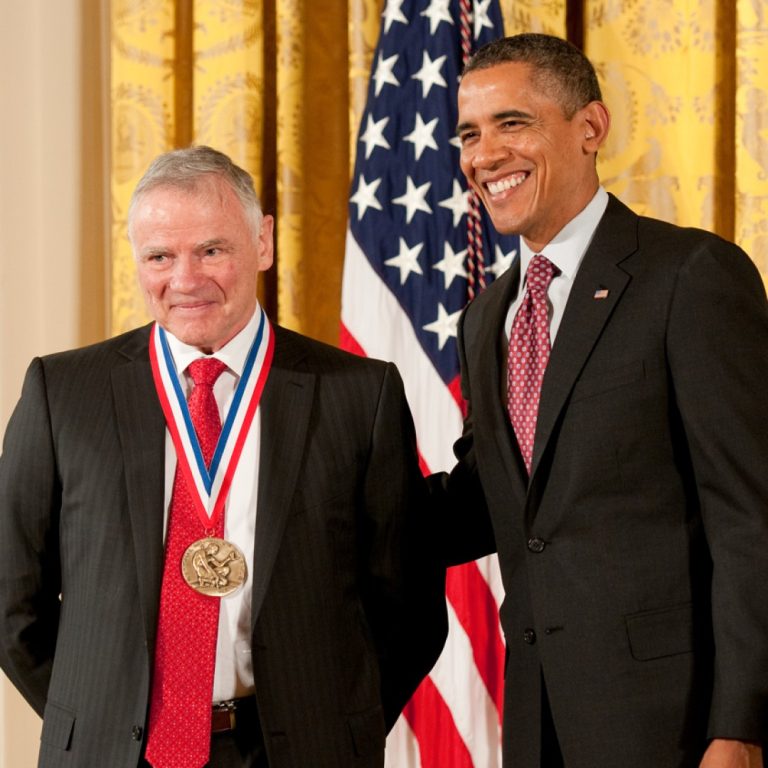
On Dec. 13, 1999, the University of Washington (UW) announced that Dr. Leroy Hood, chair of the Department…
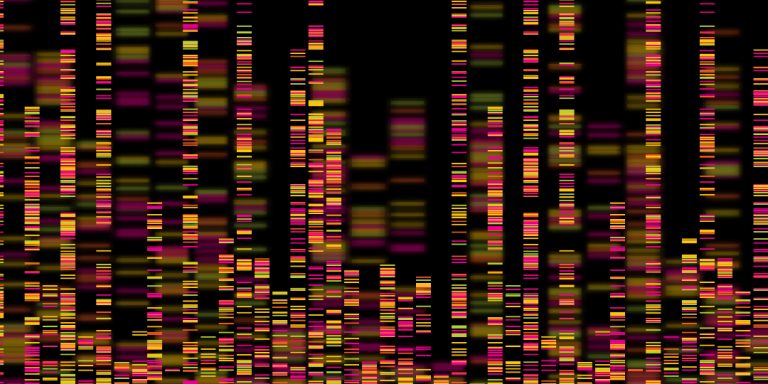
On Dec. 2, 1999, an international team of researchers at the Sanger Centre near Cambridge, England; University of…

On Aug. 11, 1999, researchers led by Stanford’s Emmanuel Mignot, MD, PhD, associate professor of psychiatry, used a…
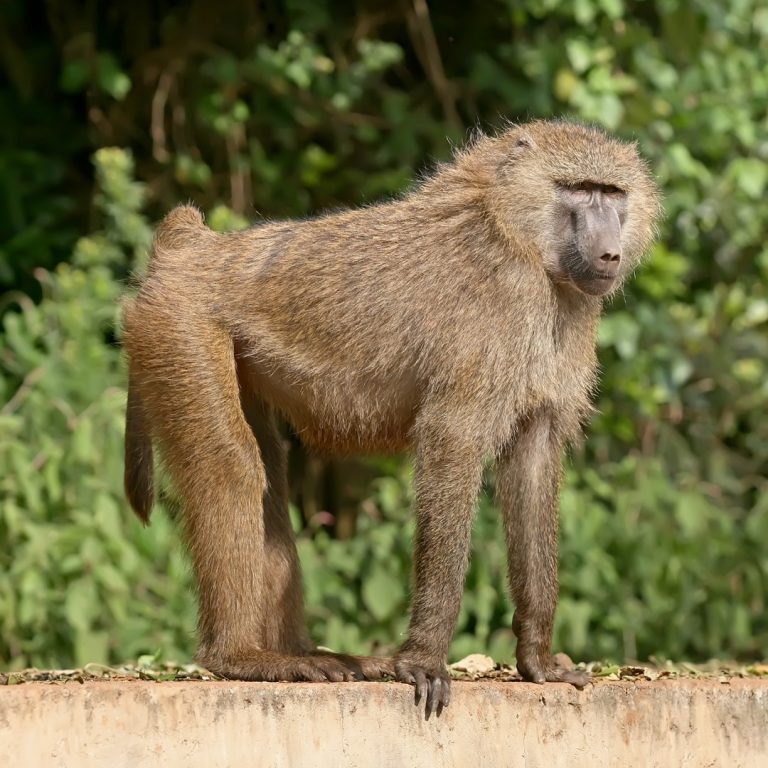
In 1999, Texas Biomed researchers published the baboon gene map, the first genetic linkage of a nonhuman primate….

In 1998, the Cystic Fibrosis Research Center was founded at University of Iowa’s College of Medicine. Today, the…
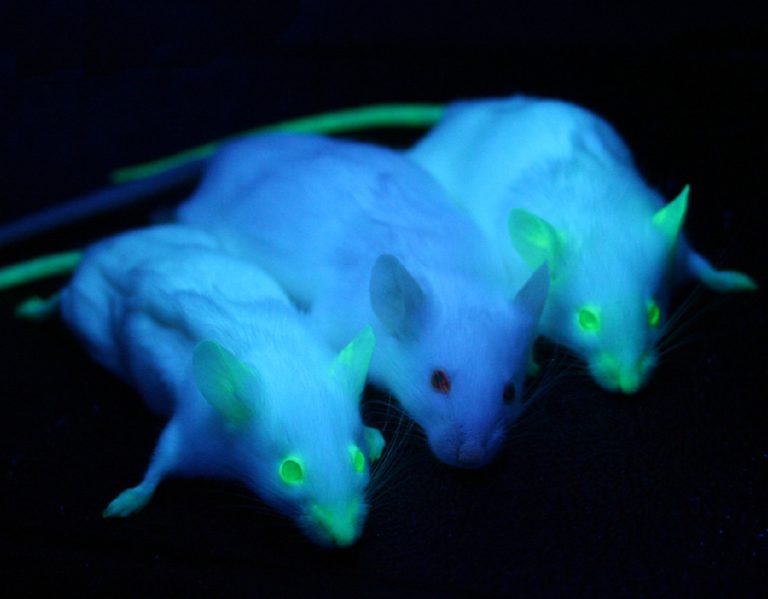
On Oct. 9, 1997, Stanford researchers announced that in a series of experiments performed in mice and rats,…

On Jun. 14, 1996, an analysis of genes in living organisms suggested that the world’s first animals emerged…
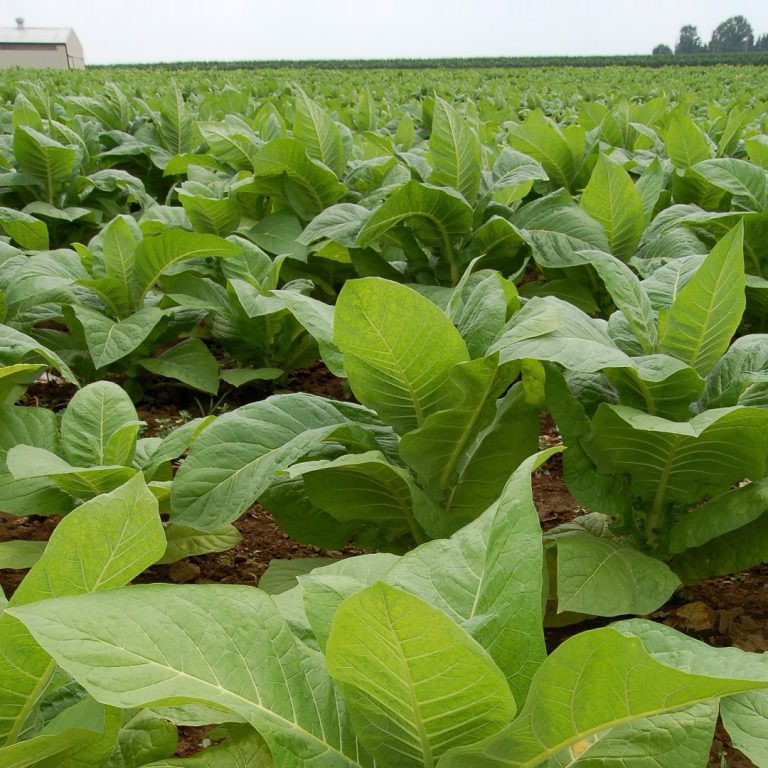
In 1996, the first genetically engineered crop was commercialized. The first genetically modified plant was produced a short…