Annual Report to the Nation on the Status of Cancer showed cancer death rates dropped from 1993-2002
On Oct. 5, 2005, the National Cancer Institute’s Annual Report to the Nation on the Status of Cancer,…

On Oct. 5, 2005, the National Cancer Institute’s Annual Report to the Nation on the Status of Cancer,…

On Sept. 22, 2005, the Siteman Cancer Center opened a new center at Barnes-Jewish St. Peters Hospital. The…
On Apr. 12, 2005, the National Cancer Institute (NCI) announced the creation of the cancer Biomedical Informatics Grid…
On Feb. 4, 2005, World Cancer Day was established by The World Health Organization. Cancer is a leading…
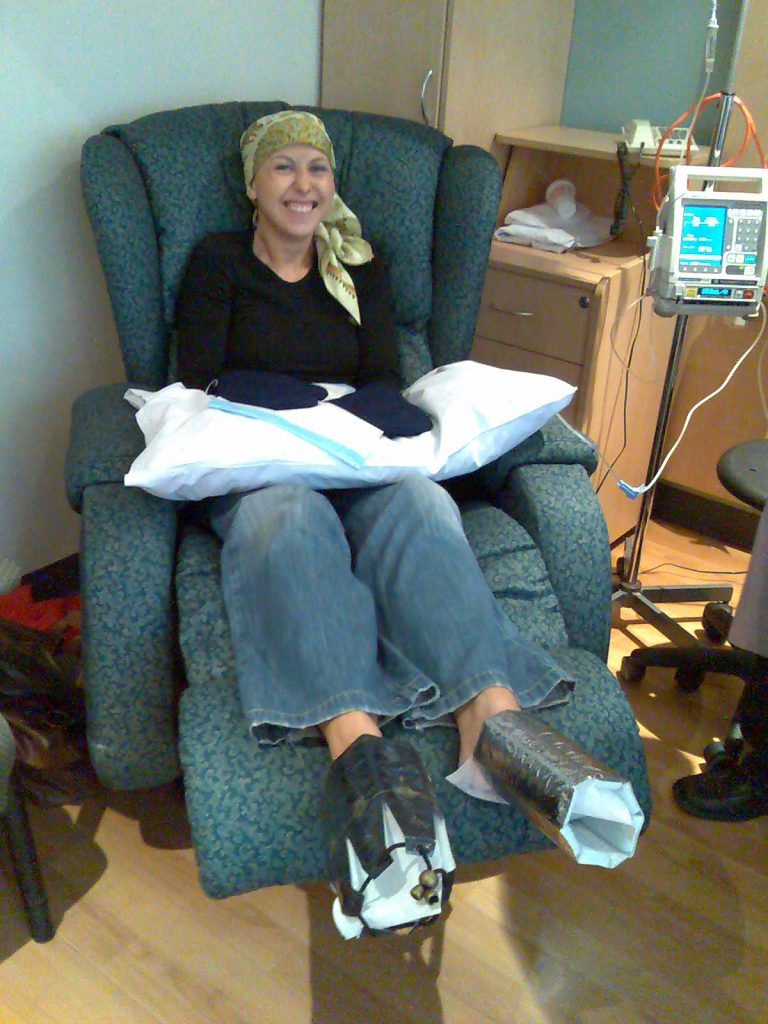
In 2005, The Patient Navigator Research Program (PNRP), a National Cancer Institute initiative, was underway to assess the…

In 2005, the Georgia Legislature passed the Smoke Free Air Act, banning indoor smoking in publicly accessible buildings,…
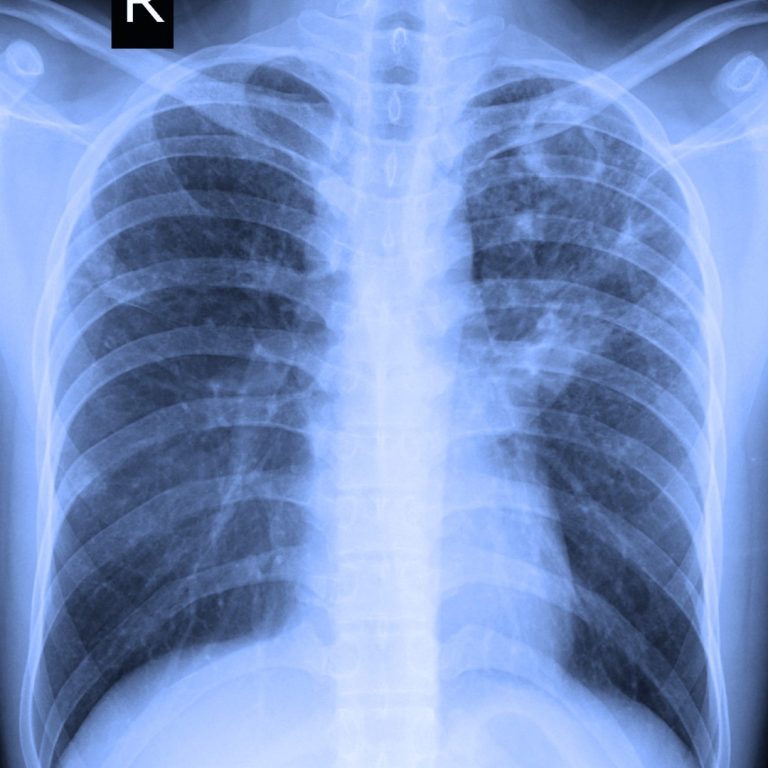
In 2005, Dr. Michael Mulligan from the University of Washington performed Seattle Cancer Care Alliance’s (SCCA) first video-assisted…
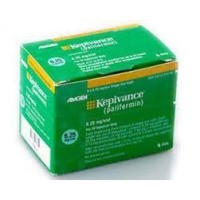
On Dec. 15, 2004, Amgen announced that following priority review, the FDA has approved Kepivance(TM) (palifermin), the first…

On Sept. 30, 2003, University of Iowa (UI) Microbiology Professor Mark Stinski made the discoveries of CMV promoter…
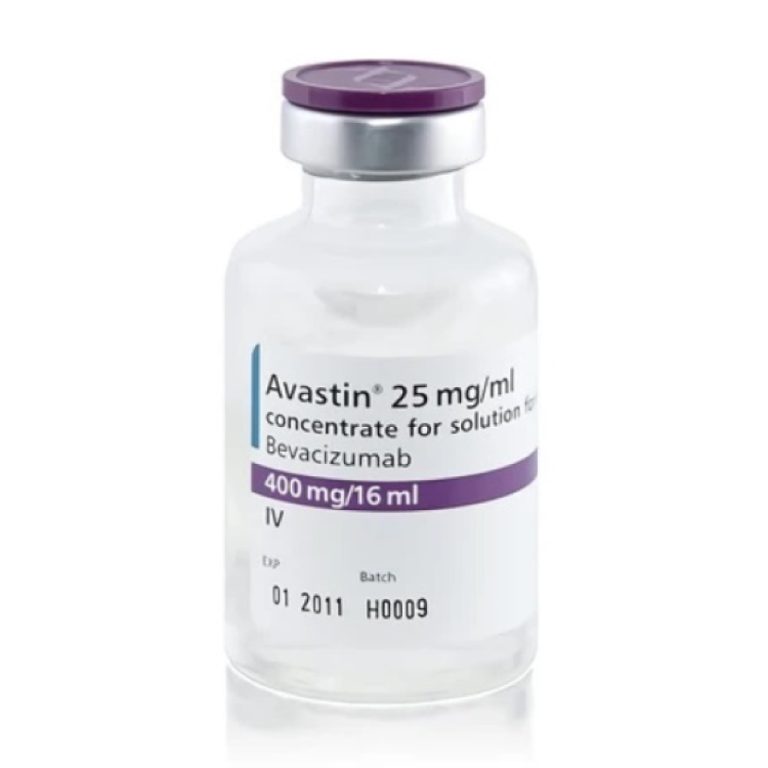
On Feb. 26, 2004, the U.S. Food and Drug Administration (FDA) announced it had approved the first antiangiogenic…

In 2004, the University of Georgia Cancer Center was established, specializing in drug targets, diagnostic tests, cancer vaccines,…

In 2004, the Oklahoma Medical Research Foundation (OMRF) opened the state’s first small animal magnetic resonance imaging facility….
On Apr. 24, 2003, the National Cancer Institute, CDC, AHRQ, and SAMHSA, in collaboration with the American Cancer…

In Sept. 2003, Emory’s Winship Cancer Institute opened a new, 280,000-square-foot, state-of-the-art facility, adding new research and high-tech…
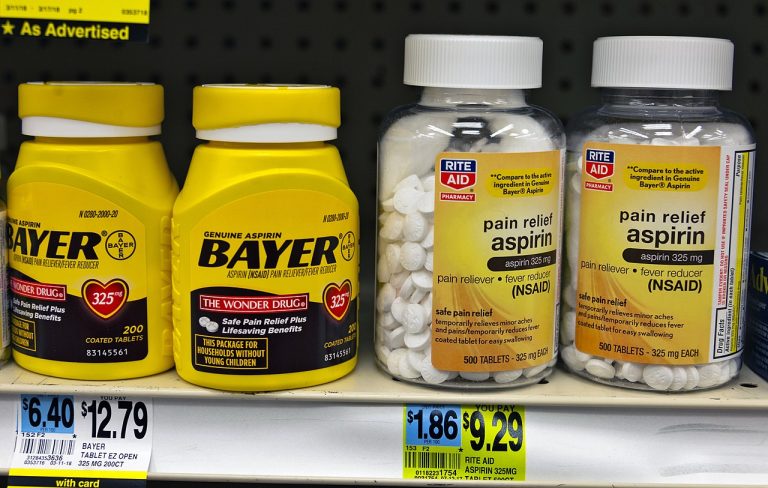
On Mar. 5, 2003, taking daily aspirin for as little as 3 years was shown to reduce the…
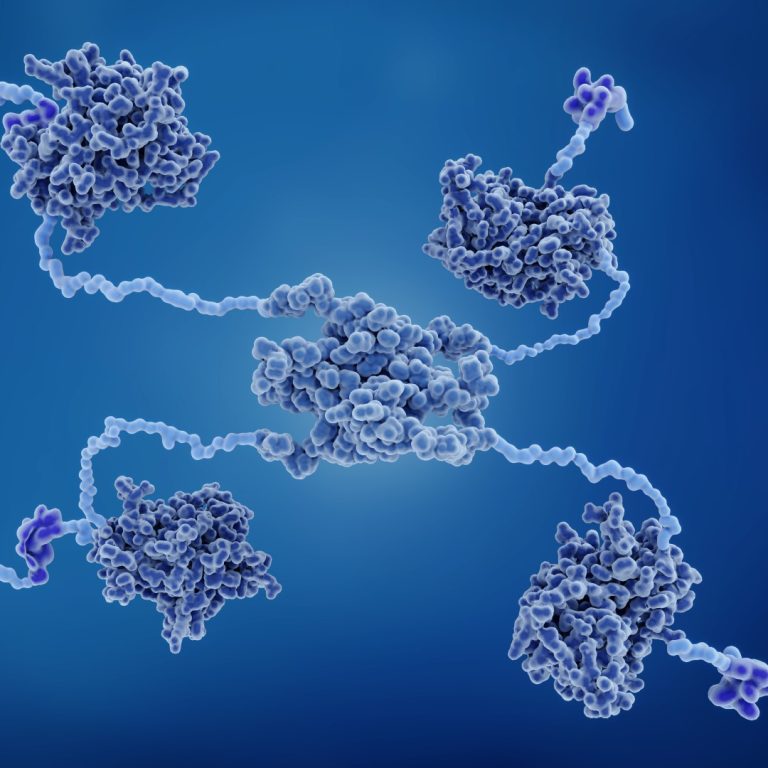
In 2003, China granted the world’s first regulatory approval of a gene therapy product, Gendicine (Shenzhen SiBiono GenTech),…

In 2003, the Institute for Research in Immunology and Cancer (IRIC) was created at the University of Montreal…
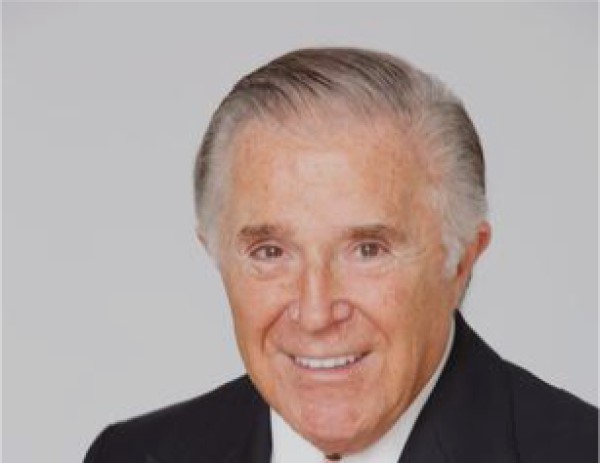
On Dec. 1, 202, Sidney Kimmel, founder and chairman of Jones Apparel Group, donated $150 million for cancer…
On Oct. 31, 2002, National Cancer Institute (NCI) researchers announced they had discovered that a molecule best known…
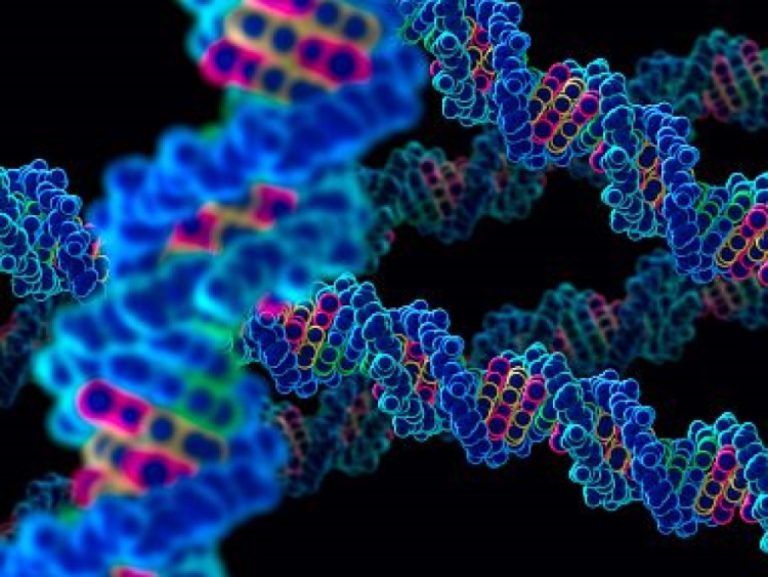
On Oct. 29, 2002, an international research consortium launched a $100 million public-private effort to create the next…
On Oct. 16, 2002, patterns of proteins found in patients’ blood may help distinguish between prostate cancer and…
On Jul. 17, 2002, a National Cancer Institute funded trial showed that postmenopausal women who used estrogen replacement…
On Feb. 1, 2002, the U.S. Food and Drug Administration (FDA) approved the drug Gleevec, formerly known as…

On Jan. 22, 2002, Dr. Andrew C. von Eschenbach became the twelfth director of the National Cancer Institute…

In 2002, digital diagnostic technology was developed with the creation of AQUA (Automated Quantitative Analysis) at Yale Cancer…
In 2002, the Nevada Cancer Institute (NVCI), founded in 2002 and located in Summerlin, was a non-profit organization…

In 2002, Stanford geneticist Mark Kay uses a gene-therapy technique known as RNA inhibition to switch off genes…

In 2002, the Cancer Center at Baylor College of Medicine, now known as the Dan L Duncan Comprehensive…
In 2002, Stanford researchers became the first to use gene expression profiling to predict cancer outcomes. The research…
On Nov. 28, 2001, researchers discovered the E6 and E7 gene in HPV virus, linking cervical cancer cell…