Los Angeles Mayor declared a state of public emergency due to influenza
On Oct. 11, 1918, Los Angeles Mayor Frederick T. Woodman declared a state of public emergency due to…
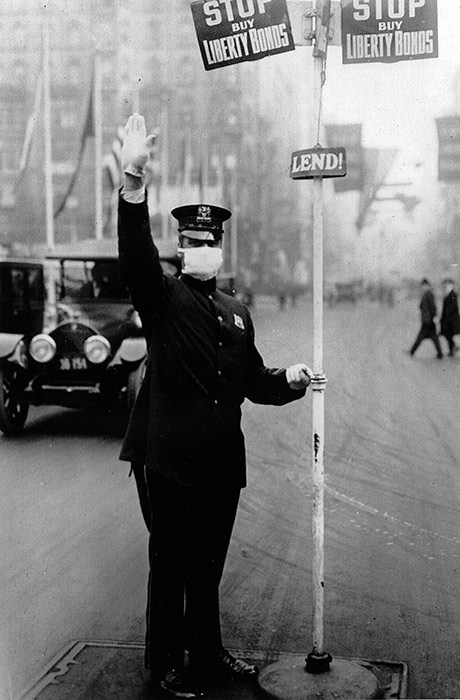
On Oct. 11, 1918, Los Angeles Mayor Frederick T. Woodman declared a state of public emergency due to…
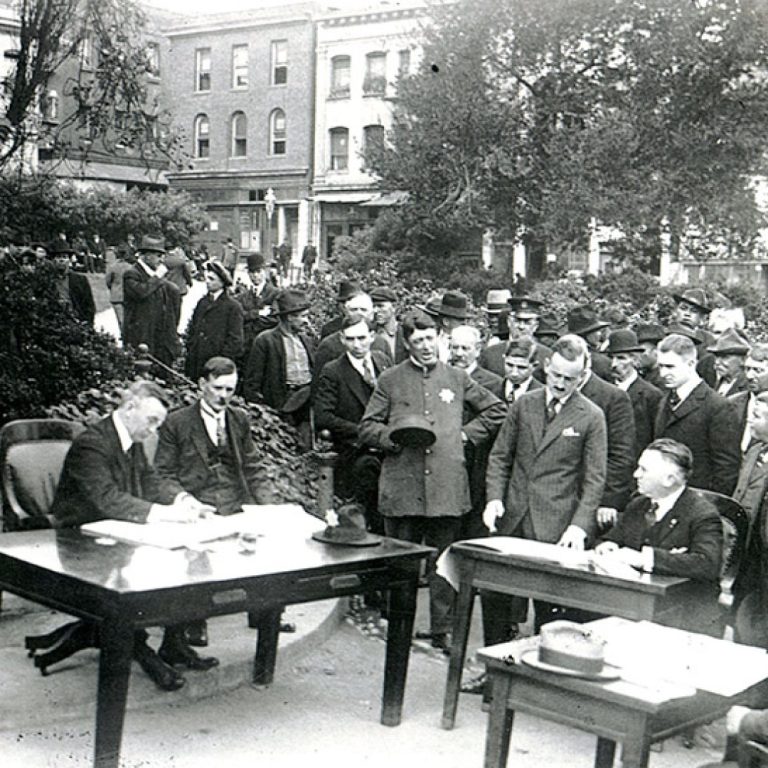
On Sept. 23, 1918, the Spanish Flu reached San Francisco when city health officer Dr. William C. Hassler…
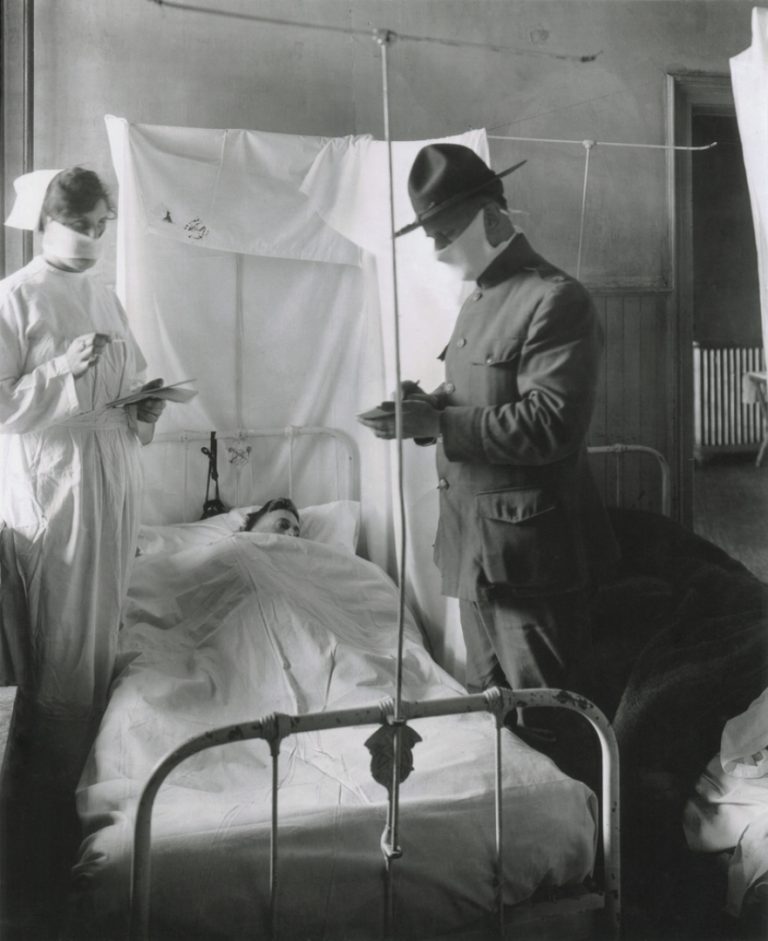
On Sept. 22, 1918, the first civilian cases in Los Angeles appeared, although influenza was not made a…
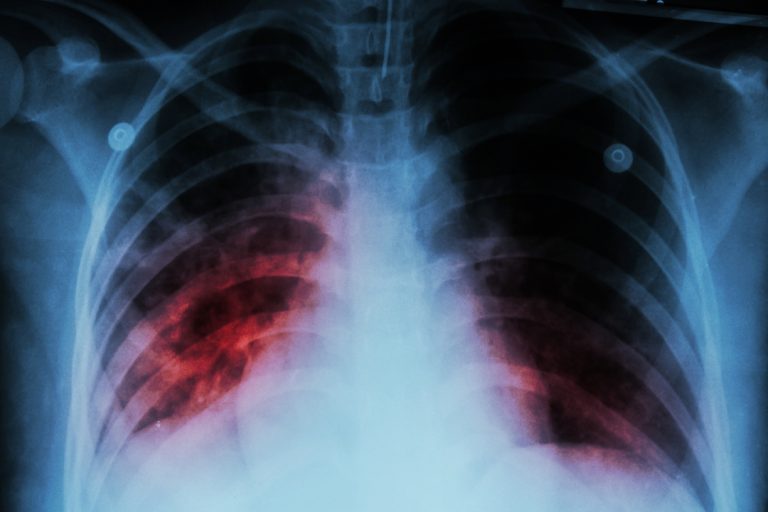
In 1913, a group of volunteers, spurred by compassion to help those afflicted with tuberculosis, established the Jewish…

In 1908, Stanford Trustees accepted Cooper Medical College as part of the University. The Stanford School of Medicine…
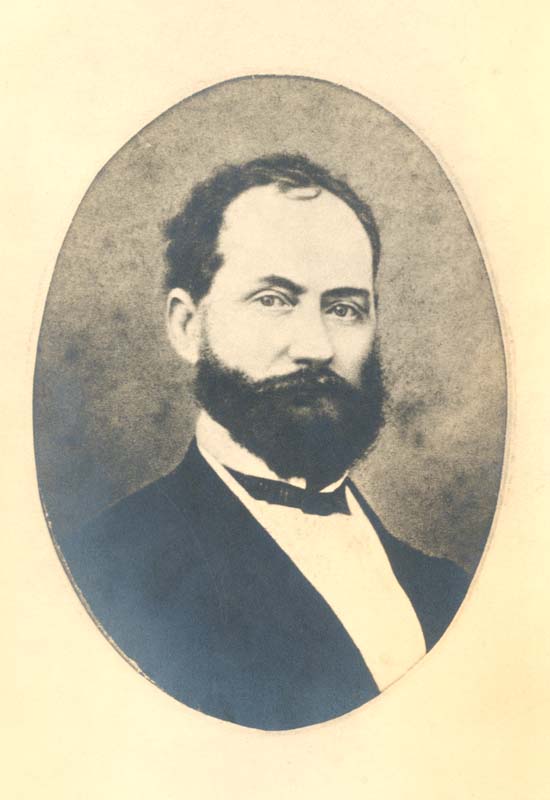
In 1858, Samuel Elias Cooper founded the Far West’s first medical school in San Francisco. In 1908, Stanford…
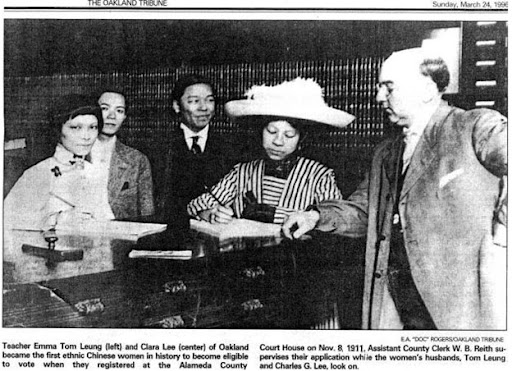
In 1906, after the San Francisco earthquake, Charles Goodall Lee established himself as the first Chinese American dentist…
In 1903, the George H. Scripps Memorial Marine Biological Laboratory was founded (now Scripps Institution of Oceanography) in…
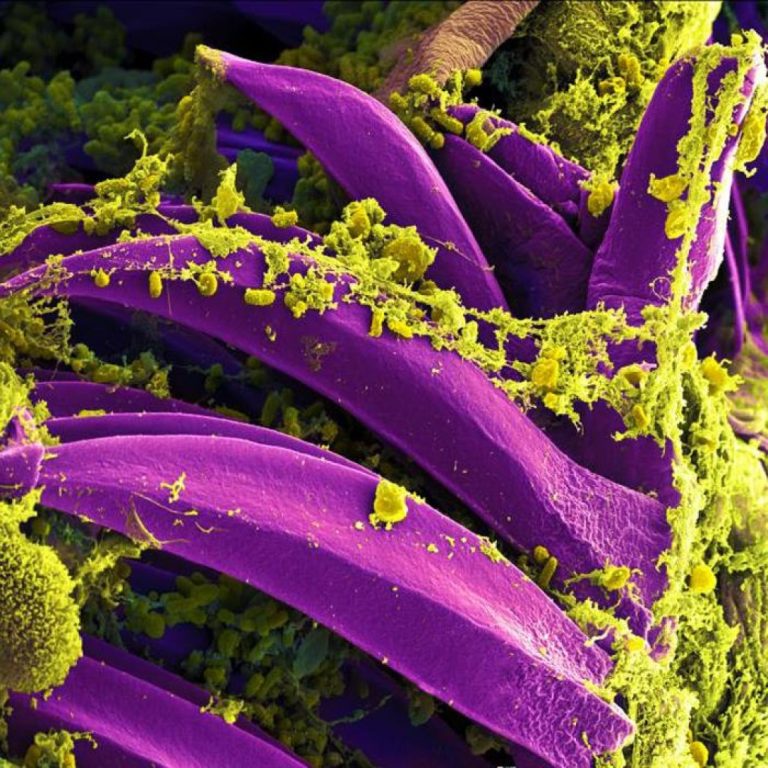
In March 1900, Chick Gin, the Chinese proprietor of a lumberyard, died of bubonic plague in a flophouse…
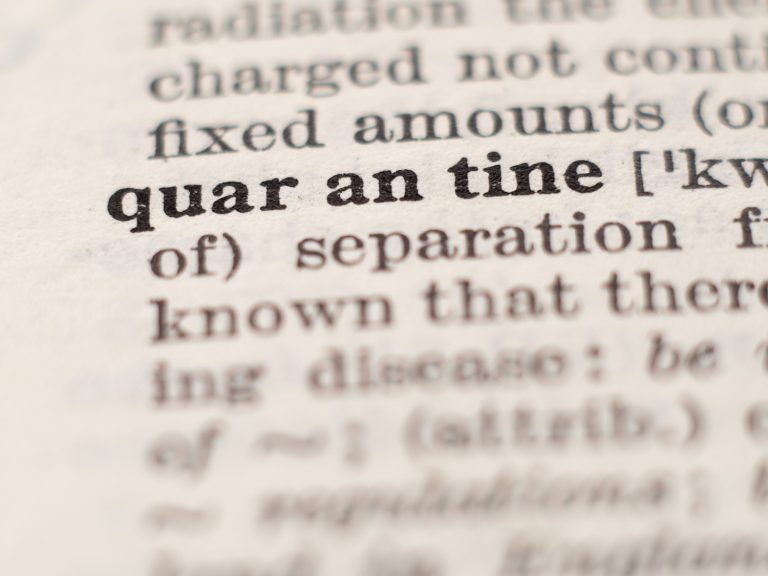
In 1900, the city of San Francisco’s quarantine of Chinatown ruled discriminatory, but city health officials conducted house-to-house…
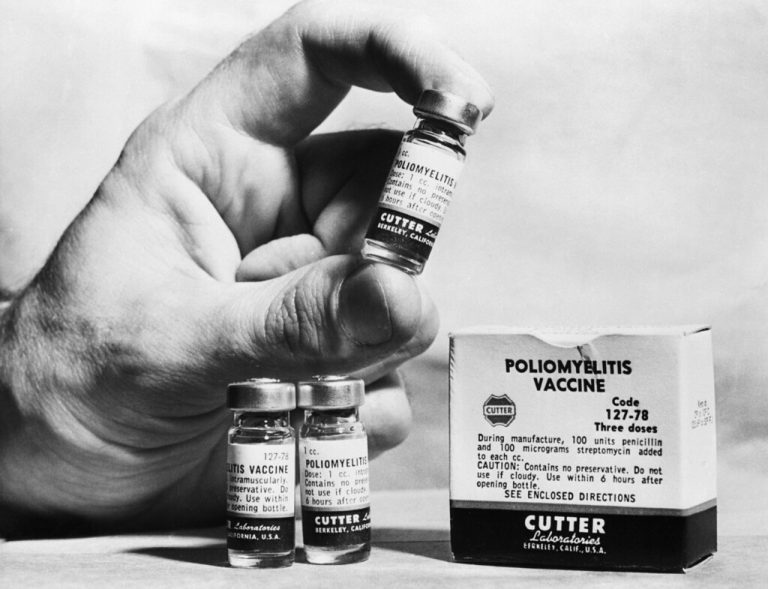
In 1897, Cutter Laboratories was a pharmaceutical company located in Berkeley, California that was founded by Edward Ahern…
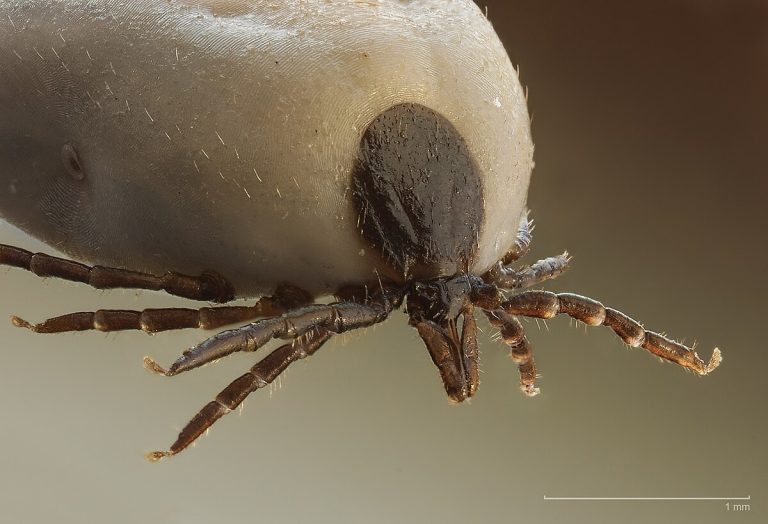
In 1896, Rocky Mountain spotted fever was first recognized in the Snake River Valley of Idaho and was…
On Oct. 1, 1891, Stanford University opened its doors after six years of planning and building on land…
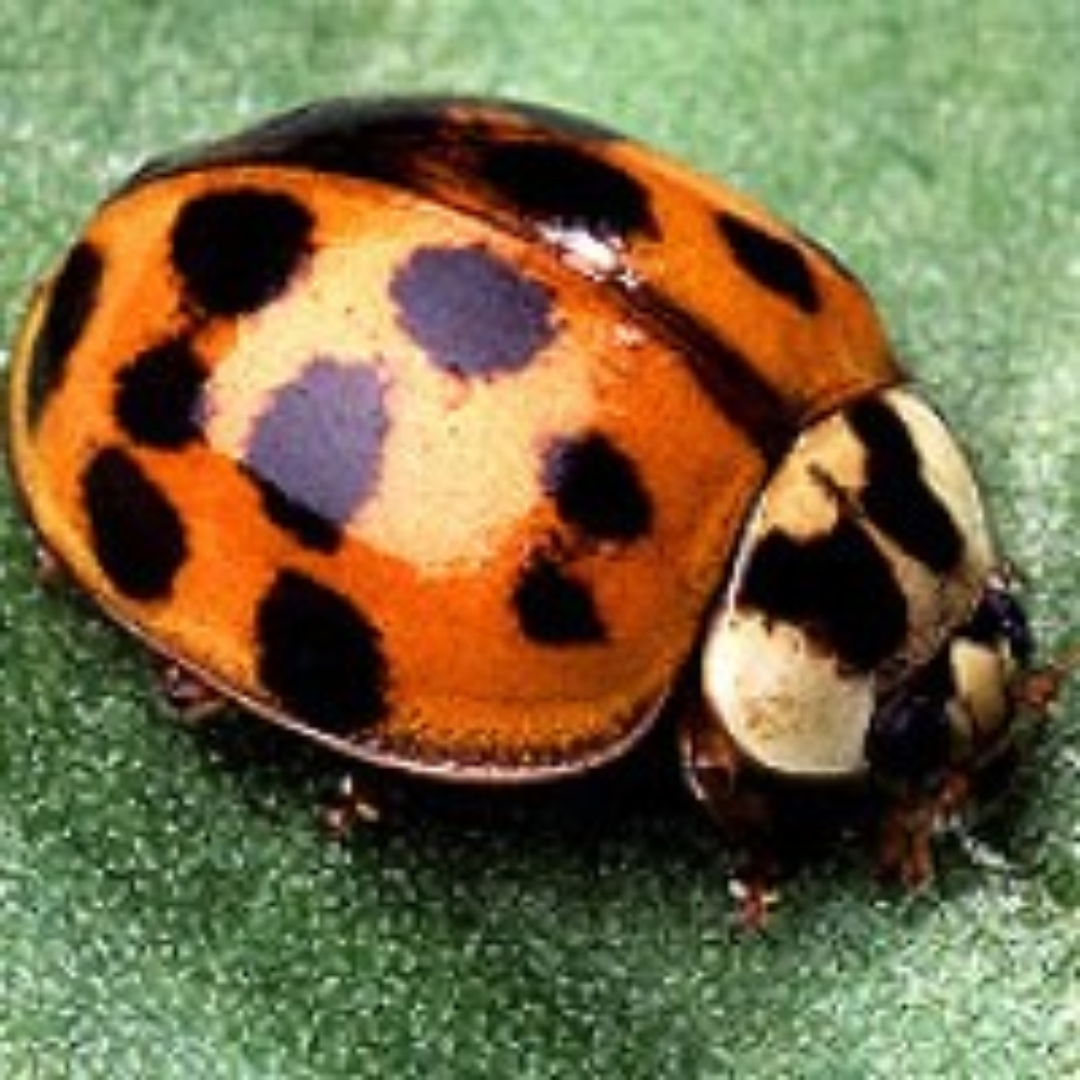
In 1889, the vedalia beetle (aka lady bug) was introduced from Australia to California to control cottonycushion scale,…
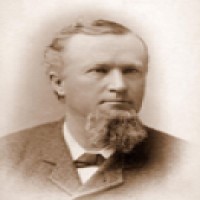
On Oct. 6, 1880, the University of Southern California (USC) was founded. USC traces its origins to Judge…

On Oct. 6, 1880, University of Southern California College of Medicine (USC) was established, the first in Southern…
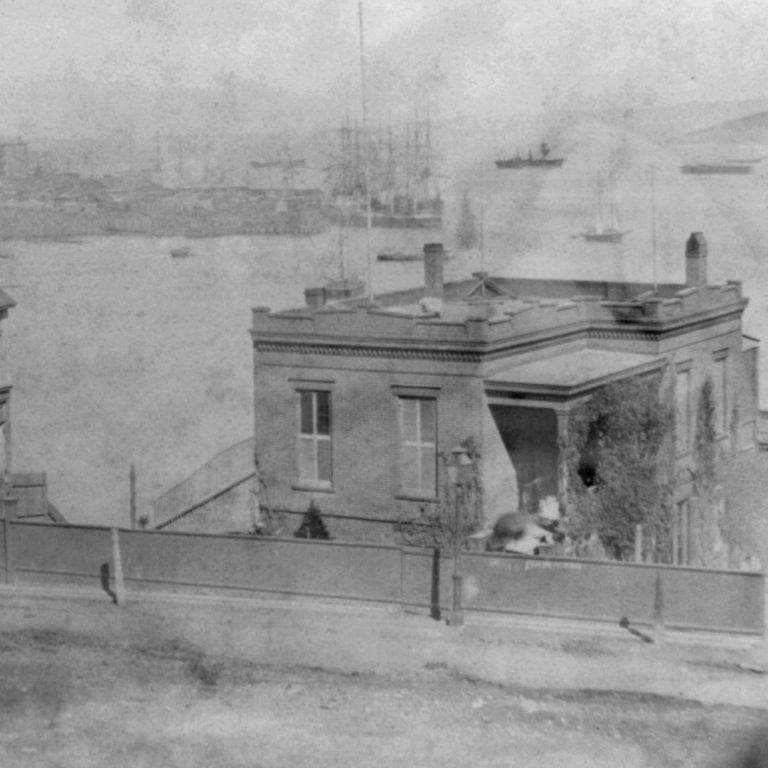
In 1853, the first marine hospital in San Francisco was completed with special funds appropriated by Congress. The…