Dr. Jonas Salk received gold medal from President Dwight Eisenhower, designating him “a benefactor of mankind”
On Jan. 27, 1956, Dr. Jonas Salk, developer of the Polio vaccine released in 1955, received a special…
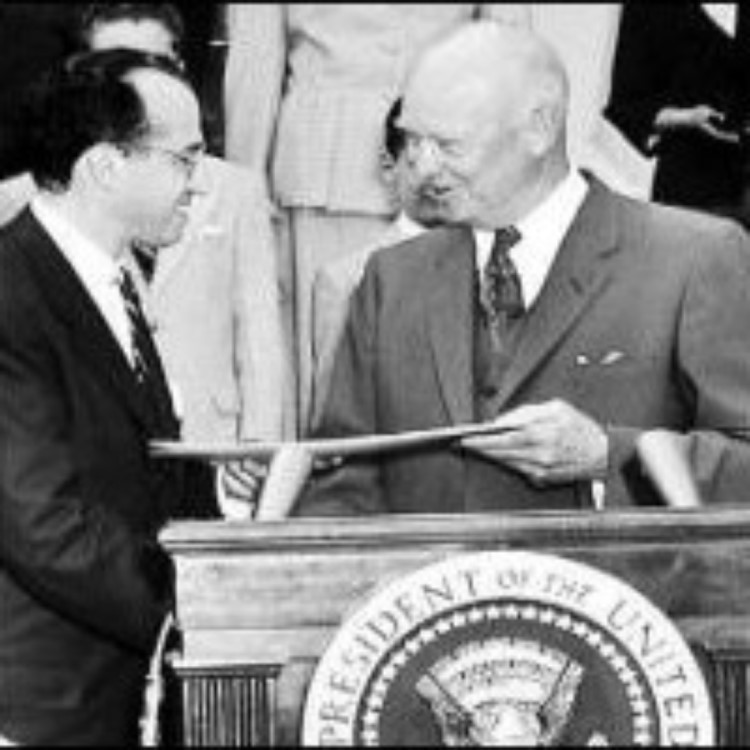
On Jan. 27, 1956, Dr. Jonas Salk, developer of the Polio vaccine released in 1955, received a special…
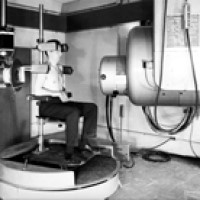
In 1956, Stanford Medicine became the first to use linear accelerator to treat cancer in Western hemisphere.
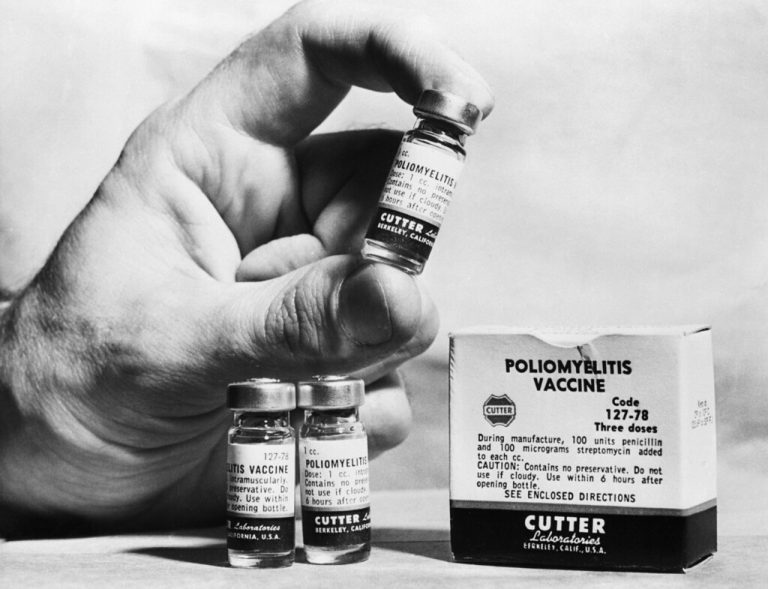
In April 1955, Cutter Laboratories, located in Berkeley, California and one of several companies licensed by the U.S….
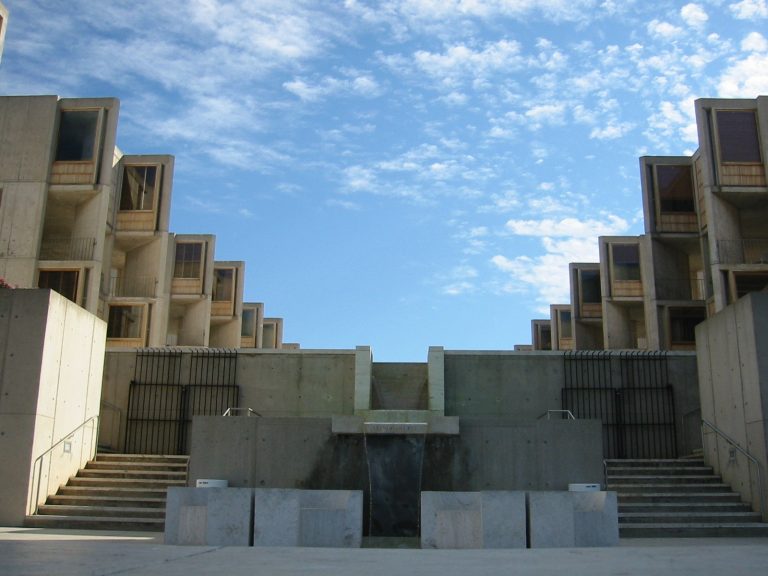
In 1953, the Salk Institute for Biological Studies was founded in La Jolla, California. For more than a…
In 1952, Stanford Medicine researchers discovered a new class of immune response genes, suggesting for the first time…
In 1952, the Arthritis National Research Foundation was incorporated as California nonprofit to fund arthritis research. The organization…
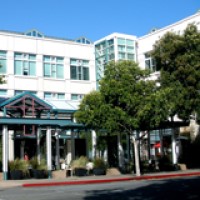
In 1951, the Stanford Research Park was created in response to the demand for industrial land near university…
In 1950, the U.S. Army tests the spread and survival of simulants, which are actually Serratia marcescens bacteria,…

On Nov. 2, 1949, Sandia Corp., a wholly owned subsidiary of Western Electric, took over management of Sandia…
In 1947, The first attempt at coordinating cancer at University of California at San Francisco (UCSF) was a…
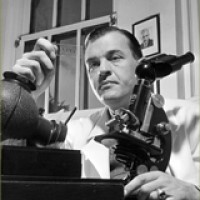
In 1947, the Laboratory of Experimental Oncology (LEO) was founded as a collaborative effort between the city of…
in 1946, Stanford Research Institute, now known as the SRI International (SRI) was founded by the trustees of…
Sandia began in 1945 as Z Division, the ordnance design, testing, and assembly arm of Los Alamos National…
In 1945, the University of California, Los Angeles (UCLA) Jonsson Cancer Center Foundation was founded by a group…
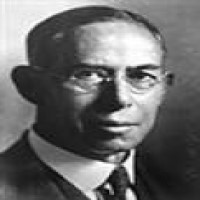
In 1944, Joseph Erlanger, native of San Francisco and graduate of the University of California (B.Sc.), was awarded…
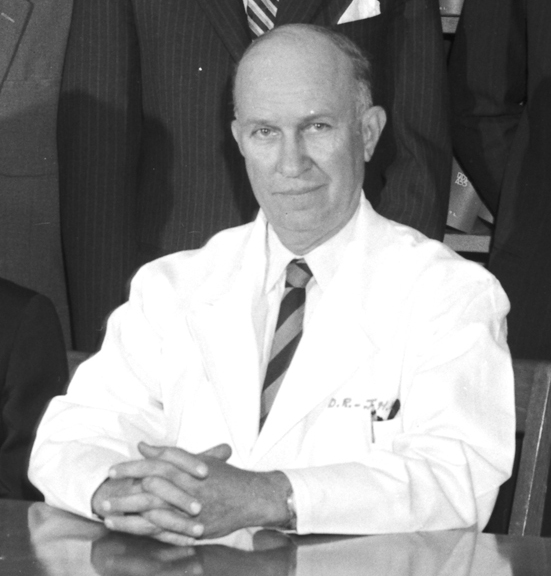
On Dec. 24, 1936, John Lawrence, known as the “father of nuclear medicine,” treated a a 28-year-old patient…
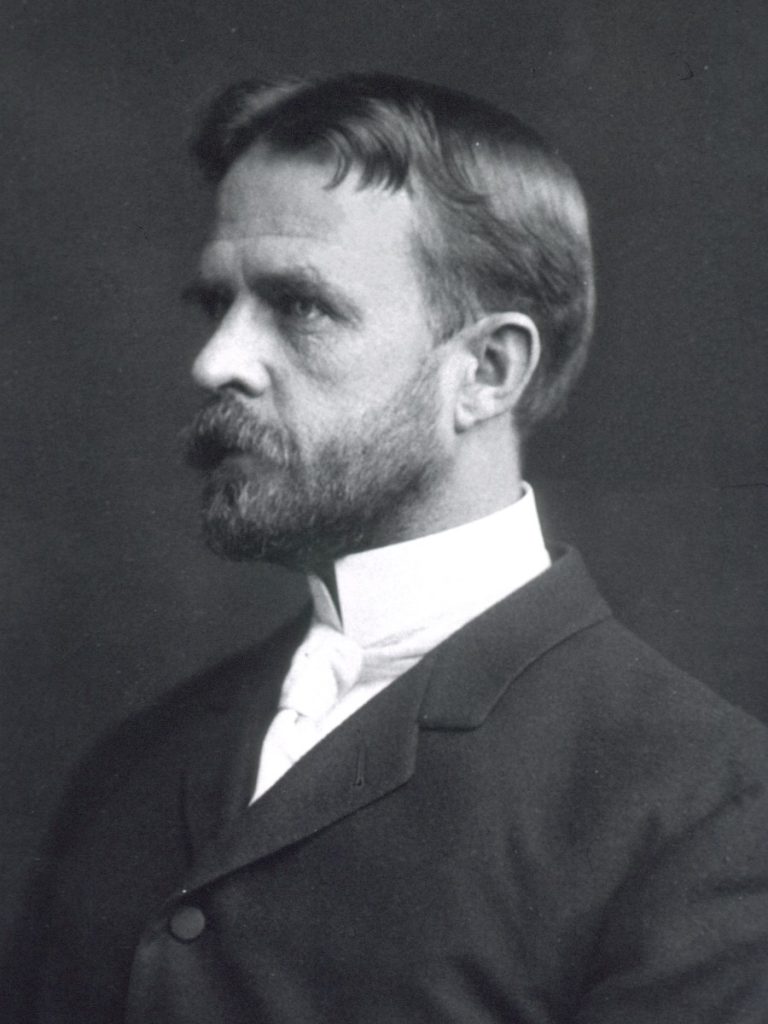
In 1933, Thomas Hunt Morgan was was awarded the Nobel Prize in Physiology or Medicine for his chromosome…
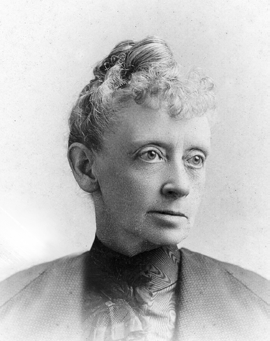
In 1932, When Ellen Browning Scripps passed away at the age of 95, she left $300,000 (or the…
In 1932, the Tumor Institute of the Swedish Hospital opened its doors. Children’s Orthopedic Hospital Association, later known…

In 1928, Dr. Eaton MacKay was invited from Stanford University to become the first director of research at…
On Dec. 11, 1924, The Scripps Metabolic Clinic, a predecessor of The Scripps Research Institute (TSRI), was founded…
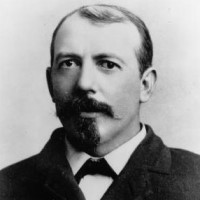
In 1921, Edward W. Scripps, a renowned journalist, and William Emerson Ritter, a California zoologist, founded Science Service,…
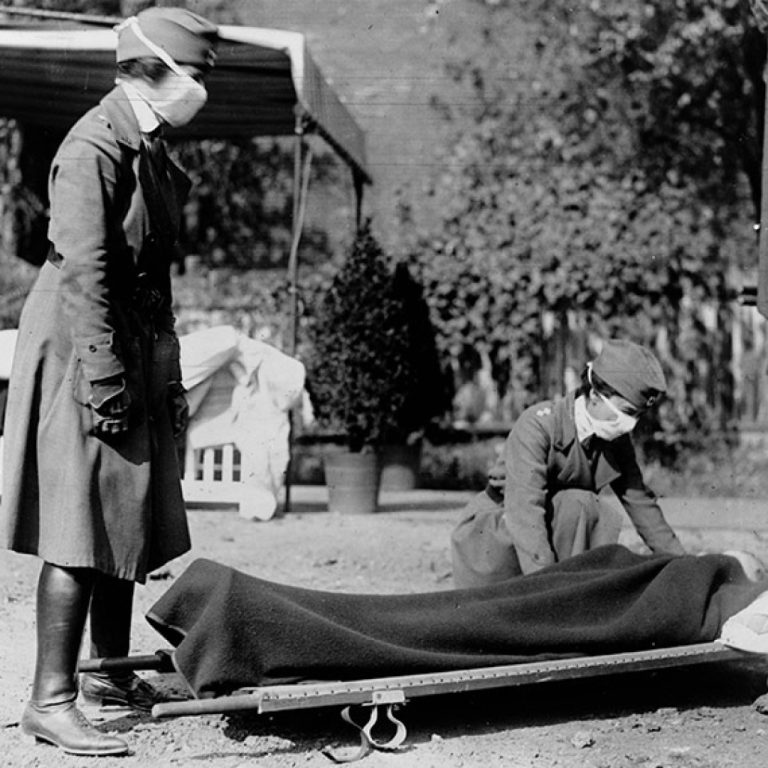
By the end of the 1918 influenza epidemic, Los Angeles experienced a lower epidemic death rate than many…
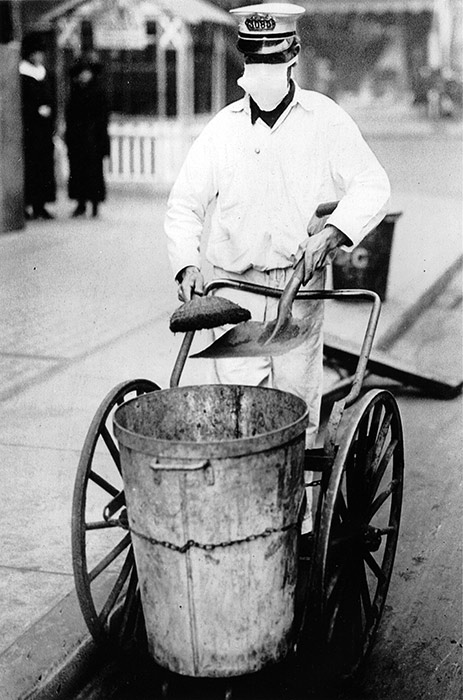
On Oct. 31, 1918, the Los Angeles City Council passed anti-influenza ordinances requiring tenants of properties to clean…
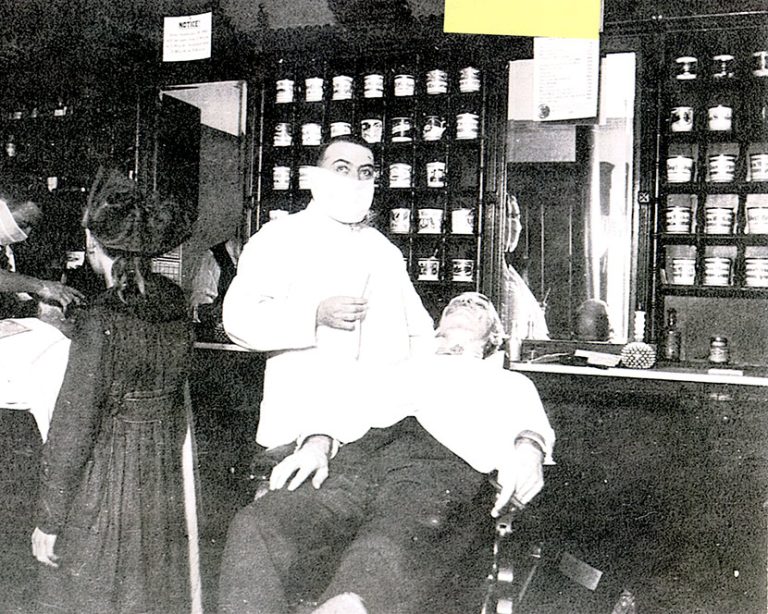
On Oct. 23, 1918, the Los Angeles Times ran a statement from the California Governor William Dennison Stephens…
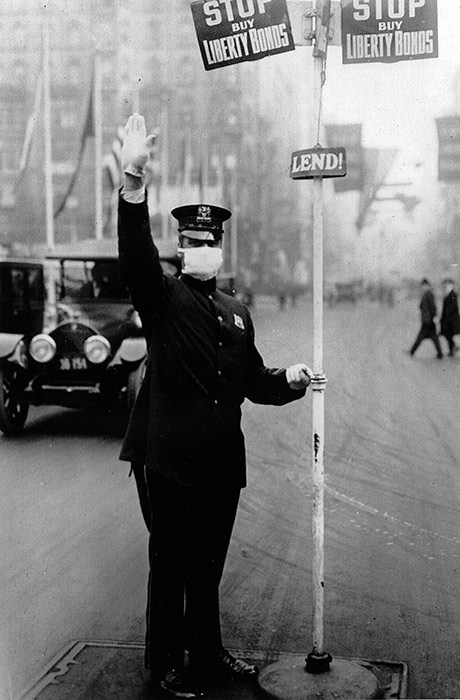
On Oct. 11, 1918, Los Angeles Mayor Frederick T. Woodman declared a state of public emergency due to…
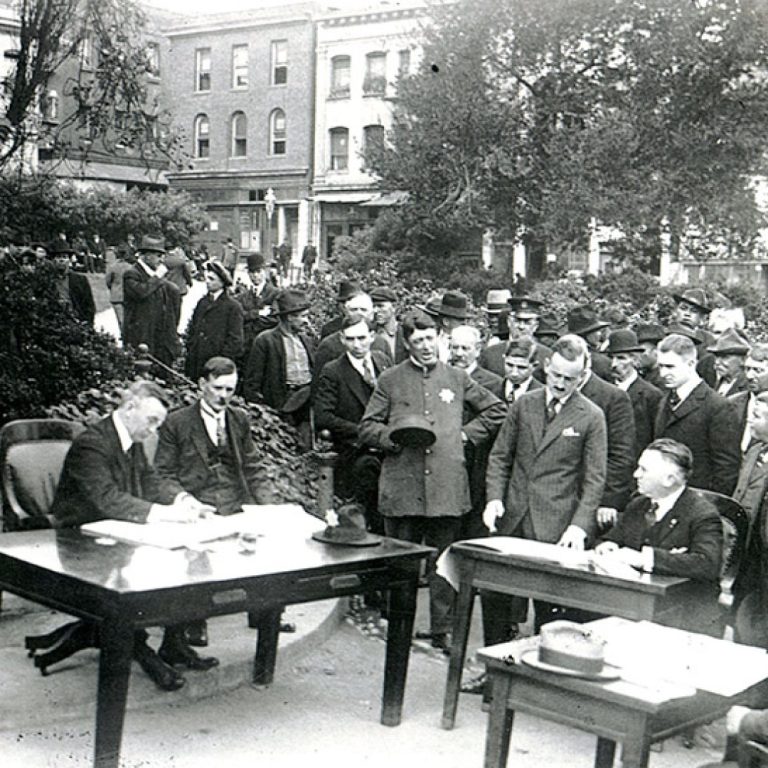
On Sept. 23, 1918, the Spanish Flu reached San Francisco when city health officer Dr. William C. Hassler…
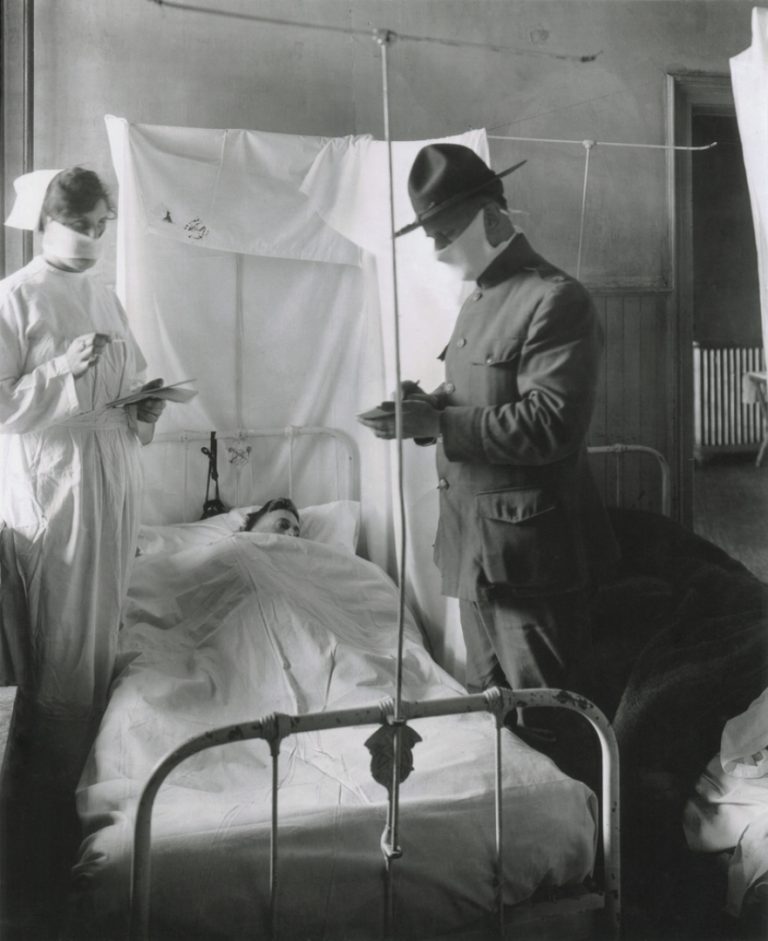
On Sept. 22, 1918, the first civilian cases in Los Angeles appeared, although influenza was not made a…
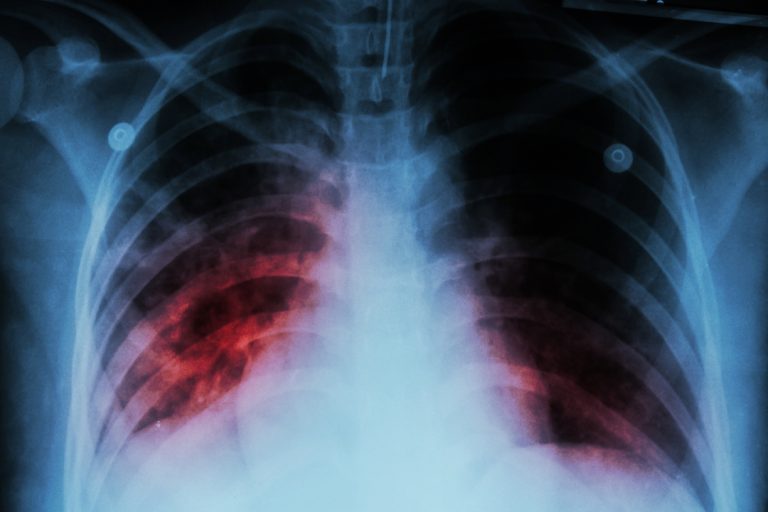
In 1913, a group of volunteers, spurred by compassion to help those afflicted with tuberculosis, established the Jewish…
In 1908, Stanford Trustees accepted Cooper Medical College as part of the University. The Stanford School of Medicine…