The Case Cancer Center was recognized as an NCI-designated comprehensive cancer center
In 1998, The Case Cancer Center (Case CCC) was recognized as an National Cancer Institute (NCI)-designated comprehensive cancer…
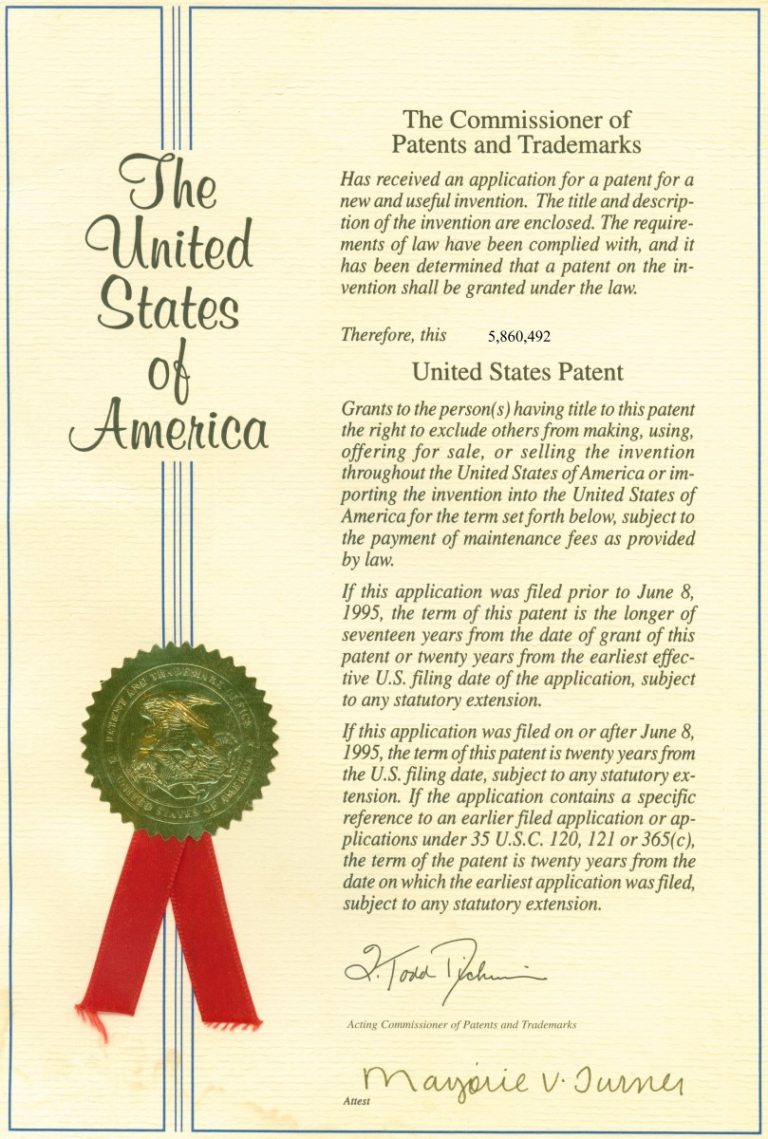
On Oct. 10, 1989, Ohio University (OU) announced that it had received a patent for a genetic engineering…
In 1987, the Case Cancer Center (Case CCC) at Case Western Reserve University was both founded and became…
In 1976, the Ohio State University Cancer Center (OSUCCC) received National Cancer Institute (NCI) comprehensive center designation. The…
In 1973, the Ohio State University Cancer Center (OSUCCC) was established in Columbus. The patient care arm of…
On Nov. 12, 1964, Fred Hutchinson, a standout pitcher at Seattle’s Franklin High School and ten year pitching…
In 1955, the Priestley Medal was awarded to Charles A. Thomas by the American Chemical Society “to recognize…
In 1951, the Priestley Medal was awarded to E. J. Crane by the American Chemical Society “to recognize…
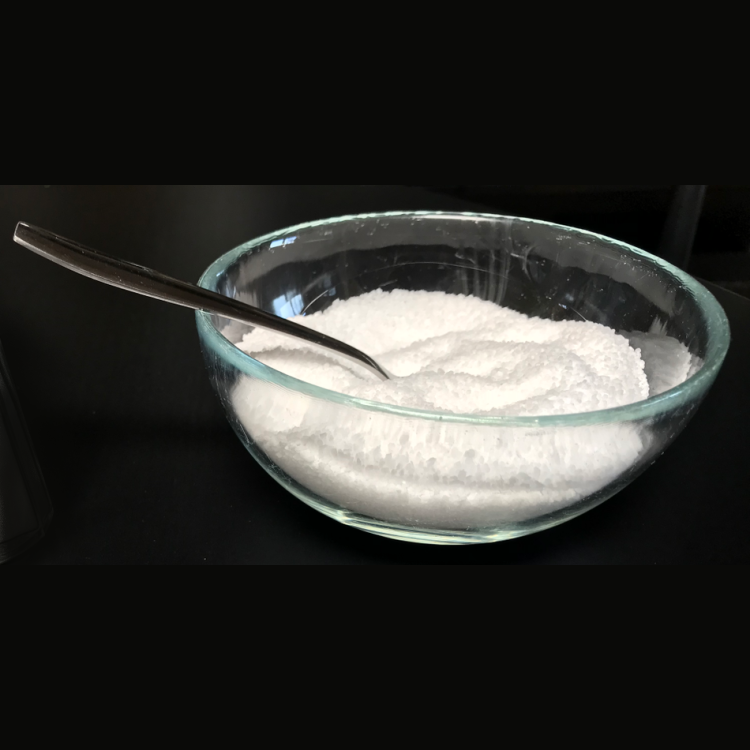
On May 1, 1924, iodized salt first became available on grocery shelves in Michigan, spurred largely by the…
On Dec. 23, 1918, the Cincinnati Board of Health removed its ban prohibiting children from entering public places….
On Dec. 14, 1918, meeting in special session, members quickly decided that the influenza situation in Cincinnati had…
On Dec. 12, 1918, following an increase in influenza cases, Cincinnati Health Officer Dr. William H. Peters recommended…
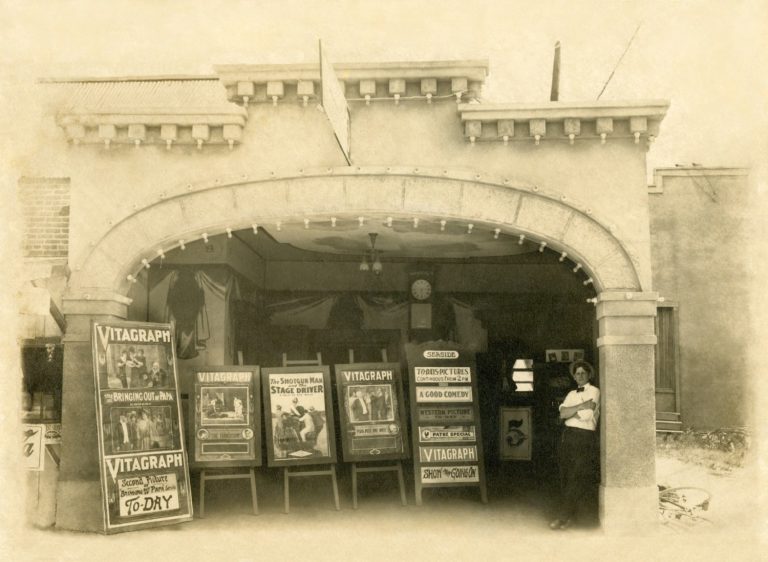
On Nov. 11, 1918, the Cincinnati Board of Health agreed to lift influenza-related restrictions. Theaters, movie houses, churches,…
On Nov. 10, 1918, Cleveland Health Commissioner Dr. Harry L. Rockwood announced the lifting of the city’s closure…
By Nov. 5, 1918, Cleveland began reopening its downtown businesses with restricted hours. By the first days of…
On Oct. 27, 1918, by the last week of October, Cincinnati seemed to be rounding the bend. New…
On Oct. 21, 1918, Cleveland reached a milestone of 1000 reported influenza cases last Cleveland hospitals. Within just…
On Oct. 15, 1918, after Health Officer Dr. William H. Peters fell ill with influenza, Dr. Oscar Craven…
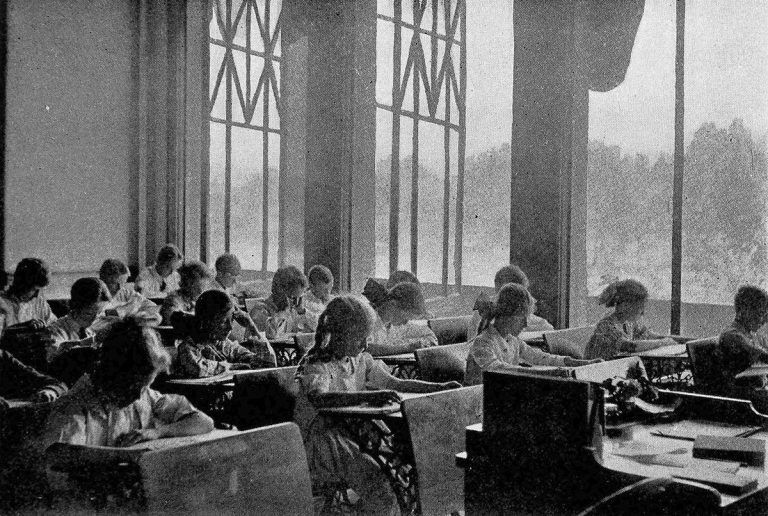
On Oct. 15, 1918, children were to report to their classrooms as usual in the morning, where attendance…
By Oct. 14, 1918, Cincinnati influenza case and fatality reports demonstrated the highest death rate since the epidemic…
On Oct. 10, 1918, Cincinnati Health Officer Peters estimated that there were between 4,000 and 4,500 influenza cases…
On Oct. 10, 1918, Cleveland Mayor Harry Davis announced the closure of theaters, movie houses, night schools, and…
On Oct. 10, 1918, Ohio state officials issued a notice for the closure of places of public gathering.
On Oct. 9, 1918, Cleveland Health Commissioner Rockwood met with Acting Mayor W. S. FitzGerald and Director of…
By Oct. 7, 1918, Cleveland Health Commissioner Rockwood announced the city had about 500 influenza cases. This led…
On Oct. 5, 1918, with 4,000 estimated influenza cases in the city, the Cincinnati mayor, health, and education…
On Oct. 4, 1918, Cleveland City Director of Public Welfare Lamar T. Beeman directed Health Commissioner Rockwood to…
On Oct. 3, 1918, Cincinnati Health Officer Dr. William H. Peters responded to the influenza threat by enacting…
On Sept. 22, 1918, Cleveland received its first warning of the influenza epidemic from City Health Commissioner Dr….
By the end of 1918, 3.5% of Cleveland’s population had contracted either influenza or developed pneumonia. 3,600 people…