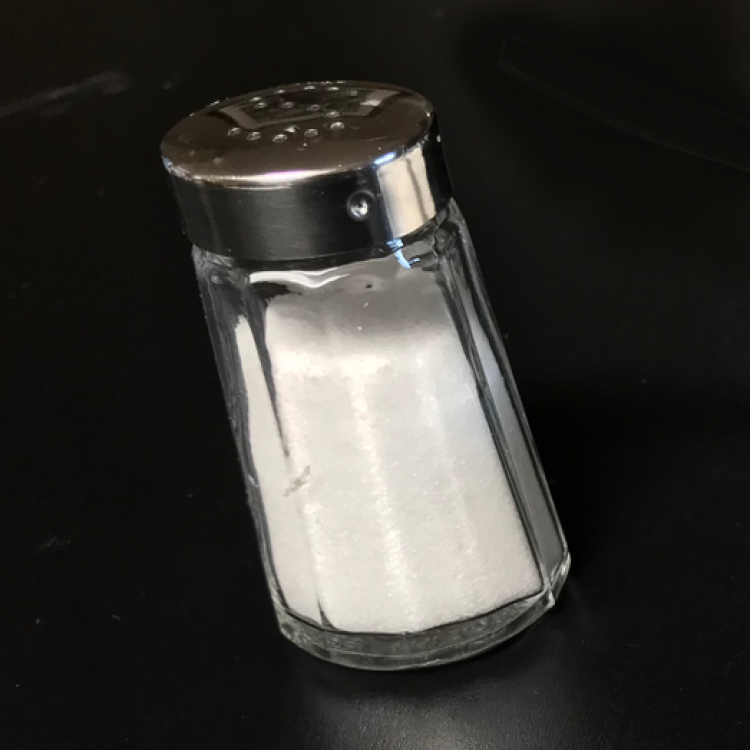
Iodized salt first became available on grocery shelves in Michigan
On May 1, 1924, iodized salt first became available on grocery shelves in Michigan, spurred largely by the series of reports by David Cowie, chair of the Pediatrics Department at the University of Michigan, David Marine, a U.S. physician in Ohio, and others in the preceding years.
Adequate levels of iodine, a trace element variably distributed on the earth and found mostly in the soil and water of coastal areas, are required for the synthesis of the thyroid hormones, thyroxine (T4) and triiodothyronine (T3), which play key roles in the metabolic processes of vertebrate life. The major concerns regarding the global burden of iodine deficiency are related to goiter, neurocognitive impairments, and in severe deficiency, hypothyroidism resulting in cretinism.
Salt was initially fortified with iodine at 100 mg/kg, resulting in an estimated average intake of 500 µg iodine daily. However, many individuals in other states continued to resist efforts to make iodized salt freely available for the next several decades. Although a bill by the U.S. Endemic Goiter Committee in 1948 proposing the mandatory introduction of iodized salt in all states was defeated, the proportion of U.S. households which use only iodized salt has remained stable at 70%–76% since the 1950s. Although the International Council for the Control of Iodine Deficiency Disorders (ICCIDD) Global Network estimates that the proportion of U.S. households with access to iodized salt now exceeds 90%, data regarding actual usage is limited and the contribution of iodized salt to the overall iodine sufficiency of the U.S. population is uncertain.
Salt iodization is a useful approach toward decreasing iodine deficiency in populations. It is a universal foodstuff, intake is seasonally consistent, costs are relatively small, and it is easily distributed. Approximately 120 countries, including Canada and some parts of Mexico, have adopted mandatory iodization of all food-grade salt, although the extent of implementation efforts in individual countries is unknown. In contrast, fortification of salt with iodine in the U.S. is voluntary, and the FDA does not mandate the listing of iodine content on food packaging. Furthermore, it is assumed that the majority of salt consumption in the U.S. comes from processed foods, in which primarily non-iodized salt is used during production. Although iodized salt in the U.S. is fortified at 45 mg iodide/kg, 47 of 88 table salt brands recently sampled contained less than the FDA’s recommended range of 46–76 mg iodide/kg.
Tags:
Source: U.S. National Library Medicine
Credit: Illustration of Goiter, Courtesy: Mayo Clinic.