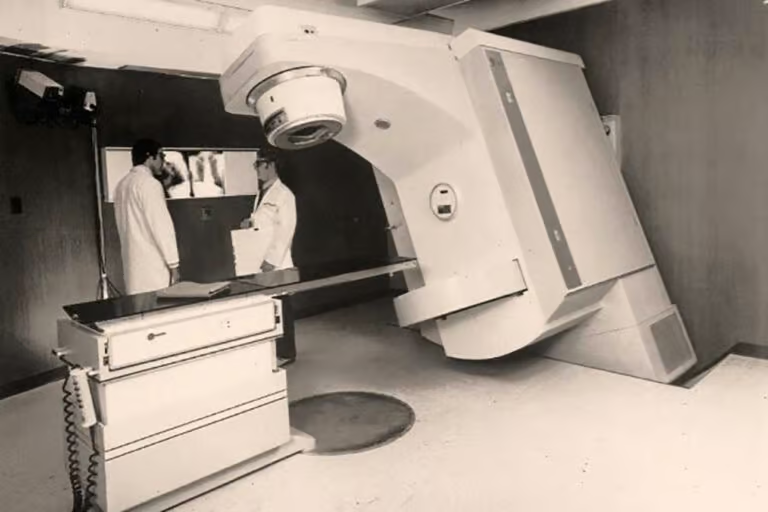
Prototype linear accelerator introduced at Washington University – St Louis, heralding eventual radiation therapy
In 1972, a prototype linear accelerator at Washington University – St. Louis was produced by radiation clinicians and…
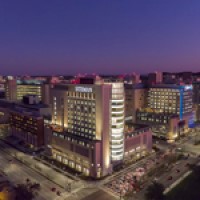
In 1966, Washington Univesrity – St. Louis physician Carlos Perez, MD, initiated a program for the training of…
On Nov. 12, 1964, Fred Hutchinson, a standout pitcher at Seattle’s Franklin High School and ten year pitching…
In 1963, the Mallinckrodt Institute of Radiology at Washington University – St. Louis installed the Picker Cobalt 60,…
On Oct. 21, 1961, the Atomic Energy Commission issued a construction permit for the University of Missouri Research…
In 1961, The University of Missouri College of Veterinary Medicine teaching hospital was constructed, and a diagnostic laboratory…
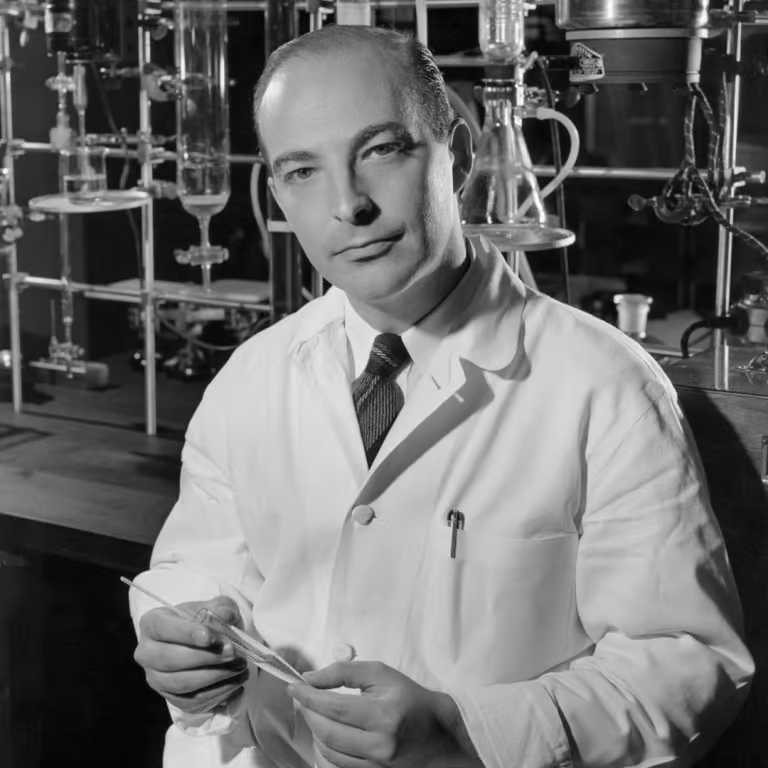
In 1958, Arthur Kornberg at Washington University School of Medicine found which combinations of the nucleotides and other…
In 1957, The University of Missouri School of Medicine was transformed into a four-year program. As a result,…
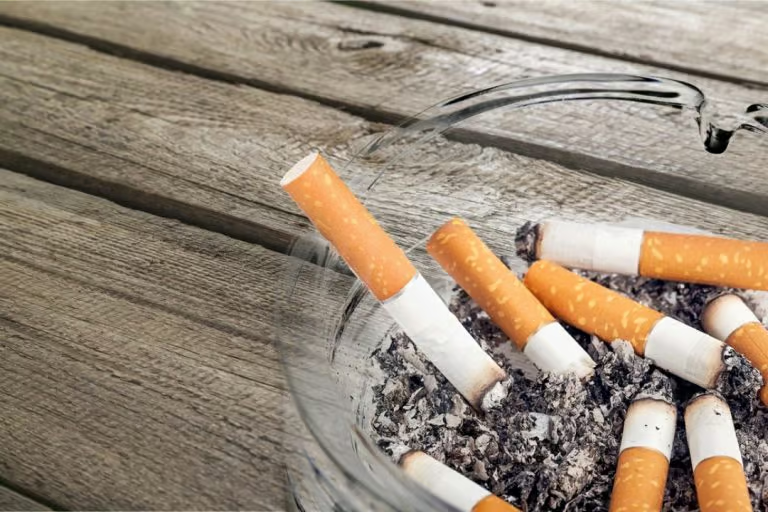
On May 27, 1950, Washington University physician Evarts A. Graham, MD, and medical student Ernst Wynder published a…
In 1946, the University of Missouri College of Veterinary Medicine’s DVM degree was established. From 1946 to 1965…
In 1941, Washington University in St. Louis received the first cyclotron installed at a U.S. academic medical center….
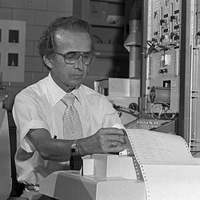
In 1941, Velmer A. Fassel, an American chemist who developed the inductively coupled plasma, received a B.A. degree…
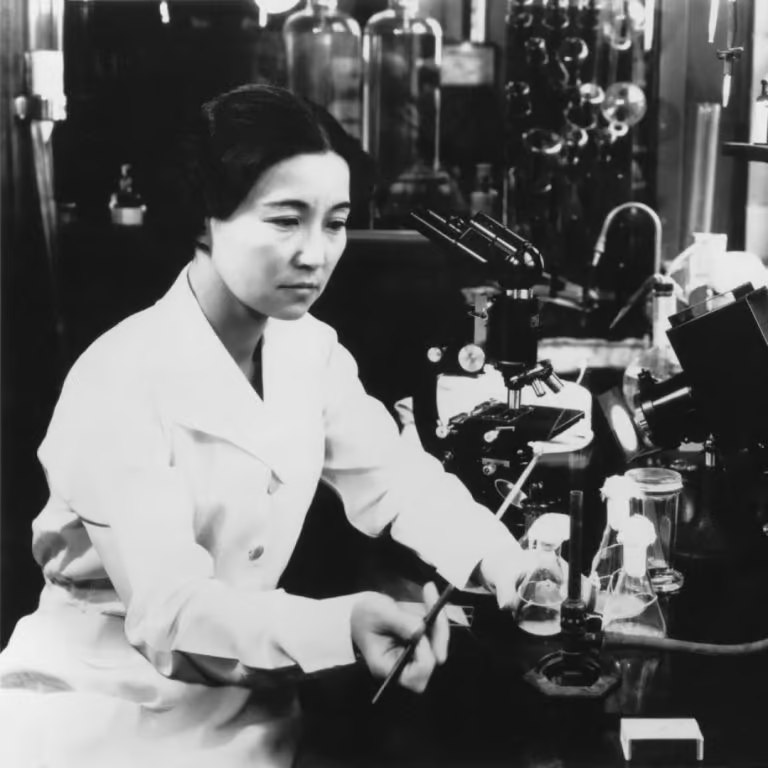
In 1940, biochemist and bacteriologist Ruby Hirose was recognized by the American Chemical Society for accomplishments in chemistry….
On Apr. 4, 1933, Evarts A. Graham, MD at Washington University – St. Louis performed the world’s first…
In 1930, the Mallinckrodt Institute of Radiology (MIR) at Washington University School of Medicine (WUSM) was established, funded…
In 1927, The Danforth Foundation was a private, independent foundation established in 1927 by William H. Danforth founder…
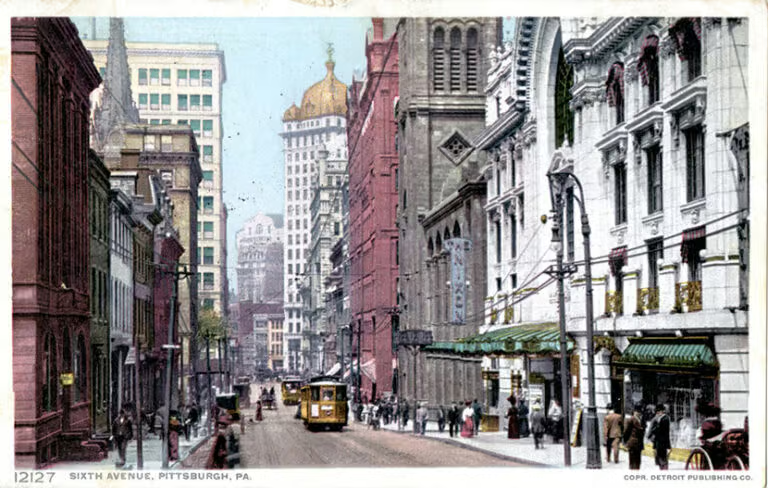
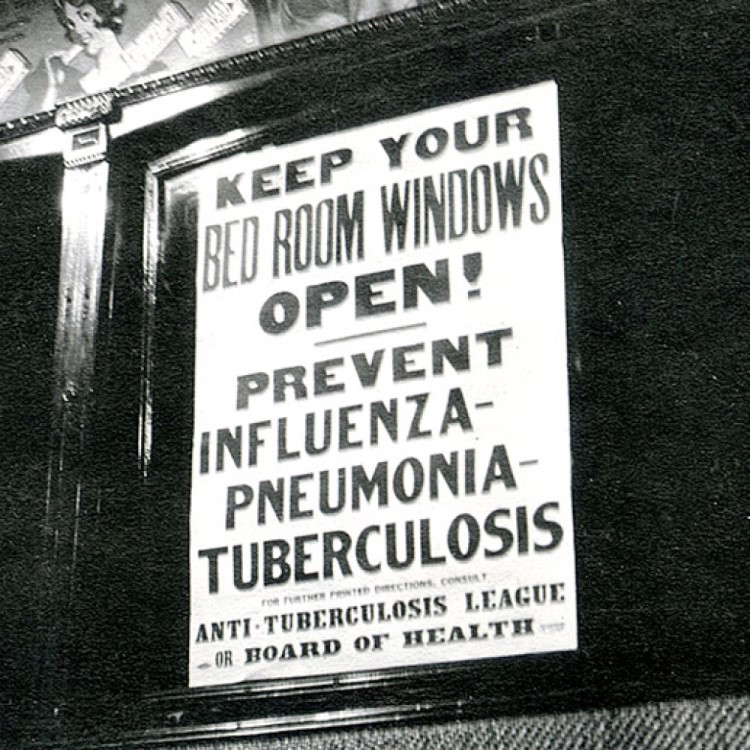
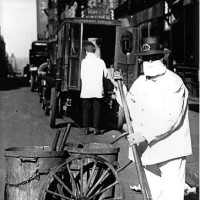
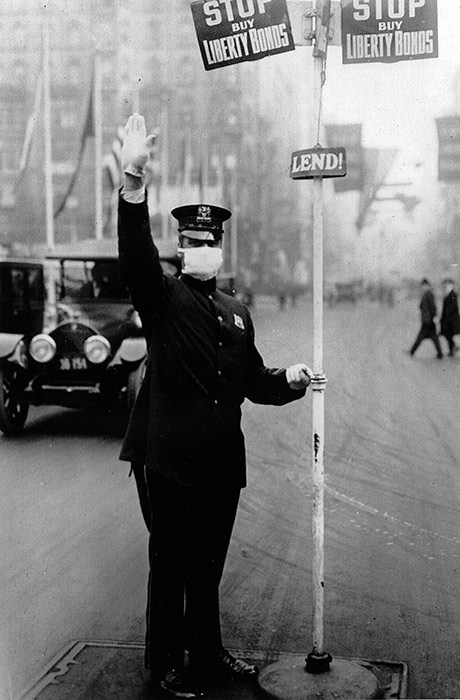
Jan. 1, 1919, brought an increase in the influenza epidemic in Philadelphia and Pittsburgh. With the disease having…
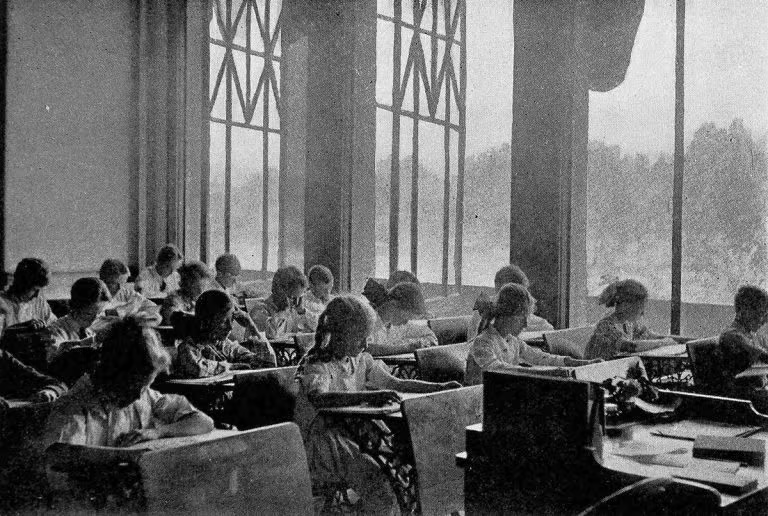
On Dec. 30, 1918, Kansas City schools reopened as the influenza epidemic waned. The New Year came and…
On Dec. 20, 1918, after declining influenza cases, Health Commissioner Starkloff lifted remaining St. Louis closure bans.
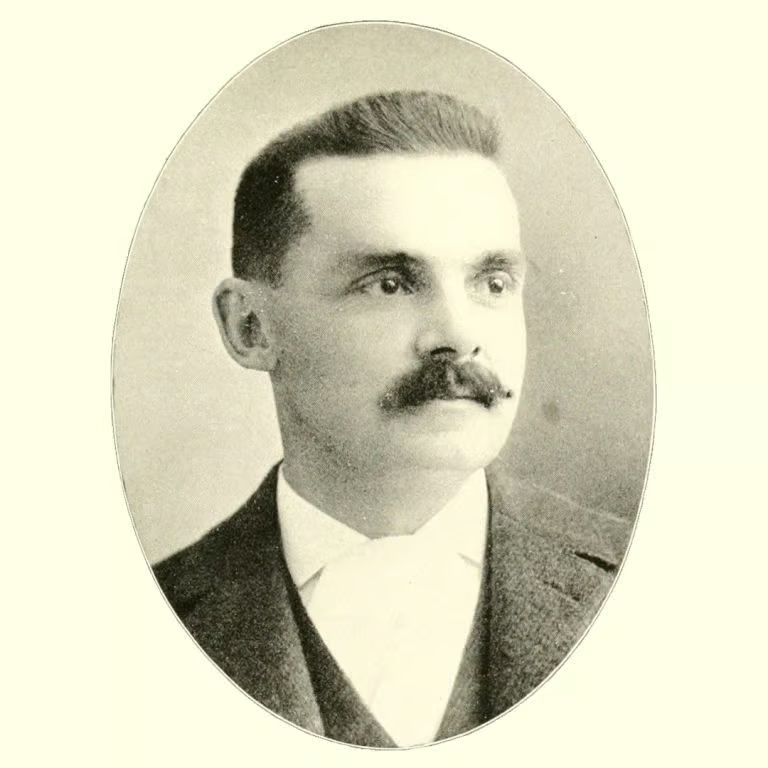
in 1919, thanks to Health Commissioner Dr. Max C. Starkloff’s strong leadership in the influenza epidemic, St. Louis…
On Nov. 30, 1918, after having reopened schools earlier in the month, Kansas City closed schools again following…
On Nov. 27, 1918, after a spike in influenza cases including several children, St. Louis health commissioner Dr….
By Nov. 13, 1918, St. Louis Health Commissioner Dr. Max C. Starkloff began lifting closures and bans over…
On Nov. 9, 1918, St. Louis Health Commissioner Dr. Max C. Starkloff ordered all non-essential voters, businesses, and…
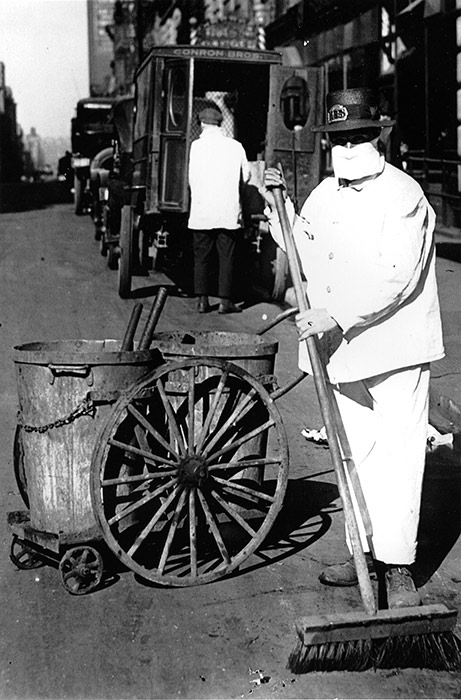
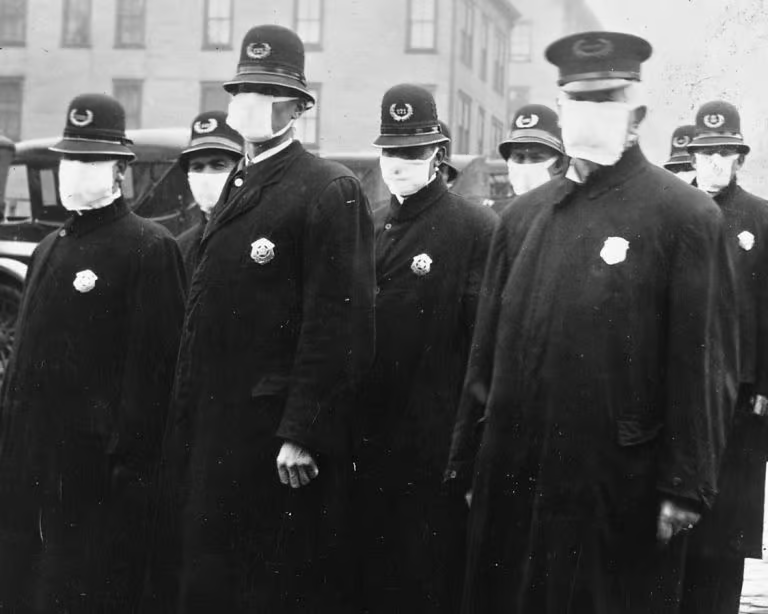
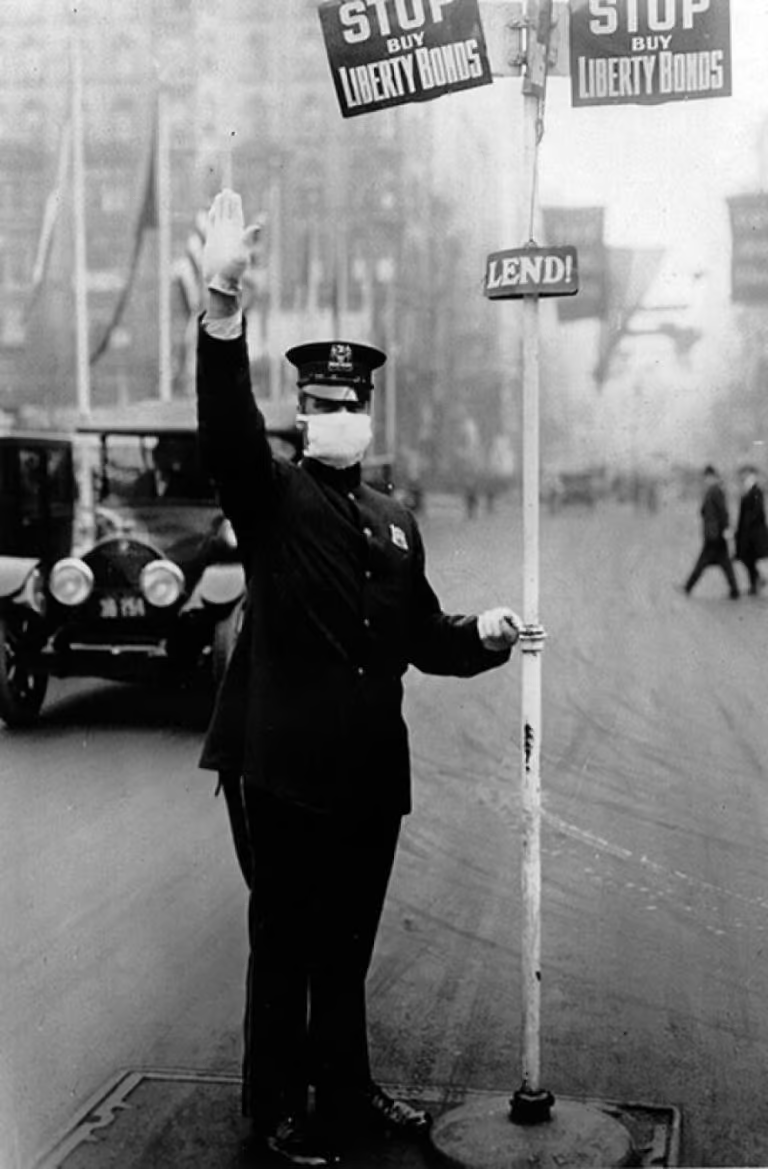
On Nov. 2, 1918, Health Commissioner Dr. Max C. Starkloff, ordered St. Louis policemen in department stores and…
On Oct. 20, 1918, Health Commissioner Dr. Max C. Starkloff ordered a restriction of St. Louis business hours,…
By Oct. 15, 1918, the number of St. Louis influenza cases had reached over 3,000, leading to hospital…
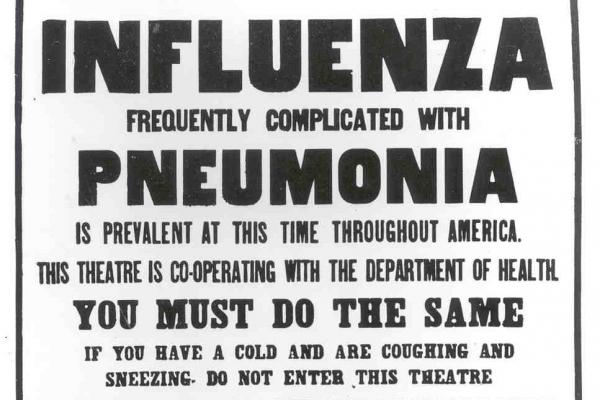
On Oct. 8, 1918, St. Louis’s theaters and other public amusement venues were closed, and public gatherings were…
On Oct. 7, 1918, Dr. Max C. Starkloff, Health Commissioner for St. Louis, assembled city officials, the U.S….
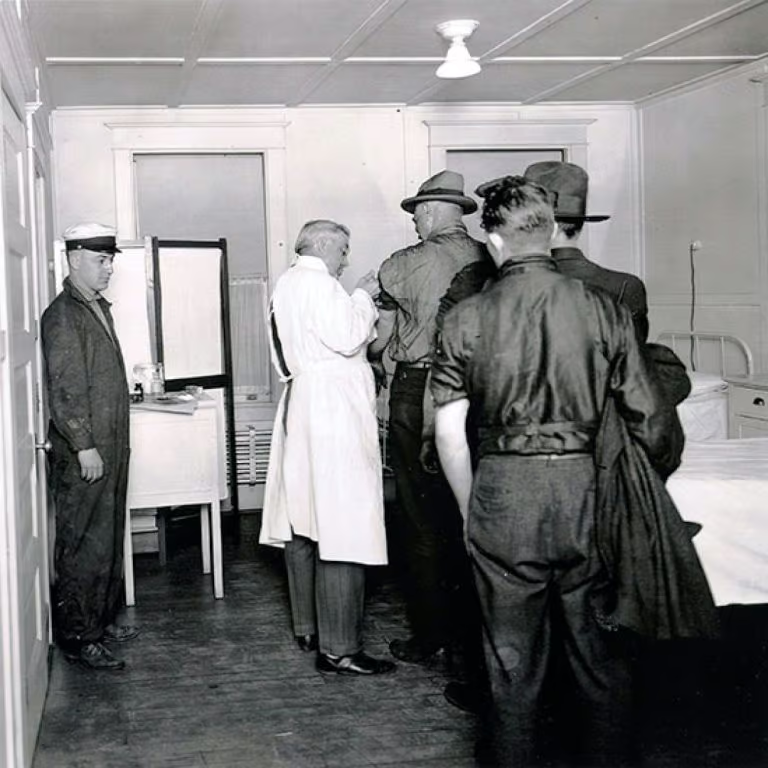
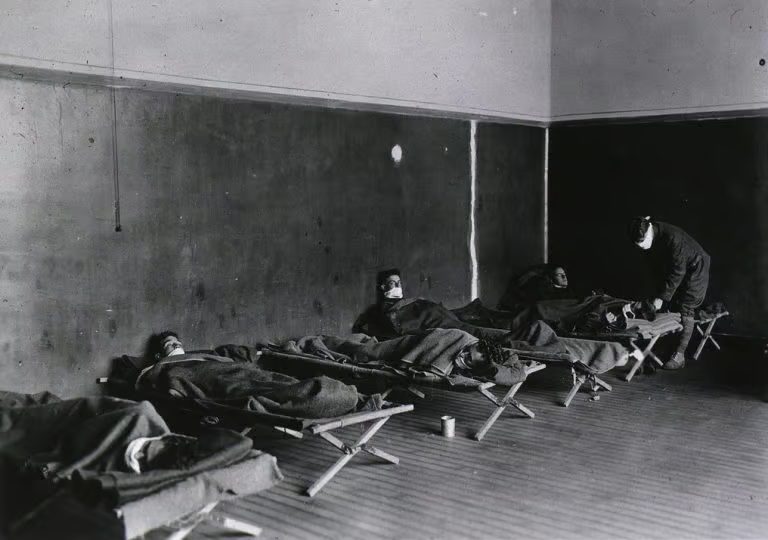
By Oct. 1, 1918, influenza had made its way to Jefferson Barracks, just outside St. Louis, and cases…