Scripps Research Institute’s graduate program was launched
In 1989, Scripps Research Institute’s graduate program was launched, building on the institute’s strengths in the integration of…

In 1989, Scripps Research Institute’s graduate program was launched, building on the institute’s strengths in the integration of…
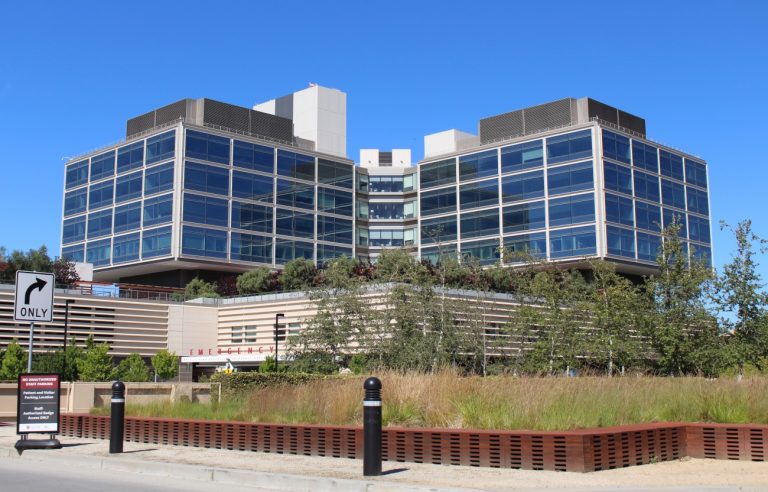
In 1989, Stanford Medicine researchers discovered the ‘homing receptor,’ which guides white blood cells into the peripheral lymph…
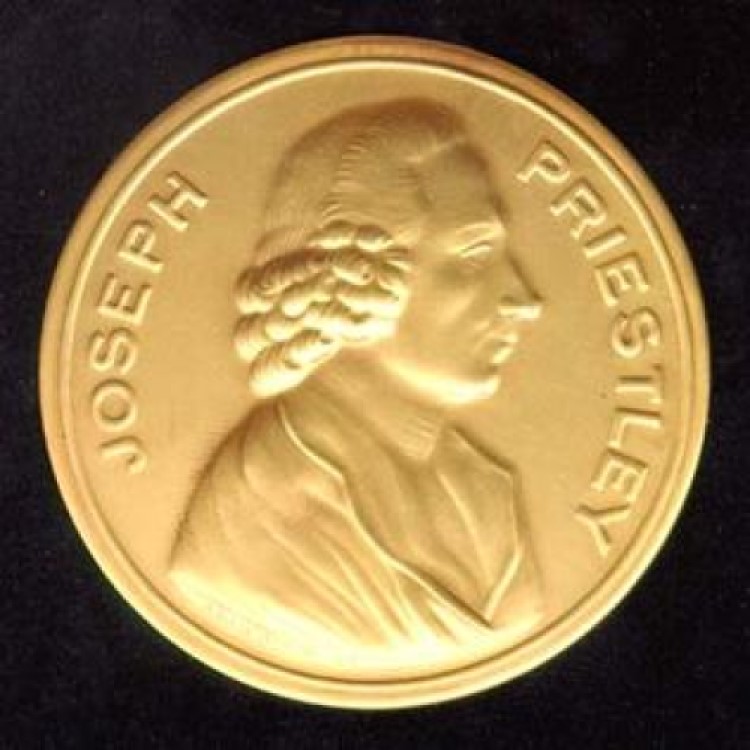
In 1989, the Priestley Medal was awarded to George C. Pimentel by the American Chemical Society “to recognize…
In 1988, Stanford Medicine researchers Irving Weissman and Mike McCune created an animal model that can be used…

On Jun. 30, 1988, The California Genetic Resources Conservation Program was closed by the Division. In 1985, California…
In 1988, pathologist Irving Weissman from Stanford Medicine isolated a rare mouse cell, known as the hematopoetic stem…
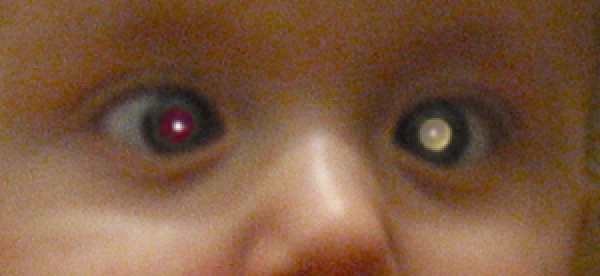
On Nov. 30, 1987, scientists at the University of California at San Diego and Wills Eye Hospital announced…
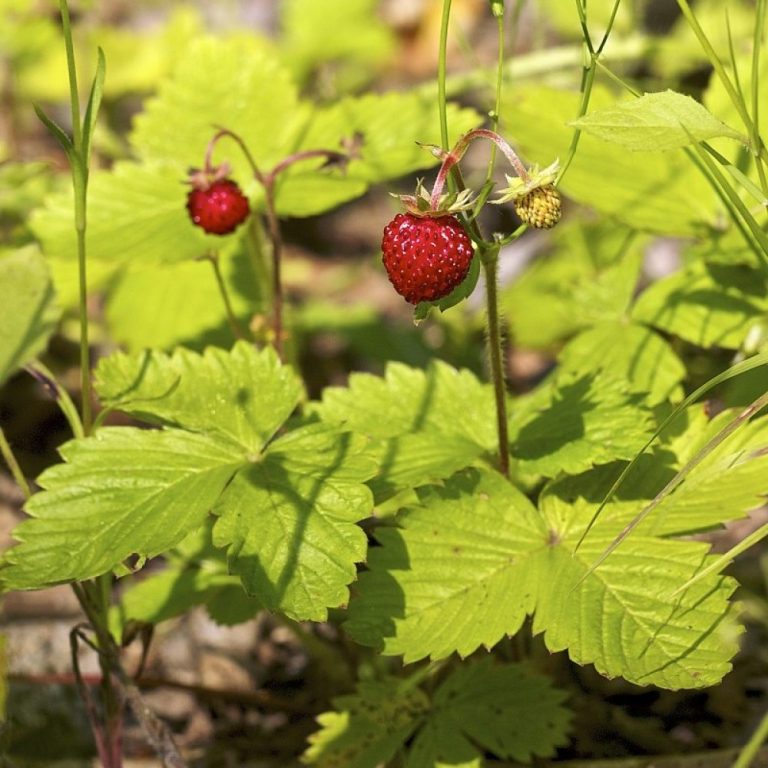
On Jun. 8, 1987, Advanced Genetic Sciences announced that its Frostban (Ice-minus) bacteria successfully protected strawberries from below-freezing…

On May 26, 1987, vandals uprooted approximately 3,000 potato plants being studied with ice-minus bacterium on a half-acre…

On Apr. 29, 1987, University of California, Berkeley plant pathologist Steven Lindow field-tested genetically altered Pseudomonas syringae (known…
On Apr. 24, 1987, Advanced Genetic Sciences (AGS) sprayed Frostban on an acre of strawberry plants in Brentwood,…
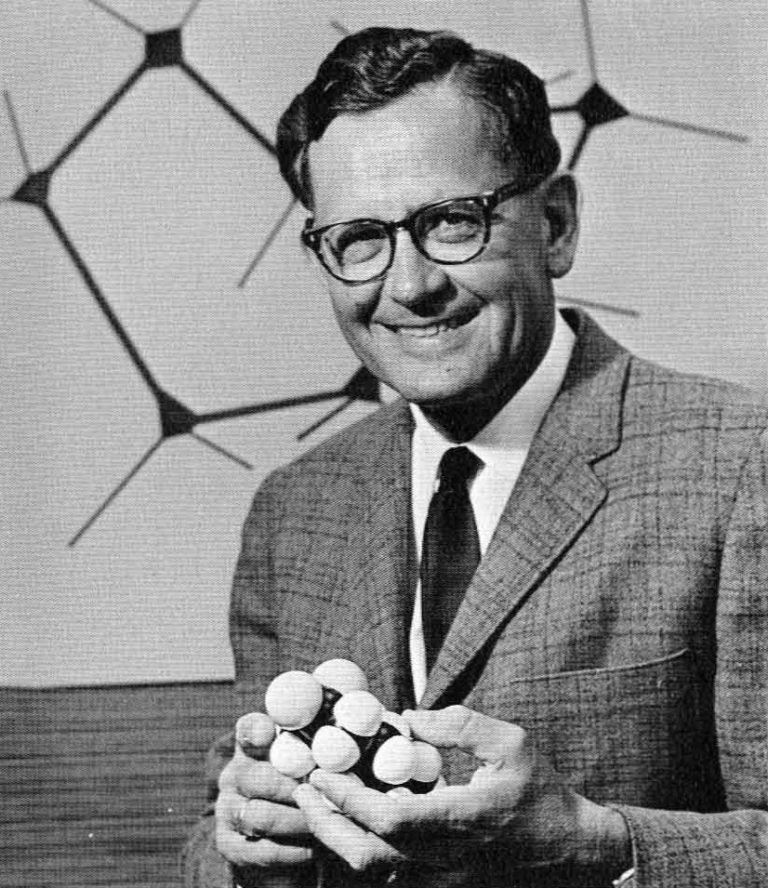
In 1987, the the American Chemical Society awarded the Priestley Medal to John D. Roberts ‘for his numerous…
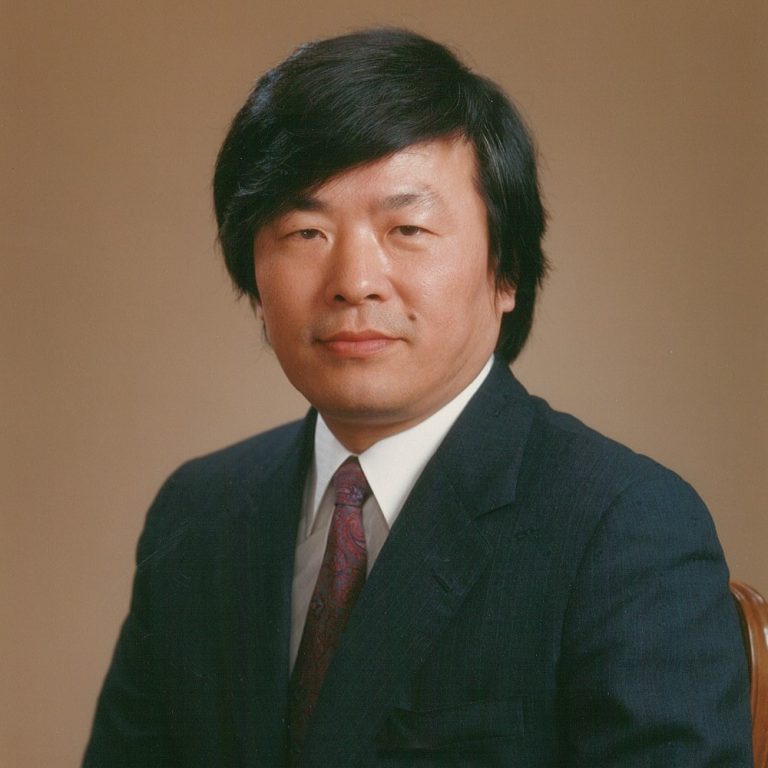
In 1987, University of California, San Diego Alumnus Susumu Tonegawa was awarded he Nobel Prize for Physiology or…
In 1987, the U.S. Food and Drug Administration (FDA) approved Genentech’s drug tPA Activase (alteplase). Activase is a…

In 1987, Richard Lerner, chair of the Scripps Department of Molecular Biology, was appointed the research institute’s new…

On Mar. 19, 1986, Eli Lilly acquired San Diego-based Hybritech for $300 million. Hybritech was a leading producer…
In February 1986, the U.S. Food and Drug Administration (FDA) approved Hybritech’s Tandem-R PSA assay (P850048) with calibration…
In 1986, University of California San Diego Center for AIDS Research (CFAR) was designated one of eight national…
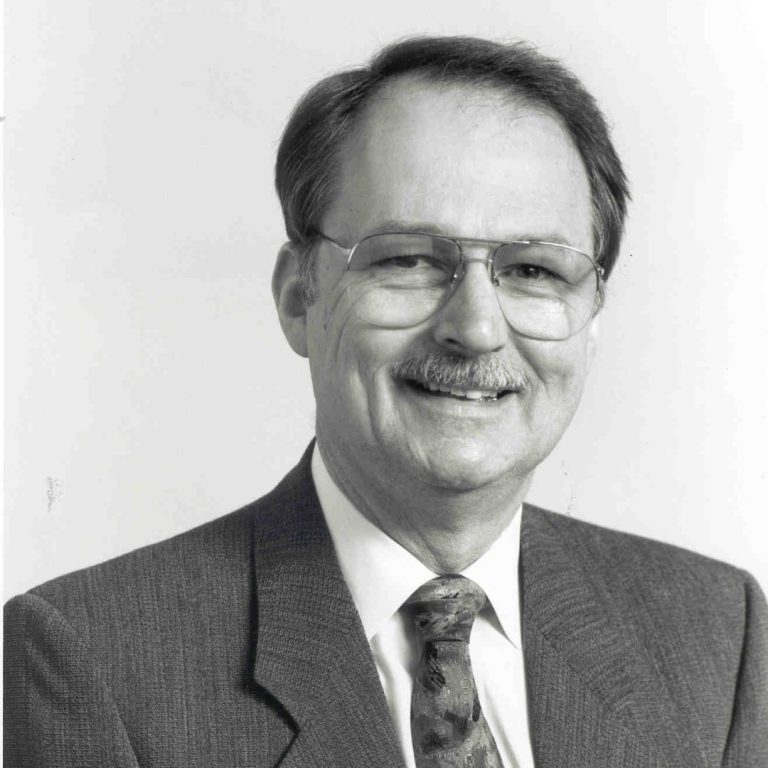
In Dec. 1985, the first clinical tests were held at the University of Washington of erythropoietin (EPO), the…
On Oct. 18, 1985, Genentech received U.S. Food and Drug Administration (FDA) approval of its first medicine, Protropin…
In 1985, the HER2 oncogene was discovered by Axel Ullrich, a young scientist at Genentech. The new oncogene…
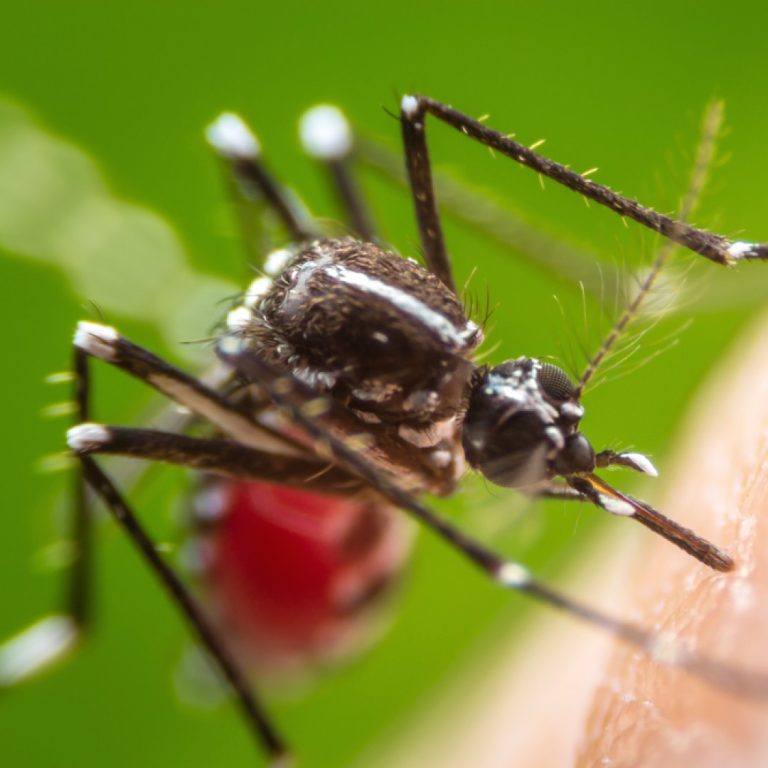
In 1985, the CDIPD was founded as an NIH-NIAID-supported Tropical Disease Research Unit (TDRU) at University of California,…
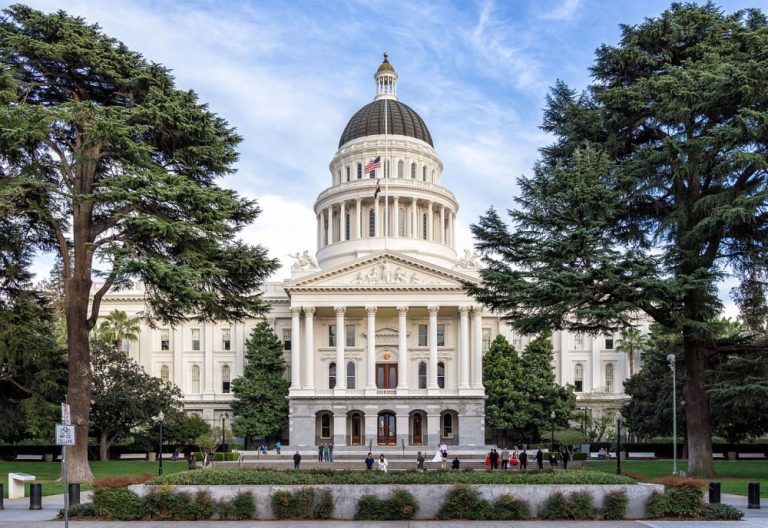
In 1985, California becomes the first state to launch its own Genetic Resources Conservation Program. Designed to preserve…
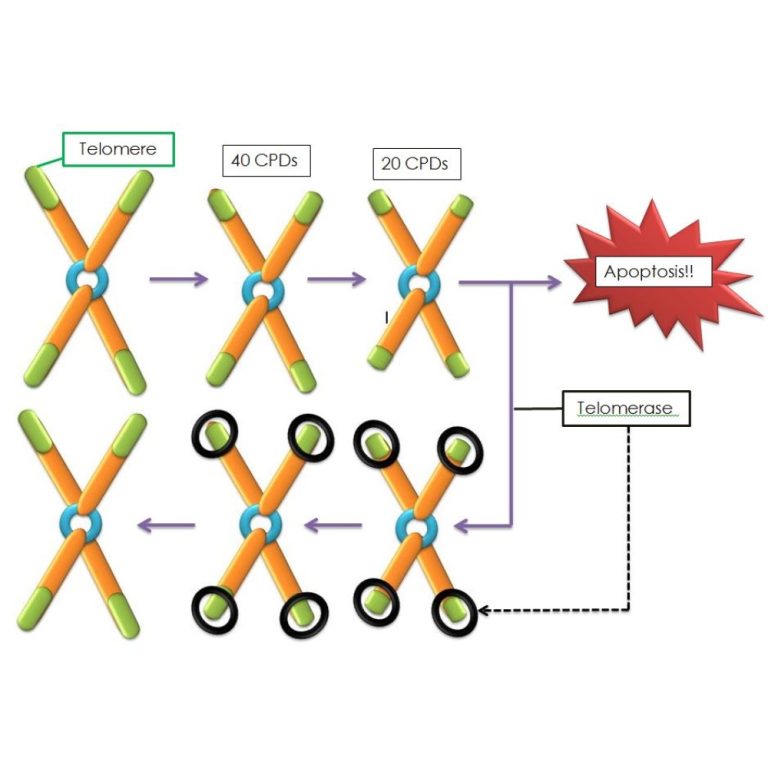
In 1985, telomerase was discovered by University of California, Berkeley graduate student Carol Greider while a student under…
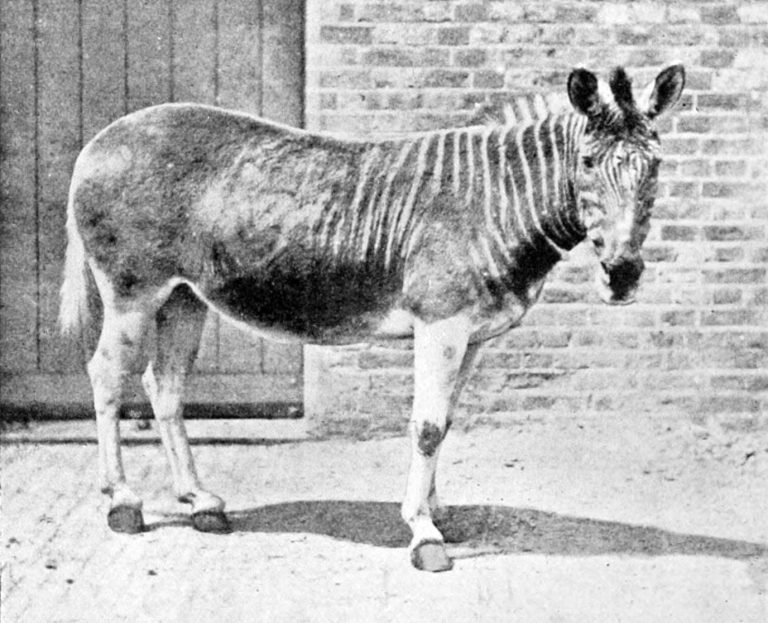
On Nov. 15, 1984, Allan Wilson and Russell Higuchi of the University of California at Berkeley become the…
On Mar. 8, 1984, two articles describing the cloning of the T-Cell Receptor (TCR) by Tak Wah Mak…

In 1984, the University of California, San Diego (UC San Diego) was selected as one of the original…
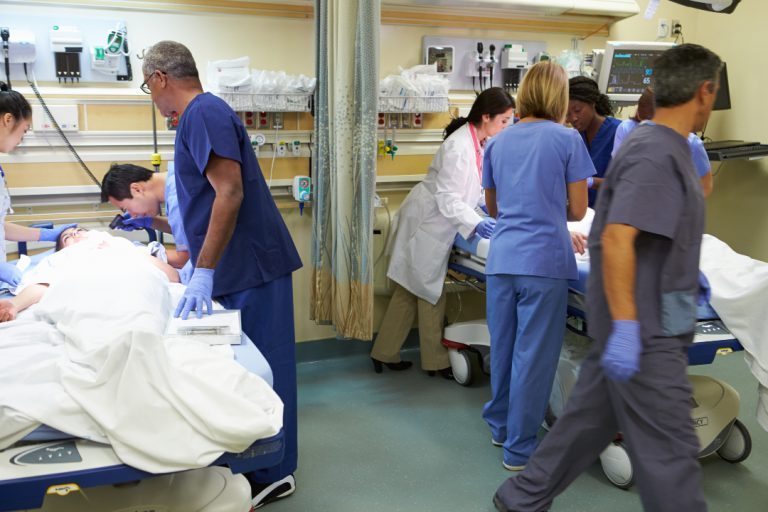
In 1984, University of California, San Diego Trauma Center (UC San Diego) joined with six other area hospitals…
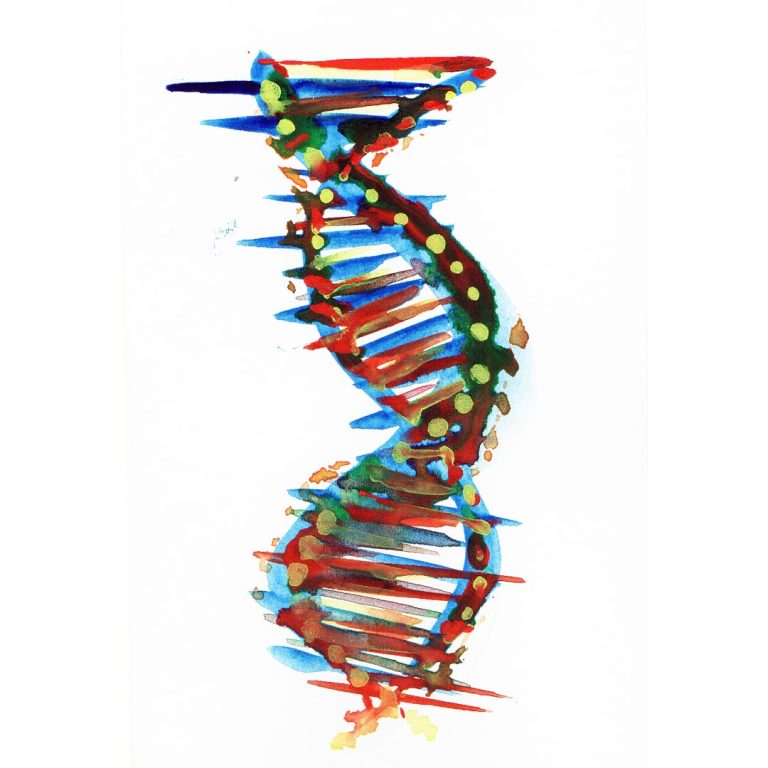
In 1984, Lawrence Livermore National Laboratory researchers published their solution to chromosome painting that has been widely adopted….
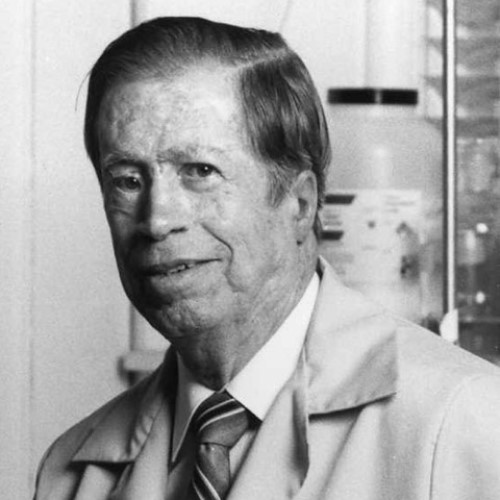
In 1984, Robert Bruce Merrifield a graduate of the University of California at Los Angeles (Ph.D. 1949) was…