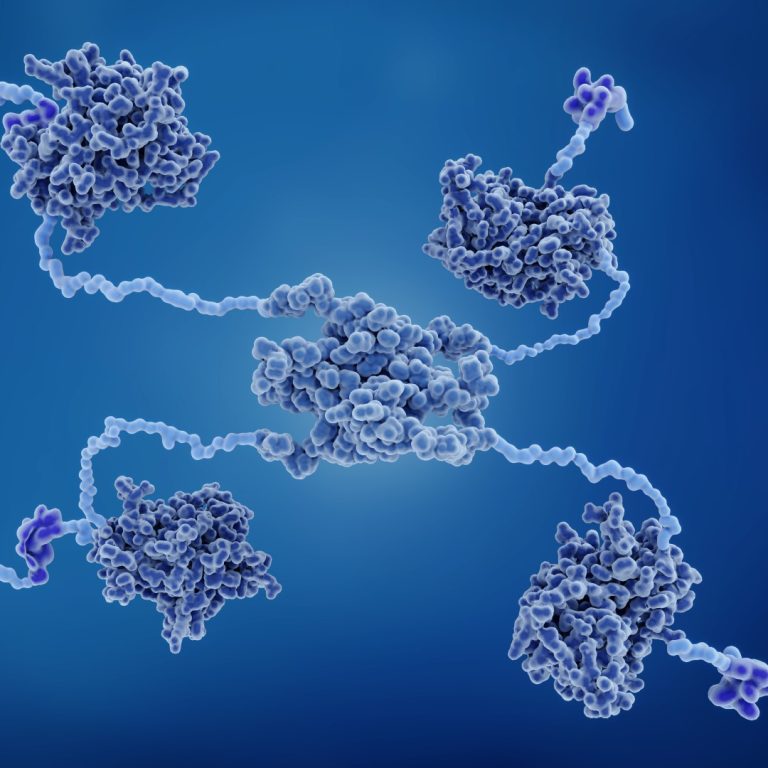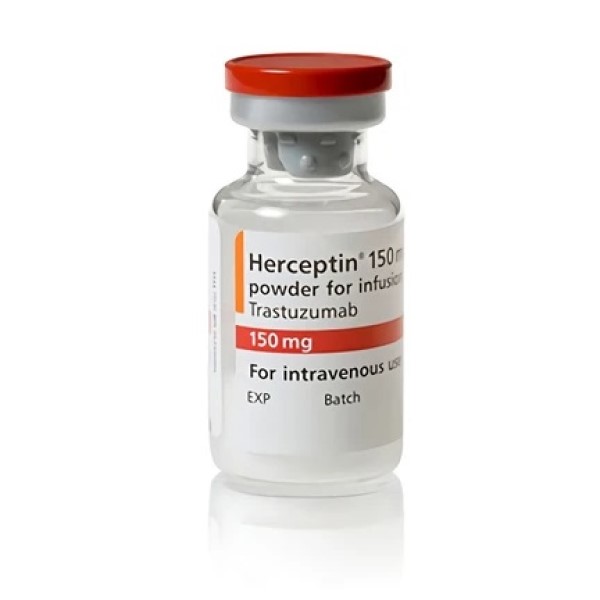
The FDA approved the monoclonal antibody Herceptin (Trastuzumab) for treatment of metastatic breast cancer
On Sept. 25, 1998, the U.S. Food and Drug Administration (FDA) approved the monoclonal antibody Herceptin (Trastuzumab) for…
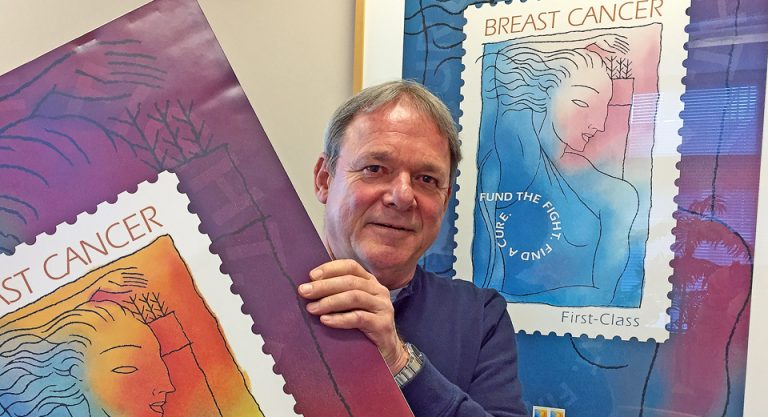
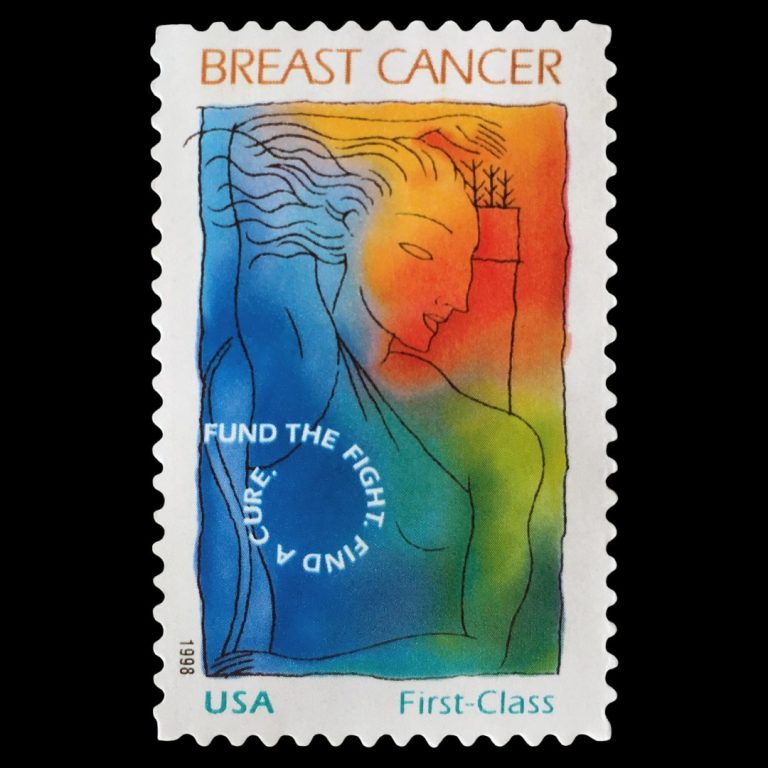
On Jul. 29, 1998, the Stamp Out Breast Cancer stamp was first issued. The driving force behind the…
On April 30, 1998, the U.S. Food and Drug Administration (FDA) approved the Genentech’s drug Xeloda (capecitabine) for…
In 1998, National Cancer Institute (NCI) awarded the City of Hope Cancer Center NCI-comprehensive cancer center designation. City…
In 1998, The Norris Comprehensive Cancer Center received a $5 million gift from local philanthropist Henrietta Lee which…
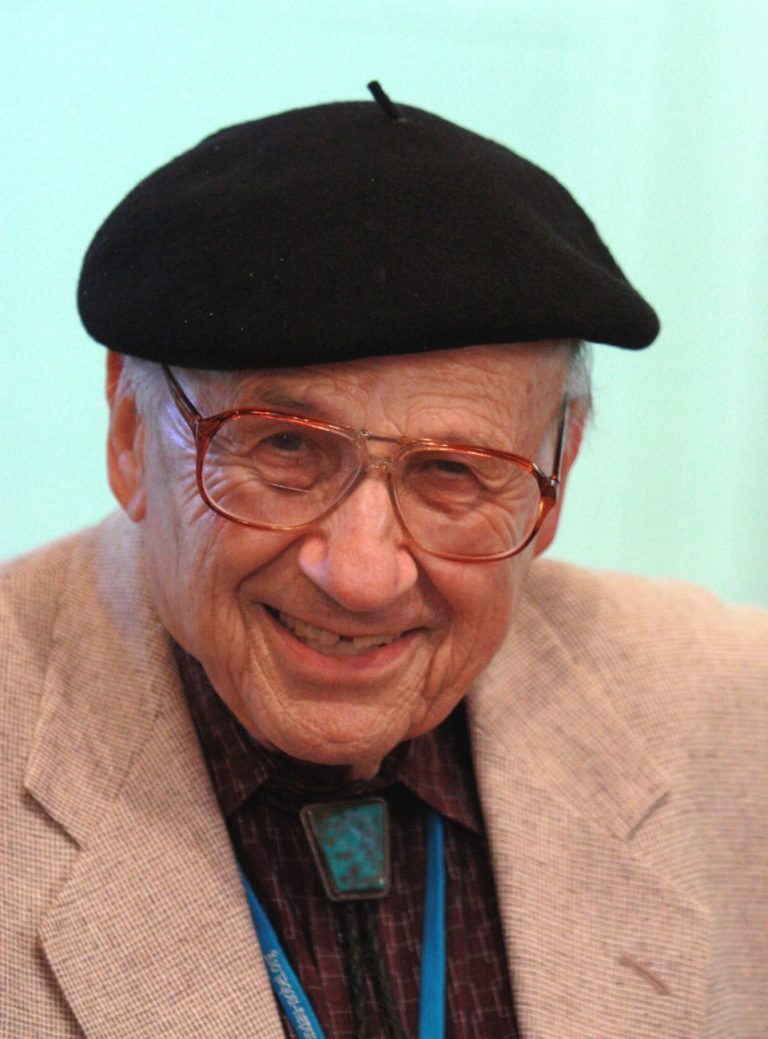
O Oct. 13, 1998, Walter Kohn of the University of California at Santa Barbara was awarded the 1998…
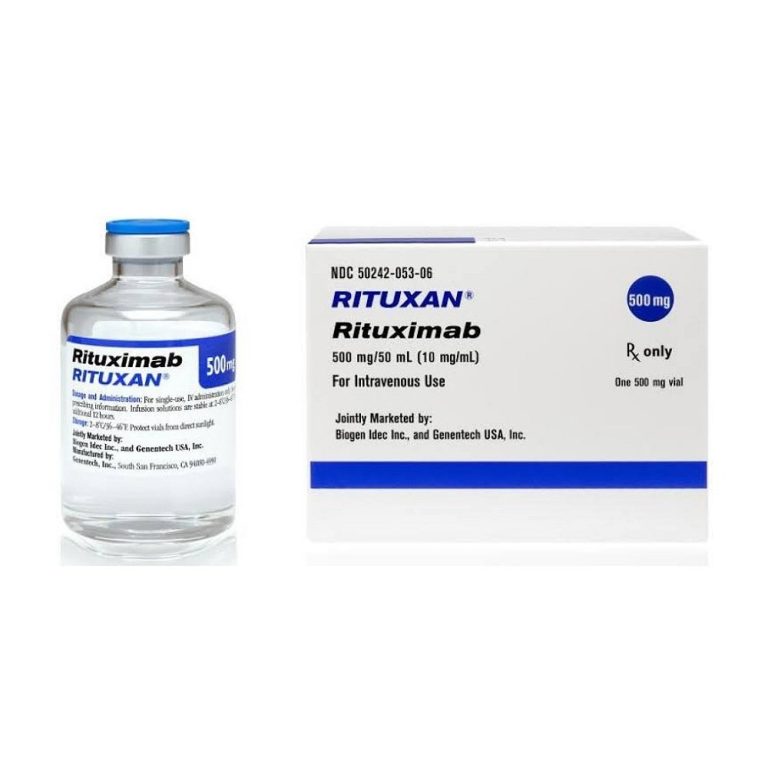
On Nov. 26, 1997, the U.S. Food and Drug Administration (FDA) announced it had approved the Monoclonal antibody…
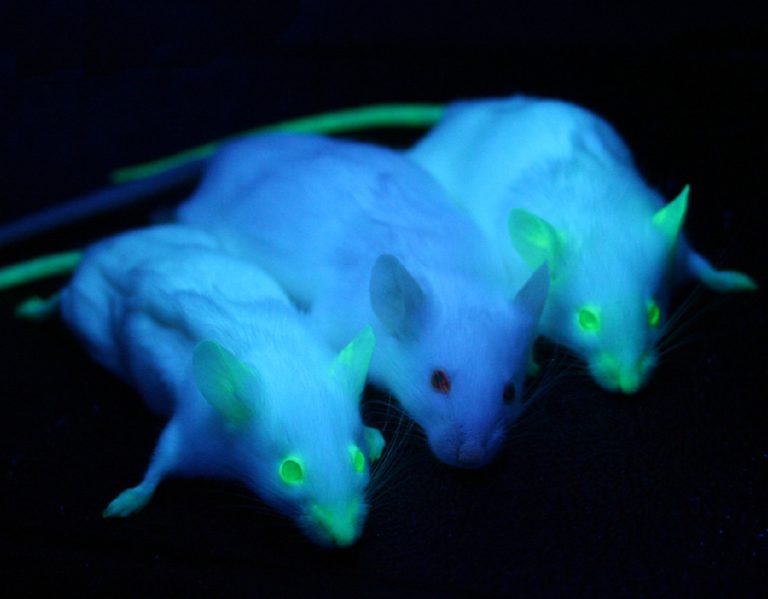
On Oct. 9, 1997, Stanford researchers announced that in a series of experiments performed in mice and rats,…
On Oct. 6, 1997, Stanley B. Prusiner, MD, was awarded the Nobel Prize for Medicine ‘for his discovery…
On Aug. 13, 1997, the Stamp Out Breast Cancer Act (PL 105-41) was signed into law by President…
In 1997, the National Fibromyalgia Association (NFA), the largest nonprofit [501(c)3] organization working to support people with fibromyalgia…
In 1997, the the University of California, Irvine (UCI) Chao Family Comprehensive Cancer Center (CFCCC) gained NCI designated…
In 1998, Alfred Mann gave $112.5 million to establish the University of Southern California Alfred E. Mann Institute…
In 1997, Paul D. Boyer of the University of California at Los Angeles was awarded the Nobel Prize…
On Mar. 26, 1996, the USC Norris Comprehensive Cancer Center and Hospital opened their expanded facilities that included…
On Jan. 2, 1996, Stanford Medicine researchers announced they had discovered that the p53 protein, known to be…
In 1996, Livermore National Lab delivered to the U.S. Army for testing the first fully portable, battery-powered, real-time…
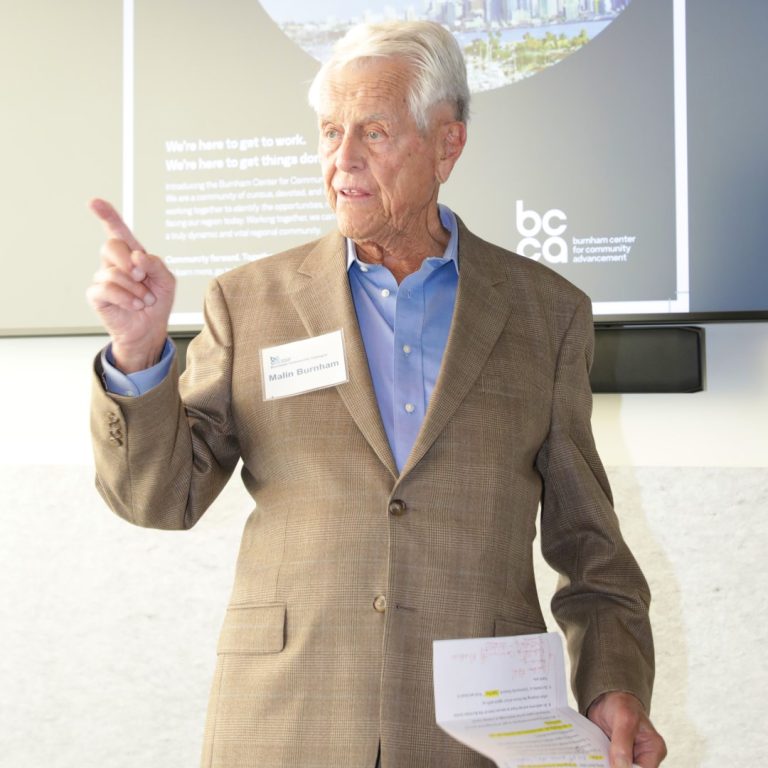
In 1996, the Burnham Institute was named to honor the generosity of Roberta and Malin Burnham and their…
In 1996, Stanford Medicine developmental biologist Matthew Scott and a team at University of California, San Francisco discovered…
On Dec. 11, 1996, scientists from Stanford University and Affymetrix announced a new high-tech method that used a…
In 1996, the Skaggs Institute for Chemical Biology was established at The Scripps Research Institute, thanks to a…
In 1996, the National Cervical Cancer Coalition (NCCC), a growing coalition of people battling cervical cancer and HPV…
On Dec. 29, 1995, the Genentech drug Nutropin AQ ((somatropin) injection for subcutaneous use) was approved by the…
On May 3, 1995, the U.S. Food & Drug Administration (FDA) announced it had approved Genentech’s drug CellCept…
In 1995, Southern California Biomedical Council (SCBC), was founded with support from Rebuild LA (RLA) under its second…
In 1995, the Ronald laboratory isolated and characterized the rice XA21 genetic locus and showed that XA21 encodes…
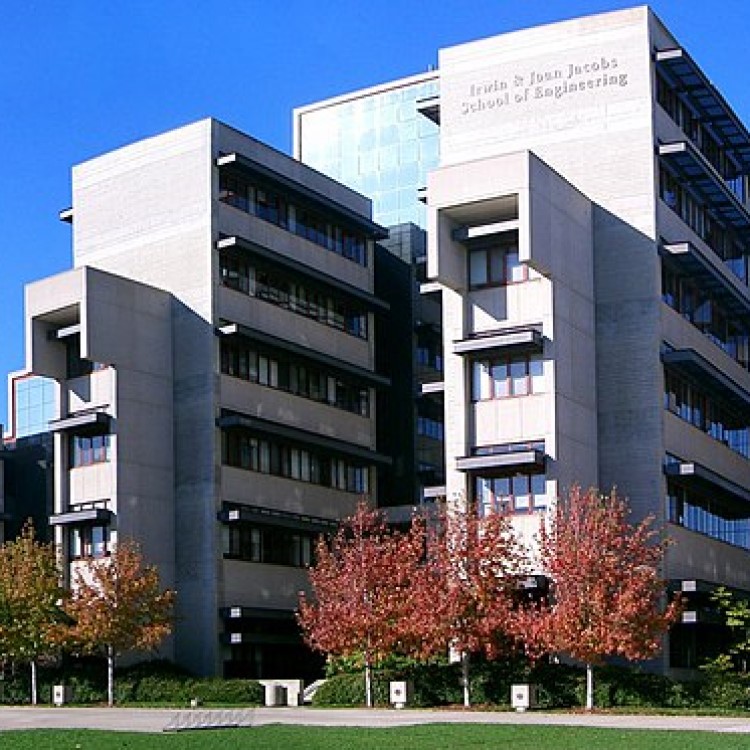
In 1995, the first department of bioengineering in the U.S. was established at the University of California, San…
On Oct. 26, 1994, the University of California, Irvine (UCI) Chao Family Comprehensive Cancer Center (CFCCC) gained designated…
On May 17, 1994, the U.S. Food and Drug Administration (FDA) approved of the first genetically modified food:…
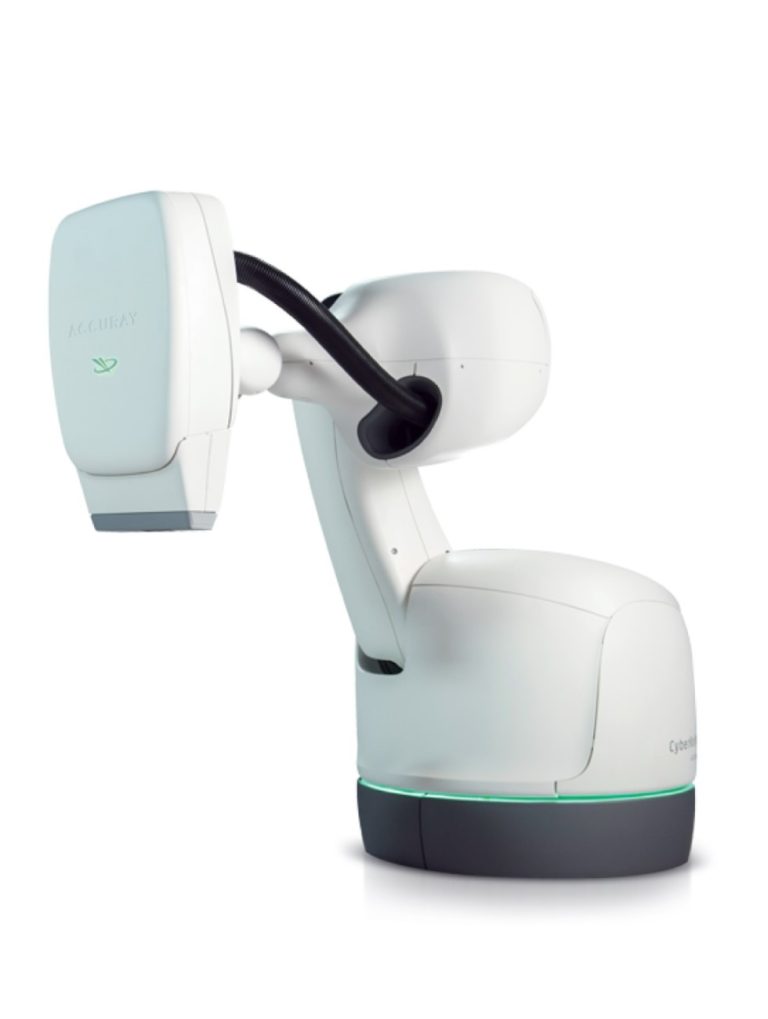
In 1994, CyberKnife developed by John Adler, MD and colleagues at Stanford University. CyberKnife’s special quality is that…