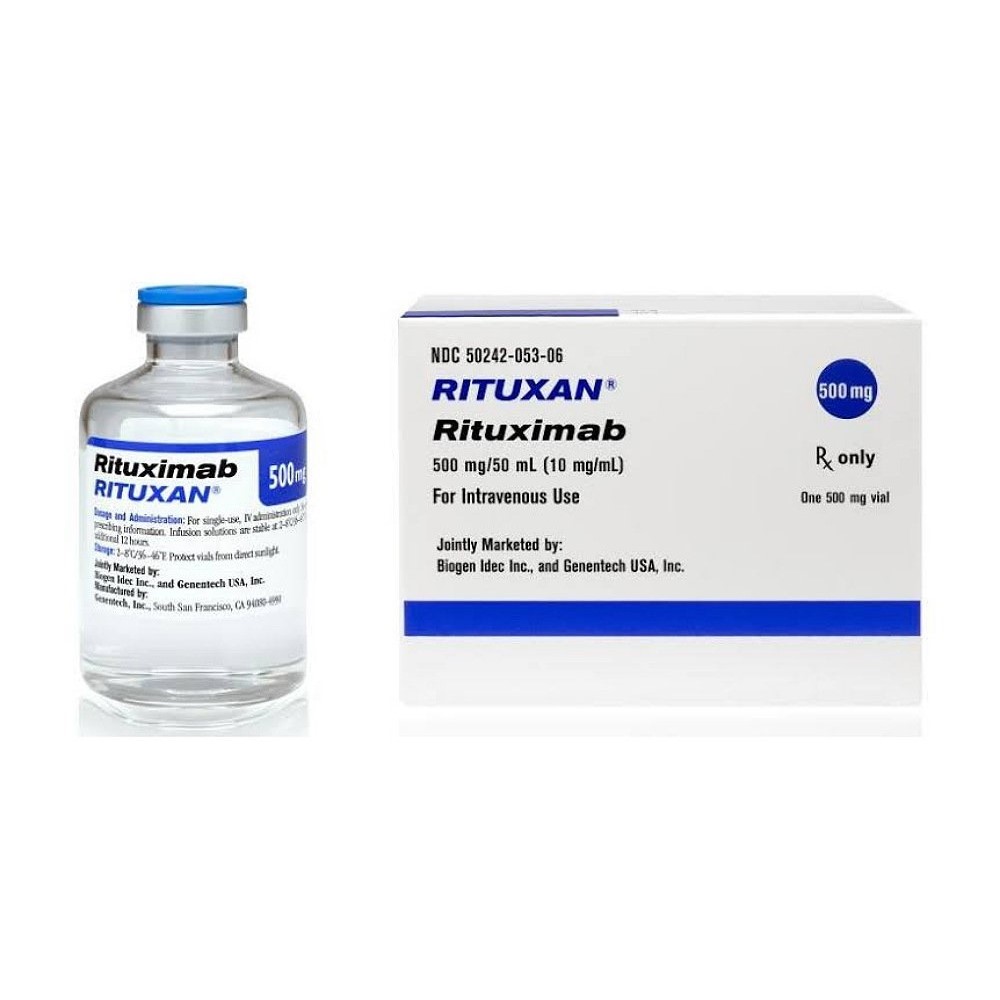
Monoclonal antibody rituximab (Rituxan) approved by the FDA to treat patients with non-Hodgkin lymphoma
On Nov. 26, 1997, the U.S. Food and Drug Administration (FDA) announced it had approved the Monoclonal antibody rituximab (Rituxan), the first biotechnology product approved for the indication of relapsed or refractory, CD20-positive, B-cell, low-grade or follicular non-Hodgkin’s lymphoma (LG/F NHL).
The selectivity of the drug for B-cells led to further investigations involving autoimmune B-cell−driven diseases, including rheumatoid arthritis. Rituximab has since been approved for the treatment of rheumatoid arthritis by the FDA.
Rituximab is a chimeric murine/human monoclonal immunoglobulin G1 antibody that targets CD20, which is a B-cell differentiation marker. CD20 is a cell-surface marker specifically found on pre-B and mature B lymphocytes and is not found on other cell types or free in circulation. The only binding site for rituximab is CD20 on B-cells. The binding of rituximab to cell surface CD20 located on the B lymphocytes results in destruction of the lymphocyte by 3 potential mechanisms, including complement-dependent cytotoxicity, stimulation of apoptosis, or antibody-dependent cytotoxicity Complement-mediated cytotoxicity most likely is the dominant mechanism in vivo.
Rituximab has been approved by the FDA for various B-cell non-Hodgkin lymphomas and rheumatoid arthritis. There are multiple off-label uses, including chronic lymphocytic leukemia, systemic lupus erythematosus, multiple sclerosis, autoimmune hemolytic anemia, posttransplant lymphoproliferative disorder, graft-versus-host disease, pemphigus vulgaris, chronic immune-mediated thrombocytopenia, and Evans Syndrome.
The Monoclonal antibody rituximab (Rituxan) was developed by IDEC Pharmaceuticals, San Diego, CA.
Tags:
Source: National Library of Medicine Roche
Credit: