The Tisch Cancer Institute was founded in New York
In 2008, the Tisch Cancer Institute (TCI) was founded through the generosity of James and Merryl Tisch. James…

In 2008, the Tisch Cancer Institute (TCI) was founded through the generosity of James and Merryl Tisch. James…
In 2008, Evestra was spun-off as a private biopharmaceutical company from the Texas Biomed Department of Organic Chemistry….
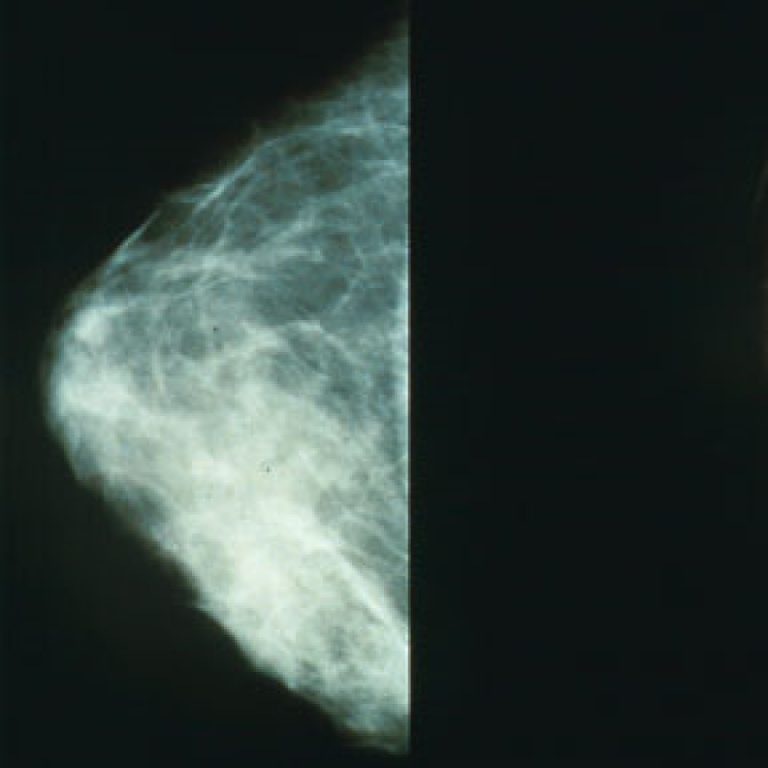
In 2008, the Seattle Cancer Care Alliance introduced the Mammovan, making digital mammography more accessible to women throughout…
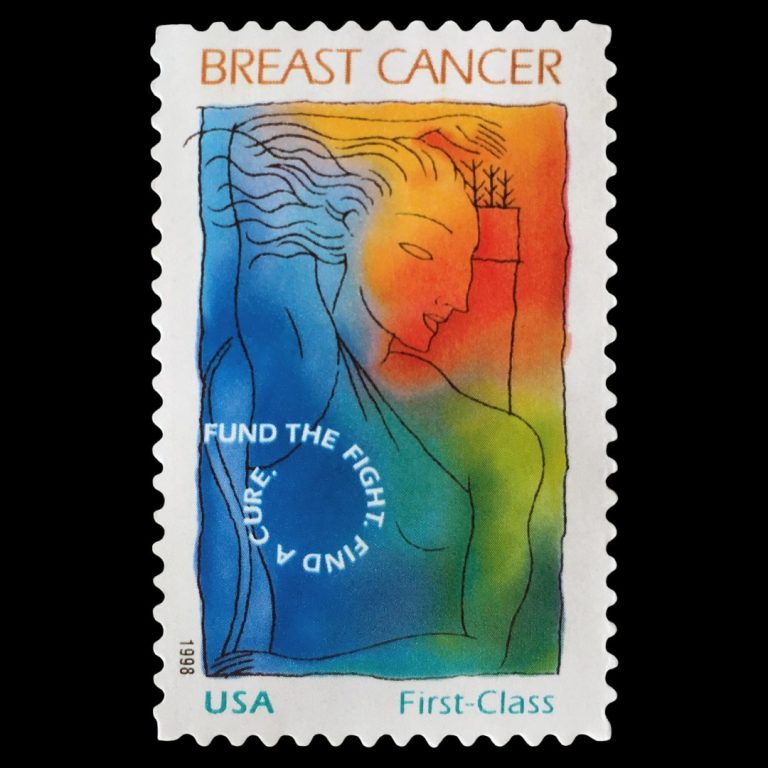
On Dec. 12, 2007, the Breast Cancer Research Stamp Reauthorization Act extended through Dec. 31, 2011, provisions requiring…
On Dec. 6, 2007, the Cancer Therapy & Research Center became part of the UT Health Science Center…
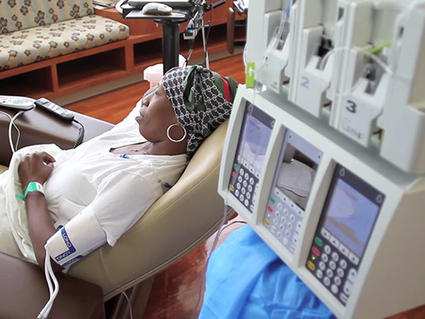
On Nov. 27, 2007, a new National Cancer Institute (NCI) model for calculating invasive breast cancer risk, called…

On Nov. 19, 2007, the University of California at San Francisco Cancer (UCSF) Research Institute was renamed the…

On Oct. 30, 2007, the Barnes-Jewish Hospital (BJC) Institute of Health at Washington University was established, to house…
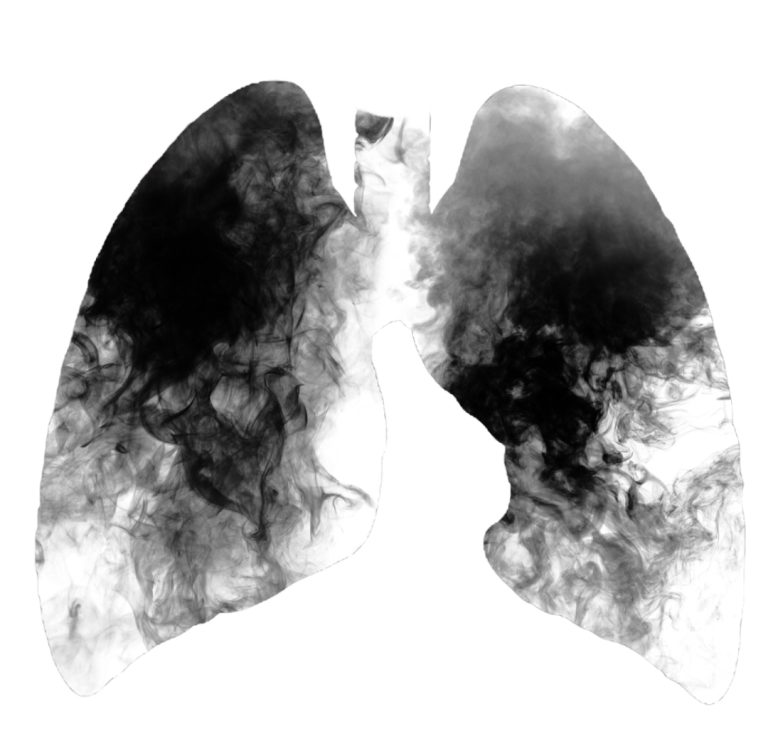
on Oct. 15, 2007, the annual report from the National Cancer Institute (NCI) showed that cancer death rates…

On Oct. 9, 2007, the Fred Hutchinson Business Alliance announced that the 2007 E. Donnall Thomas Medal of…
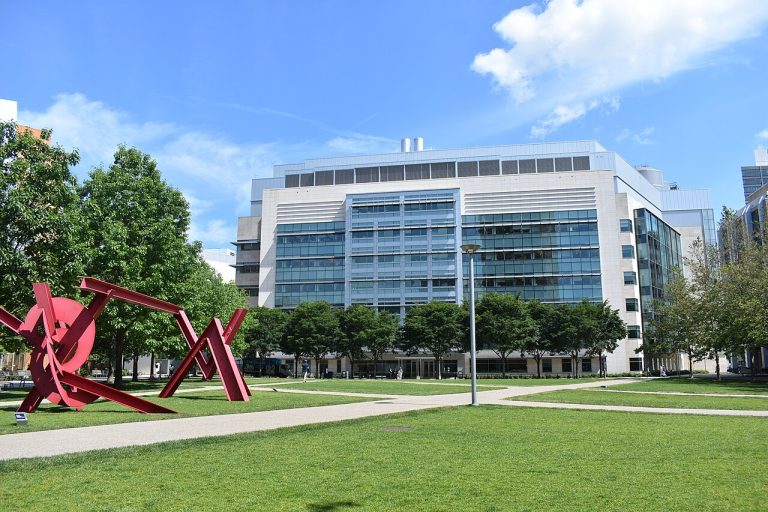
On Oct. 9, 2007, the David H. Koch Institute for Integrative Cancer Research at MIT was established with…
On Sept. 23, 2007, the Stanford Cancer Institute (SCI) was awarded “cancer center” designation from the National Cancer…

On Sept. 14, 2007, the U.S. Food and Drug Administration (FDA) announced it had approved Eli Lilly’s osteoporosis…
On Sept. 10, 2007, the National Cancer Institute (NCI) awarded a five-year, $12.5 million Specialized Program of Research…
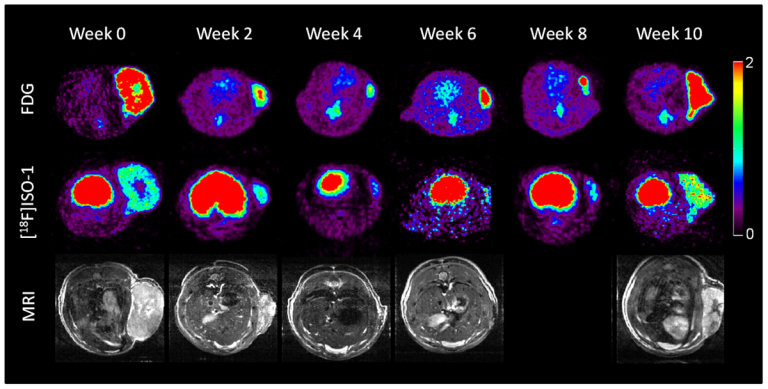
On Jul. 15, 2007, Dr. Jim Olson and colleagues from Fred Hutchinson Cancer Research Center and Seattle Children’s…

On May 21, 2007, Oregon Health & Science University (OHSU) announced that Grover Bagby, M.D., after 15 years…
On May 15, 2007, the University of New Mexico Cancer Center broke ground on new state-of-the-art cancer treatment…
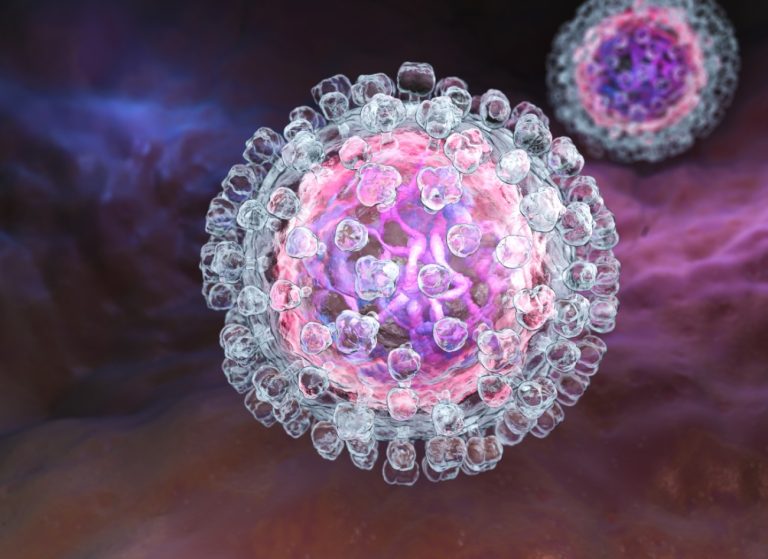
On May 8, 2007, the National Cancer Institute (NCI) reported that people infected with the hepatitis C virus…
On Apr. 20, 2007, President Bush signed critical legislation into law today to expand a successful program that…
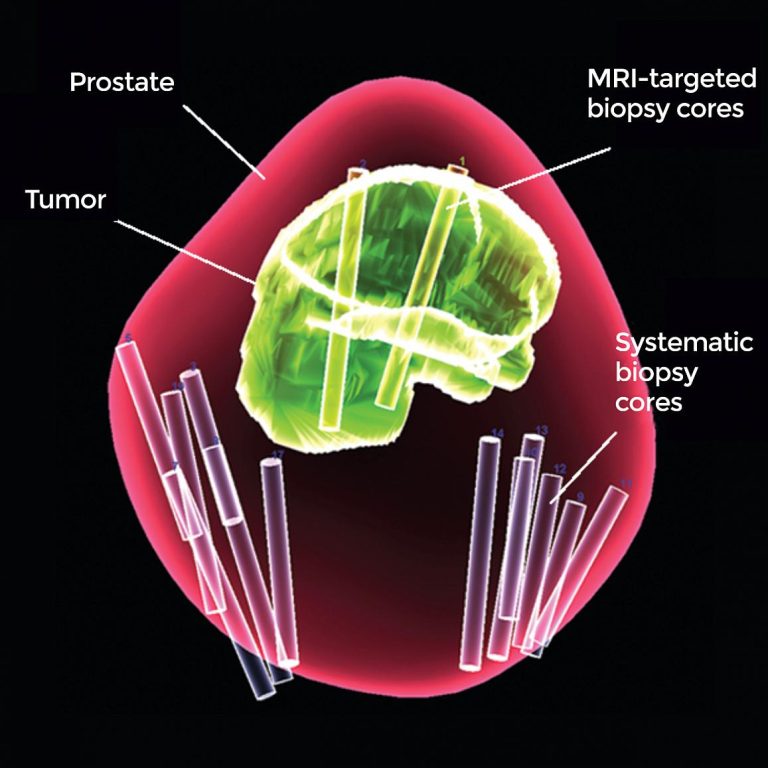
On Apr. 1, 2007, National Cancer Institute (NCI) researchers report that a set of genetic variations in at…

On Mar. 28, 2007, Magnetic Resonance Imaging (MRI) scans of women who were diagnosed with cancer in one…

On Feb. 8, 2007, Oregon Health & Science University (OHSU) and the OHSU Foundation announced the largest outright gift…
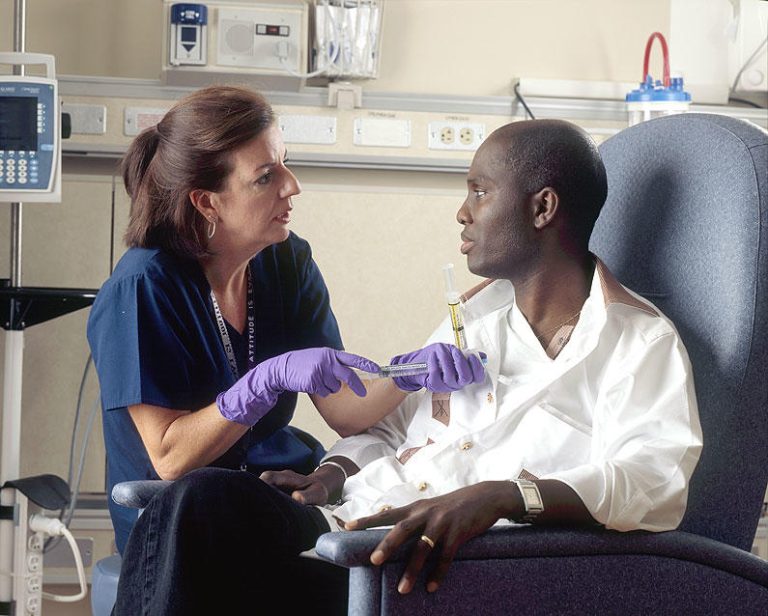
On Jan. 23, 2007, results from a large phase III clinical trial show that adult patients with previously…
In 2007, the U.S. Congress declared May National Cancer Control Month, an opportunity to educate all Americans about…
In 2007, The St. Jude LIFE study on the long-term effects of cancer and its treatment began. This…
In 2007, Texans voted to create the Cancer Prevention & Research Institute of Texas (CPRIT) and to invest…
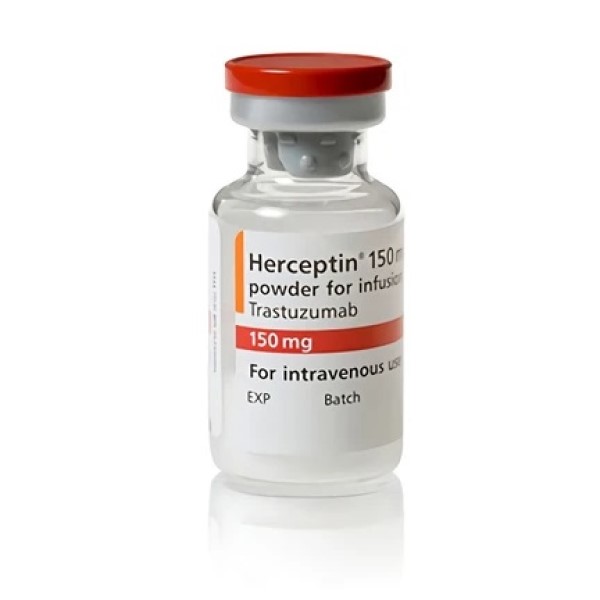
On Nov. 16, 2006, the U.S. Food and Drug Administration (FDA) approved Genentech’s trastuzumab (Herceptin) for use with…
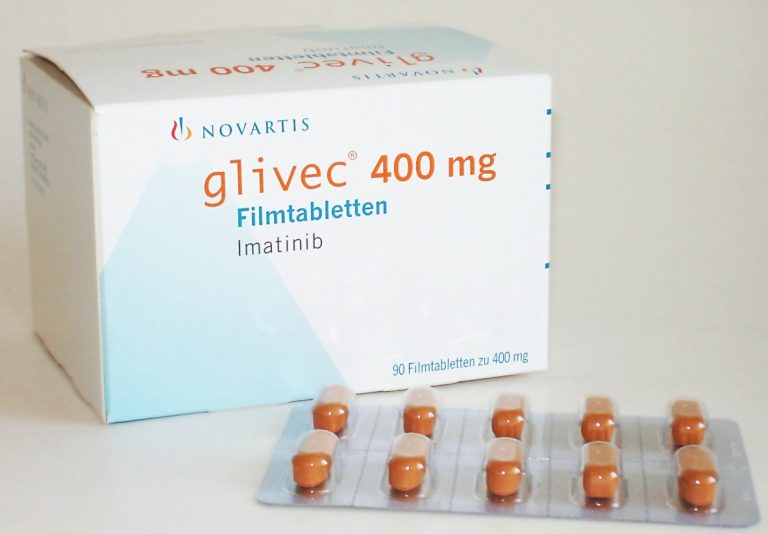
On Oct. 19, 2006, the U.S. Food and Drug Administration (FDA) granted Glivec® (imatinib) has received US regulatory…
On Oct. 19, 2006, the National Cancer Institute released new data from the Cancer Genetic Markers of Susceptibility…

On Oct. 19, 2006, the U.S. Food and Drug Administration (FDA) approved the drug, Gleevec developed by Oregon…