U.S. Congress passed the Federal Food, Drug, and Cosmetic Act
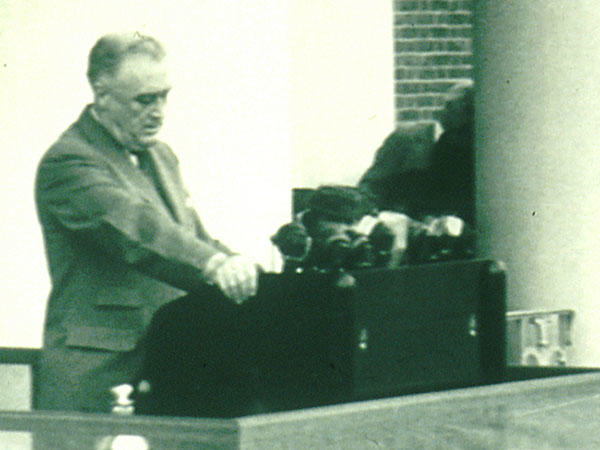
On Jun. 25, 1938, the U.S. Congress passed the Federal Food, Drug, and Cosmetic Act with new provisions….
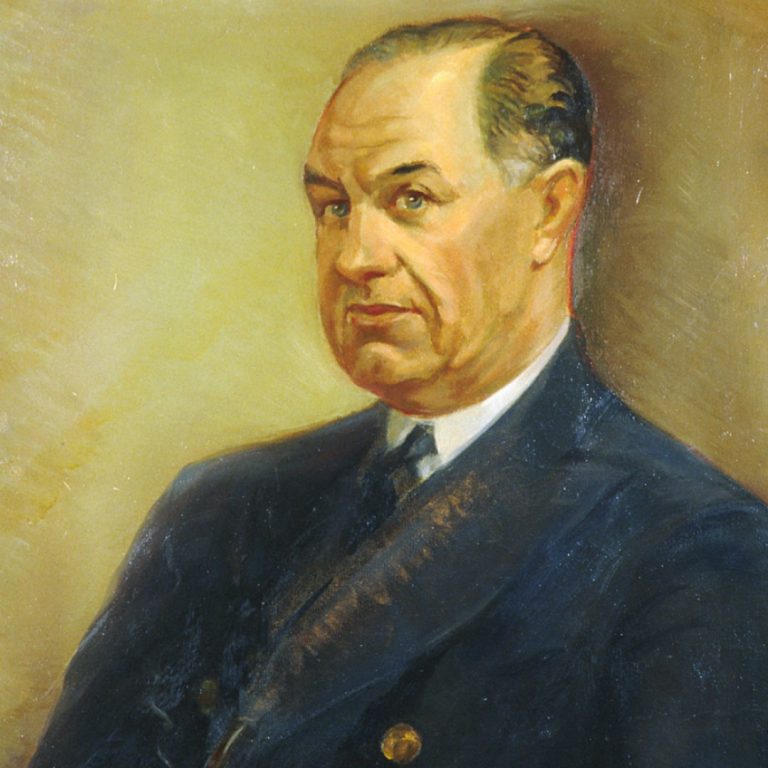
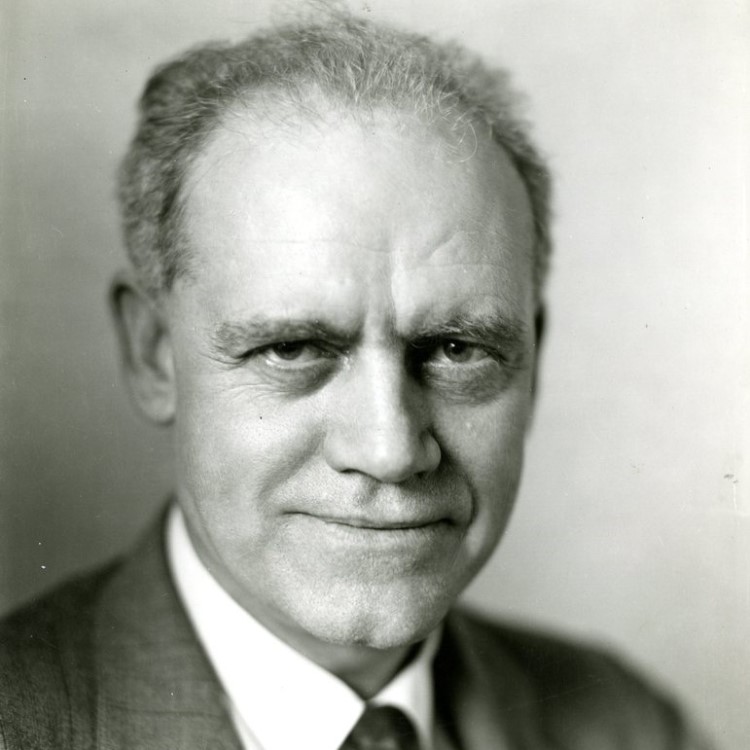
On Jan. 13, 1938, Dr. Carl Voegtlin became the first director of the National Cancer Institute (NCI), established…
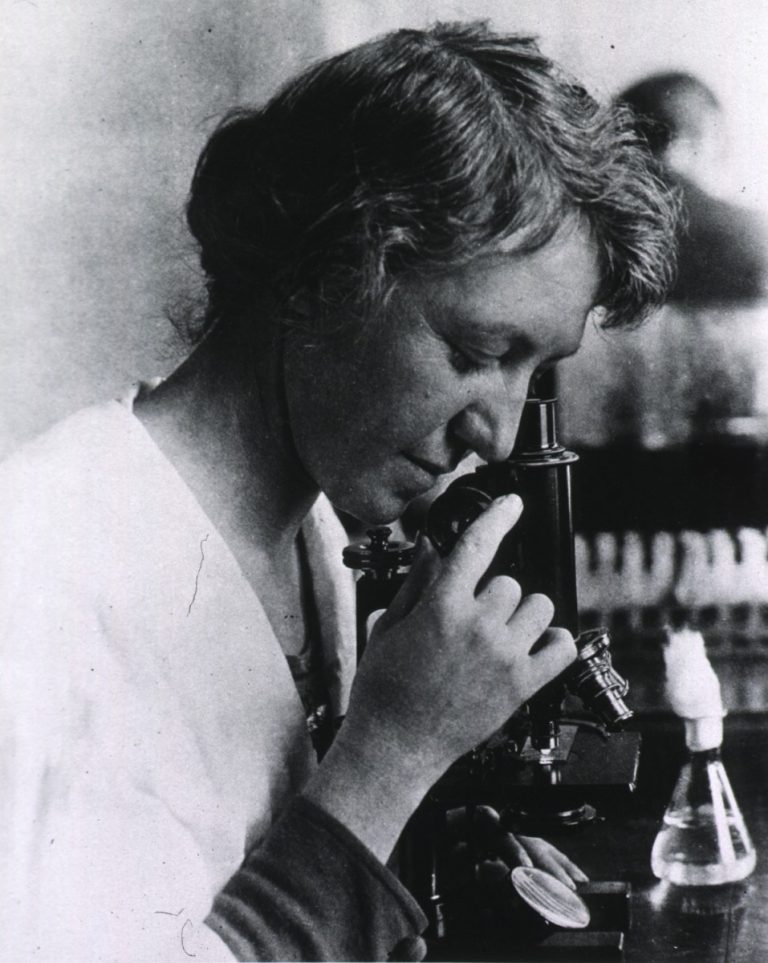
In 1938, Margaret Pittman showed that the precipitin reaction around meningococcus colonies on immune serum agar plates was…
On Aug. 5, 1937, the National Cancer Institute (NCI) Act, P.L. 244, 75th U.S. Congress, was signed by…
In 1937, Maurice C. Hall developed a technique, known as the “NIH swab,” to diagnose enterobiasis; it is…
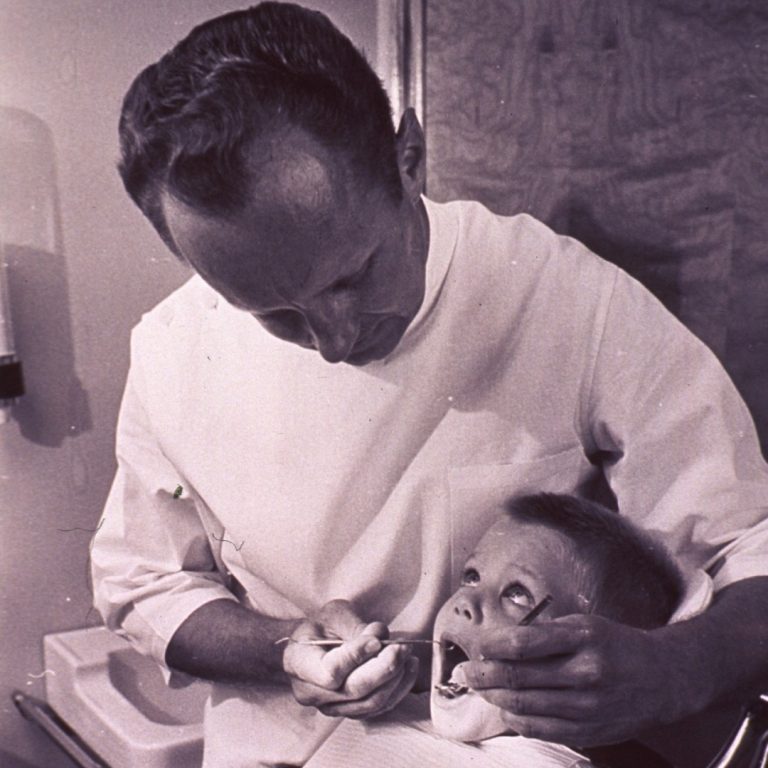
In 1937, Henry Klein, Carroll E. Palmer, John W. Knutson devised a Decayed Missing Filled (DMF) Index guide…
In 1937, Margaret Pittman, Sara E. Branham, and E. M. Sockrider showed the type specificity of meningococcus by…
In 1937, the Rocky Mountain Laboratory became part of the National Institute of Health (NIH). During World War…
In 1934, Ida A. Bengtson began standardization of antitoxin for six species of Clostridium which cause gas gangrene….
In 1932, a section on heart disease supervised by Arthur M. Stimson began to study the causes of…
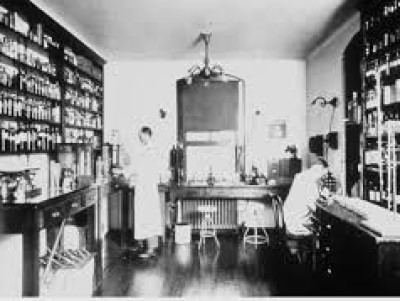
In 1930, the Ransdell Act changed the name of the Hygienic Laboratory to National Institute (singular) of Health…
In 1930, the Hygienic Laboratory changed its name to the National Institute (singular) of Health and authorized the…
In 1928, Rocky Mountain Biological Laboratory, grew from the work of Dr. John Johnson, a biology professor at…
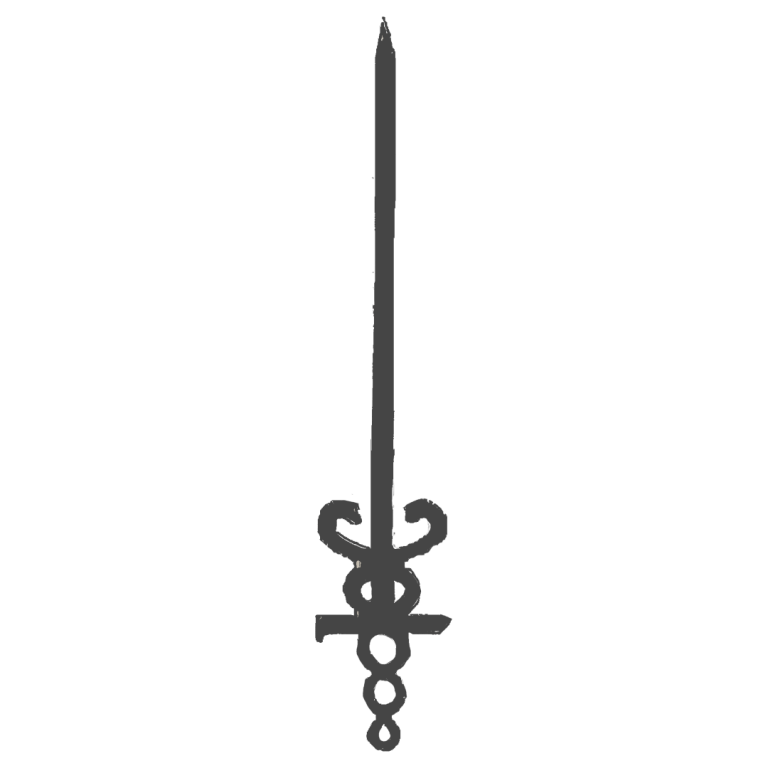
In 1928, the sword symbol of the Americal Cancer Society (ASCC) came from a 1928 nationwide poster contest…
On Feb. 4, 1927, a decade before the National Cancer Institute (NCI) was established, Senator Matthew Neely (D)…
In 1925, Rolla E. Dyer, a senior scientist at NIH, defined the unit for scarlet fever streptococcus antitoxin.
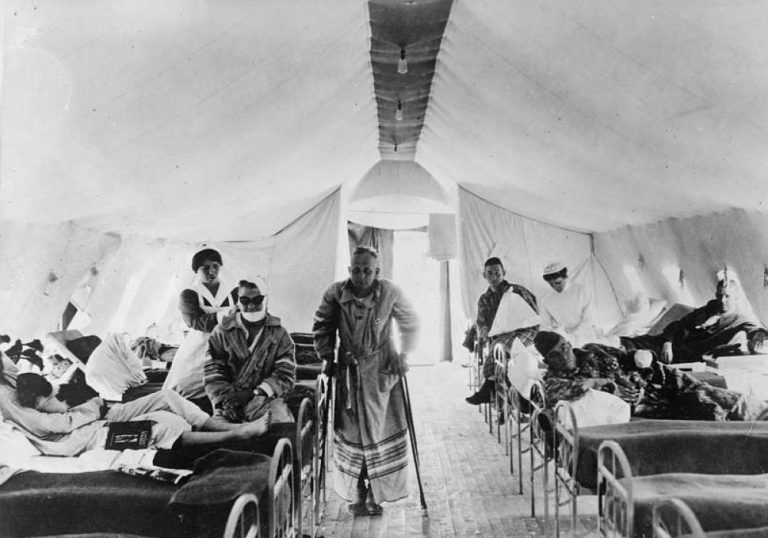
On Oct. 7, 1918, U. S. Surgeon General notified state health officers they should consider enacting social distancing…
In 1916, During World War I, work by Hygienic Laboratory investigators changed the way smallpox vaccinations were administered…
In 1914, Walter L. Treadway conducted first Hygienic Laboratory survey on mental health studying the role of public…
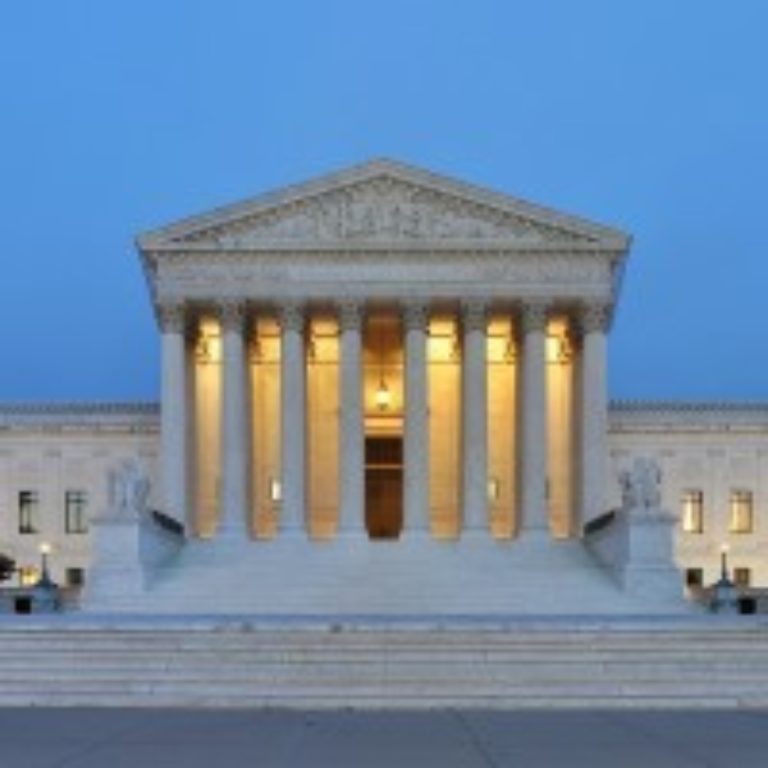
On May 29, 1911, in U.S. v. Johnson, the Supreme Court ruled that the 1906 Pure Food and…
In 1896, Almroth Edward Wright, Richard Pfeiffer and Wilhelm Kolle developed the first typhoid vaccine. It was a…
In 1892, President Benjamin Harrison, trying to prevent av Asiatic cholera epidemic, had Surgeon General Thomas J. Parran,…
On Jun. 1, 1881, Walter Wyman began service as Supervising Surgeon (renamed U.S. Surgeon General in 1902). He…
Between 1884-1895, Milton J. Rosenau, Leslie L. Lumsen, Joseph H. Kastle and other Hygienic Laboratory workers conducted an…
On Apr. 3, 1879, John B. Hamilton began service as Supervising Surgeon (later known as U.S. Surgeon General),…
In 1836, The Library of the Office of the Surgeon General of the Army (the present U.S. National…
On May 3, 1802, the first permanent Marine hospital was authorized to be built in Boston, Mass. A…
On Mar. 2, 1799, an amending act extended benefits of the Marine Hospital Service to officers and men…
On Jul. 16, 1798, the Marine Hospital Service, predecessor to the National Institutes of Health (NIH), was established…
In 1716, the Collegiate School moved to New Haven. Yale University was founded in 1701 as the Collegiate…