Cleveland Mayor announced the closure of theaters, movie houses, night schools, and other places of assembly
On Oct. 10, 1918, Cleveland Mayor Harry Davis announced the closure of theaters, movie houses, night schools, and…
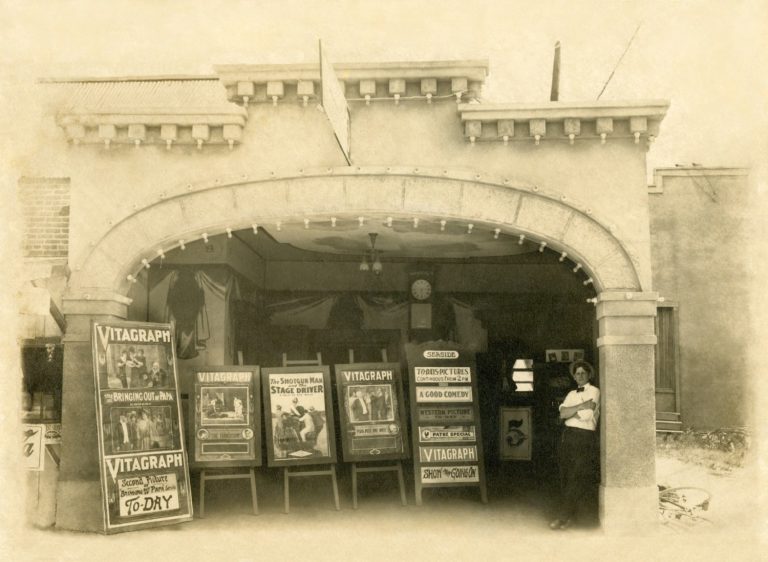
On Oct. 10, 1918, Cleveland Mayor Harry Davis announced the closure of theaters, movie houses, night schools, and…
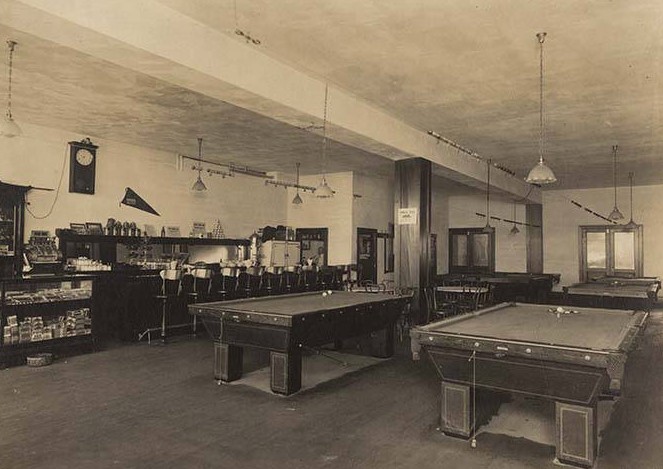
On Oct. 10, 1918, all Dallas theaters, playhouses, and all other places of public amusement were to be…
On Oct. 9, 1918, the New Orleans Board of Health with Mayor Martine Behrman’s consent and the blessing…
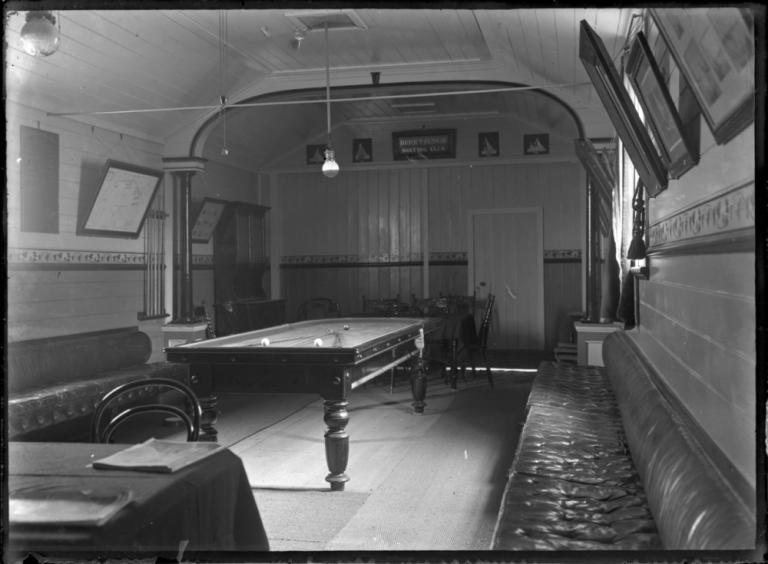
On Oct. 9, 1918, Baltimore Health Commissioner Dr. John Blake ordered public gatherings prohibited and ordered theaters and…
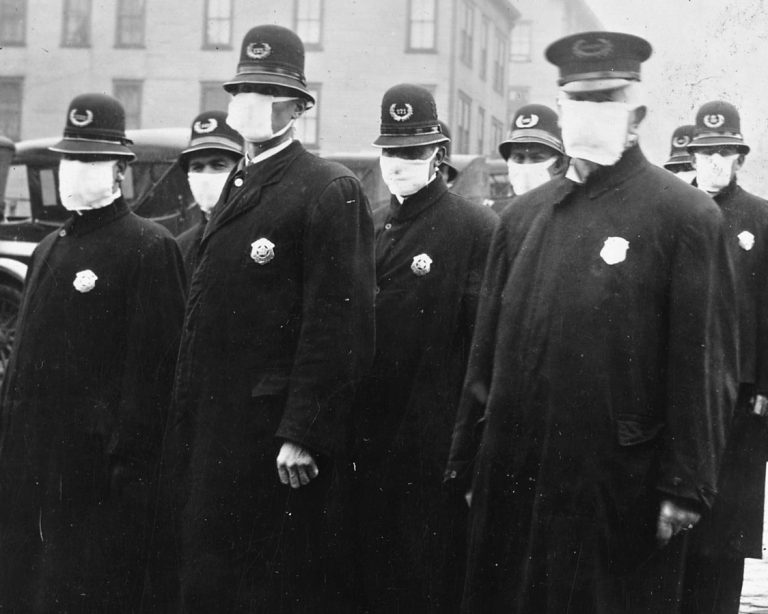
On Oct. 9, 1918, due to the influenza spread, Minneapolis Health Commissioner Dr. H. M. Guilford ordered a…
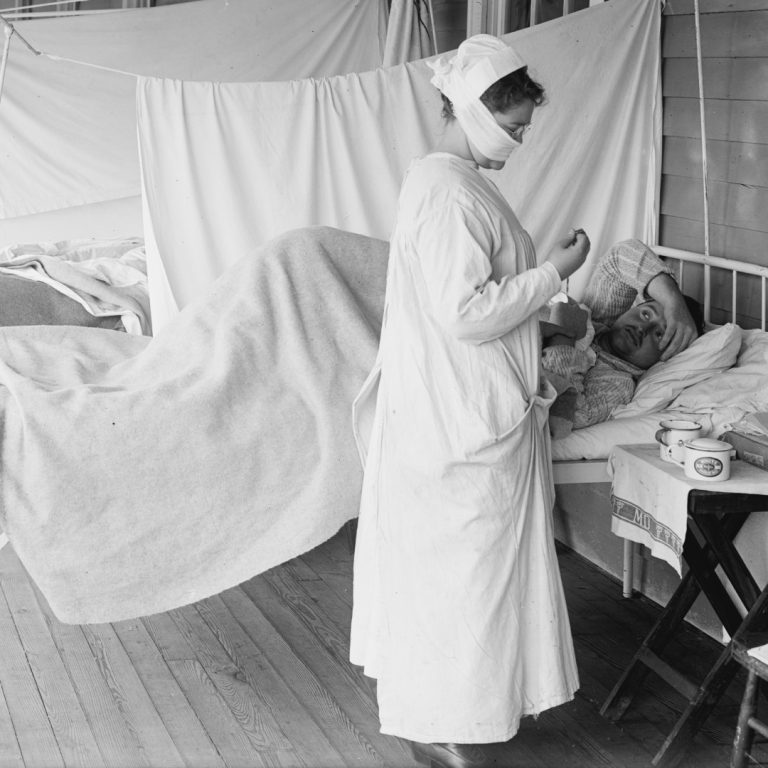
On Oct. 9, 1918, Cleveland Health Commissioner Rockwood met with Acting Mayor W. S. FitzGerald and Director of…
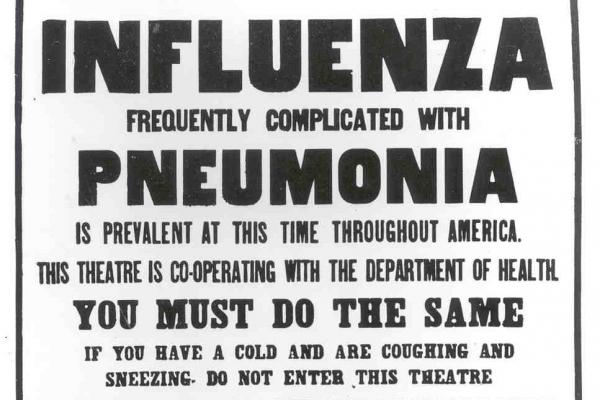
On Oct. 9, 1918, Nashville schools were closed due to the influenza epidemic. In surrounding Davidson County, the…
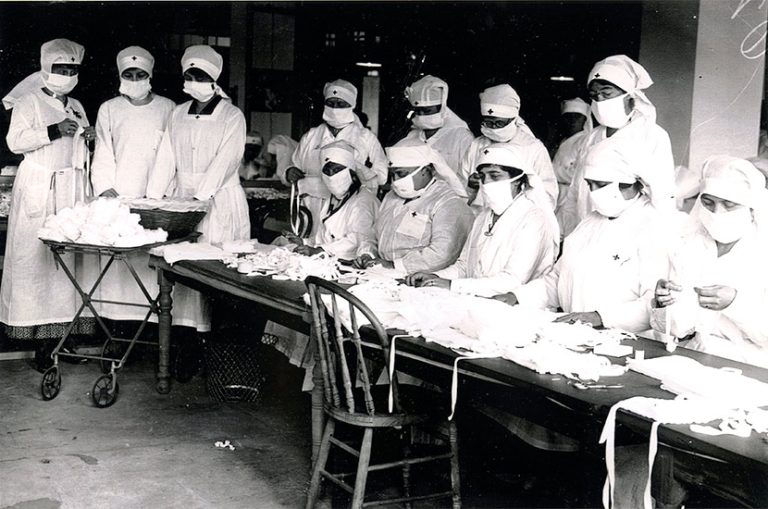
On Oct. 9, 1918, the Dallas Board of Health agreed to make influenza a reportable disease and to…
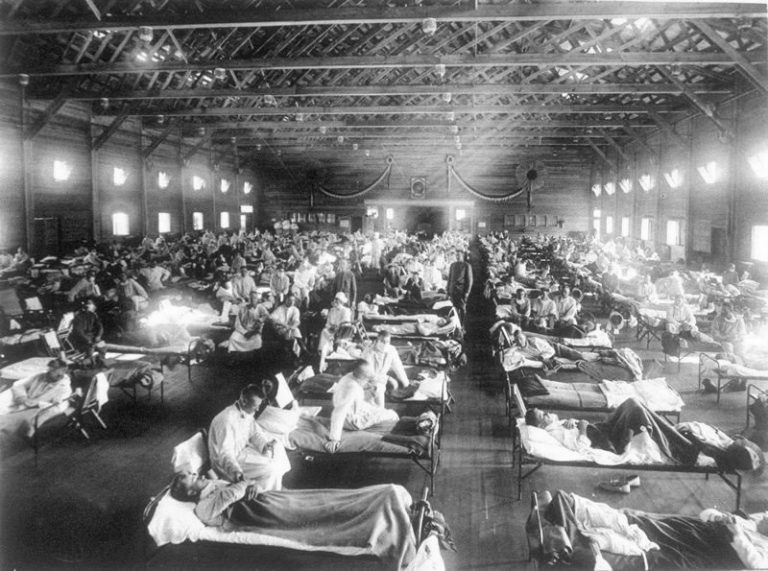
By Oct. 9, 1918, over 1,000 cases of influenza had been reported in Dallas. Later that day, Mayor…
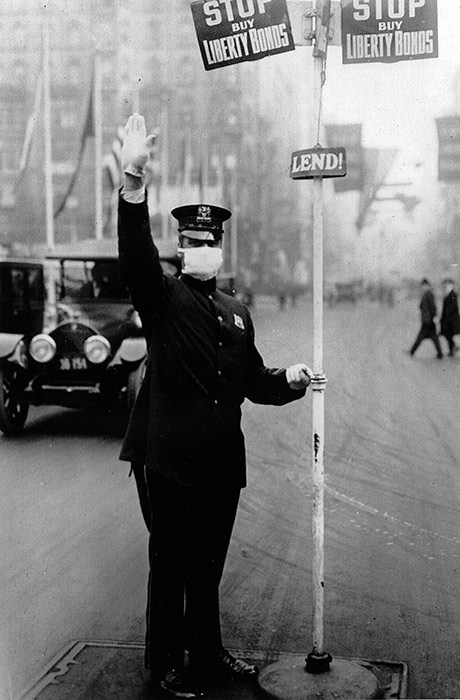
On Oct. 8, 2018, Albany Commissioner of Public Safety James Sheldon Frost ordered all schools, churches, theaters, movie…
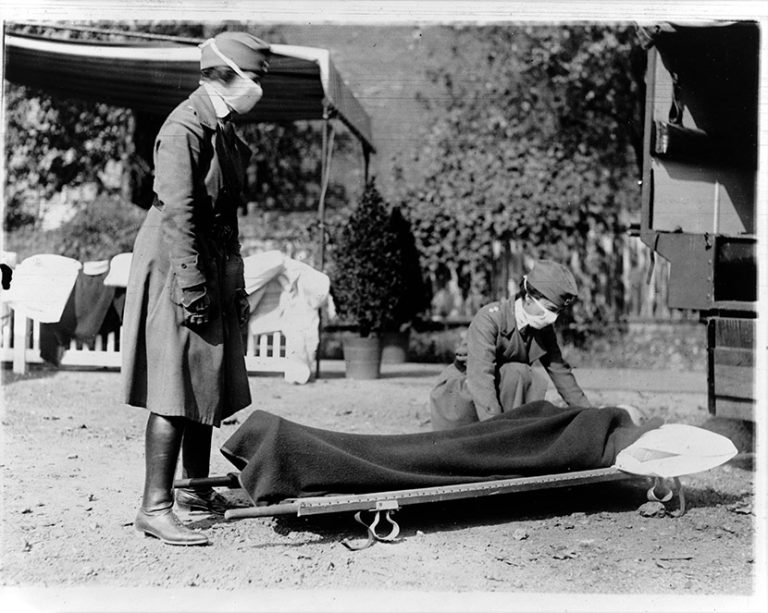
On Oct. 8, 1918, the Birmingham City Commission passed a resolution to close places of large gatherings, such…
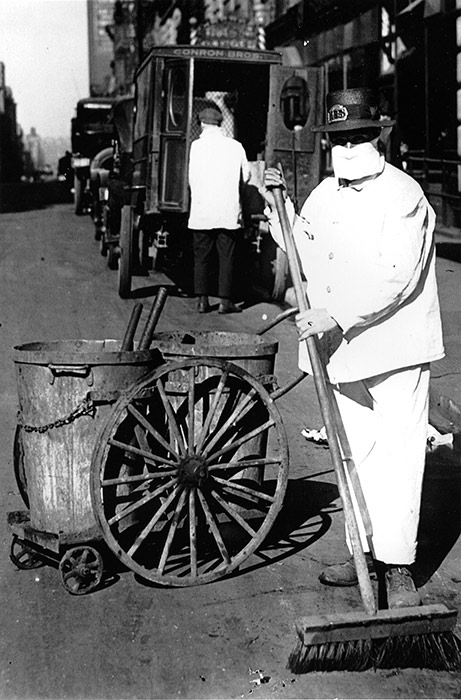
On Oct. 8, 1918, the Atlanta Board of Health voted to close all schools, libraries, theaters, movie houses,…
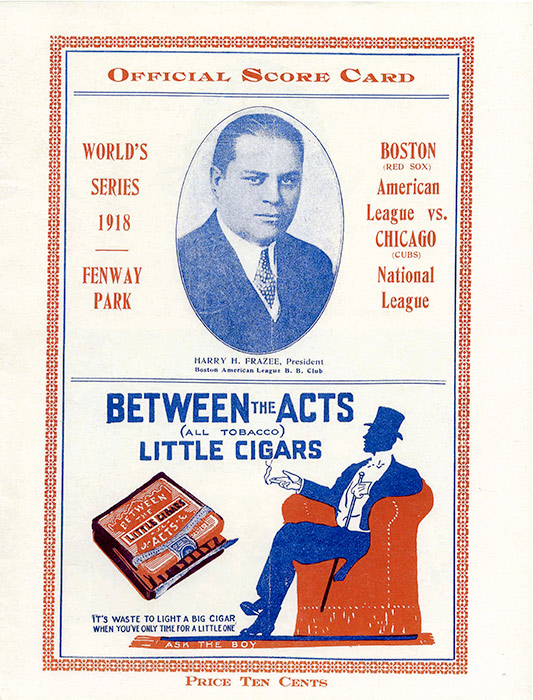
On Oct. 8, 1918, Boston’s health commissioner Dr. William C. Woodward ordered reduced hours for various stores in…
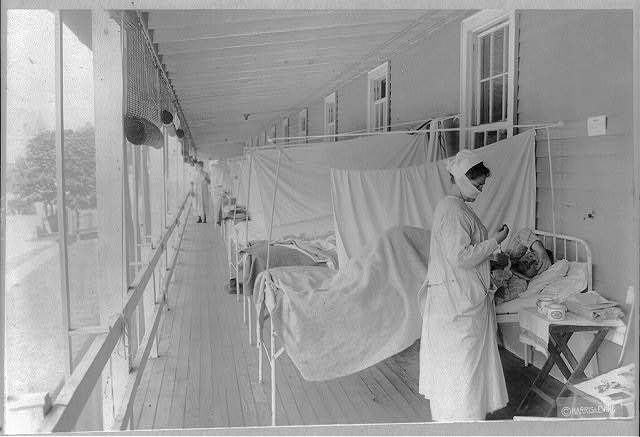
On Oct. 8, 1918, the Baltimore school board decided to take unilateral action and to close all public…
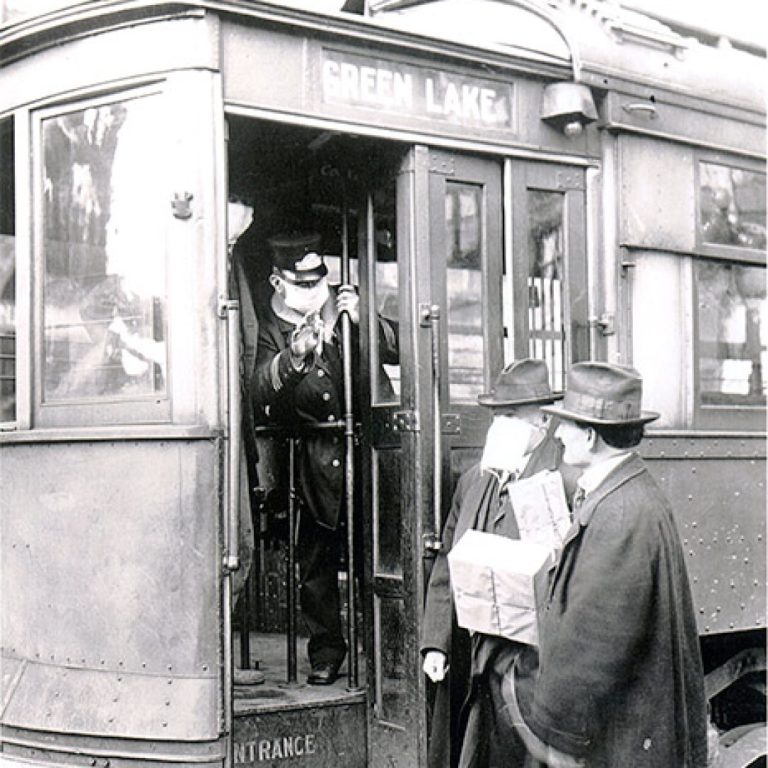
On Oct. 8, 1918, Contagious Diseases Department Director Dr. A. J. Gannon ordered Kansas City streetcar service to…
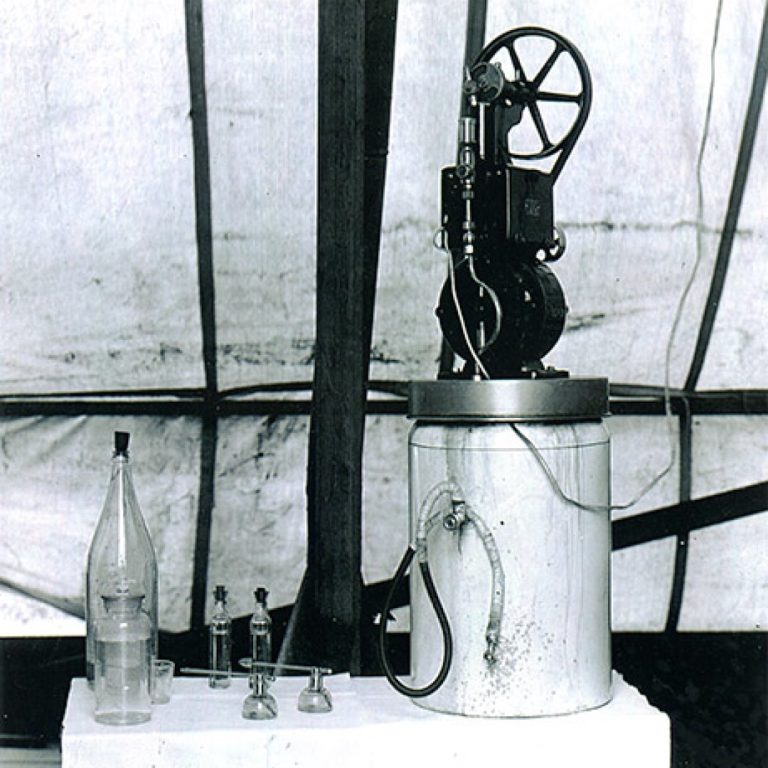
On Oct. 8, 1918, Director of the Contagious Diseases Department, Dr. A. J. Gannon sent inspectors to survey each…
On Oct. 8, 1918, St. Louis’s theaters and other public amusement venues were closed, and public gatherings were…
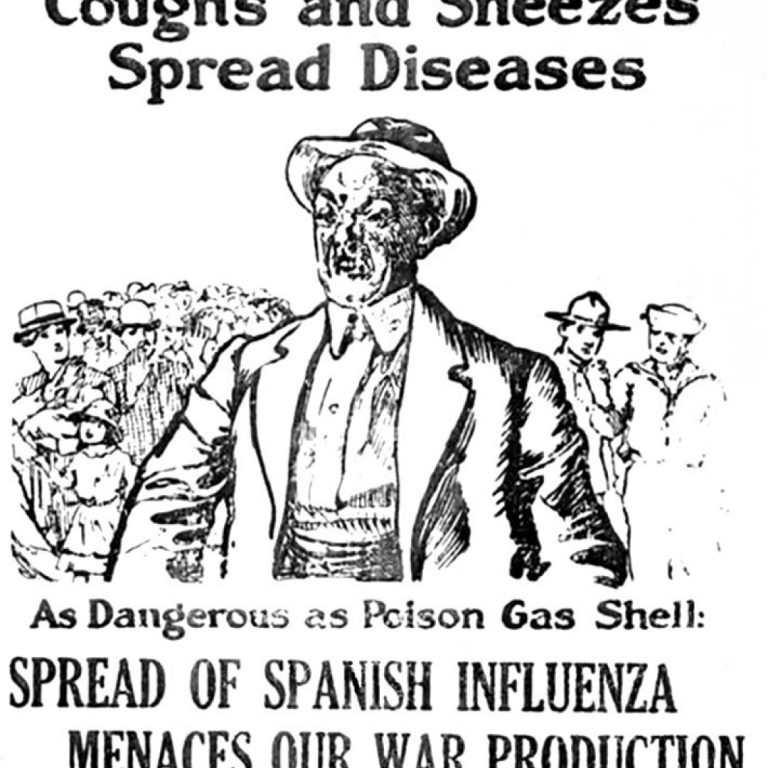
On Oct. 7, 1918, the Birmingham Board of Health recommended that all places of public assembly be closed….
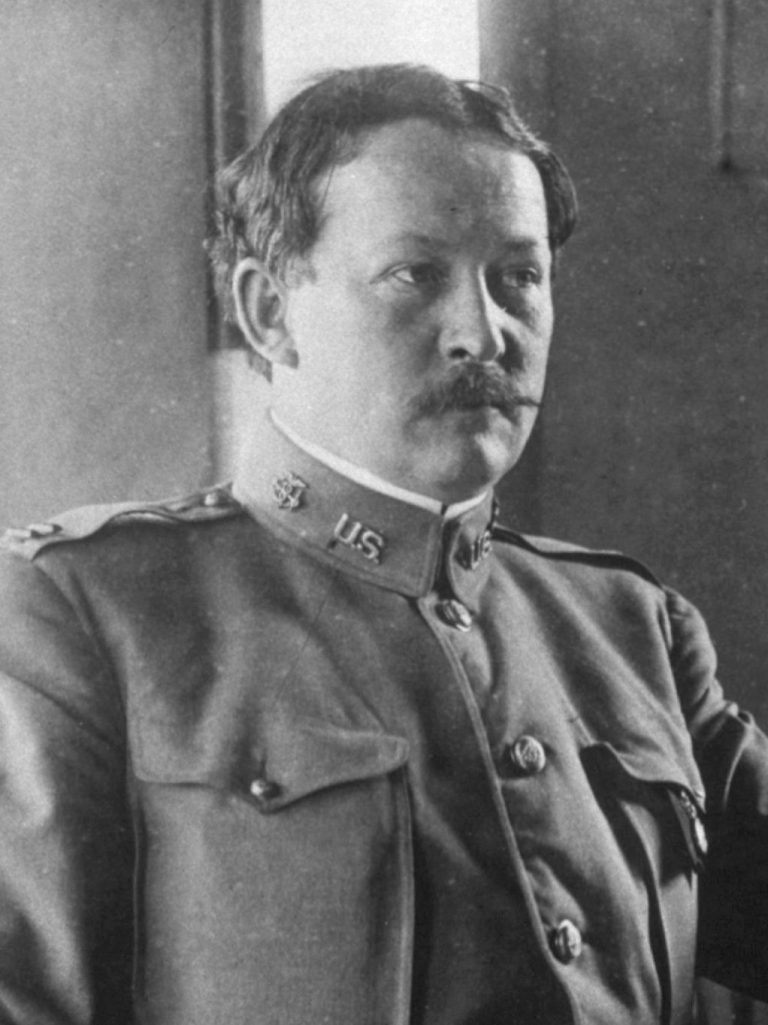
On Oct. 7, 1918, U. S. Surgeon General notified state health officers they should consider enacting social distancing…
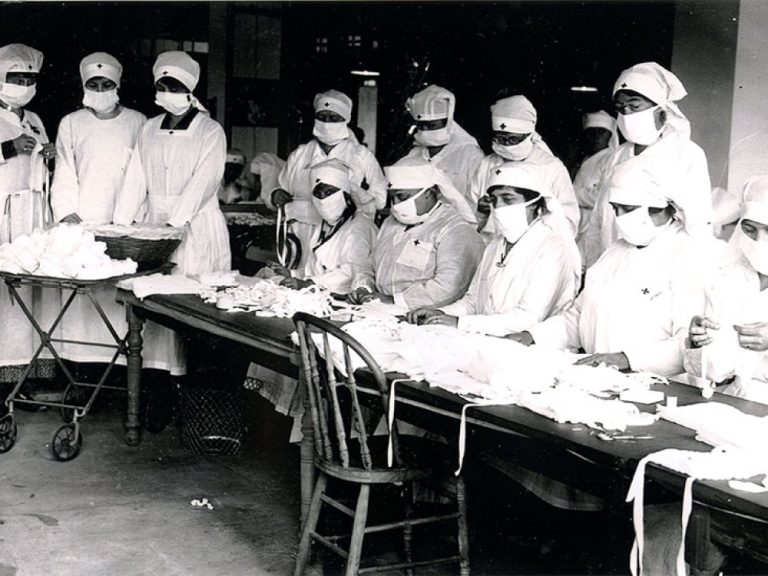
On Oct. 7, 1918, it was clear that Louisville’s nascent influenza epidemic was spreading. USPHS officer Lieutenant R….
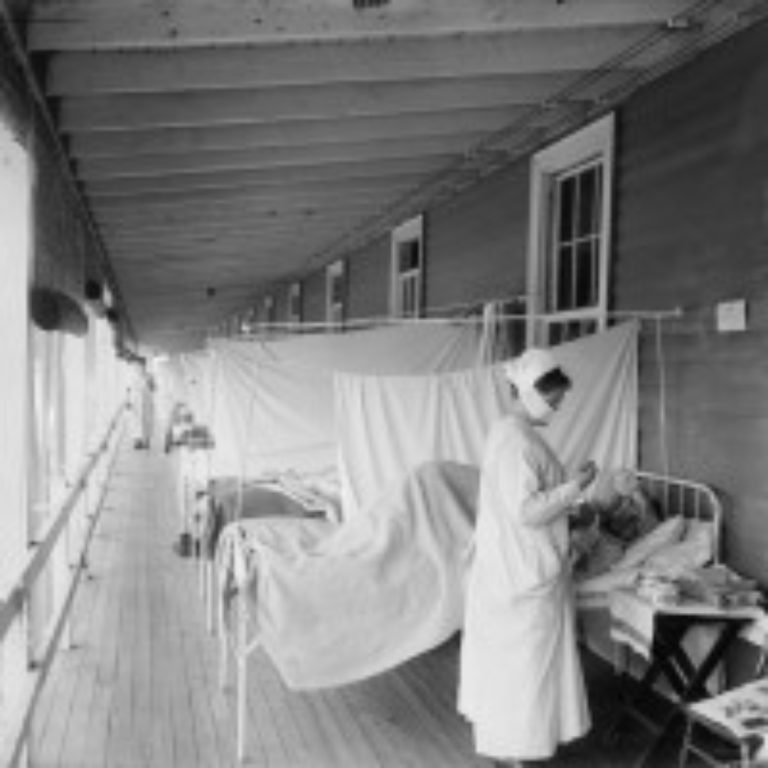
On Oct. 7, 1918, influenza was named a mandatory reportable disease by New Orleans health officials, after reaching…
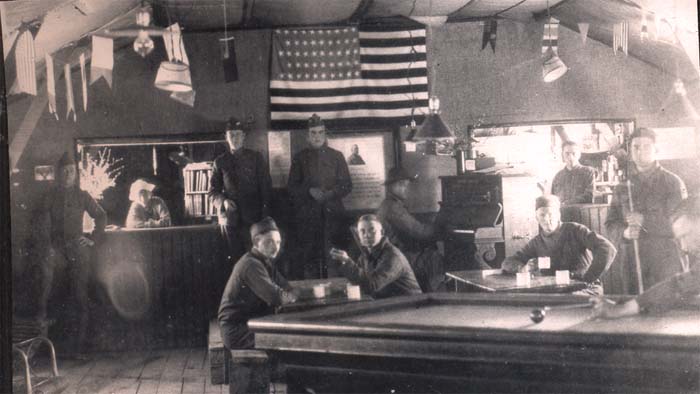
By Oct. 7, 1918, Kansas City Mayor James Cowgill declared a public emergency order, granting the Board of…
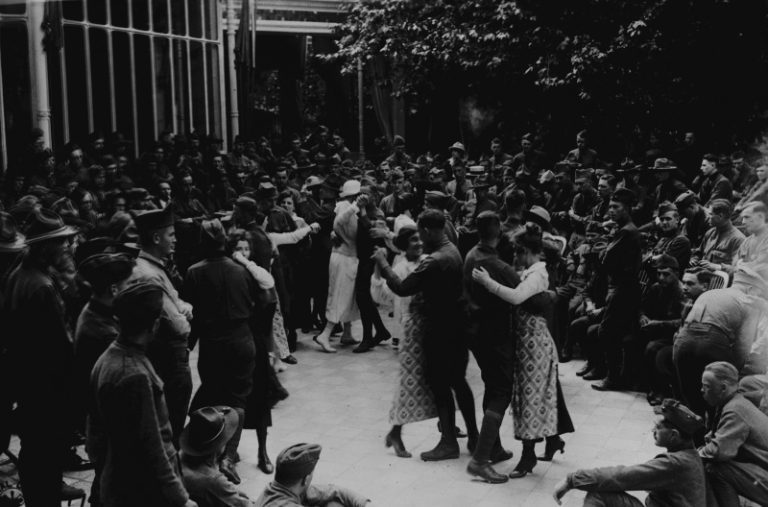
On Oct. 7, 1918, Dr. Max C. Starkloff, Health Commissioner for St. Louis, assembled city officials, the U.S….
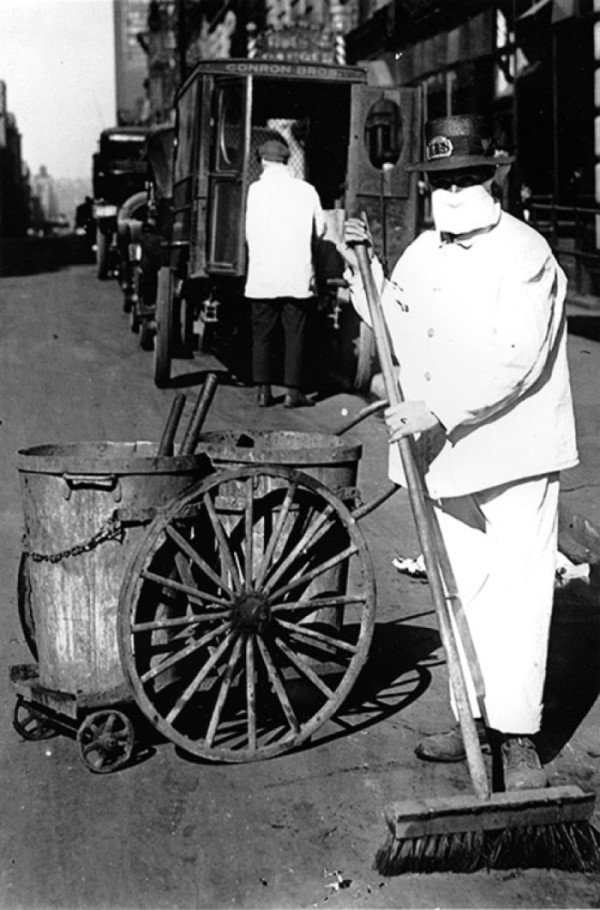
On Oct. 7, 2018, Albany physicians reported approximately 6,000 cases of influenza. The next day, as dozens of…
By Oct. 7, 1918, Cleveland Health Commissioner Rockwood announced the city had about 500 influenza cases. This led…
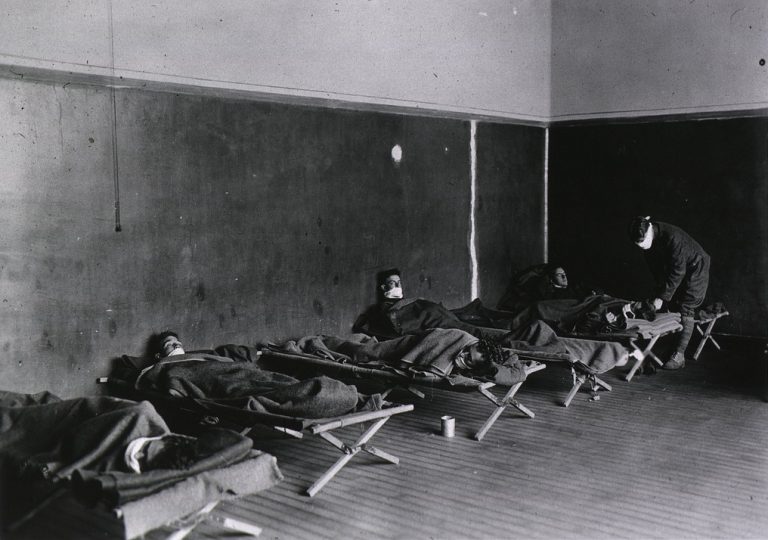
By Oct. 7, 1918, influenza cases in Philadelphia had risen by over 3,000 new cases, overwhelming medical facilities….
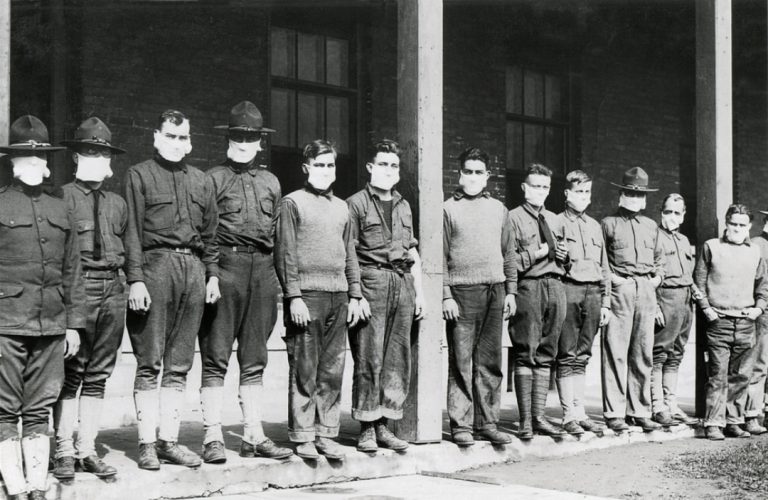
On Oct. 7, 1918, Nashville officials ordered closed theaters, movie houses, and other entertainment areas, while leaving schools…
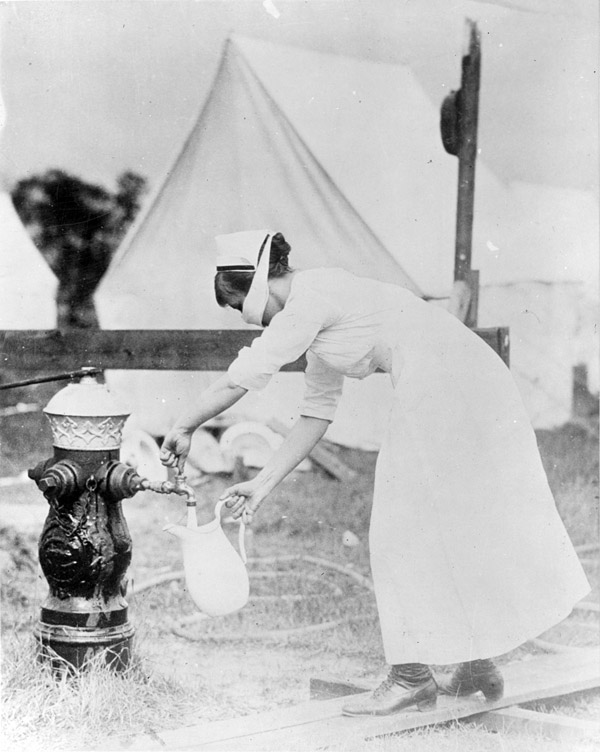
On Oct. 6, 1918, all of Denver’s schools, colleges, and places of public assembly were closed to try…
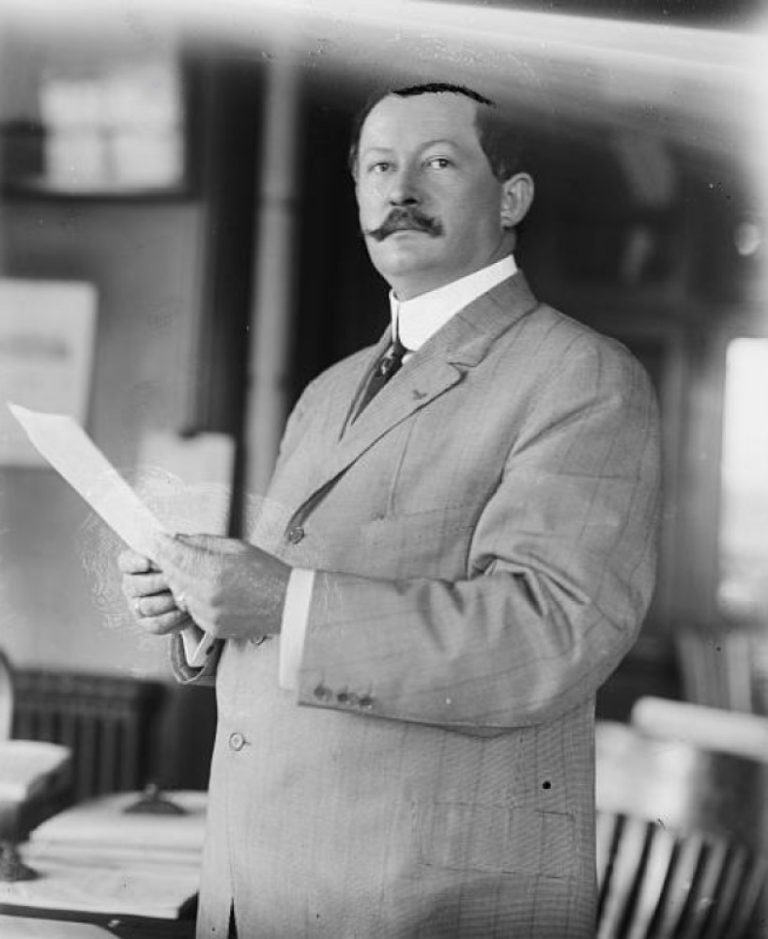
On Oct. 6, 1918, the Atlanta Board of Health made influenza a reportable disease. The next day, United…
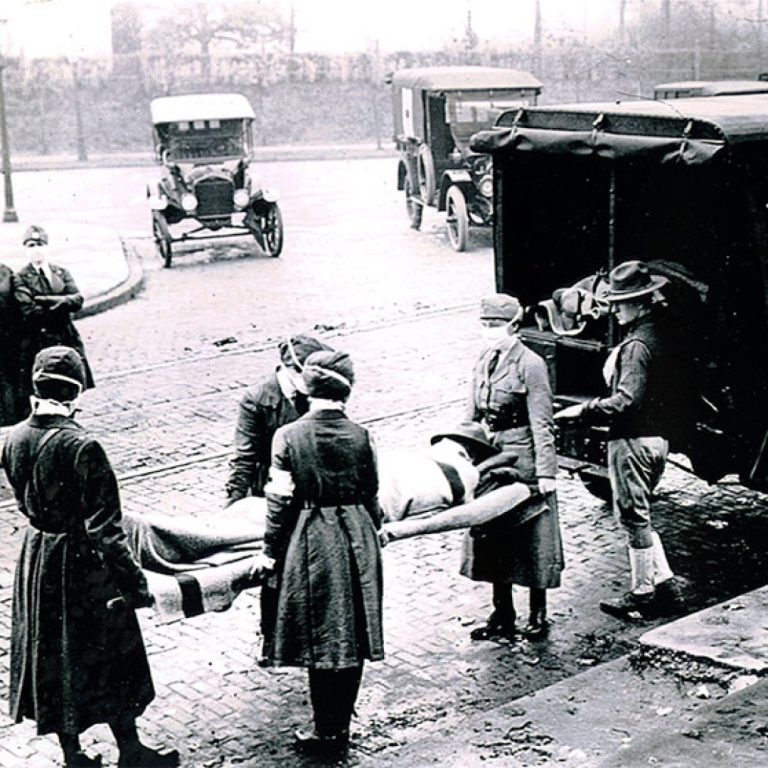
On Oct. 6, 1918, the number of Baltimore residents sick with influenza overwhelmed the city’s hospitals. A temporary…