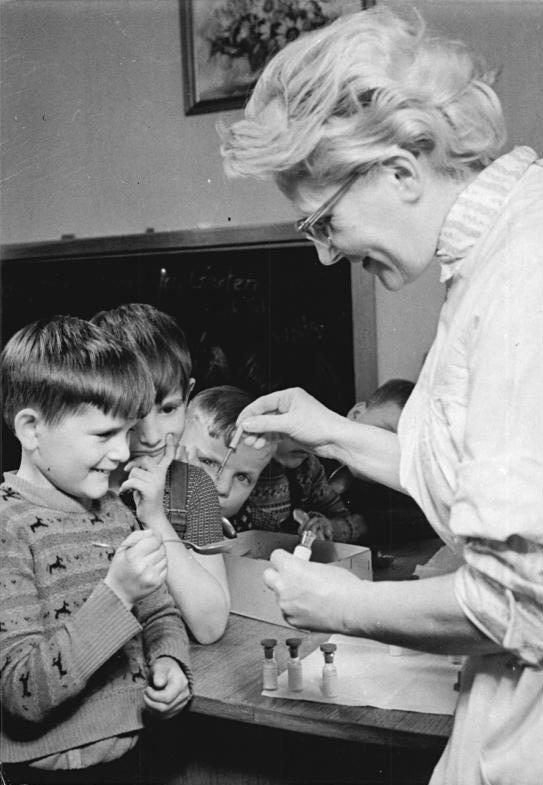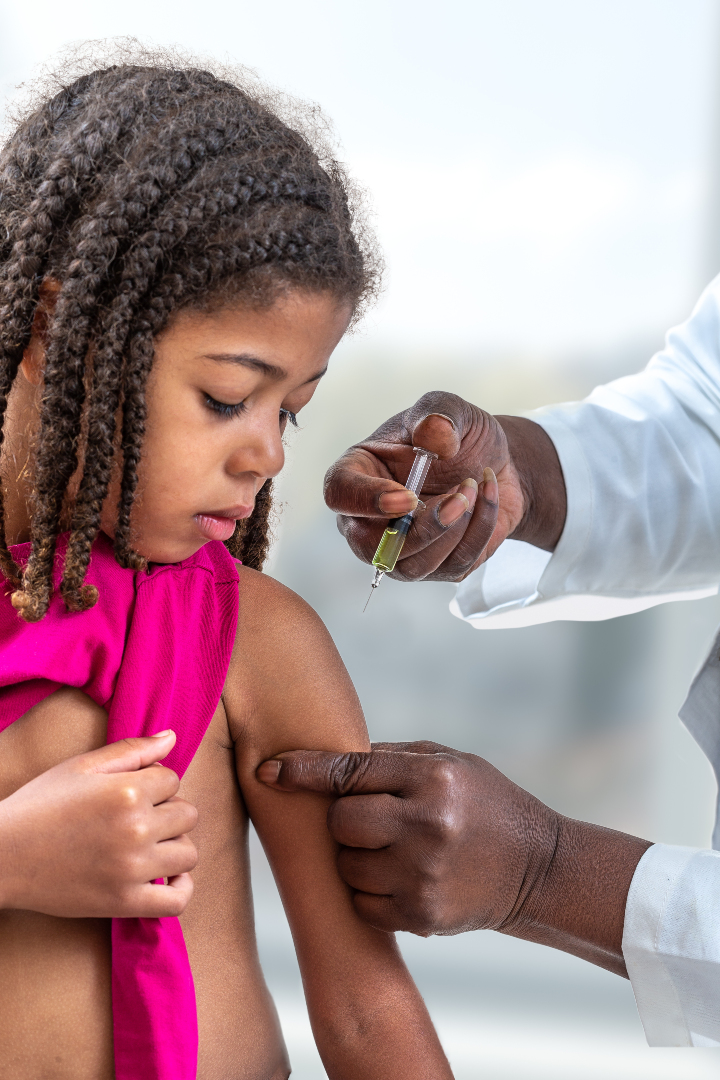
The World Health Assembly created the Expanded Programme on Immunization to bring vaccines to the world’s children
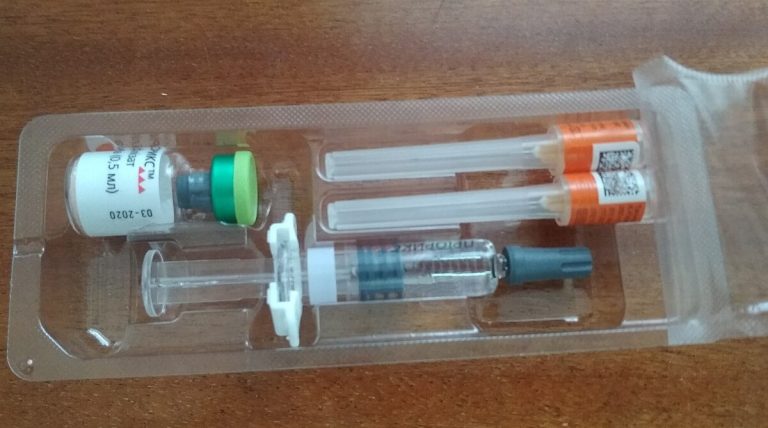
In 1975, The World Health Assembly passed a resolution to create the Expanded Programme on Immunization (EPI) to…
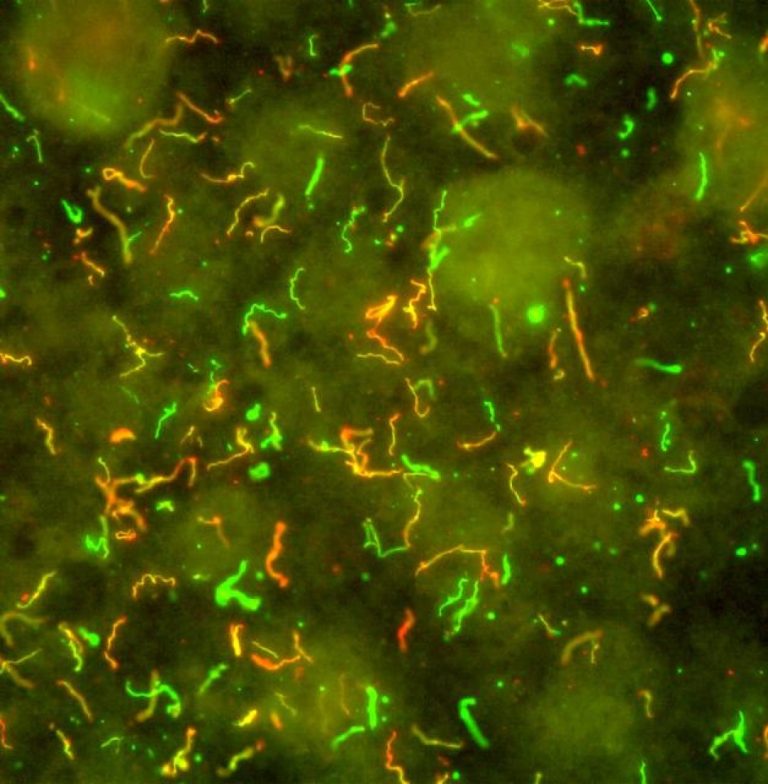

In 1975, Lyme Disease was identified and named at Yale University. The spirochete that causes Lyme disease was…
In 1975, the U.S. Centers for Disease Control and Prevention (CDC) established the vessel sanitation program alongside the…
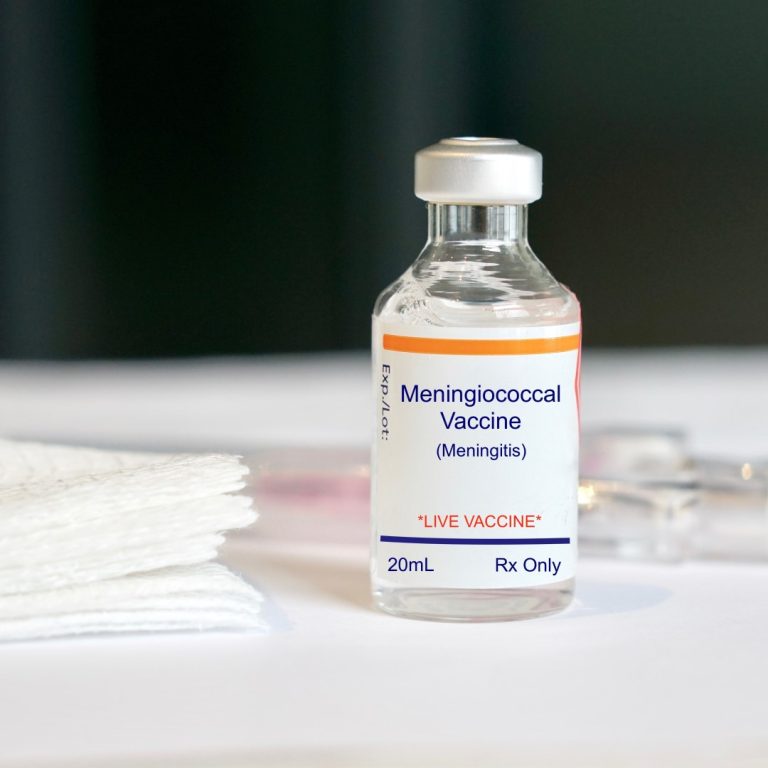
On Apr. 2, 1974, the U.S. Food and Drug Administration (FDA) licensed the first monovalent (group C) meningococcal…
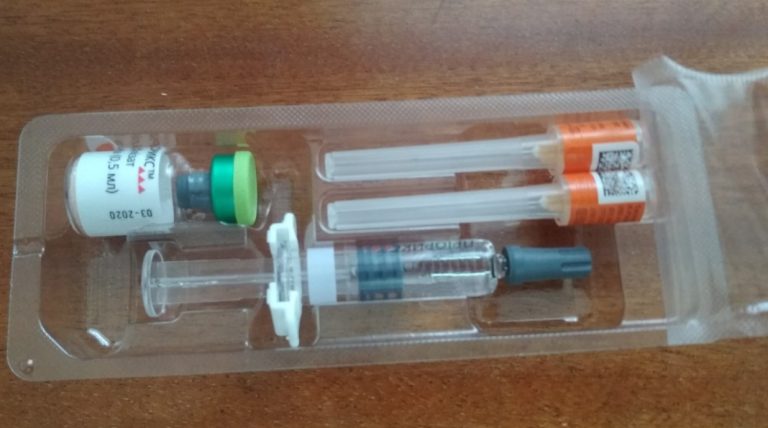
On Apr. 22, 1971, the measles, mumps, and rubella virus (M-M-R II) vaccine Live developed by Maurice Hilleman was…
In 1973, Satoshi Ōmura discovered the extraordinary microorganism that produces the avermectins (from which ivermectin is derived) that…
In 1973, the publication “Biohazards in Biological Research,” was edited by S. Hellman, M. Oxman, and R. Pollack. …
On Apr. 10, 1972, the United States, the Soviet Union and 70 other nations signed an agreement that…
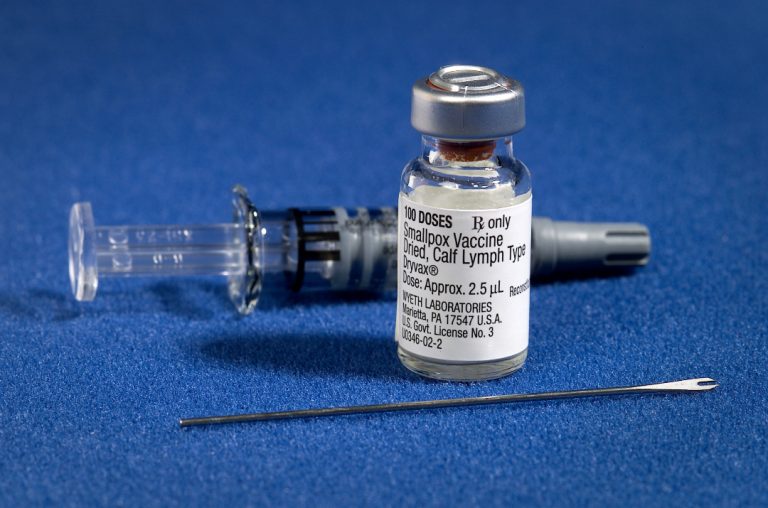
In 1971, the U.S. Centers for Disease Control and Prevention (CDC) recommended discontinuation of routine immunization and vaccination…
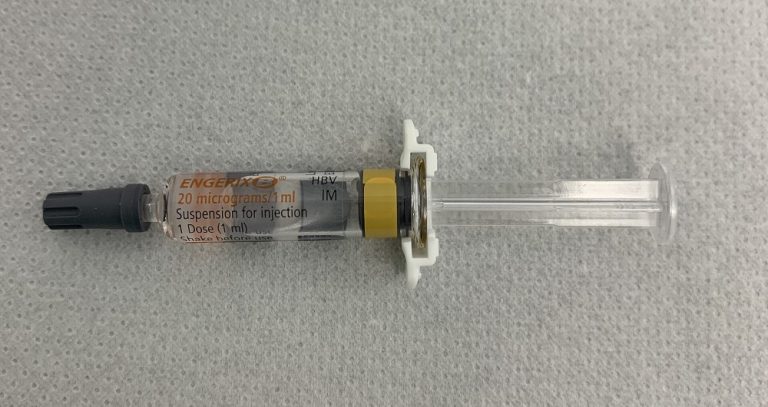
In 1971, the U.S. Centers for Disease Control and Prevention (CDC) discovered that hepatitis B is sexually transmitted….
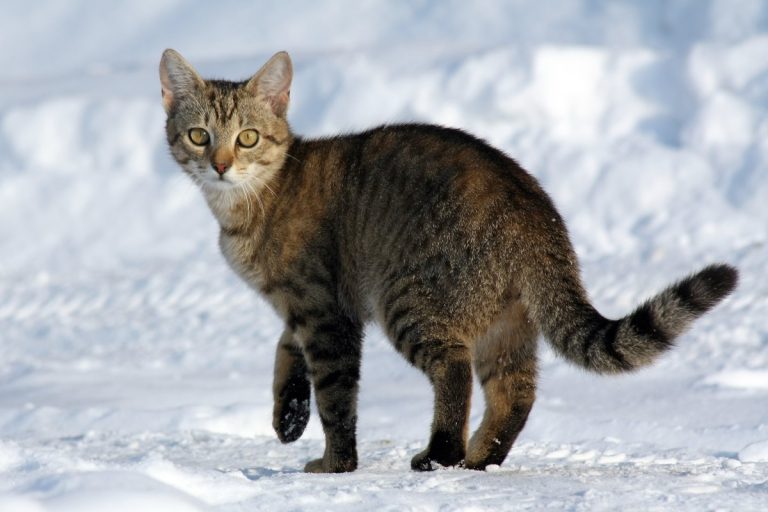
On Feb. 6, 1970, a report identified a coccidian parasite of cats with all non-feline warm blooded animals…
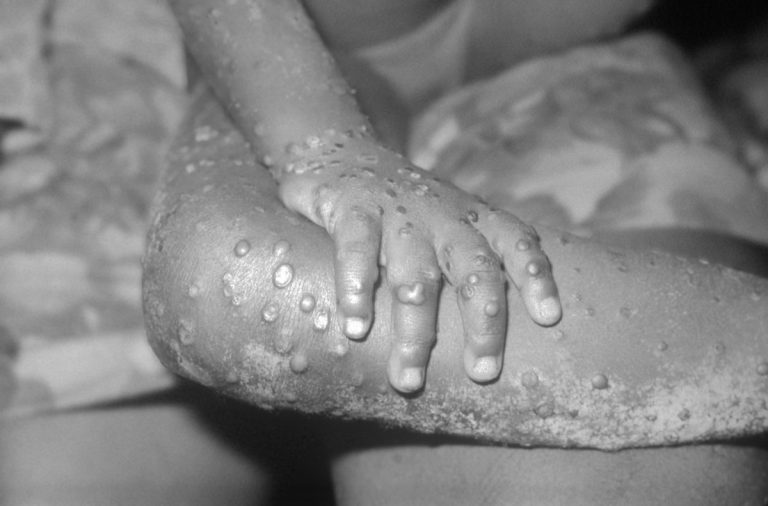
In 1970, the first human case of mpox was reported in the Democratic Republic of the Congo (DRC)…
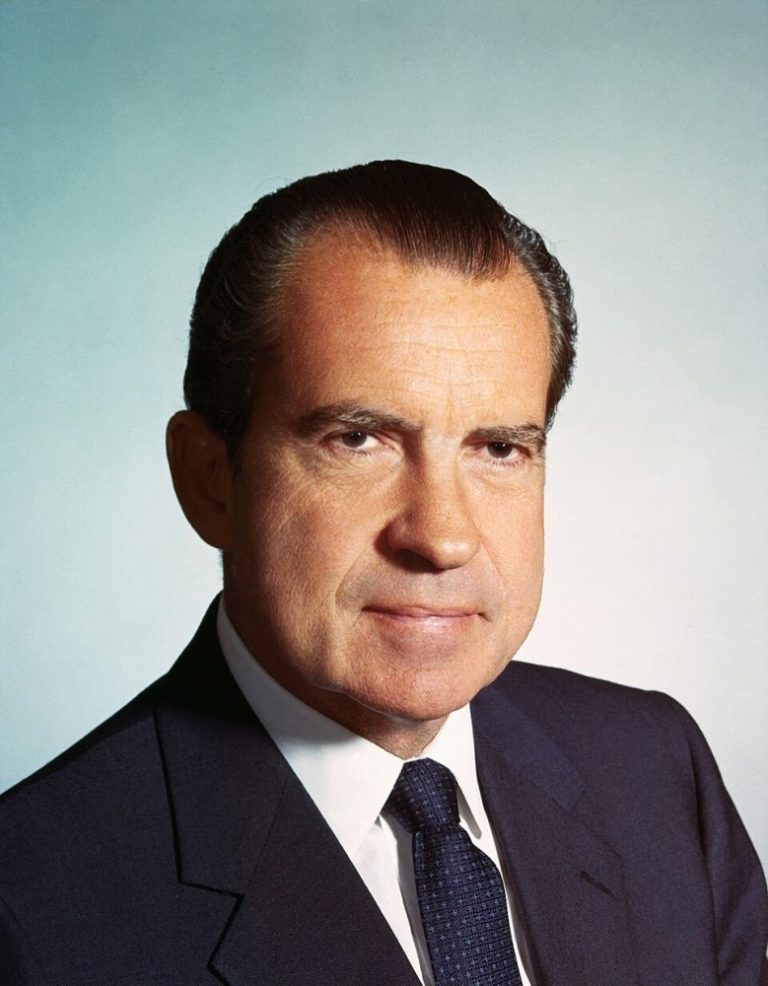
On Nov. 25, 1969, President Richard Nixon issued his “Statement on Chemical and Biological Defense Policies and Programs”…
In 1969, live, attenuated rubella vaccines were first licensed in the U.S., and a vaccination program was established…
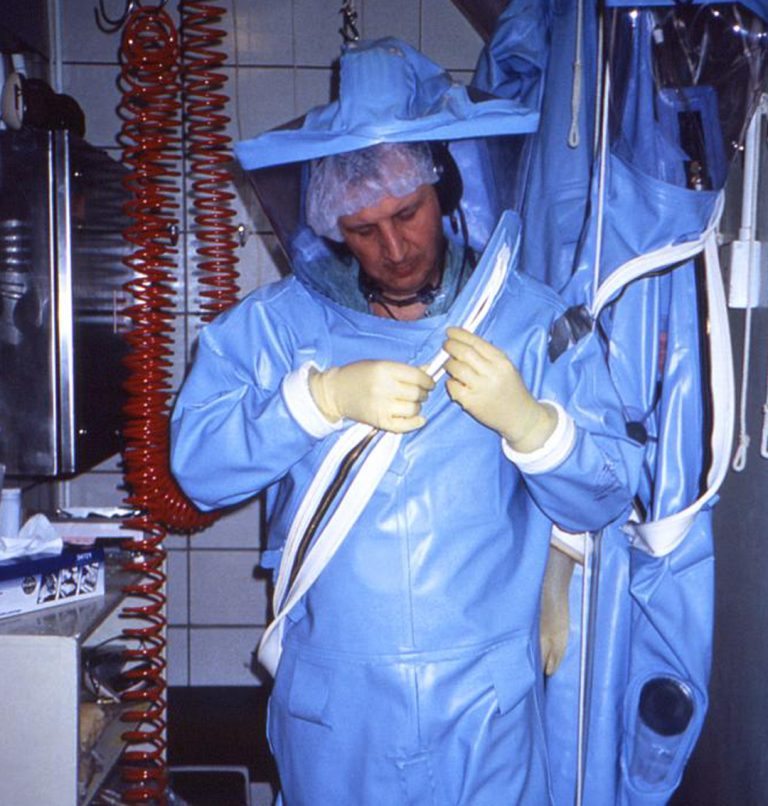
In 1969, the U.S. Centers for Disease Control and Prevention (CDC) opened its first permanent high-containment laboratory (HCL)…
On Nov. 26, 1968, the U.S. Food and Drug Administration (FDA) licensed a second live, further attenuated measles…
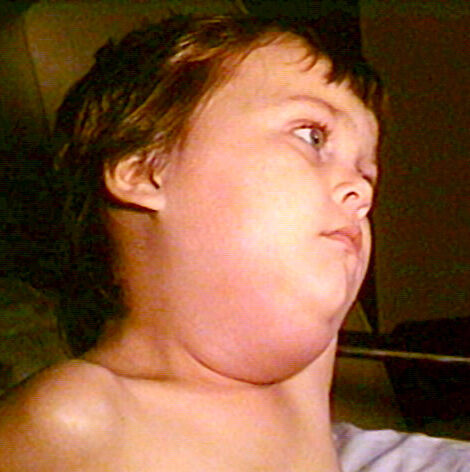
On Dec. 28, 1967, the U.S. Food and Drug Administration (FDA) approved Mercks mumps virus vaccine live (MumpsVax)….
In 1967, Dr. H.G. Pereira and colleagues propose a relationship between human and avian flu viruses after a…
On Jun. 12, 1966, the Serum Institute of India was founded in 1966 by Dr. Cyrus Poonawalla with…
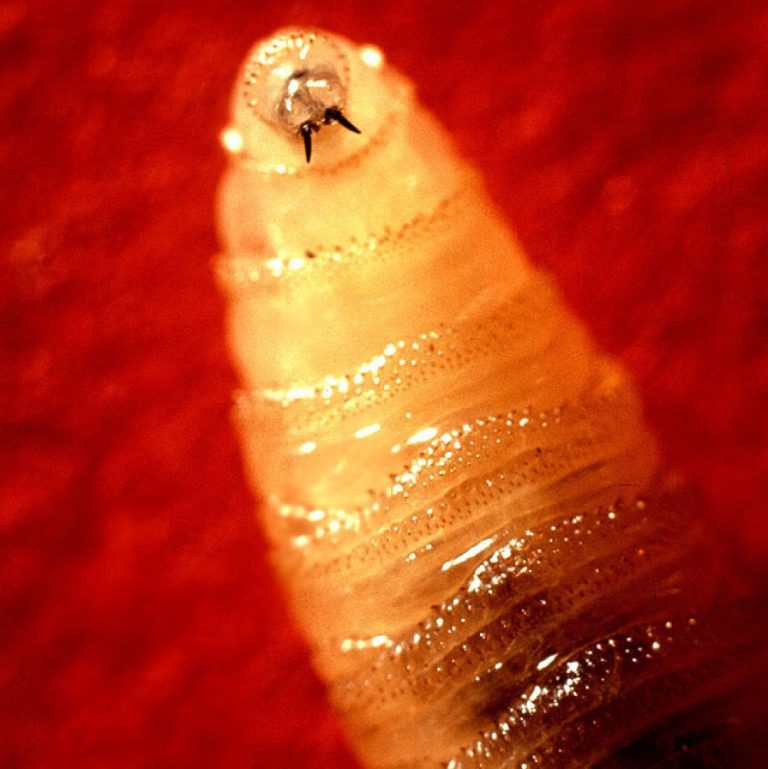
In 1966, U.S. Department of Agriculture’s (USDA) eradicated New World screwworm (NWS) from the United States using sterile…
In 1966, the U.S. Food and Drug Administration (FDA) licensed amantadine (marketed as Symmetrel) to Du Pont, a…
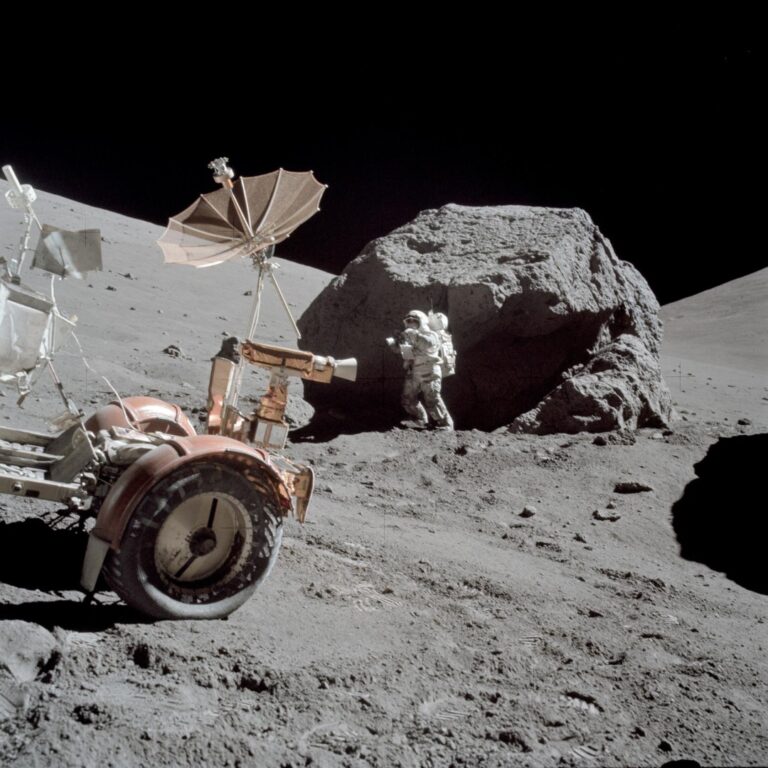
On Feb. 9, 1965, the U.S. Centers for Disease Control and Prevention (CDC) – NASA Technology of Spacecraft…
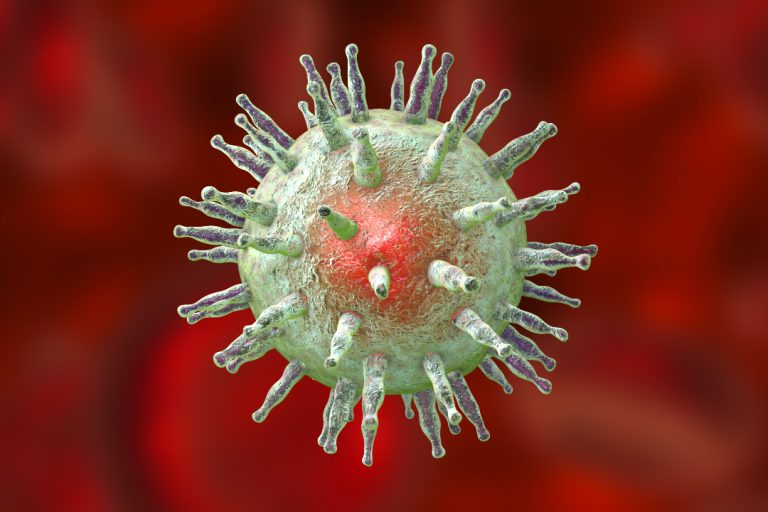
In 1964, a new herpesvirus, Epstein-Barr virus (EBV), was discovered in cultured tumor cells derived from a Burkitt…
On Jun. 25, 1963, the Trivalent oral polio vaccine was licensed. The vaccine development began in 1957 by…
In 1963, the U.S. Congress established the Immunization Grant Program; polio incidence plummeted to only 396 reported cases…
In 1963, the U.S. Centers for Disease Control and Prevention (CDC), U.S. Food and Drug Administration (FDA), and the…
On Mar. 27, 1962, the Sabin oral polio vaccine (OPV) type 3 MOPV was licensed in the U.S.,…
In 1962, oral polio vaccine types 1 and 2, developed by Dr. Albert Sabin and grown in monkey…
In 1962, the U.S. Centers for Disease Control and Prevention (CDC) launched the 122 Cities Mortality Reporting System….
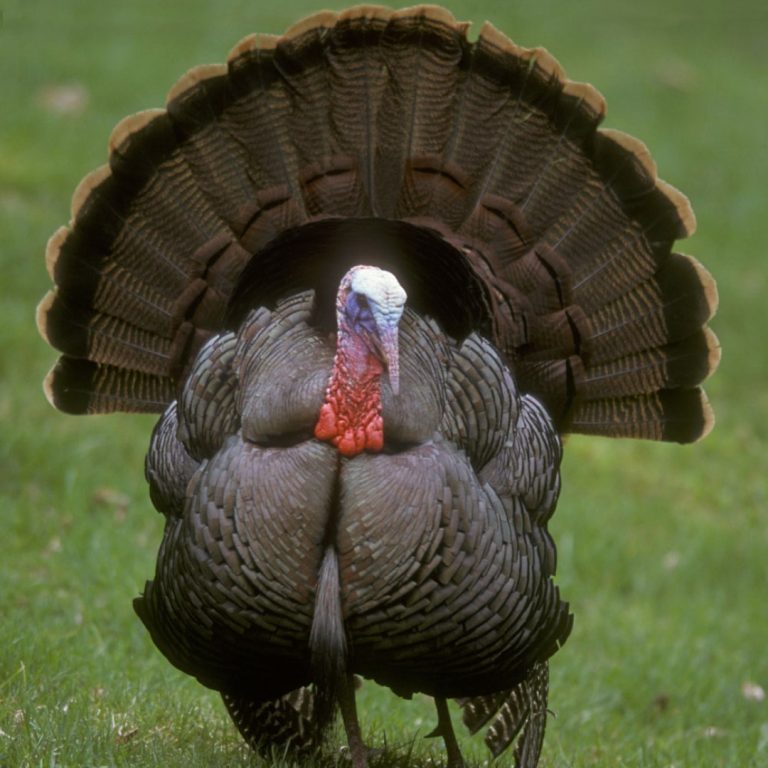
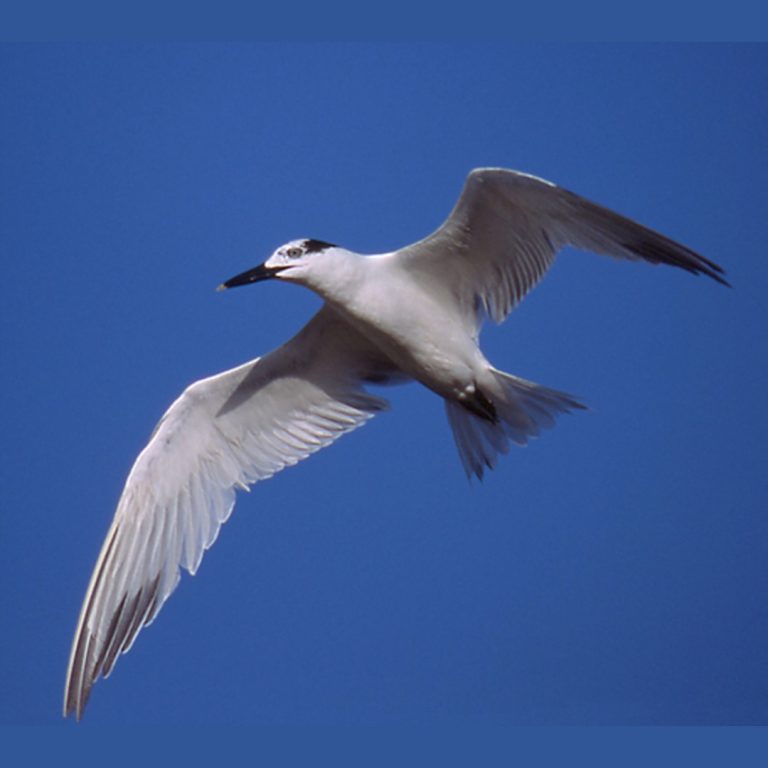
In 1961, influenza virus was first isolated from wild birds in South Africa, from common terns (Sterna hirundo)….