NIH announced two integral components of the Cancer Genome Atlas Pilot Project
On Oct. 16, 2006, the Cancer Genome Atlas program, created by National Cancer Institute and the National Human…


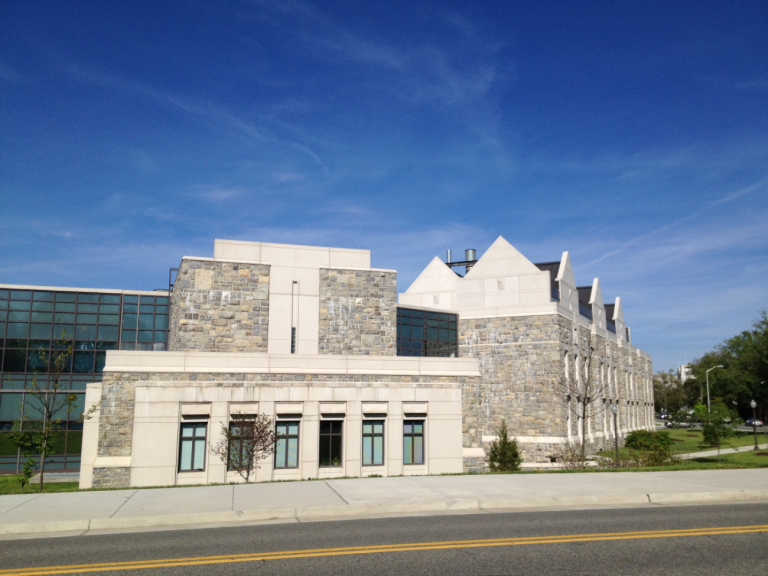
On Sept. 28, 2006, the Virginia Bioinformatics Institute (VBI) opened its new office complex in the National Capital…
On Aug. 23, 2006, the Sandia Center for Integrated Nanotechnologies facility (CINT) was dedicated. Designed as a national…
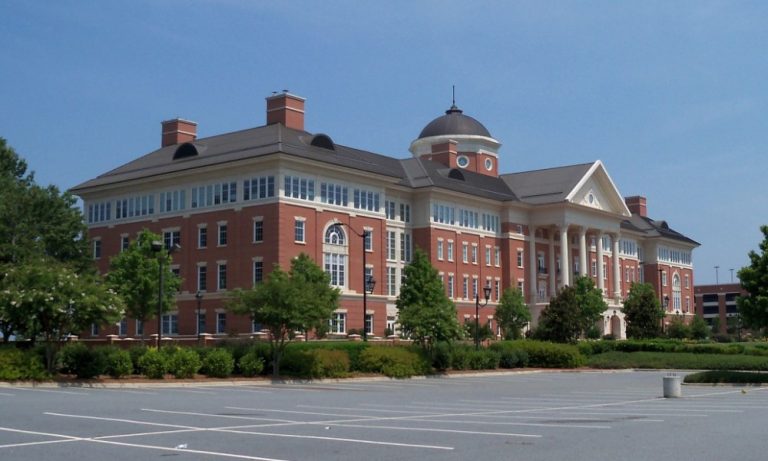
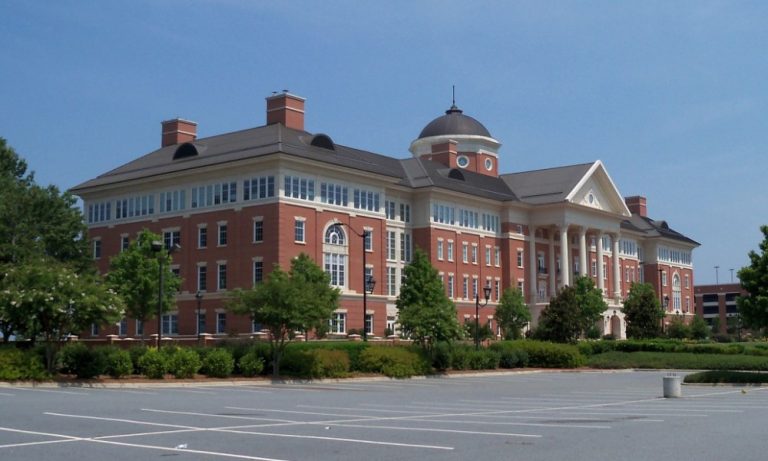
On Feb. 23, 2006, groundbreaking was held for the first building of the North Carolina Research Campus (NCRC),…
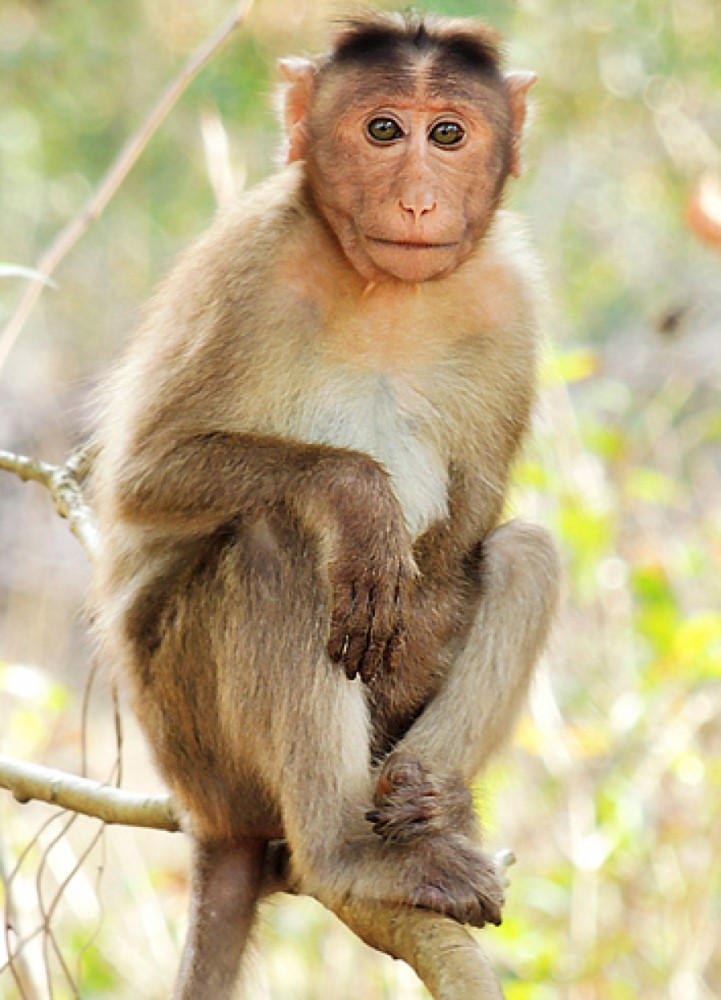
In 2006, Texas Biomed researchers published a genetic linkage map for the rhesus monkey. In 1999, Texas Biomed…
On Dec. 13, 2005, the National Cancer Institute (NCI) and the National Human Genome Research Institute launched a…
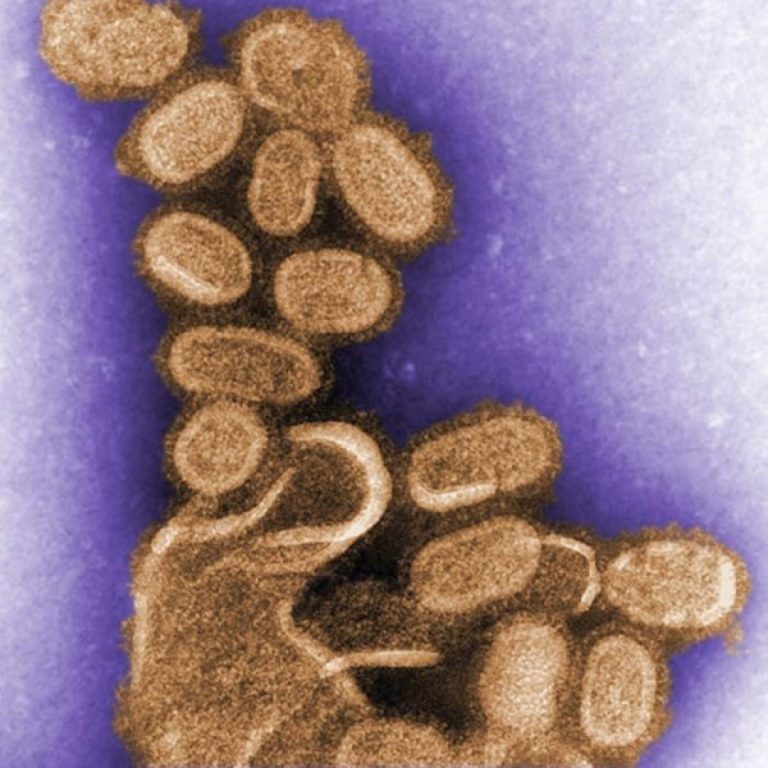
On Oct. 7, 2005, Jeffery Taubenberger, AH Reid, AE Krafft, Karen Bijwaard and Thomas Fanning published a report…
On Sept. 12, 2005, David H. Murdock announced a $1.5 billion scientific and economic revitalization project called the…
On Apr. 12, 2005, the National Cancer Institute (NCI) announced the creation of the cancer Biomedical Informatics Grid…
In 2005, Genome Alberta, was established in partnership with Genome Canada Industry Canada and the Province of Alberta,…
In Dec. 2004, David H. Murdock purchased the former Cannon Mills site at auction, future home of the…
On Sept. 29, 2004, a team from scientists from the Pacific Northwest National Laboratory and Oregon Health &…
On Aug. 19, 2004, the HudsonAlpha Institute for Biotechnology was formally created in Huntsville, Alabama, by Jim Hudson…
On April 25 known as DNA Day, is a day that commemorates the successful completion of the Human…
On Apr. 24, 2004, the Virginia Bioinformatics Institute (VBI), opened its new 59,000-square-foot Bioinformatics Facility I, Virginia Bioinformatics…
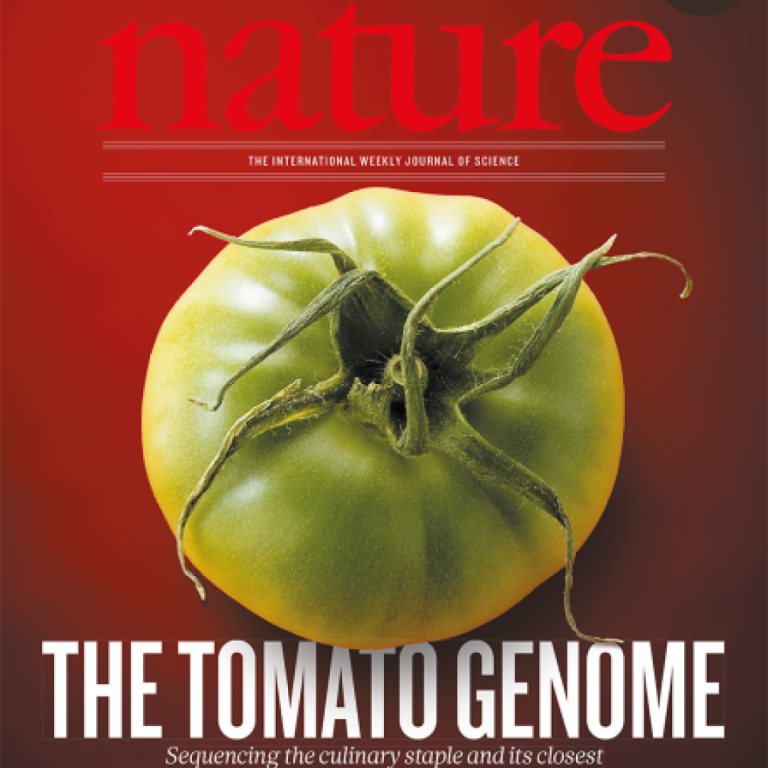
On Jan. 28, 2004, the International Tomato Genome Sequencing Project was begun by an international consortium including participants…
On Jul. 8, 2003, the U.S. Centers for Disease Control and Prevention (CDC) announced a total of 71…
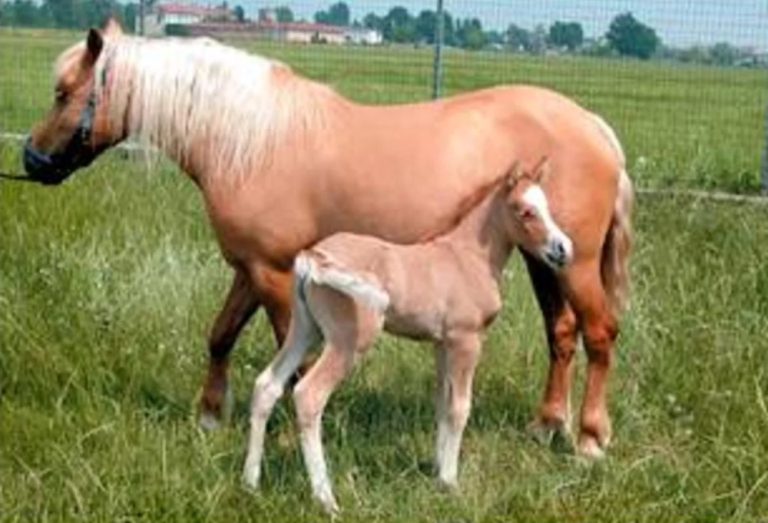
On May 28, 2003, the world’s first cloned horse named Prometea was born at the Laboratory of Reproductive…
On Apr. 14, 2003, The International Human Genome Sequencing Consortium, led in the U.S. the National Human Genome…
On Apr. 14, 2003, researchers at Canada’s Michael Smith Genome Science Centre in Vancouver announced they had sequenced…
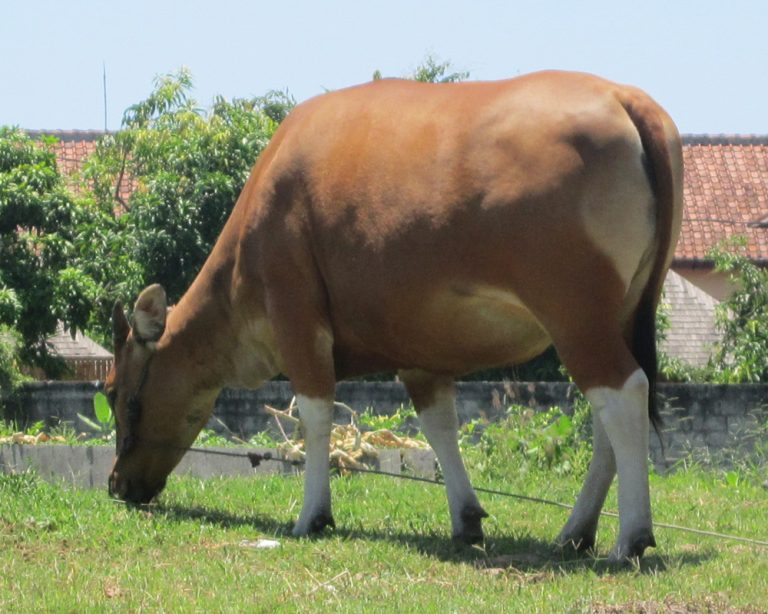
On Apr. 1, 2003, the birth of a cloned banteng from a surrogate mother cow was announced by…
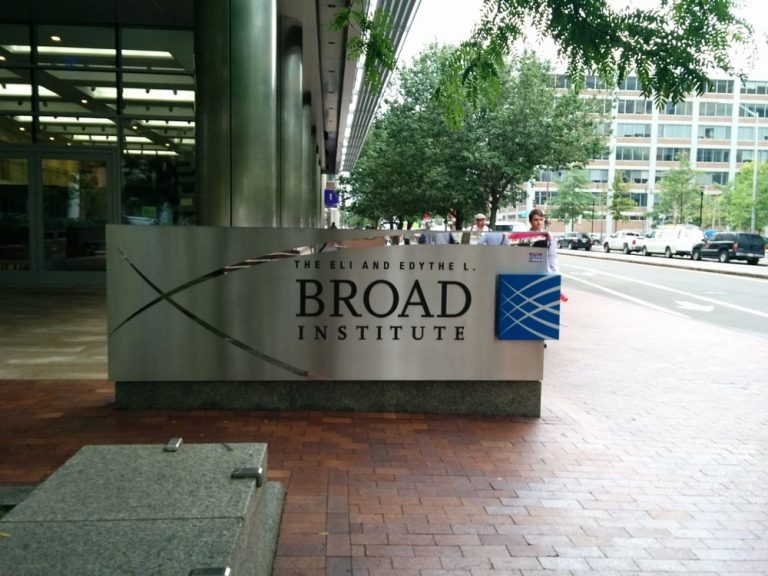
In 2003, The Broad Institute was announced with a $100 million gift from Eli and Edythe Broad. Discussions…
On Dec. 5, 2002, the international Mouse Genome Sequencing Consortium announced the publication of a high-quality draft sequence…
On Oct. 29, 2002, an international research consortium launched a $100 million public-private effort to create the next…
On Jun. 8, 2002, the Salt River Pima-Maricopa Indian Community pledged $5 million to the Translational Genomics Research…
In Jun. 2002, the Translational Genomics Research Institute (TGen), a non-profit 501(c)(3) organization focused on developing earlier diagnostics…
On May 14, 2002, the International Genomics Consortium (IGC) selected Phoenix for its headquarters. The mission of the…
In May 2002, Governor Hull signed SB 1270 for $5 million over 10 years for genomic research. Later…
On Feb. 7, 2002, an assembly of more than fifty leaders and visionaries in science, medicine, government and…
In 2002, Stanford geneticist Mark Kay uses a gene-therapy technique known as RNA inhibition to switch off genes…