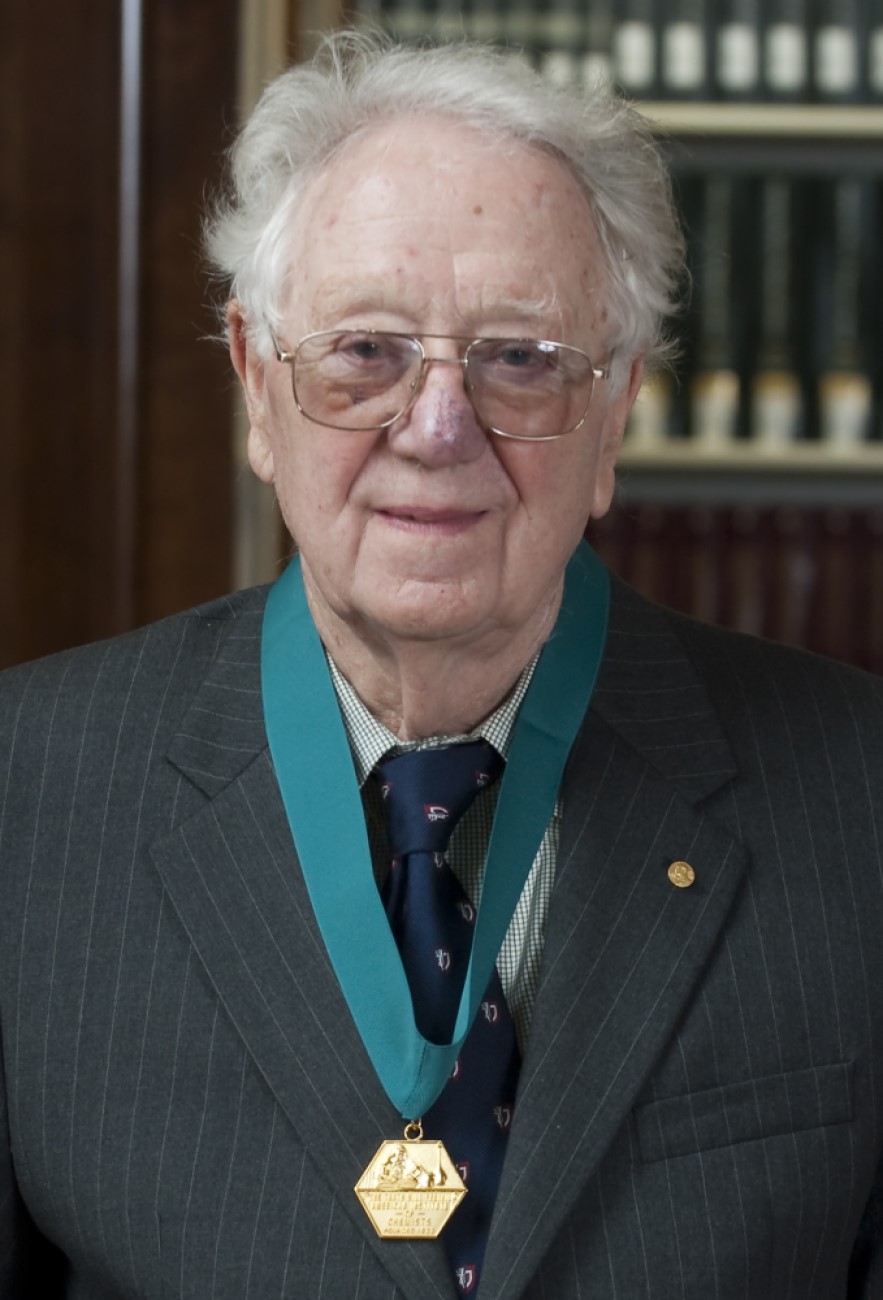
Oliver Smithies was awarded the 2007 Nobel Prize in Physiology or Medicine
On Oct. 8, 2007, the Nobel Prize in Physiology or Medicine was awarded jointly to Oliver Smithies from University of North Carolina, Chapel Hill, and Mario R. Capecchi “for their discoveries of principles for introducing specific gene modifications in mice by the use of embryonic stem cells.”
Drs. Capecchi and Smithies both had the vision that homologous recombination could be used to specifically modify genes in mammalian cells and they worked consistently towards this goal.
Capecchi demonstrated that homologous recombination could take place between introduced DNA and the chromosomes in mammalian cells. He showed that defective genes could be repaired by homologous recombination with the incoming DNA. Smithies initially tried to repair mutated genes in human cells. He thought that certain inherited blood diseases could be treated by correcting the disease-causing mutations in bone marrow stem cells. In these attempts Smithies discovered that endogenous genes could be targeted irrespective of their activity. This suggested that all genes may be accessible to modification by homologous recombination.
Smithies also used gene targeting to develop mouse models for inherited diseases such as cystic fibrosis and the blood disease thalassemia. He has also developed numerous mouse models for common human diseases such as hypertension and atherosclerosis.
In summary, gene targeting in mice has pervaded all fields of biomedicine. Its impact on the understanding of gene function and its benefits to mankind will continue to increase over many years to come.
Tags:
Source: The Nobel Foundation
Credit: