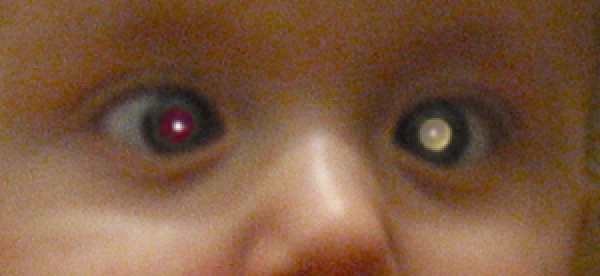
Brenda Gallie identified the cause of drug-resistant childhood cancer of the retina
In 1996, Dr. Brenda Gallie identified the cause of drug-resistant childhood cancer of the retina, leading to an…
In 1996, The Sioux Valley Health System, now known as Sanford Health, was founded. In 2007, the Sioux…
In June 1996, the Food and Drug Administration (FDA) first approved irinotecan for the treatment of patients with…
In 1996, the Burnham Institute was named to honor the generosity of Roberta and Malin Burnham and their…
In 1996, Stanford Medicine developmental biologist Matthew Scott and a team at University of California, San Francisco discovered…
On Dec. 11, 1996, scientists from Stanford University and Affymetrix announced a new high-tech method that used a…
In 1996, the Skaggs Institute for Chemical Biology was established at The Scripps Research Institute, thanks to a…
In 1996, the U.S. Centers for Disease Control and Prevention (CDC) established the National Occupational Research Agenda (NORA). NORA…
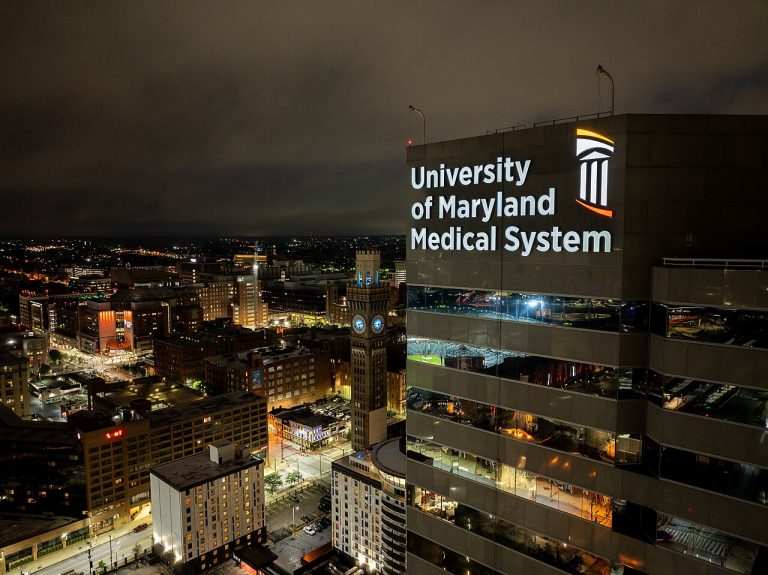
In 1996, the University of Maryland cancer programs moved to a private facility and renamed the University of…
In 1996, the Sidney Kimmel Cancer Center (SKCC) at Johns Hopkins University received National Cancer Institutes (NCI). The…
On Oct. 3, 1996, a new mouse model that will further understanding of Alzheimer’s disease and ultimately allow…
On Dec. 29, 1995, the Genentech drug Nutropin AQ ((somatropin) injection for subcutaneous use) was approved by the…
Dec. 27, 1995, the U.S. Food and Drug Administration (FDA) approved anastrozole (Arimidex) as a treatment for breast…
On Dec. 9, 1995, the U.S. Food and Drug Administration (FDA) approved tretinoin, a differentiating agent related to…
On Aug. 1, 1985, Richard D. Klausner became the eleventh director of the National Cancer Institute, serving until…
On Jul. 30, 1995, Peter Karmanos generously gave a large donation to the cancer research, patient care and…
On Feb. 22, 1995, the first inactivated hepatitis A vaccine, distributed by SmithKline Beecham Pharmaceuticals (Philadelphia, Pennsylvania), was…
In 1995, President Bill Clinton proclaimed the first full week of April as National Public Health Week (NPHW)….
In 1995, Information in National Cancer Institute’s (NCI) Physician Data Query (PDQ) database became available on the World…
In 1995, Gene therapy, immune-system modulation and recombinantly produced antibodies enter the clinic in the war against cancer….
In 1995, scientists cloned the tumor suppressor genes BRCA1 and BRCA2, inherited genetic mutations that can predict an…
In 1995, the first department of bioengineering in the U.S. was established at the University of California, San…
In 1995, the National Sarcoidosis Society was founded because of a lack of educational awareness information on this…
In 1995, Brigham and Women’s surgeons performed the first triple-organ transplant in the U.S., removing three organs from…
In 1995, The Feinstein Institute for Medical Research was founded. The Institute was the research branch of the…
On Oct. 7, 1994, a strong candidate for the 17q-linked BRCA1 gene, which influences susceptibility to breast and…
In 1994, the National Laboratory for the Study of Rural Telemedicine was established at the University of Iowa…
In 1994, the Stowers Institute for Medical Research was founded by Jim and Virginia Stowers with a $500…
In 1994, National Center for Genome Resources (NCGR) founded with support from Senator Pete Domenici as an independent…
In 1994, Albert Einstein College of Medicine becomes the only New York City medical school selected by the…