Alvin and Ruth Siteman donated $35 to establish the Siteman Cancer Center
On Dec. 2, 1999, Alvin and Ruth Siteman donated $35 million to establish the Alvin J. Siteman Cancer…
On Dec. 2, 1999, Alvin and Ruth Siteman donated $35 million to establish the Alvin J. Siteman Cancer…

On Aug. 11, 1999, researchers led by Stanford’s Emmanuel Mignot, MD, PhD, associate professor of psychiatry, used a…
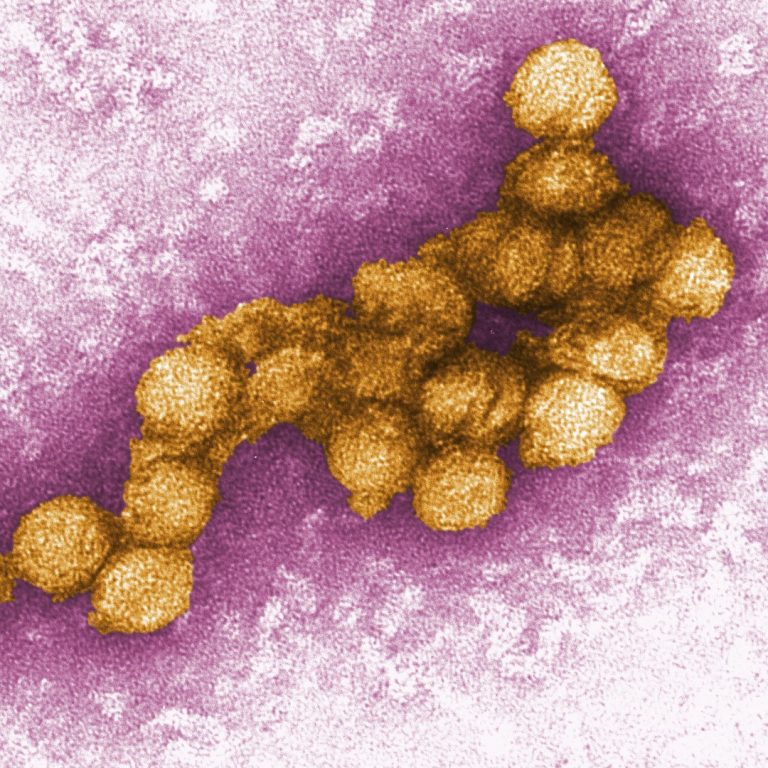
In August 1999, an outbreak of encephalitis caused by West Nile virus (WNV) was detected in New York…

On May 25, 1999. the Study of Tamoxifen and Raloxifene, or STAR, one of the largest breast cancer…

On Mar. 27, 1999, Novo Nordisk, the ZymoGenetics parent company, announced approval of NovoSeven by the Food and…
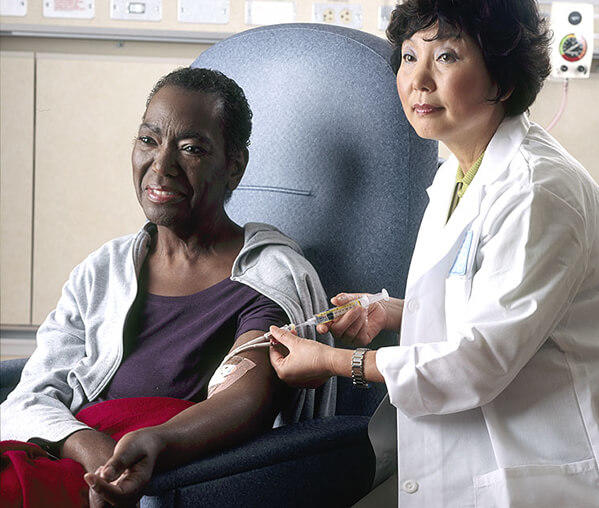
In 1999, American Association for Cancer Research (AACR) Scientist-Survivor Program which united researchers with patients and survivor advocates…
In 1999, the Fred Hutchinson Business Alliance announced that the 1999 E. Donnall Thomas Medal of Achievement would…
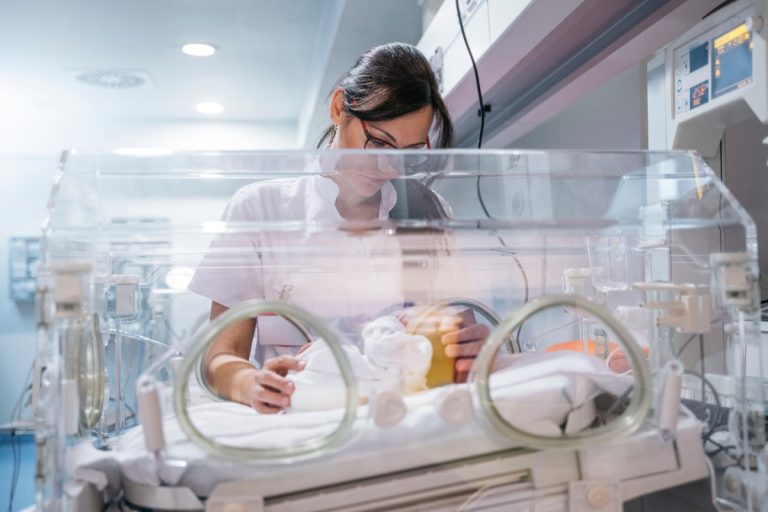
In January 1999, the National Birth Defects Prevention Network (NBDPN) established a SurveillanceGuidelines and Standards Committee (SGSC) in…
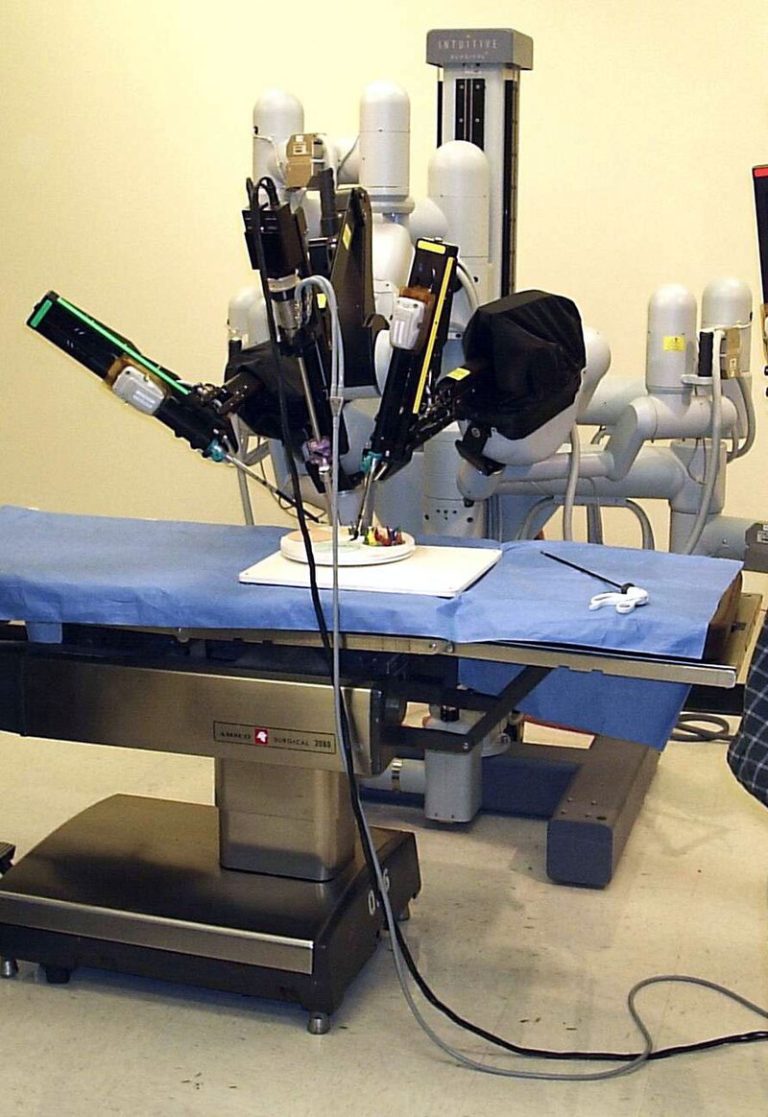
In 1999, Dr. Douglas Boyd from University of California, Davis performed the world’s first closed-chest robotic-assisted, beating-heart, coronary…
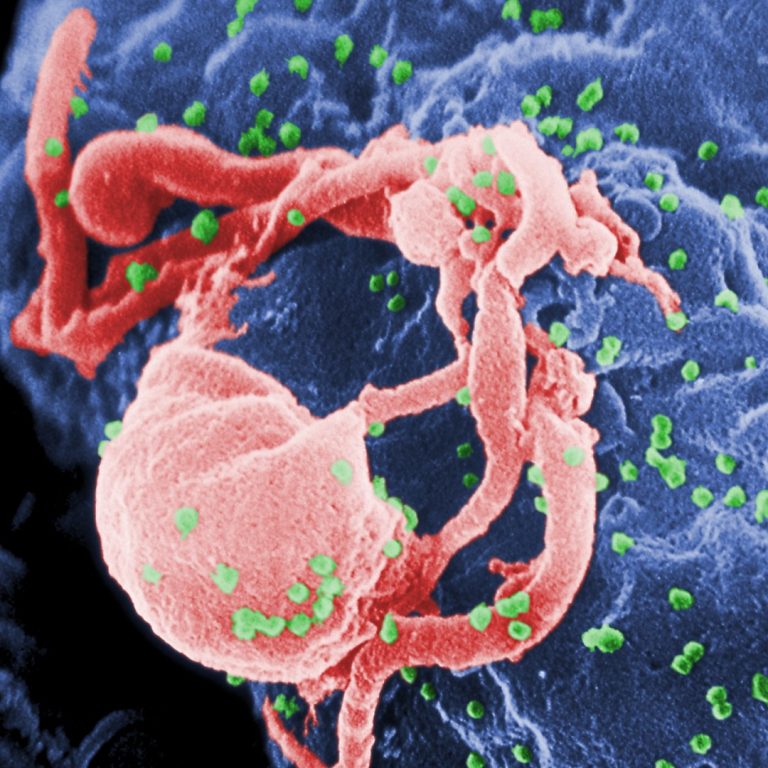
On Jan. 1, 1999, HIV infection in adults (clients 13 years of age or older) became reportable by…

On Dec. 22, 1998, Washington University – St. Louis researcher Jeffrey I. Gordon, MD and colleagues developed a…
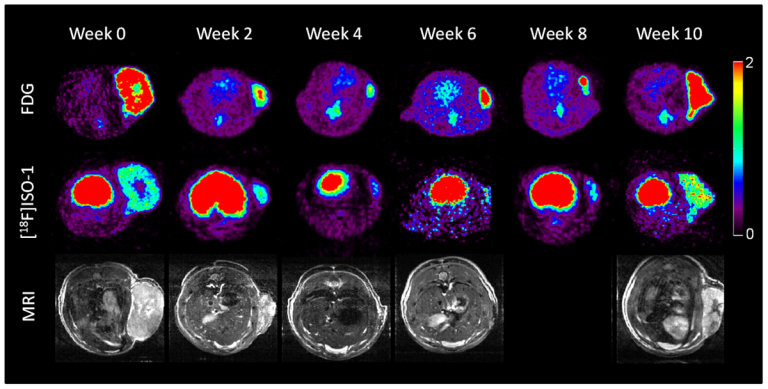
Dec. 22, 1998, researchers from Barnes-Jewish Hospital in St. Louis announced using a revolutionary system that uses superconducting…

On Dec. 2, 1998, the Pediatric Rule was implemented that required drug manufacturers to study the efficacy and…
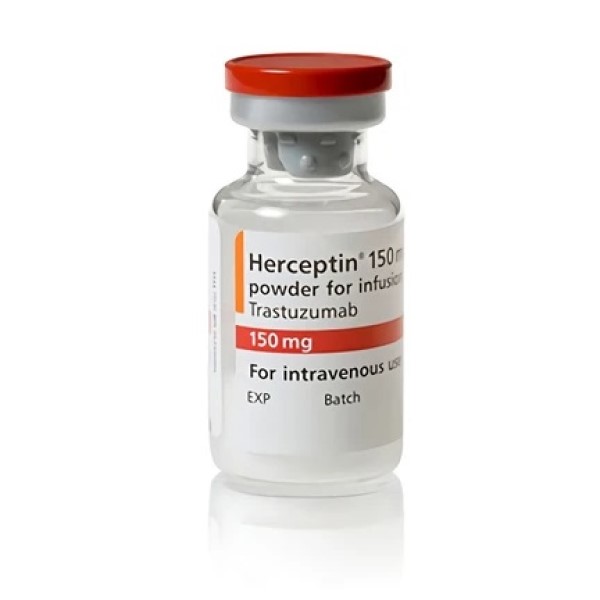
On Sept. 25, 1998, the U.S. Food and Drug Administration (FDA) approved the monoclonal antibody Herceptin (Trastuzumab) for…
On Jun. 16, 1998, University of Washington Medicine, Fred Hutchinson Cancer Research Center (FHCRC) and Seattle Children’s announced…
On Feb. 10, 1998, the Cook County Board of Commissioners took the final steps in the approval process,…
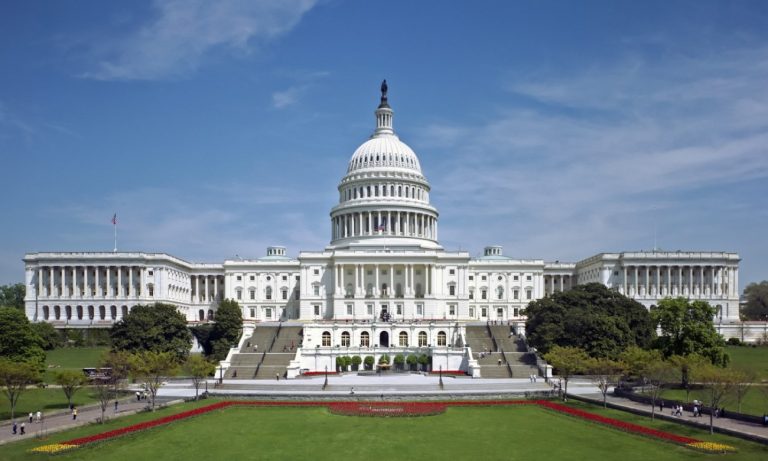
In 1998, the Mammography Quality Standards Reauthorization Act (MQSA) was passed by the U.S. Congress and continued the…
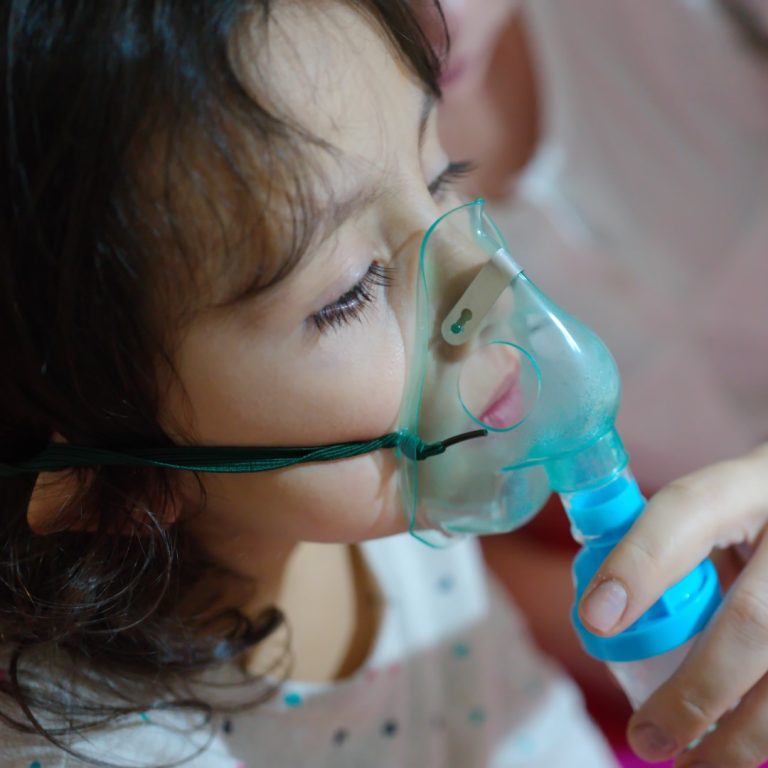
In 1998, the Cystic Fibrosis Research Center was founded at University of Iowa’s College of Medicine. Today, the…
In 1998, Beth Israel Deaconess surgeon Dr. Roger Jenkins performed the first successful live donor liver transplantation (LADLT)…
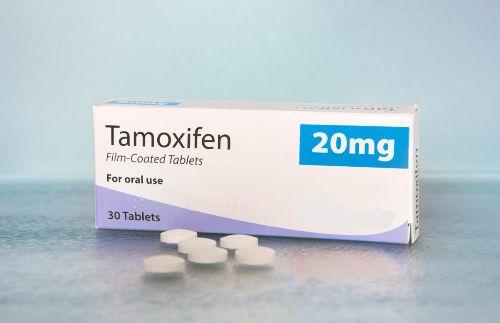
In 1998, Tamoxifen, created with the MCF-7 breast cancer cell line established by Karmanos, was revealed to reduce…

In 1998, the Neurological Sciences Institute (NSI) joined the university as its fifth research unit. NSI researchers conduct…

In 1998, the Centers for Disease Control and Prevention (CDC) reported that an estimated 47.2 million adults (24.1%),…

In 1998, Chicago Mayor Richard M. Dale proclaimed November “National Sarcoidosis Awareness Month” in Chicago. The National Sarcoidosis…
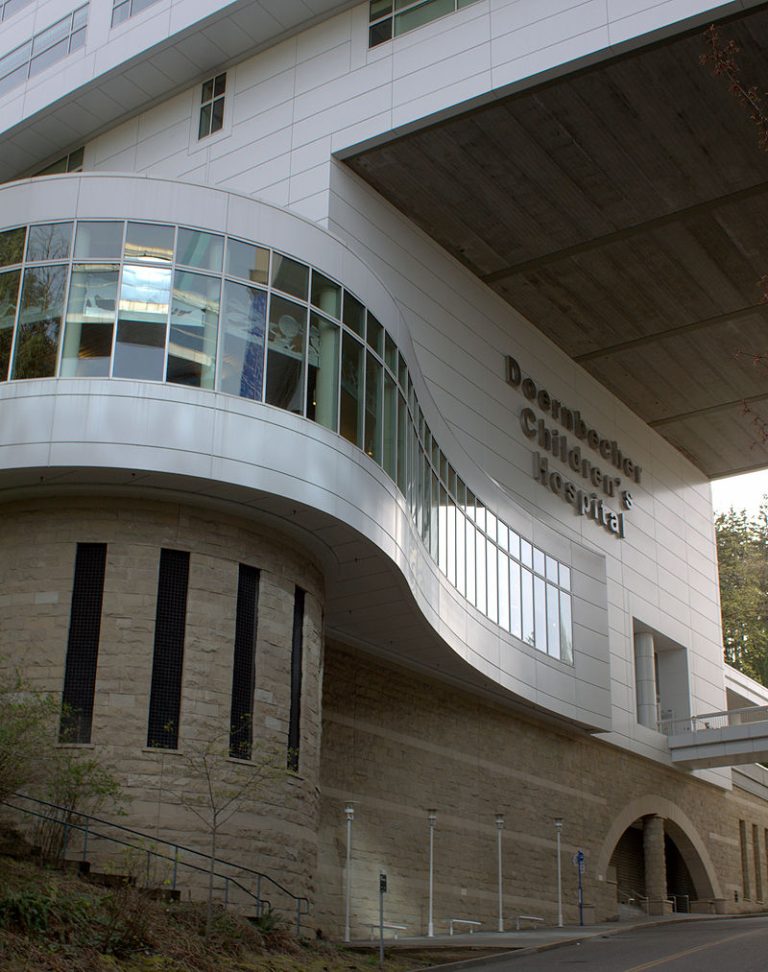
In 1998, Doernbecher Children’s Hospital’s new state-of-the-art pediatric medical complex was opened. Built with private funding and bond…
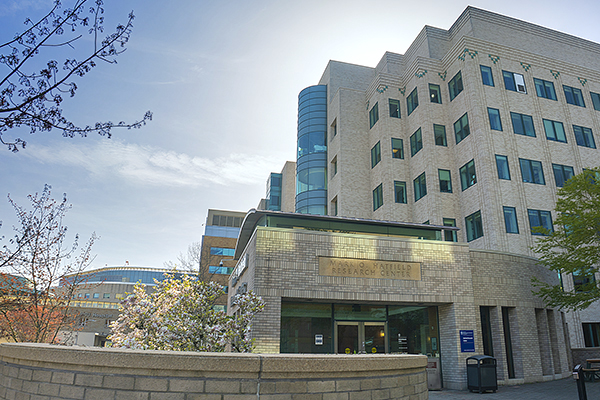
In 1998, The Mark O. Hatfield Research Center was dedicated. The center houses a variety of basic and…
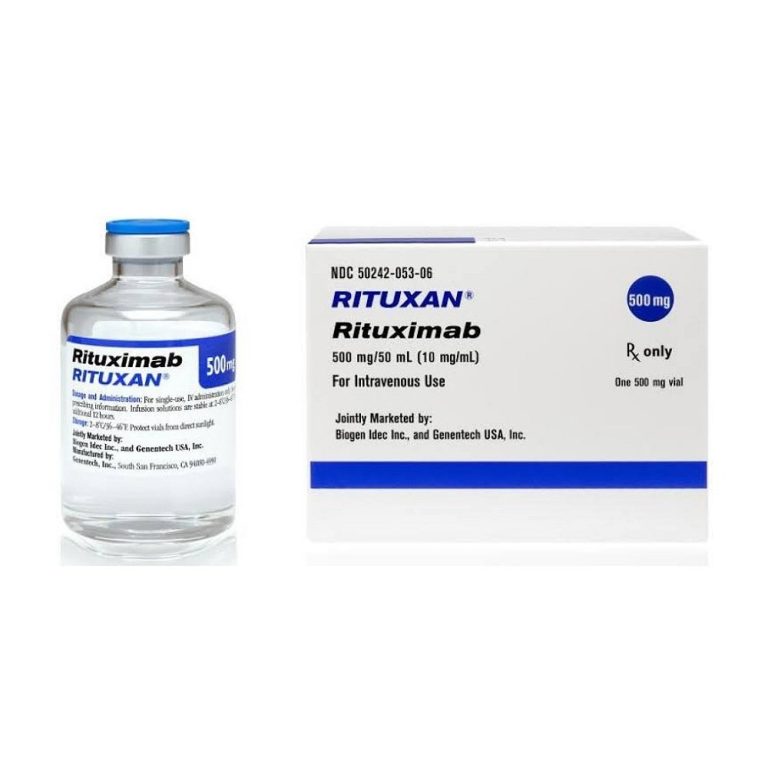
On Nov. 26, 1997, the U.S. Food and Drug Administration (FDA) announced it had approved the Monoclonal antibody…
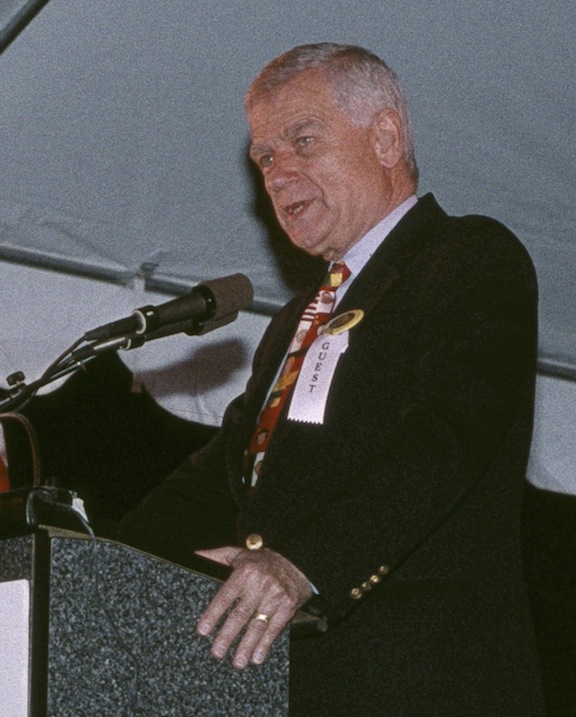
On Nov. 4, 1997, Vice President Al Gore and Senator Mark O. Hatfield attended groundbreaking ceremonies for the…

On Jul. 29, 1997, the National Cancer Institute (NCI) released information that nuclear testing during the 1950s could…
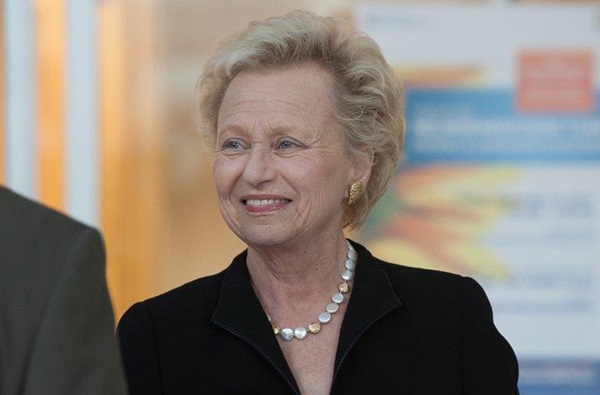
In 1997, the Penn Medicine’s Cancer Center was renamed the Abramson Cancer Center of the University of Pennsylvania…
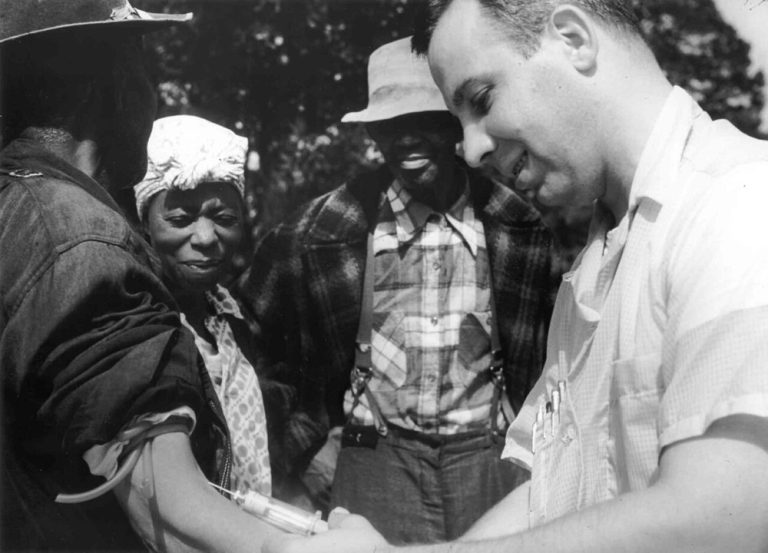
On May 16, 1997, the U.S. Centers for Disease Control and Prevention (CDC) participated in the televised Presidential…