Baim Institute for Clinical Resarch was founded
In 1993, the Baim Institute was first founded as the Cardiovascular Data Analysis Center (CDAC) by Donald S….
In 1993, the Baim Institute was first founded as the Cardiovascular Data Analysis Center (CDAC) by Donald S….

In 1993, Bristol-Myers Squibb launched TAXOL (paclitaxel). The company invested hundreds of millions of dollars to supply TAXOL…
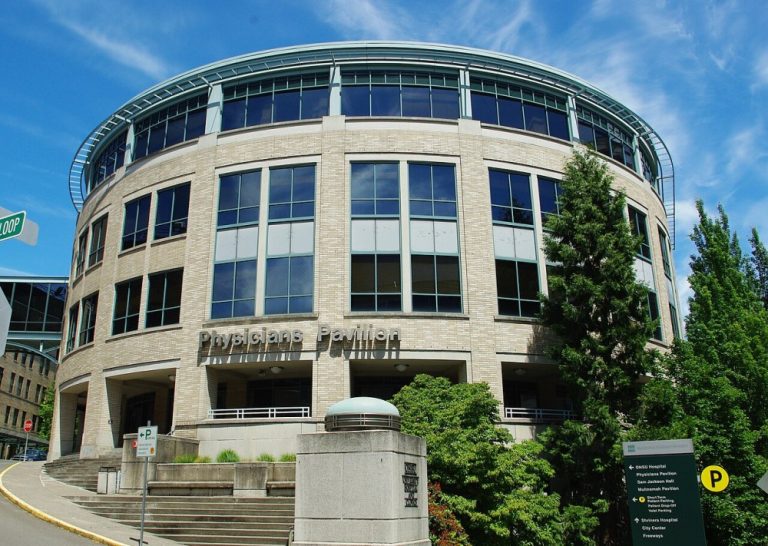
In 1993, the Physicians Pavilion at Oregon Health & Science University (OHSU) opened on Marquam Hill to provide…
In 1993, Oregon Health Policy Institute, an interdisciplinary center of Oregon Health & Science University (OHSU), Portland State…
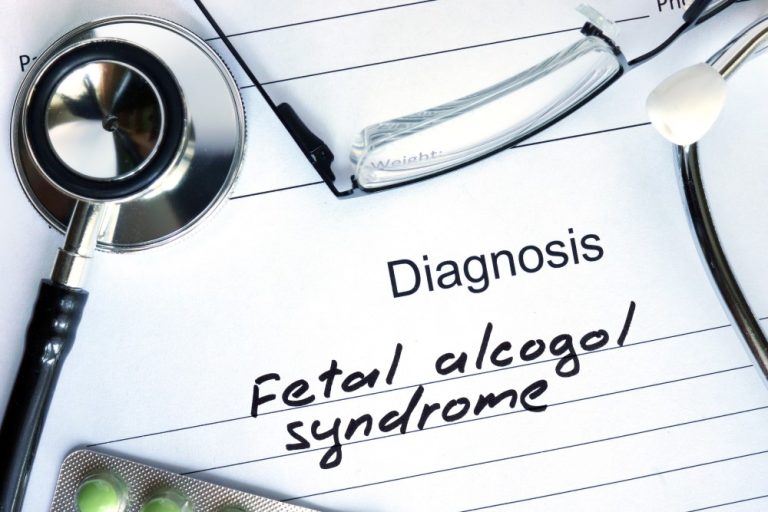
In 1993, the U.S. Centers for Disease Control and Prevention (CDC) established the Fetal Alcohol Syndrome Unit in…
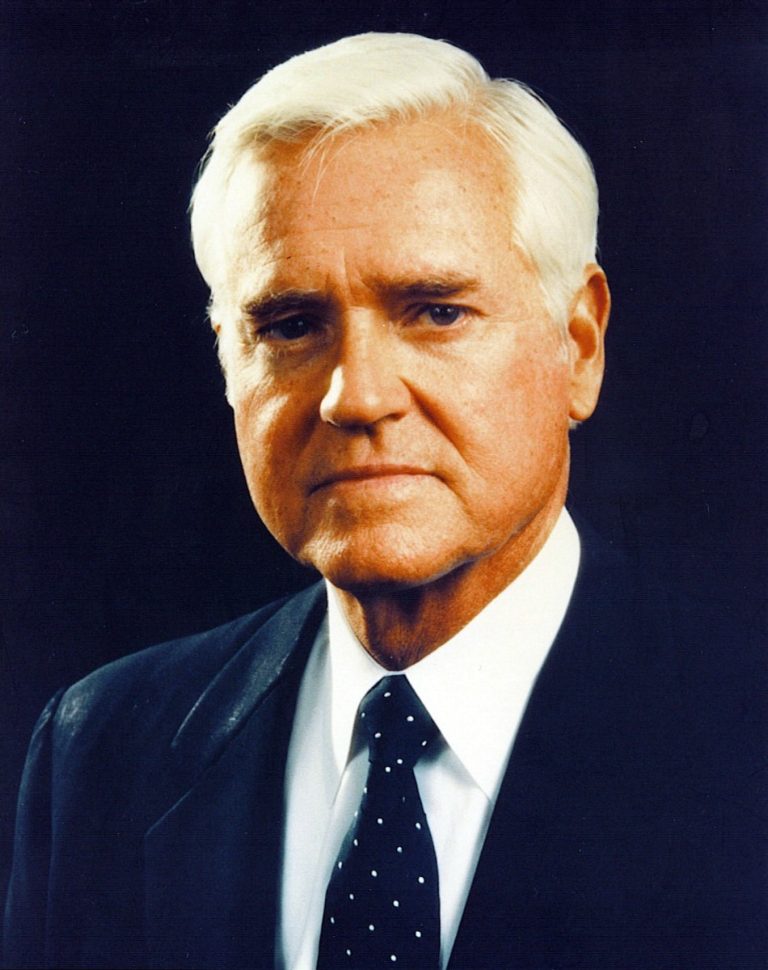
In 1993, The Hollings Cancer Center (HCC) was formally was established and named for former U.S. Senator and…

In 1993, Massachusetts Eye and Ear researchers discovered the Vascular endothelial growth factor (VEGF) molecule, implicated in diabetic…
In 1993, Jon M. and Karen Huntsman donated $10 million to the University of Utah to establish a…
On Dec. 18, 1992, Taxol (paclitaxel), an anticancer drug extracted from the bark of the Pacific yew, received…
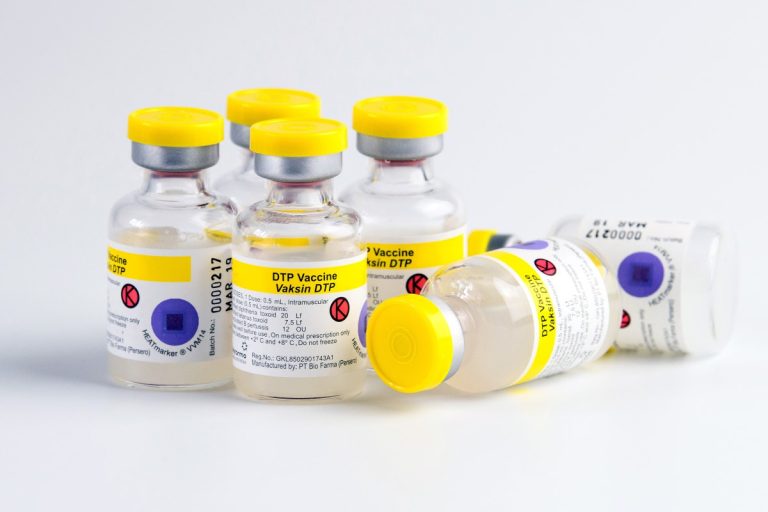
On Aug. 21, 1992, the Food and Drug Administration (FDA) approved licensure of a second DTaP product, prepared…
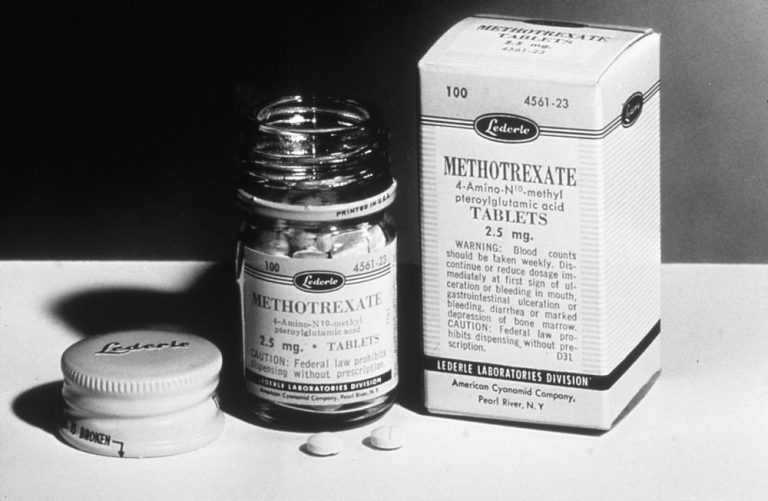
On Apr. 16, 1992, a controlled trial of showed low-dose methotrexate to be effective in resistant Juvenile rheumatoid…
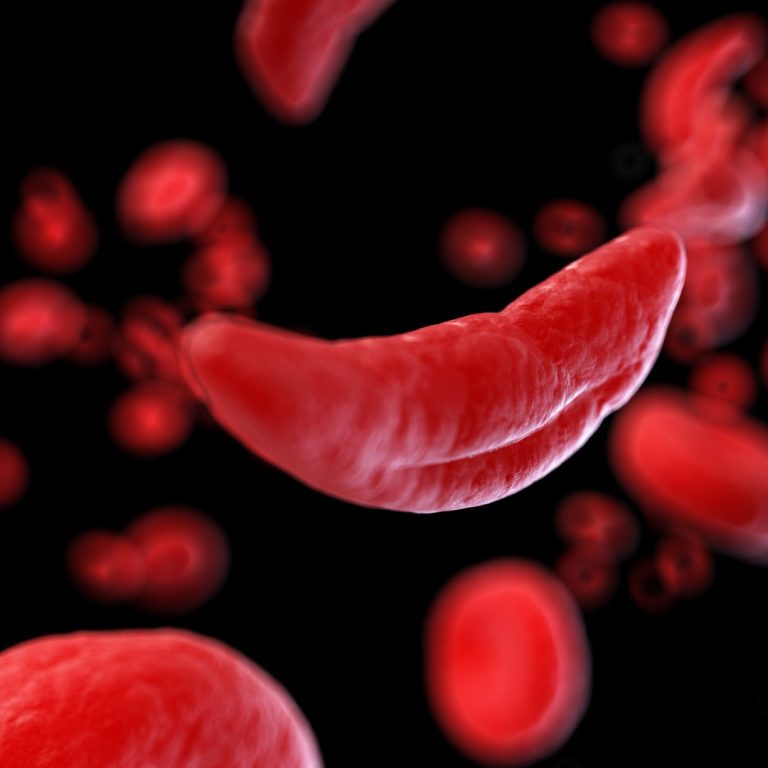
On Feb. 27, 1992, Dr. Robert Adams and Dr. Virgil C. McKie of the Medical College of Georgia…
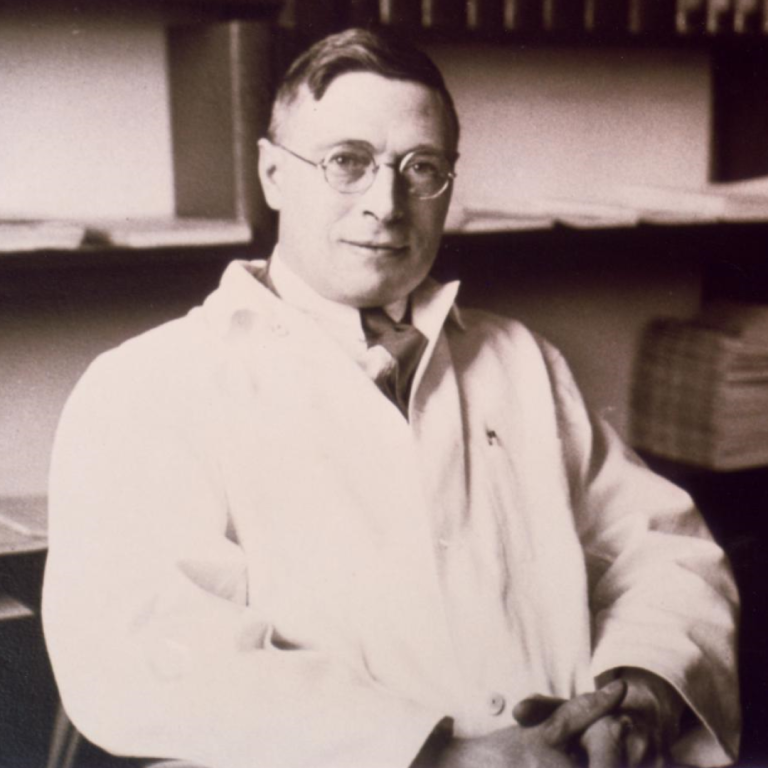
In Jan. 1922, James Bertram Collip produced the first insulin for humans. The Nobel Prize in Physiology or…
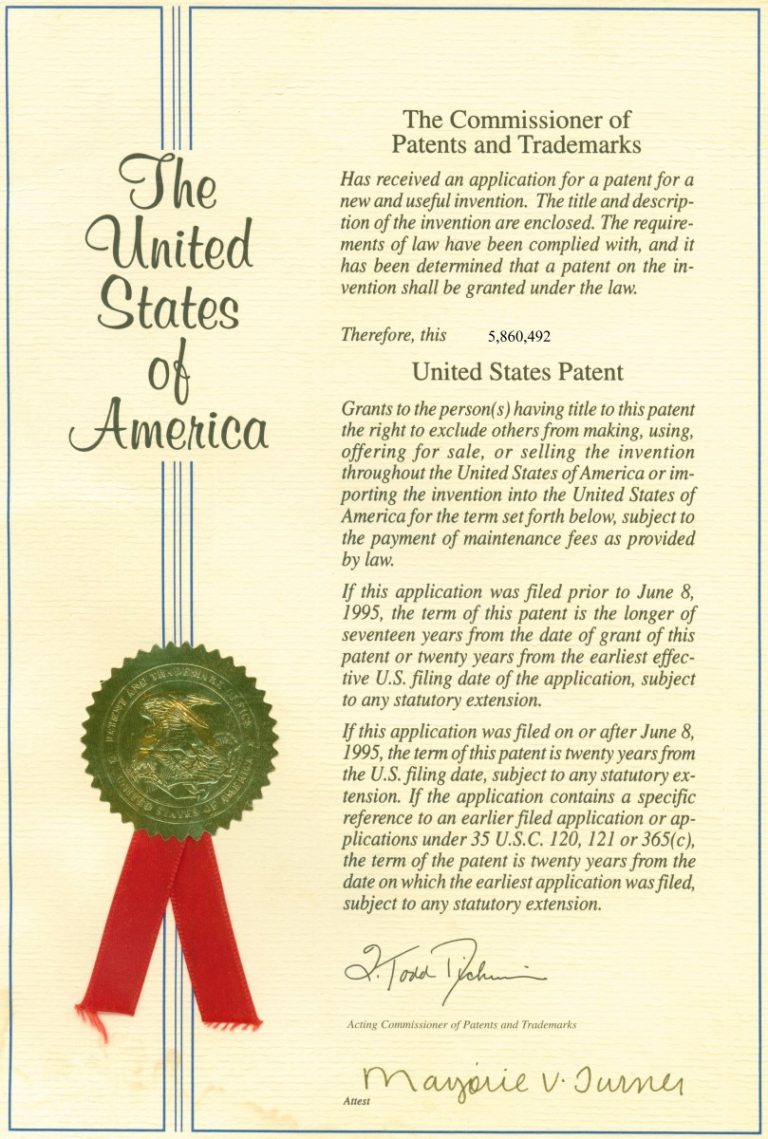
In 1992, the University of Iowa (UI) Research Foundation received its first U.S. patent on the CMV promoter,…
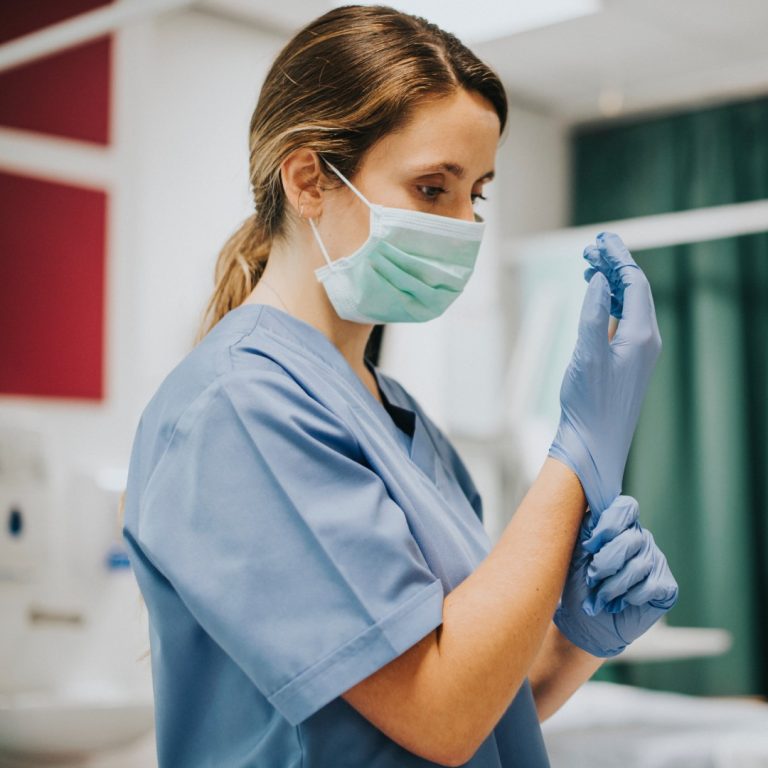
In 1992, the Oregon Health Science University (OHSU) School of Nursing building opened its doors. The building, located…
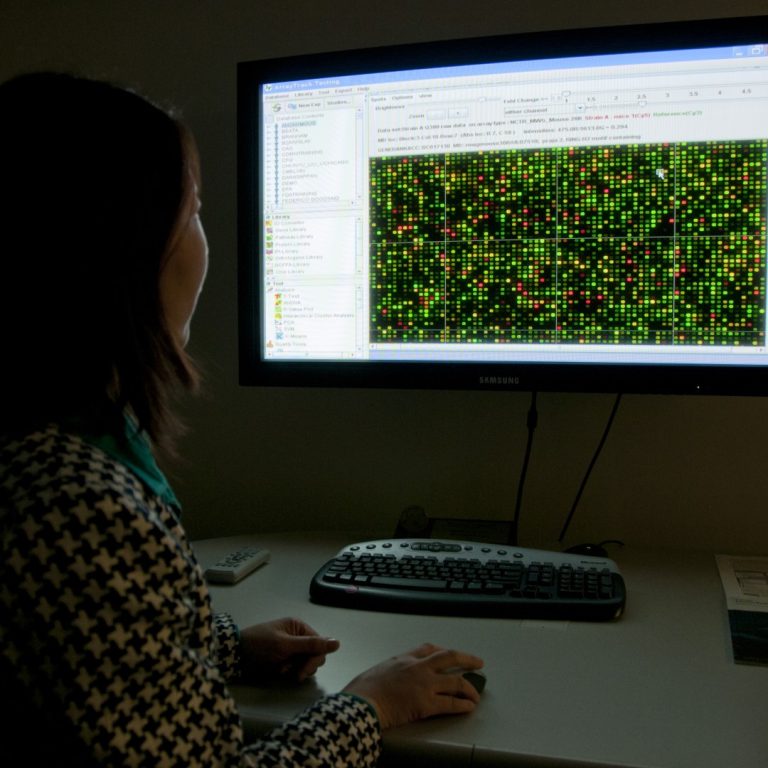
In 1992, the Center for Research on Occupational and Environmental Toxicology (CROET) building opened on the Oregon Health…
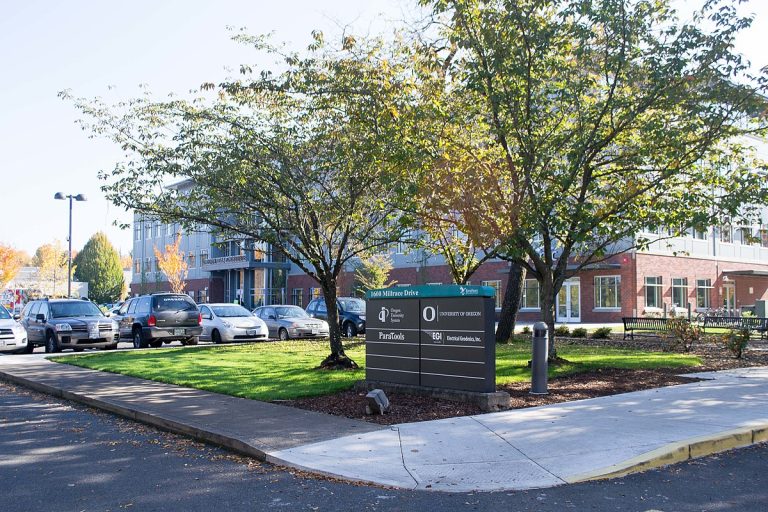
In 1992, Riverfront Research Park at the University of Oregon dedicated its first building. In the early 1980’s,…
On Oct. 9, 1991, Bristol-Myers’ VIDEX (didanosine) was approved by the U.S. Food and Drug Administration for the…

On Jan. 4, 1991, Scripps Clinic and Research Foundation and Scripps Memorial Hospital reaffiliate, announced they had merged…
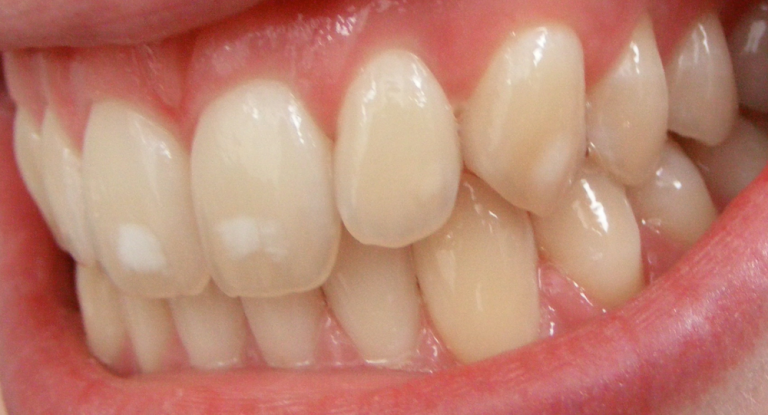
In 1991, the Division of Oral Health (DOH) was established by the U.S. Centers for Disease Control and…

In 1991, The National Cancer Institute (NCI) began its Five-a-Day program, in partnership with the nonprofit group Produce…

In 1991, the Women’s Health Initiative (WHI), sponsored by the National Heart, Lung, and Blood Institute (NHLBI), was…

In 1991, the U.S. Food and Drug Administration (FDA) published regulations to Accelerate the Review of Drugs for life-threatening diseases….
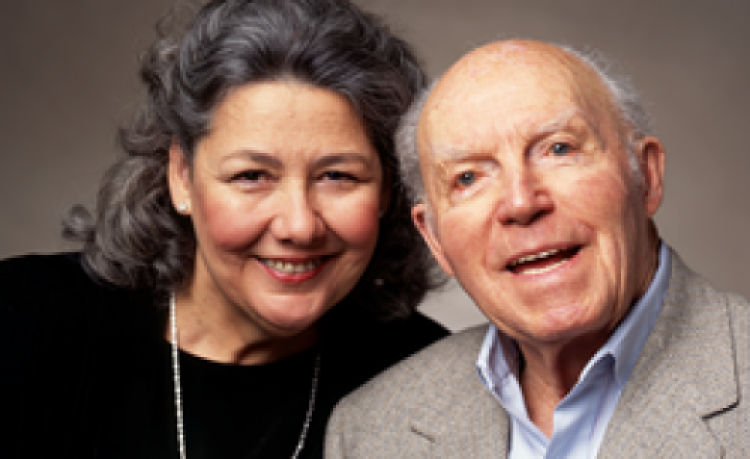
In 1991, the UC San Diego Shiley Eye Center opened with support by Donald and Darlene Shiley and…

In 1991, the world’s first superconducting cyclotron built to treat cancer was installed at the Gershenson Radiation Oncology…
In 1991, the Harold C. Simmons Comprehensive Cancer Center was founded. Simmons Cancer Center is built on a…
On Oct. 1, 1990, the U.S. Human Genome Project (HGP), a 13-year effort coordinated by the U.S. Department…
On Sept. 14, 1990, W. French Anderson and his colleagues at the National Institutes of Health (NIH) performed…
On Aug. 18, 1990, the Ryan White Comprehensive AIDS Resources Emergency Act was signed into law by President…
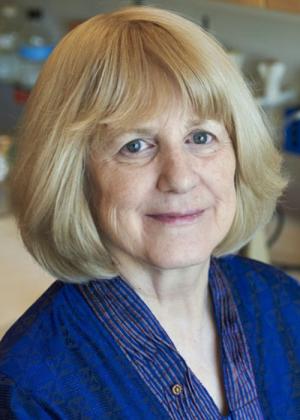
In 1990, Geneticist Mary-Claire King and her colleagues at the University of California, Berkeley (UC Berkeley) discovered BRCA1,…