Frederick J Brady and colleagues pioneered the use of radioisotopes in pharmacology
In 1945, Frederick J. Brady and colleagues pioneered the use of radioisotopes in pharmacology, especially to identify the…
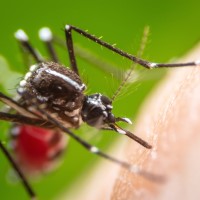
In 1945, Frederick J. Brady and colleagues pioneered the use of radioisotopes in pharmacology, especially to identify the…
In 1942, a classic manual describing and illustrating the stages of the malaria parasites was prepared by Aimee…
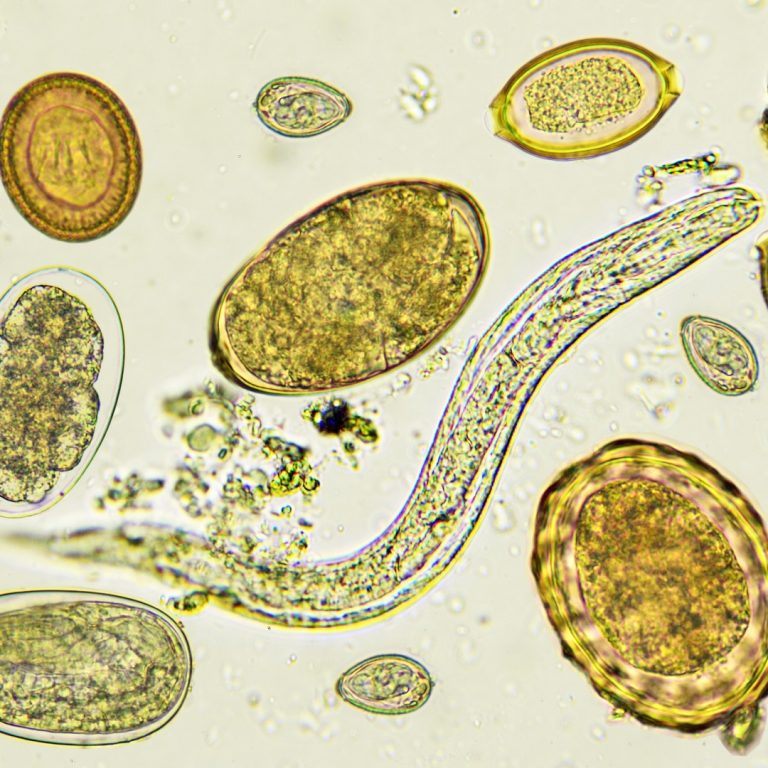
In 1938, John Bozicevich developed immunological methods for the diagnosis of helminth parasitic infections. Helminthiasis, also known as…
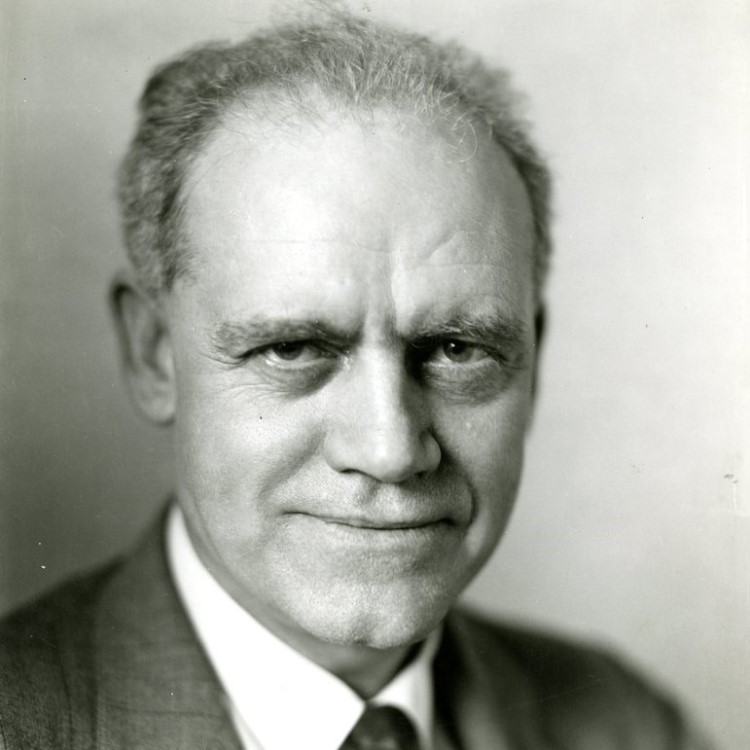
In 1937, Maurice C. Hall developed a technique, known as the “NIH swab,” to diagnose enterobiasis; it is…
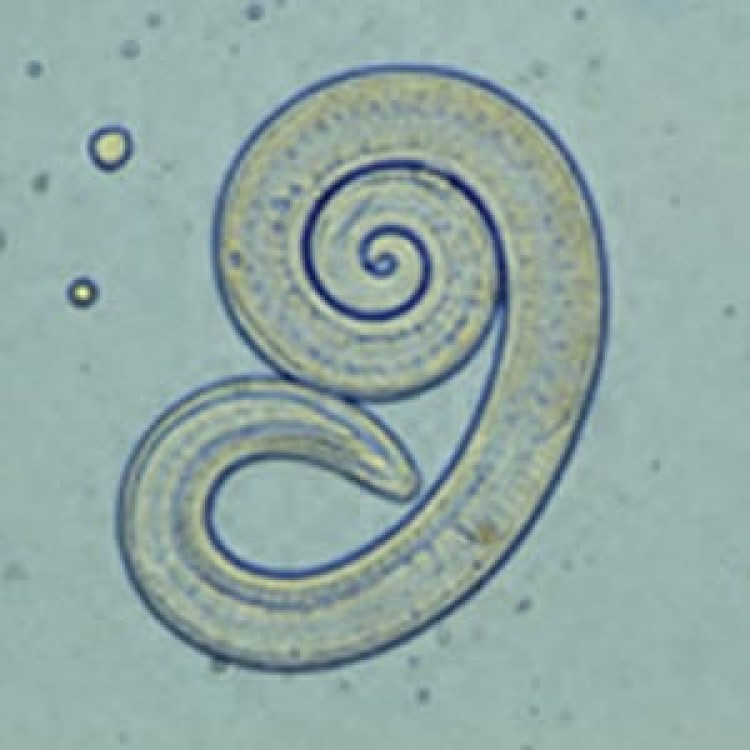
On Aug. 19, 1938, Maurice C. Hall, Willard H. Wright and colleagues published Studies in Trichinoisis that demonstrated…
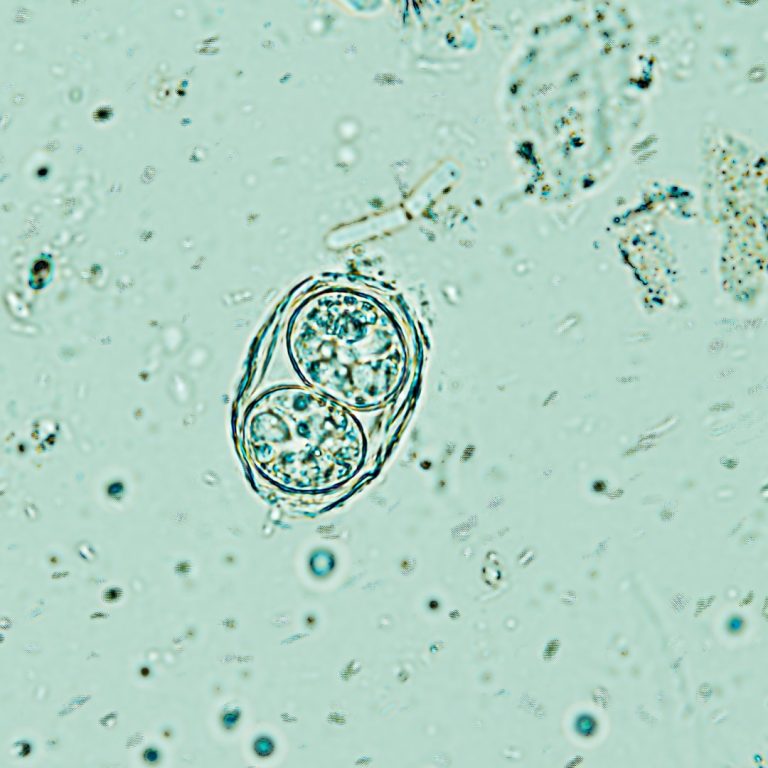
In 1937, Albert Sabin and Peter Olitsky demonstrated that the parasiteToxoplasma gondii (T. gondii) was an obligate intracellular…
In 1926, Kenneth F. Maxcy identified an “endemic” form of typhus fever in the southeastern United States and…
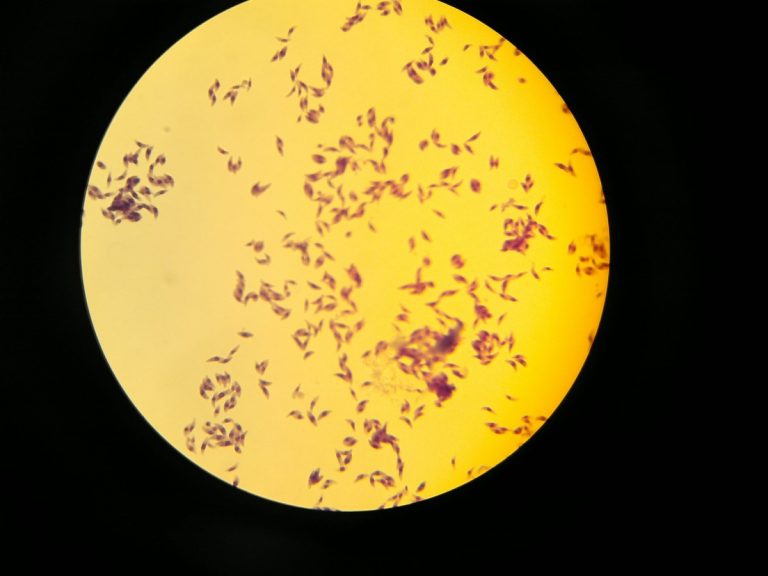
In 1908, Charles Nicolle and Louis Manceaux at the Pasteur Institute were the first to describe Toxoplasma gondii…
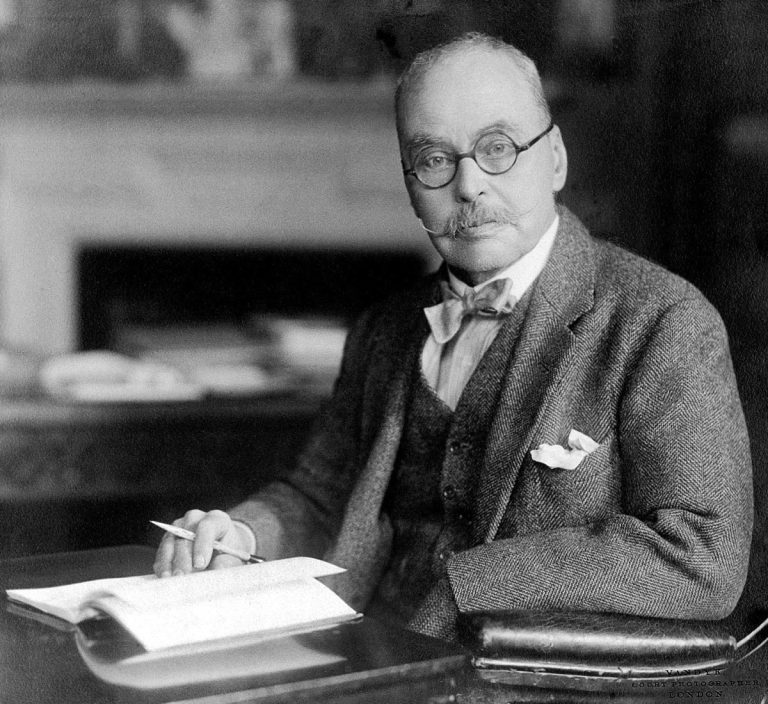
On Aug. 20, 1897, Sir Ronald Ross made his landmark discovery. While dissecting the stomach tissue of an…
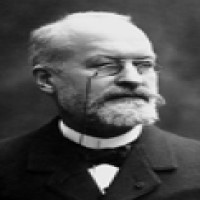
In 1880, french Military surgeon Charles Laveran while stationed in Algiers discovered the cause of malaria (“bad air”)…
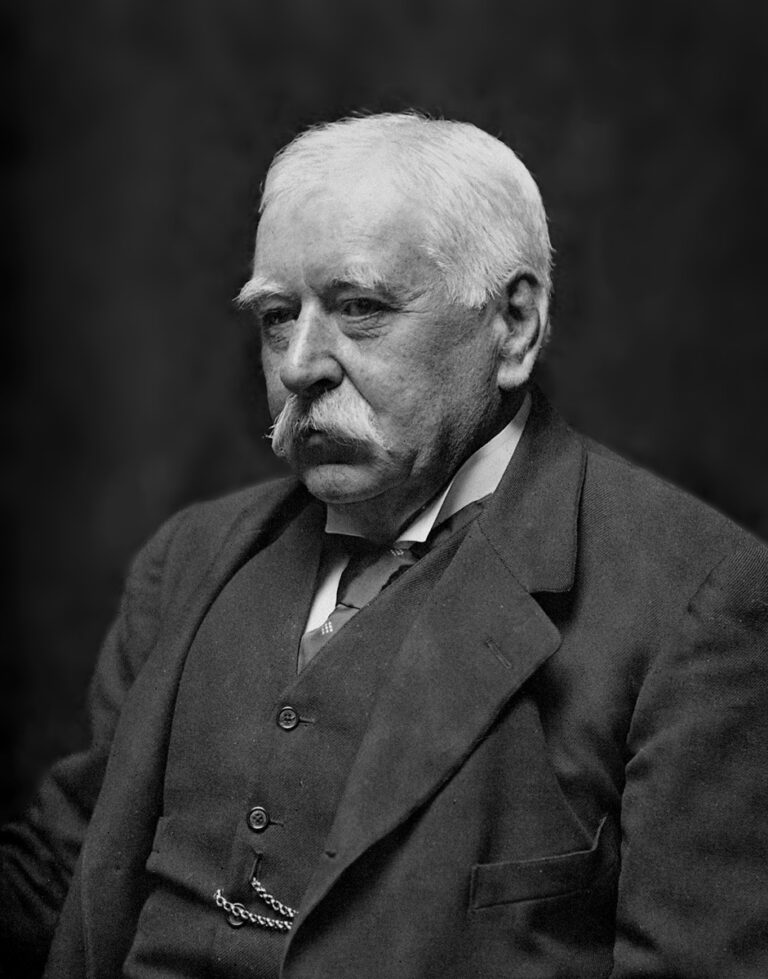
In 1878, Sir Patrick Manson demonstrated that a parasite that causes human disease could infect a mosquito. In…