Cleveland schools were closed due to the influenza epidemic
On Oct. 15, 1918, children were to report to their classrooms as usual in the morning, where attendance…
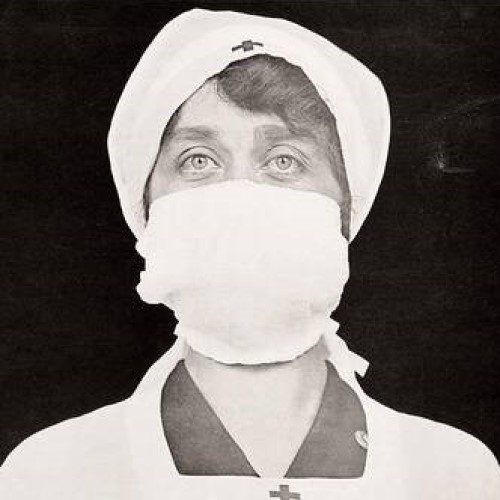
On Oct. 15, 1918, children were to report to their classrooms as usual in the morning, where attendance…
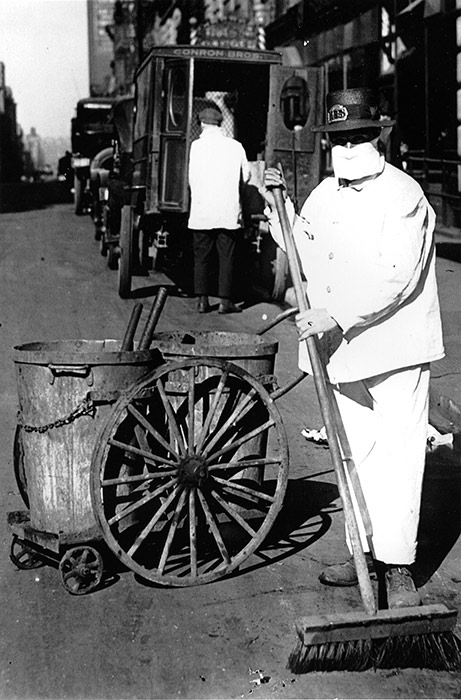
By Oct. 14, 1918, Cincinnati influenza case and fatality reports demonstrated the highest death rate since the epidemic…
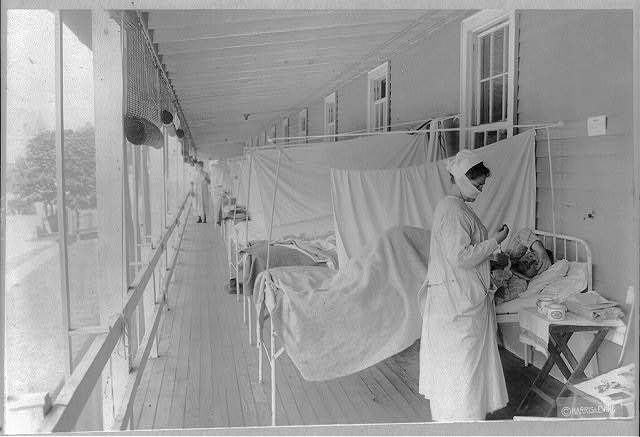
On Oct. 10, 1918, Cincinnati Health Officer Peters estimated that there were between 4,000 and 4,500 influenza cases…
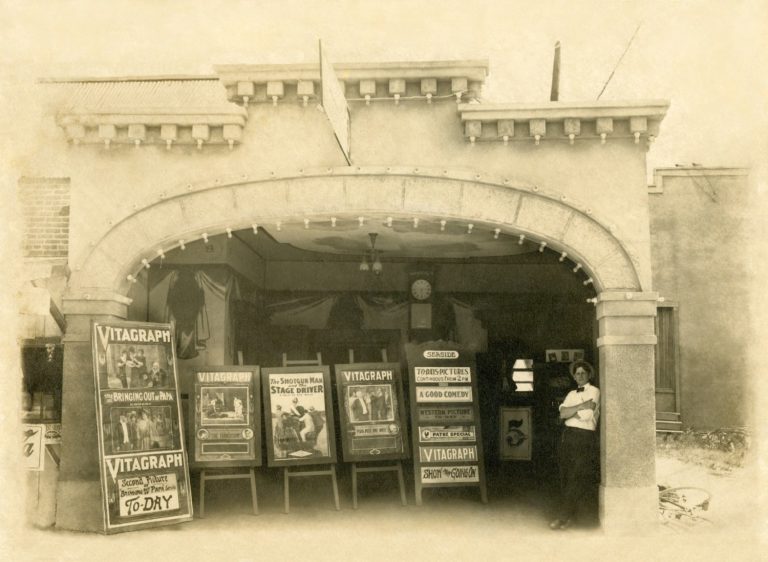
On Oct. 10, 1918, Cleveland Mayor Harry Davis announced the closure of theaters, movie houses, night schools, and…
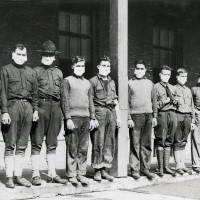
On Oct. 10, 1918, Ohio state officials issued a notice for the closure of places of public gathering.
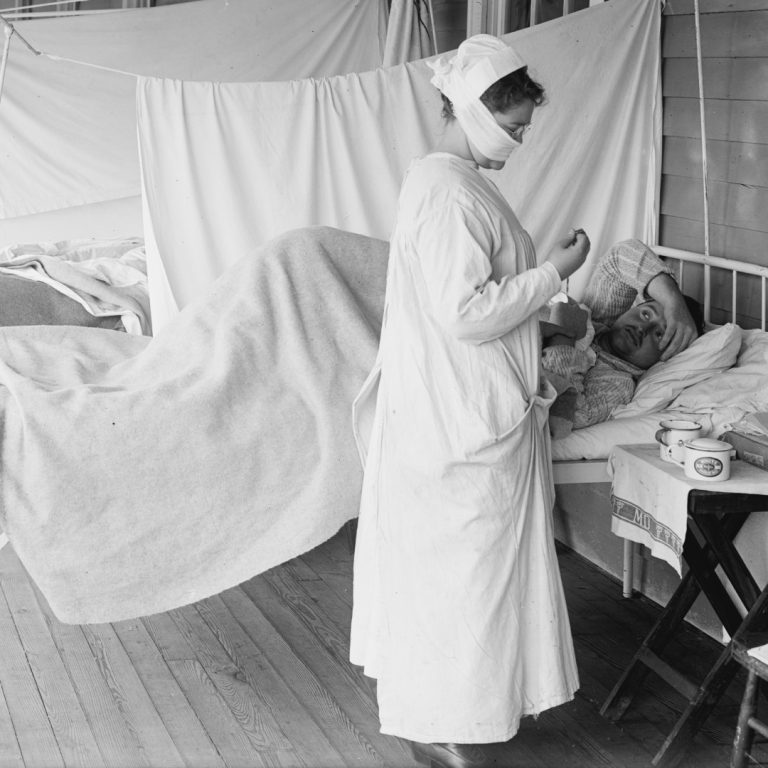
On Oct. 9, 1918, Cleveland Health Commissioner Rockwood met with Acting Mayor W. S. FitzGerald and Director of…
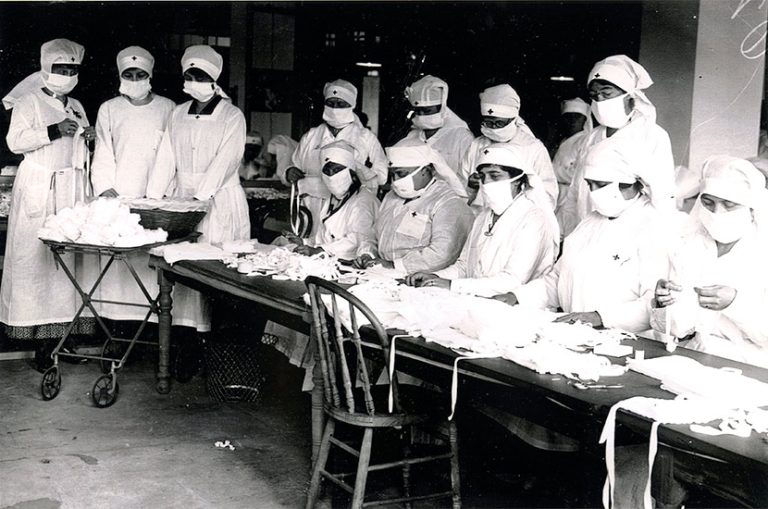
By Oct. 7, 1918, Cleveland Health Commissioner Rockwood announced the city had about 500 influenza cases. This led…
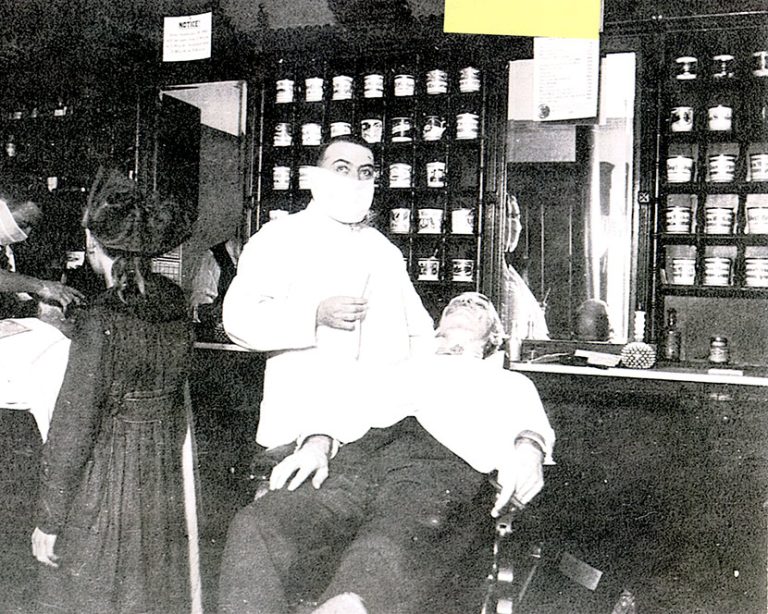
On Oct. 5, 1918, with 4,000 estimated influenza cases in the city, the Cincinnati mayor, health, and education…
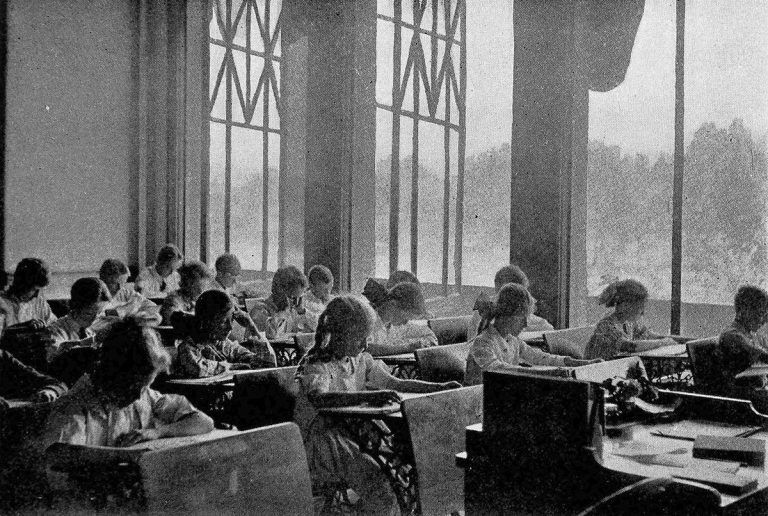
On Oct. 4, 1918, Cleveland City Director of Public Welfare Lamar T. Beeman directed Health Commissioner Rockwood to…
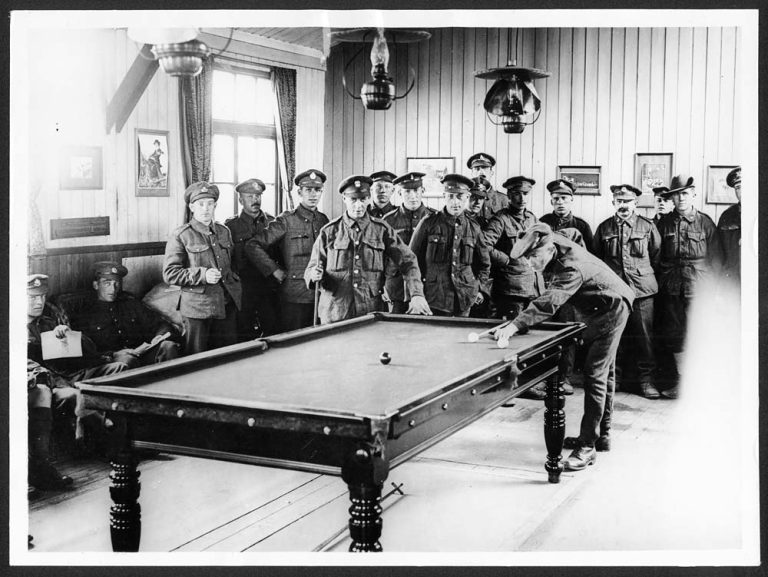
On Oct. 3, 1918, Cincinnati Health Officer Dr. William H. Peters responded to the influenza threat by enacting…
By the end of 1918, 3.5% of Cleveland’s population had contracted either influenza or developed pneumonia. 3,600 people…
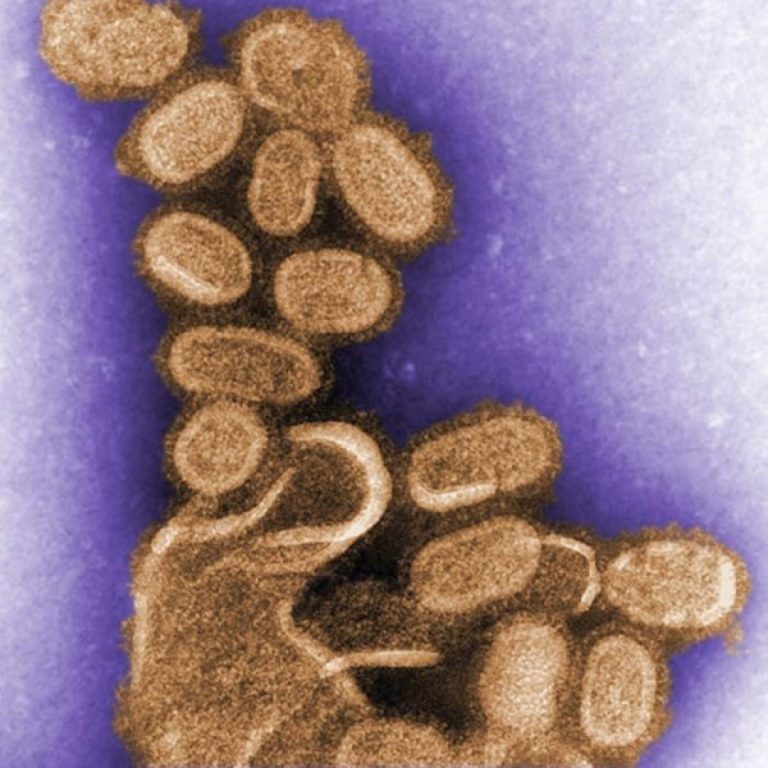
In 1918, by the end of the influenza epidemic in Cincinnati, the death toll had reached 1700 from…
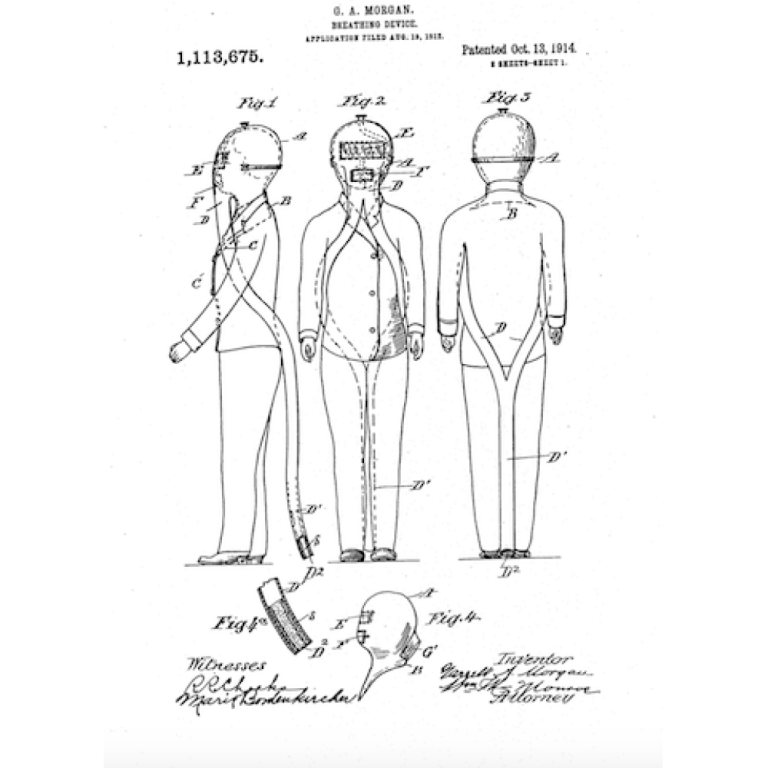
In 1914, Garrett Augustus Morgan, a prolific inventor, submitted a patent for the first gas mask. Morgan’s first…

In 1913, Earle B. Phelps in the Division of Chemistry conducted a series of studies on water pollution…
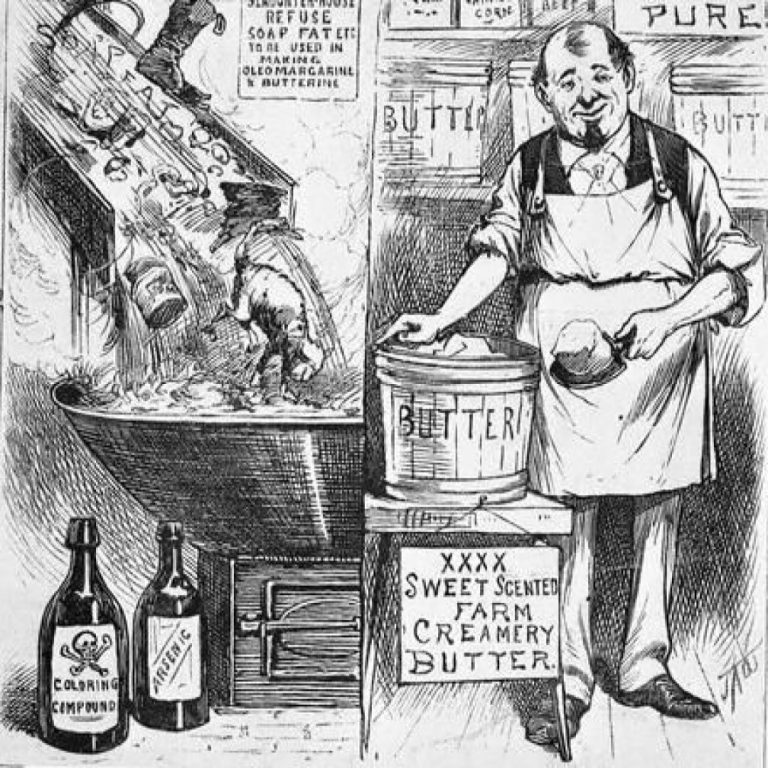
On Aug. 2. 1886, the U.S. Congress passed the Oleomargarine Act which among other things, directed the Secretary…
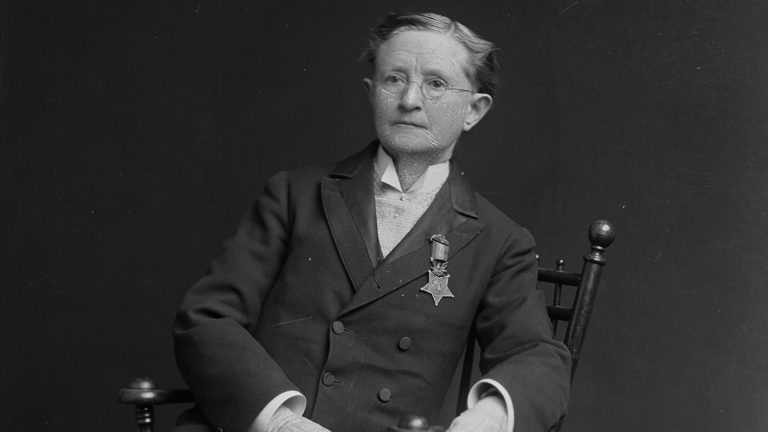
In Sept. 1863, Mary Edwards Walker was employed as a “Contract Acting Assistant Surgeon” by the Army of…