Yale scientists recode the genome for programmable synthetic proteins
On Feb. 6, 2025, a team of synthetic biologists from Yale University announced they have re-written the genetic…
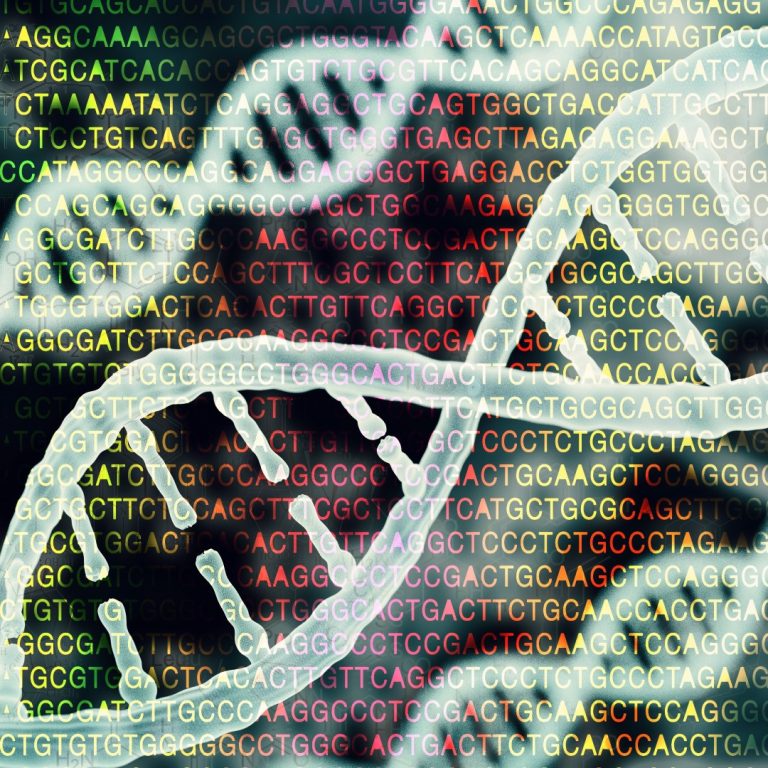
On Feb. 6, 2025, a team of synthetic biologists from Yale University announced they have re-written the genetic…
On Apr. 29, 2022, the U.S. Department of Agriculture’s (USDA) Animal and Plant Health Inspection Service (APHIS) confirmed…
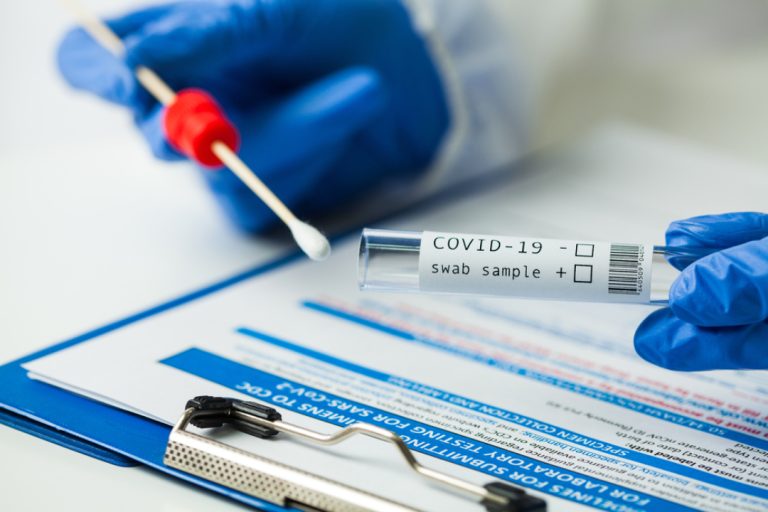
On Jan. 28, 2021, Precipio announced that following receipt of an Emergency Use Authorization from the U.S. Food…

On Apr. 23, 2020, Yale researchers began a clinical trial at Yale New Haven Hospital to test the…

On Feb. 4, 2020, BioMotiv and Bristol-Myers Squibb announced the launch of Anteros Pharmaceuticals, a biotechnology company focused…
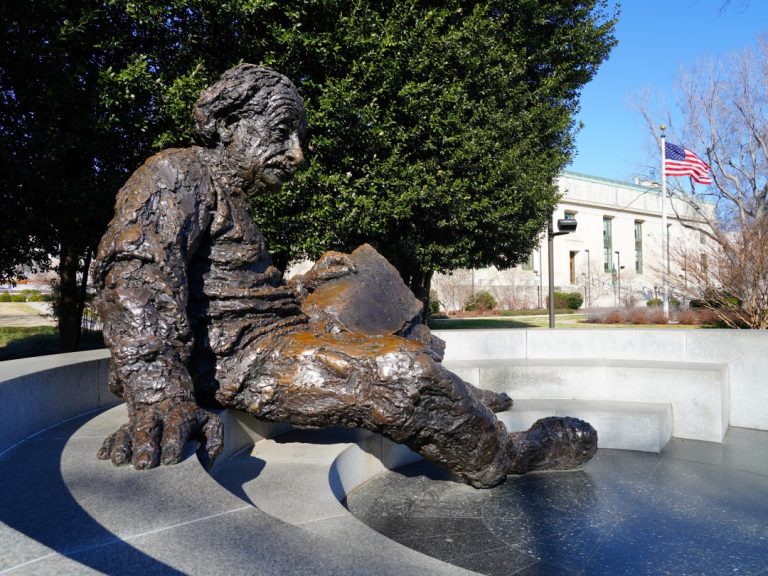
On Jan. 19, 2018, Yale evolutionary geneticist Gunter Wagner received the 2018 Daniel Giraud Elliot Medal from the…

On Jan. 12, 2018, Connecticut United for Research Excellence Inc. (CURE) renamed itself BioCT and today is the…
In 2018, Rallybio was founded as a privately-held, development-stage biotechnology company focused on bringing life-transforming medicines to patients…
In 2017, SpringWorks Therapeutics was founded in Stamford, Connecticut, as a clinical-stage biopharmaceutical company that applies a precision…
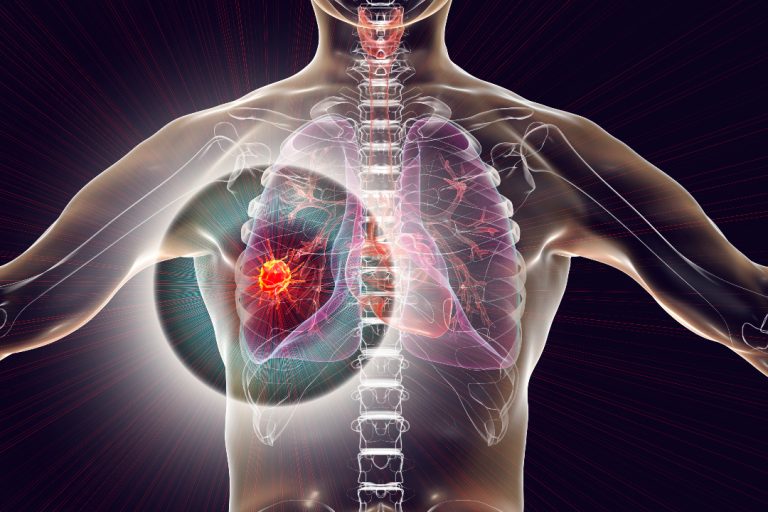
In 2015, Yale Cancer Center was awarded a SPORE (Specialized Programs of Research Excellence) grant for translational research…

In 2012, Smilow Cancer Hospital and Yale Cancer Center opened 8 Smilow Cancer Care Centers in Connecticut. Today,…

In 2011, Precipio was founded in New Haven, Connecticut to build a platform designed to eradicate the problem…

In 2007, West Campus, located on 136 acres 7 miles west of downtown New Haven, was acquired. West…
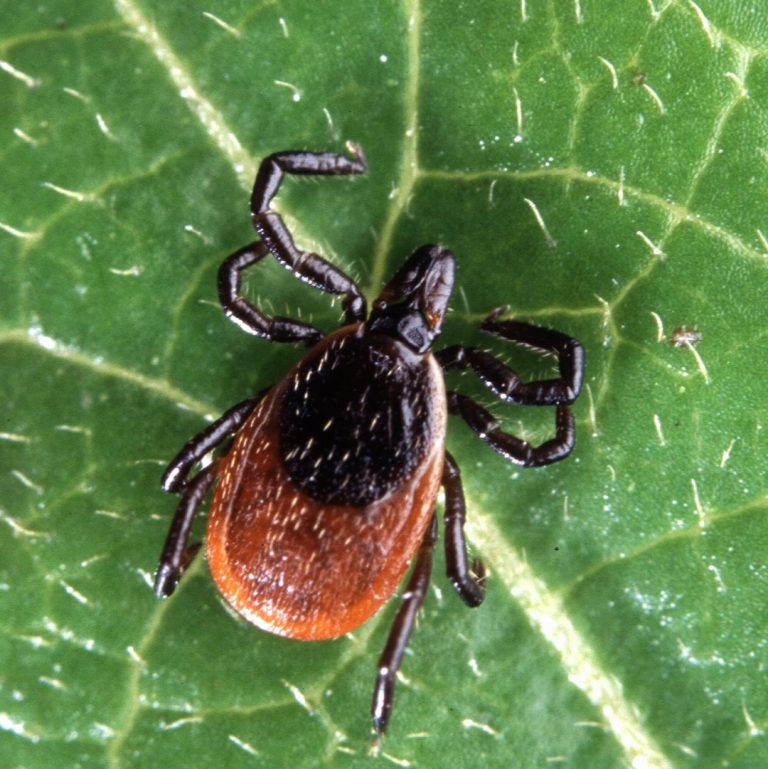
On Feb. 25, 2002, GlaxoSmithKline announced that the company would no longer manufacture or distribute its Lyme disease…

In 2002, digital diagnostic technology was developed with the creation of AQUA (Automated Quantitative Analysis) at Yale Cancer…
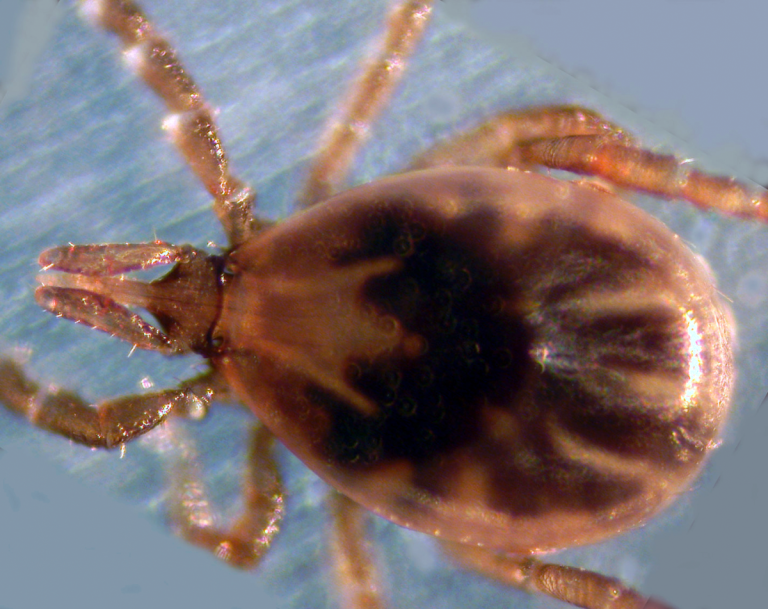
On Dec. 21, 1998, the Lyme Disease Vaccine (Recombinant OspA), (LYMErix by SmithKline Beecham) was licensed for use…
In 1998, Yale Cancer Center researchers discovered the gene, Survivin, which is linked to the detection of some…
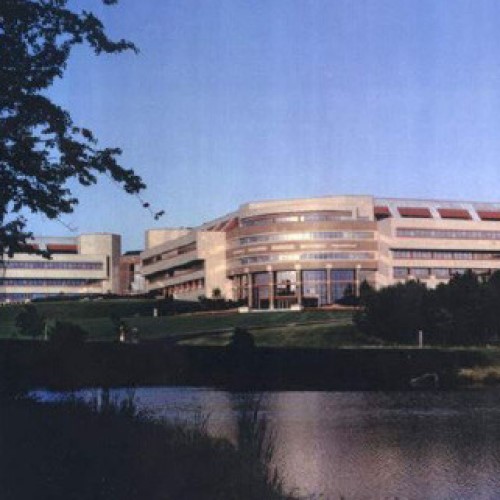
In 1995, Bristol-Myers’ Wallingford, Connecticut facility was named the Richard L. Gelb Center for Pharmaceutical Research and Development…
In 1990, Connecticut United for Research Excellence Inc. (CURE) was founded. CURE was a statewide coalition of educational…
In 1989, Connecticut Innovations (CI), created by the Connecticut Legislature, provides strategic capital and operational support to advanced…
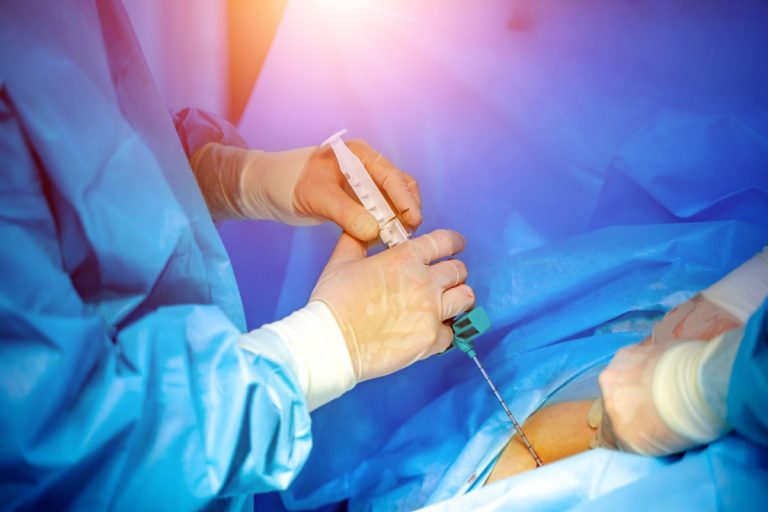
In 1988, oncologists from Yale Cancer Center performed the first bone marrow transplant in Connecticut at the Yale-New…

In 1974, George E. Palade, of the Yale University School of Medicine, was awarded the Nobel Prize for…
In 1974, Yale Cancer Center received a National Cancer Institute (NCI) designated comprehensive cancer center status, the only…
In 1965, Yale established the first university-based department of clinical pharmacology and chemotherapy in the United States (the…
In 1963, Yale New Haven Hospital (then Grace-New Haven) installed the first linear accelerator in Connecticut for cancer…
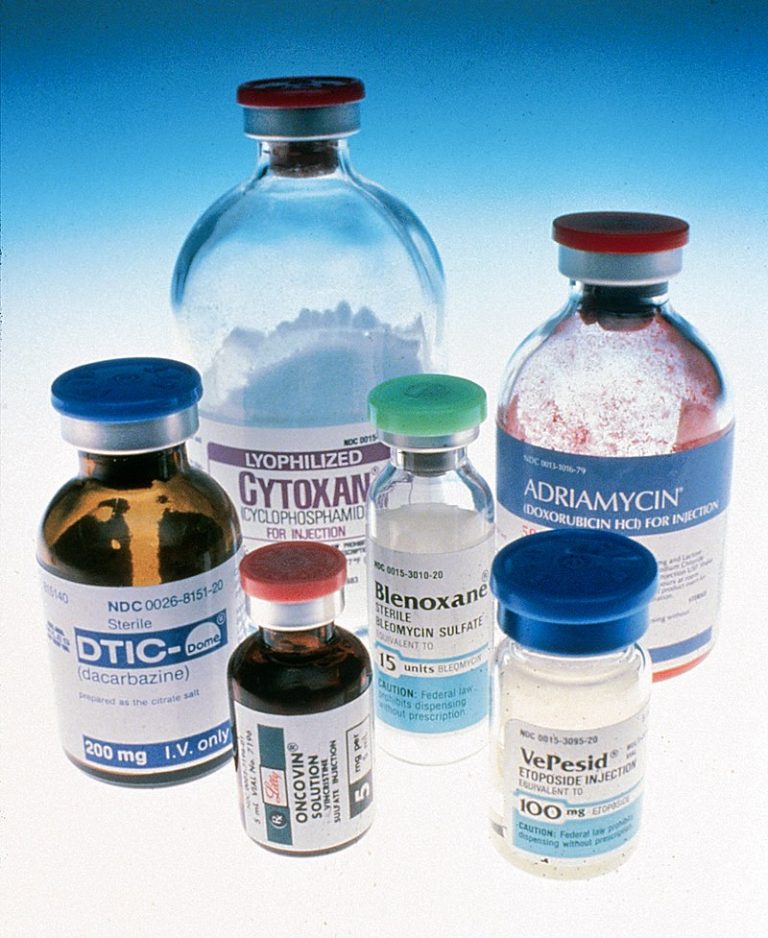
In 1953, Yale established the first pharmacology department in the U.S. to focus on cancer chemotherapy and cancer…
In 1949, the first artificial heart pump was developed at Yale by William H. Sewell and William W….
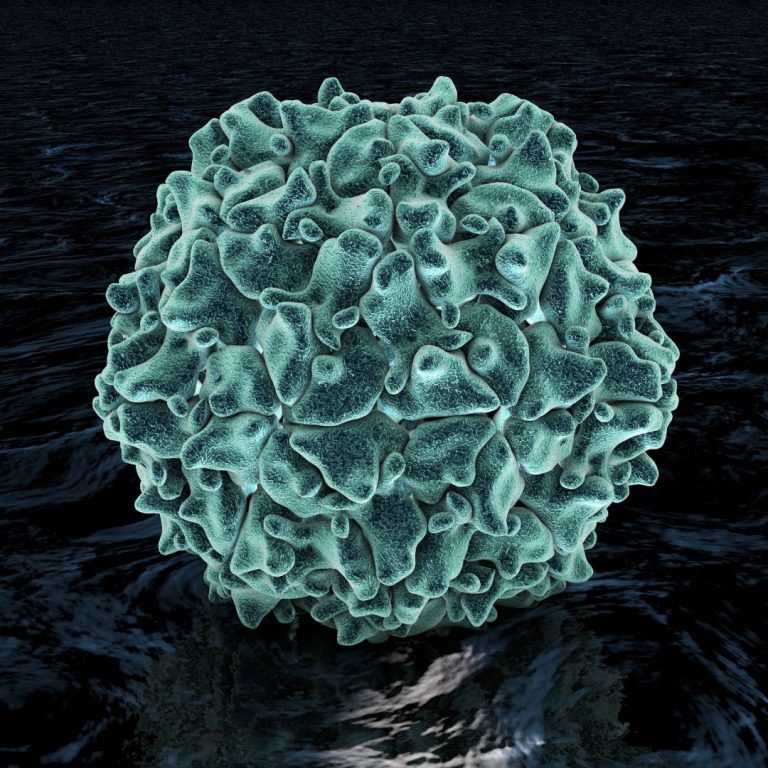
In 1949, at Harvard, John F. Enders, Ph.D., a Yale College graduate, Frederick C. Robbins, M.D., and Thomas…
In 1942, the first intravenous chemotherapy treatment of a cancer patient was performed at Yale.
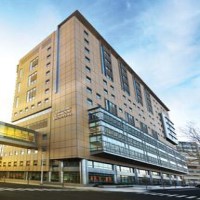
In 1942, Yale cancer research began when the first use of a cancer drug was administered to a…