Biotechnology | CRISPR | Disease | Genomics
New technique holds promise for improved gene editing
On Oct. 7, 2026, a new study describes how scientists fused together components in bacteria that do not…
On Oct. 7, 2026, a new study describes how scientists fused together components in bacteria that do not…
On Aug. 17, 2026, Massachusetts Institute of Technology (MIT) researchers announce they have engineered bacteria that can function…

On May 14, 2026, researcher Thi Thuong Thuong Cao as a PhD student at Arizona State University (ASU)…

On Mar. 2, 2026, Stanford scientists announced that a one-of-a-kind instrument can show cell structures interacting in real…

On Sept. 4, 2025, a University of Houston lead team announced research showing that a bacterial species found…
On Jun. 10, 2025, two patients treated within the past two months at the University of Washington Medical…

On May 17, 2025, Chinese scientists announced they have discovered a new microbe that developed on board the…
On May 7, 2025, the U.S. Food and Drug Administration (FDA) alerted consumers, tattoo artists, and retailers of…
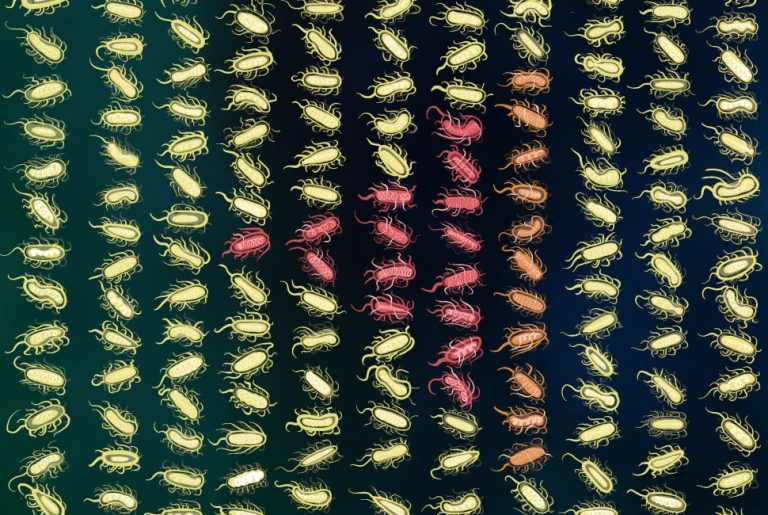
On Aug. 28, 2024, Northwestern University and University of Texas-Southwestern announced results of a study that found bacterial…

On Oct. 7, 2020, the Nobel Prize in Chemistry 2020 was awarded to Drs. Emmanuelle Charpentier and Jennifer…

On Mar. 5, 2019, scientists at Washington State University (WSU) described the first-ever successful in situ collection of…
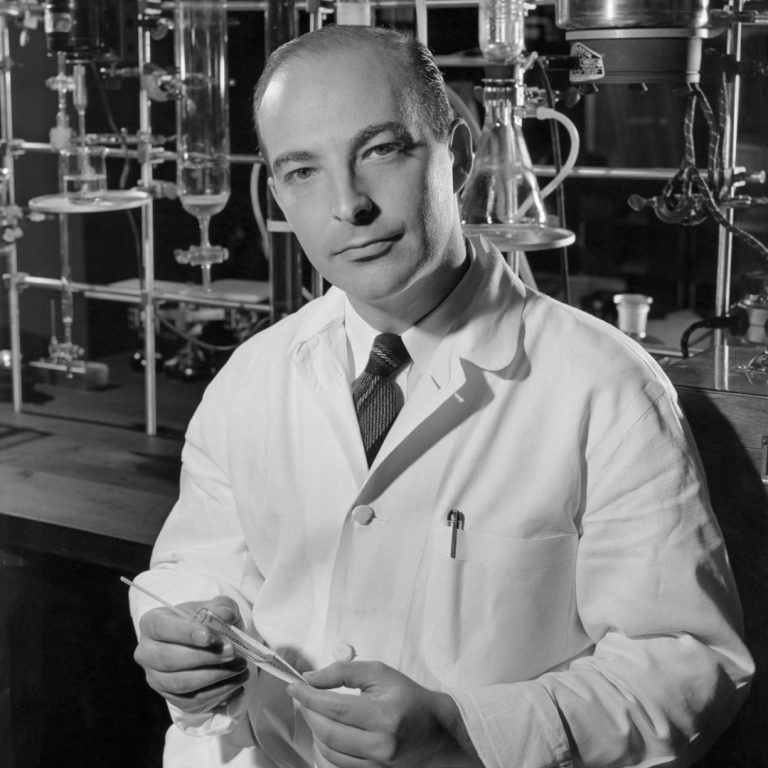
On Oct. 22, 1990, scientists from Stanford University led by Arthur Kornberg announced they had discovered a chemical…

On Mar. 17, 1980, Ananda Mohan Chakrabarty filed a patent application assigned to the General Electric Co. for…
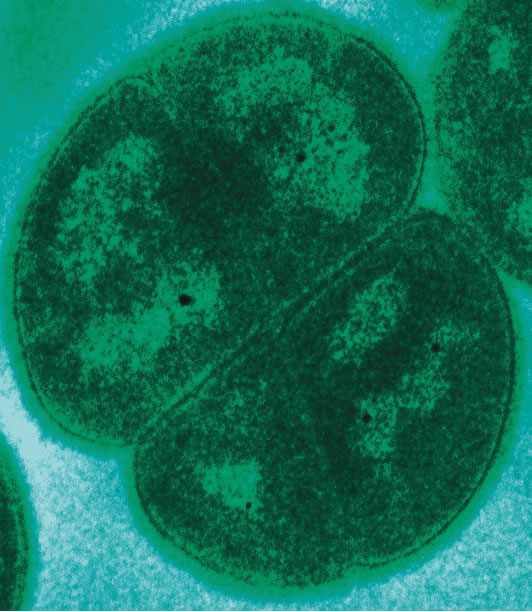
In 1956, Deinococcus (Micrococcus) radiodurans strain R1 (ATCC BAA-816), the most radiation-resistant organisms yet discovered, was first reported…

In 1952, Alfred Hershey and Martha Chase conducted a series of experiments at the Carnegie Institute of Washington…

On Oct. 9, 1676, Antonie van Leeuwenhoek reported the the discovery of bacteria in a 72 word letter…