Vanderbilt-Ingram Cancer Center earned the NCI’s highest distinction as a Comprehensive Cancer Center
In 2001, the Vanderbilt-Ingram Cancer Center (VICC) earned the National Cancer Institute’s (NCI) highest distinction as a Comprehensive…
In 2001, the Vanderbilt-Ingram Cancer Center (VICC) earned the National Cancer Institute’s (NCI) highest distinction as a Comprehensive…

On Apr. 15, 1999, the Tennessee Biotechnology Association (TBA), now the Life Science Tennessee, was established. The Tennessee…

In 1996, the Nobel Prize in Physiology or Medicine 1996 was awarded jointly to St. Jude’s Peter C….
In 1993, the Vanderbilt Cancer Center was established under the leadership of Dr. Hal Moses, to bring together…

In 1986, Dr. Stanley Cohen of the Vanderbilt University School of Medicine and Dr. Rita Levi-Montalcini each received…

In 1984, St. ᅠJude Children’s Hospital launched the After Completion of Therapy Clinic, the world’s largest long-term follow-up…

In July 1981, the U.S. Department of Health and Human Services assigned implementation of the Superfund Act to…
In 1977, St.ᅠ Jude Children’s Research Hospital received National Cancer Institute designation. St.ᅠJude Children’s Research Hospital opened it’s…

In 1971, Dr. Earl Sutherland of the Vanderbilt University School of Medicine was awarded the Nobel Prize in…
In 1968, St. Jude researchers find that chemotherapy is effective against Ewing sarcoma, one of the most frequent…

On May 18, 1967, Tennessee Governor Buford Ellington signed a law that repealed the prohibition of teaching evolution…
In 1966, a group of St. Jude patients were the first acute lymphoblastic leukemia (ALL) patients to ever…
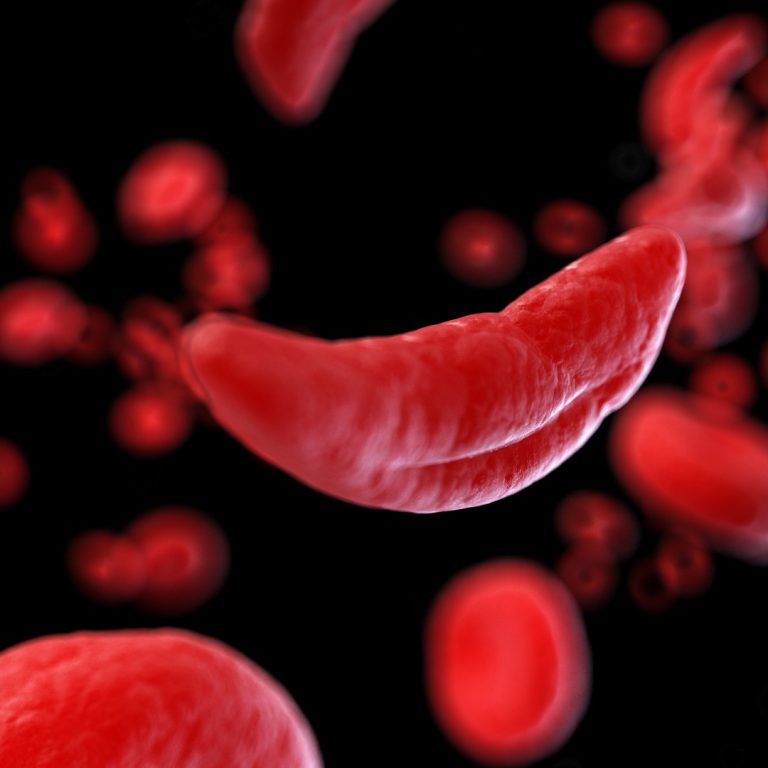
In 1966, a group of St. Jude patients were the first acute lymphoblastic leukemia (ALL) patients to ever…
In 1965, the first immunologic method to diagnose solid tumors in children was developed at St.ᅠJude Children’s Research…

On Jun. 20, 1963, the U.S. Food and Drug Administration (FDA) announced three sets of regulations governing “the…

On Feb. 4, 1962, St.ᅠ Jude Children’s Research Hospital opened it’s doors in front of a crowd of…
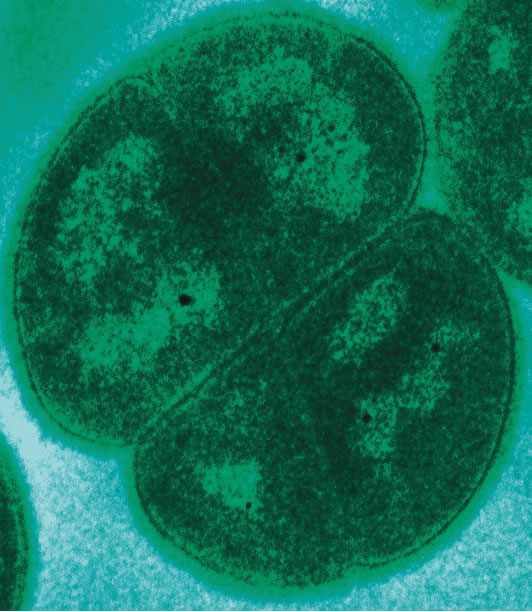
In 1956, Deinococcus (Micrococcus) radiodurans strain R1 (ATCC BAA-816), the most radiation-resistant organisms yet discovered, was first reported…
In 1956, The University of Tennessee Medical Center was established with a mission of healing, education and discovery.

In 1946, fission-derived radioiodine became readily available as a by-product of the Manhattan project in Oak Ridge, TN….

On Jun. 25, 1938, the U.S. Congress passed the Federal Food, Drug, and Cosmetic Act with new provisions….

In 1935, The University of Tennessee Research Foundation (UT) was founded as a non-profit 501(c)(3) organization, that promotes…
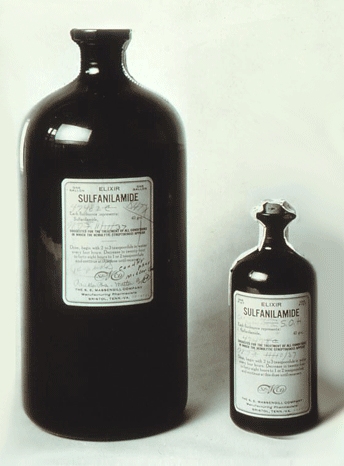
On Jun. 12, 1933, a bill was introduced in the U.S. Senate by New York Senator Royal S….
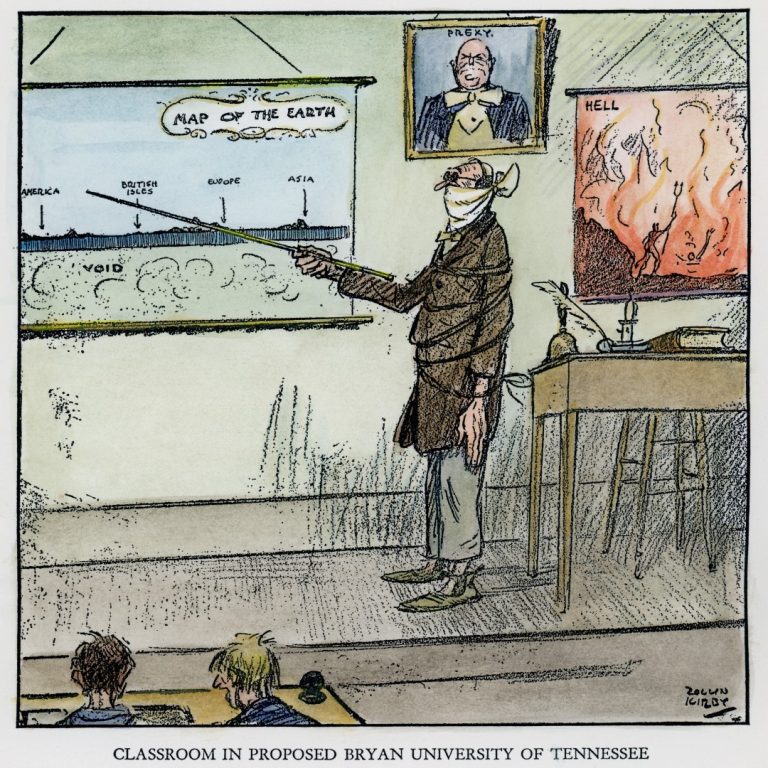
On Jul. 21, 1925, the Scopes Trial concluded with the jury finding John Stopes guilty. One year later,…
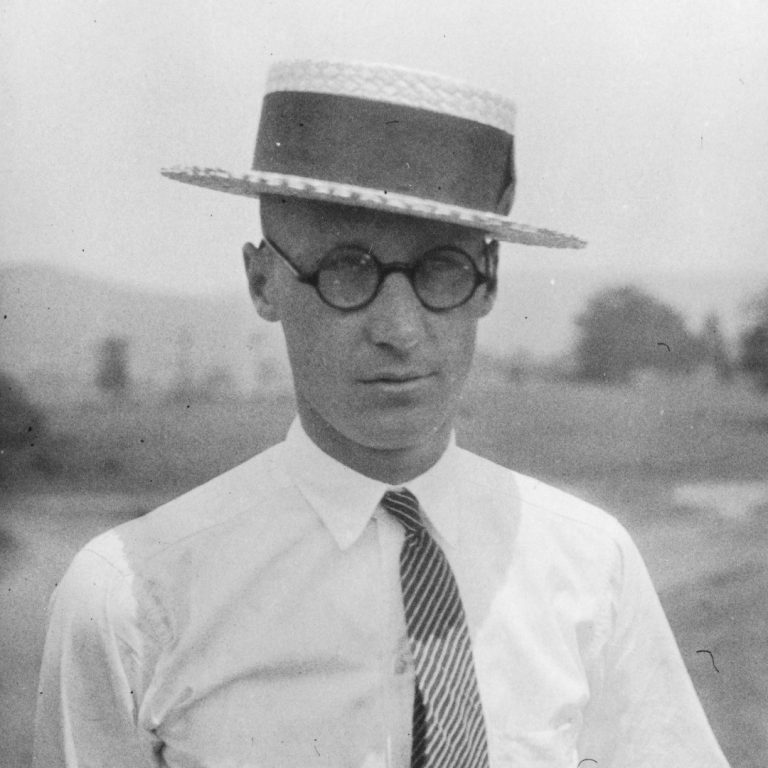
On Jul. 10, 1925, the Scopes Trial, often called the “Scopes Monkey Trial,” began in Dayton, TN, when…
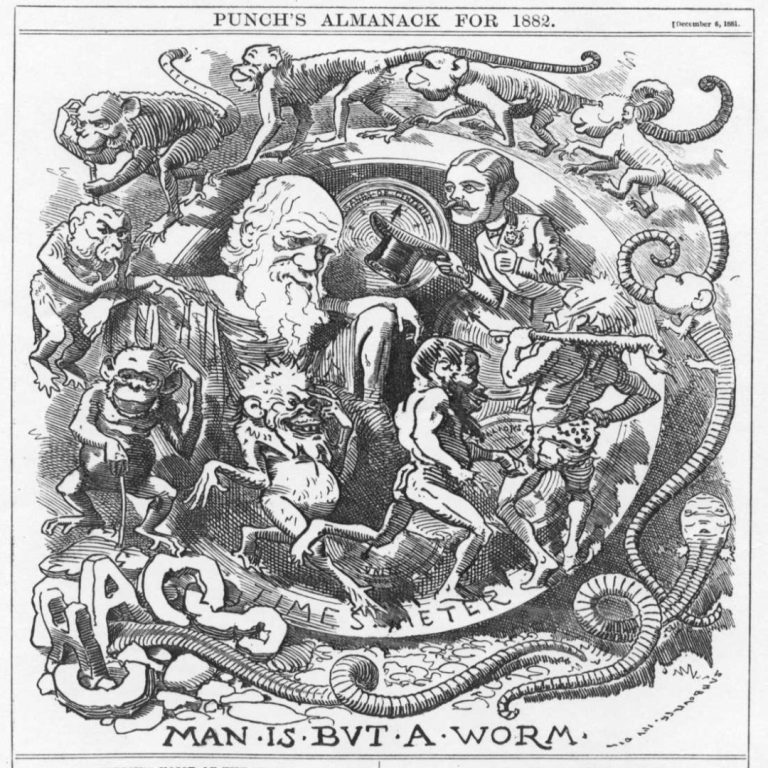
On May 5, 1925, Scopes, was arrested for violating the Butler Act which prohibited the teaching of evolution…
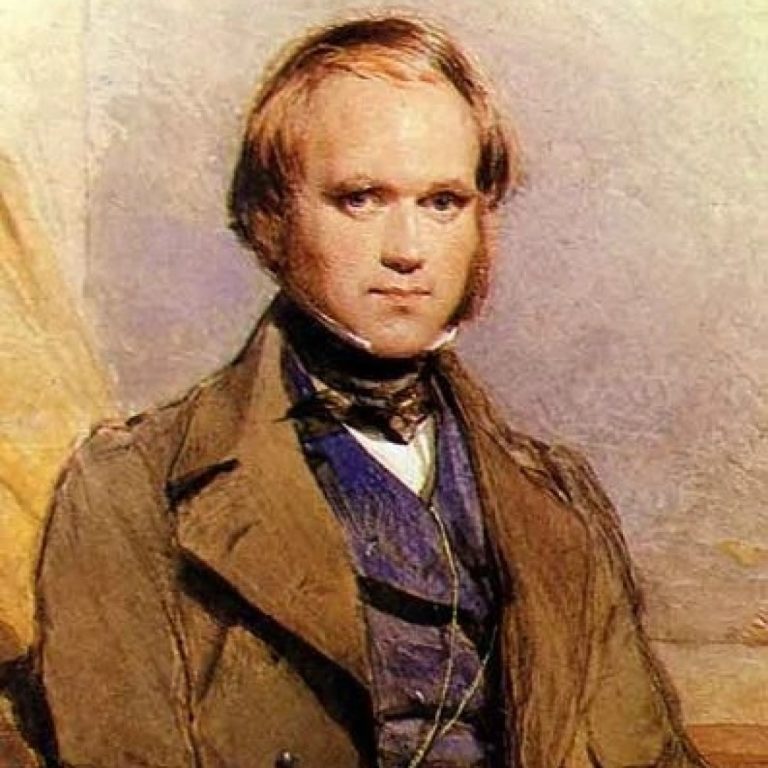
On May 4, 1925, a Chattanooga newspaper ran an item noting that the American Civil Liberties Union was…
On Mar. 21, 1925, Tennessee Governor Austin Peay signed the Butler Act (Tenn. HB 185, 1925) which prohibited…
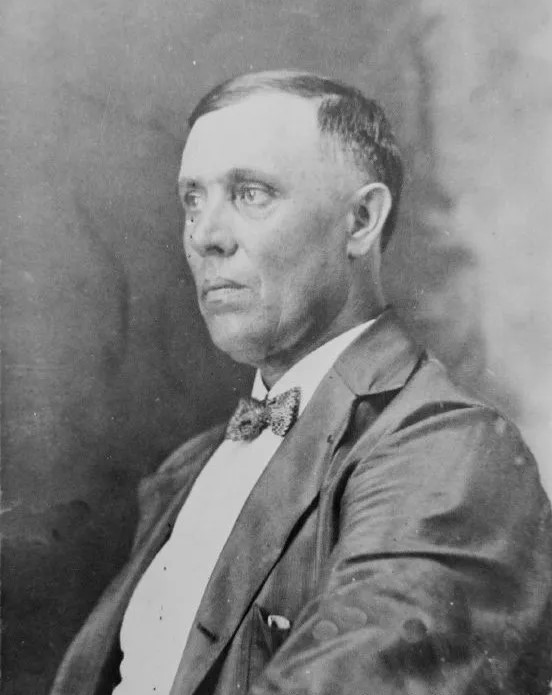
On Mar. 13, 1925, the Tennessee Senate approved the Butler bill 24 to 6 called for a ban…

On Jan. 21, 1925, Representative John Washington Butler introduced legislation in the Tennessee House of Representatives that called…
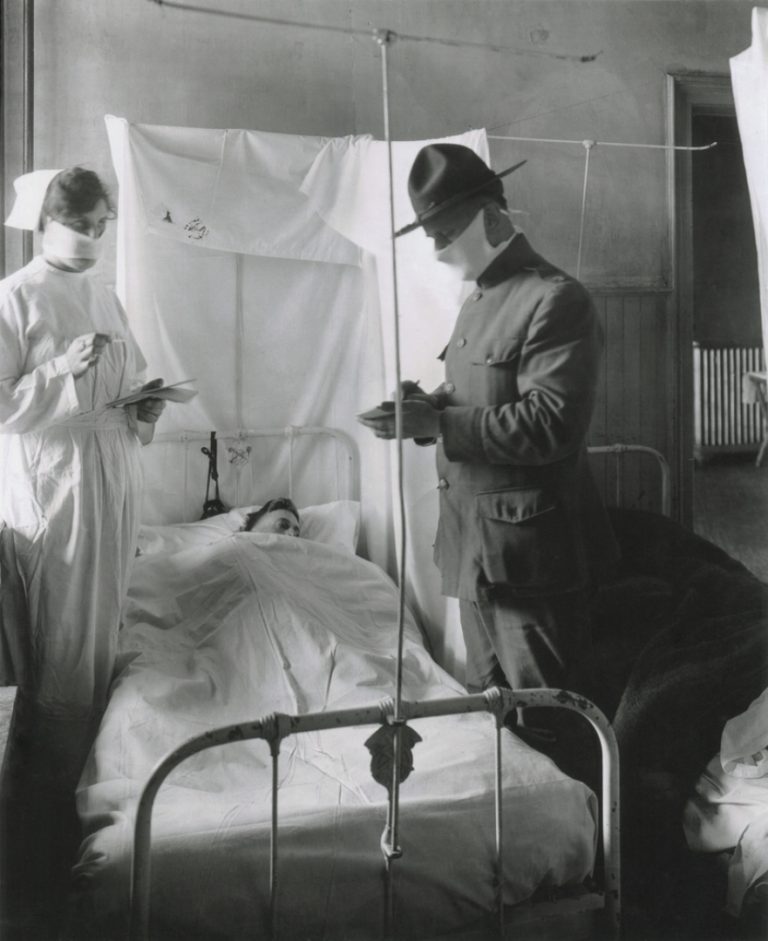
By Nov. 1, 1918, Nashville had reported a total of 40,000 influenza cases and 392 deaths, with thousands…