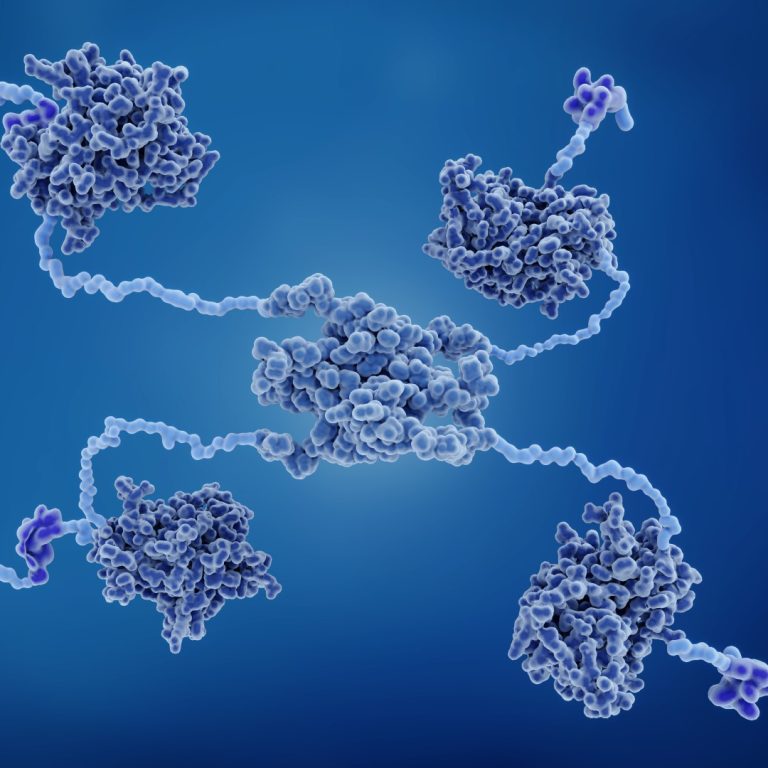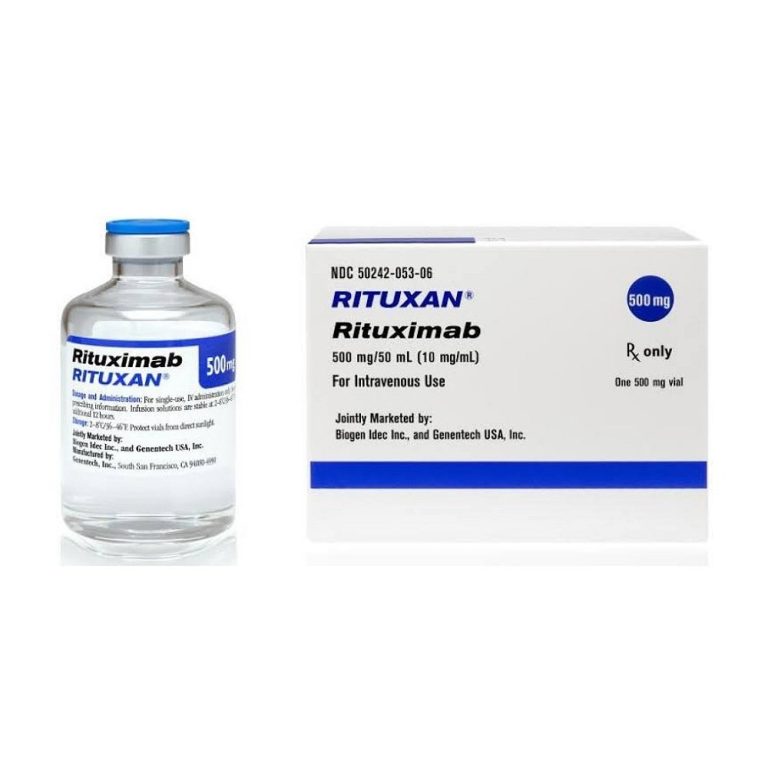
Monoclonal antibody rituximab (Rituxan) approved by the FDA to treat patients with non-Hodgkin lymphoma
On Nov. 26, 1997, the U.S. Food and Drug Administration (FDA) announced it had approved the Monoclonal antibody…
On Nov. 21, 1997, the U.S. Food and Drug Administration (FDA) Modernization Act (FDMA) was signed into law…
On Aug. 13, 1997, the Stamp Out Breast Cancer Act (PL 105-41) was signed into law by President…
On Jul. 29, 1997, the National Cancer Institute (NCI) released information that nuclear testing during the 1950s could…
In 1997, the Penn Medicine’s Cancer Center was renamed the Abramson Cancer Center of the University of Pennsylvania…
On Jul. 23, 1997, Richard D. Klausner, M.D., director of the National Cancer Institute (NCI) announced that as…
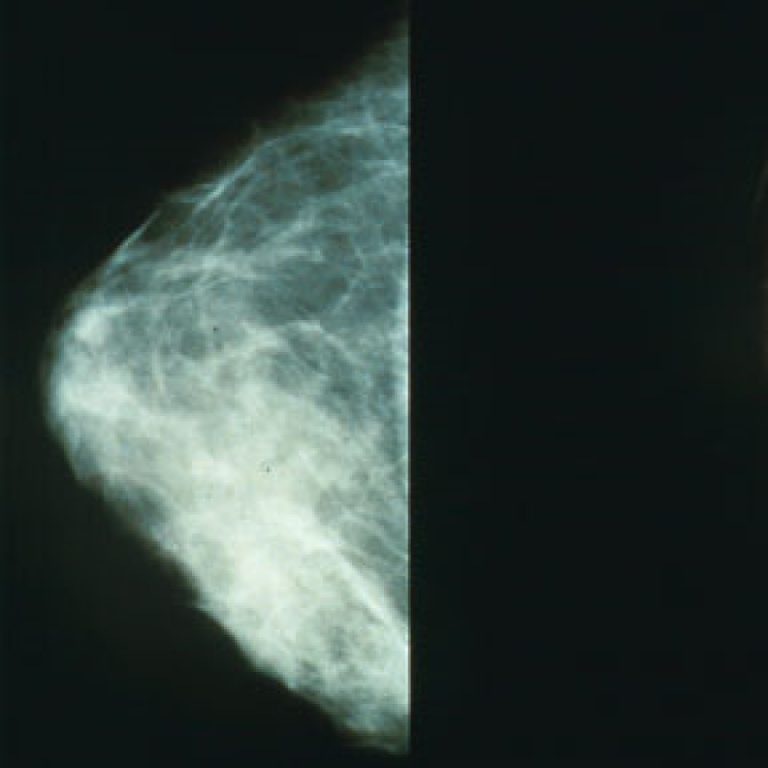
On Apr. 16, 1997, the American Cancer Society (ACS) published its recommended mammography screening interval for women ages…
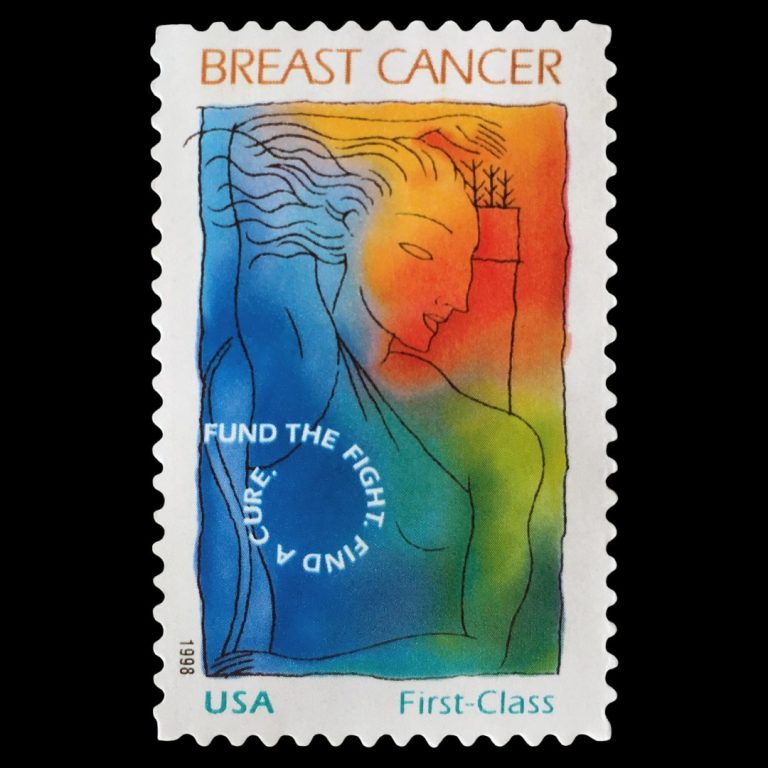
In August 1997, the U.S. Congress passed legislation that directed the U.S. Postal Service to issue its first…
In 1997, the the University of California, Irvine (UCI) Chao Family Comprehensive Cancer Center (CFCCC) gained NCI designated…
In 1997, the University of Colorado Cancer Center (CU) at the Anschutz Medical Campus received National Cancer Institute…
In 1997, the Robert H. Lurie Comprehensive Cancer Center of Northwestern University received its National Cance Institute ‘comprehensive’…
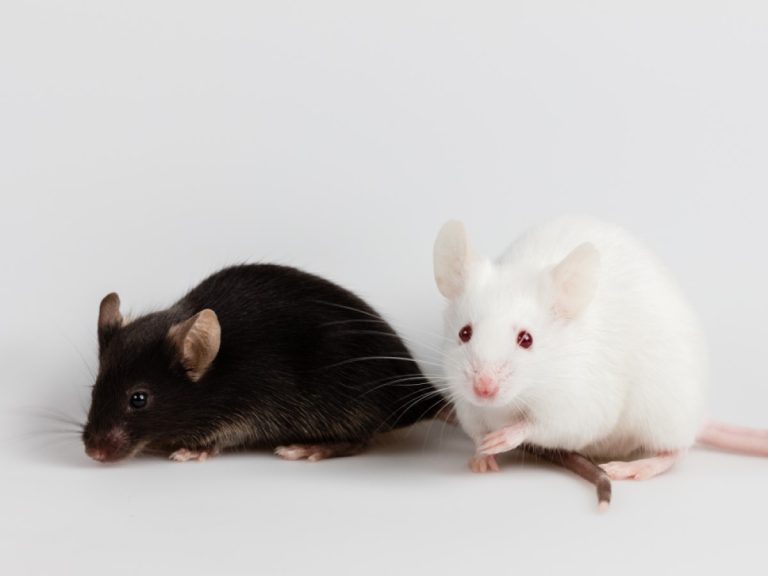
In 1997, a mouse model of promyelocytic leukemia was developed by Washington University – St. Louis researcher Timothy…
In 1997, planning began for Oregon Health & Science University’s (OHSU) Center for Women’s Health, and an interim…
In 1997, the Oregon Cancer Center was established with a grant from the National Cancer Institute (NCI) of…
In 1997, The Fred Hutchinson Business Alliance announced that the E. Donnall Thomas Medal of Achievement would be…
In 1997, Oregon Health & Science University (OHSU) announced that the institute achieved National Cancer Institute (NCI) designation,…
In 1997, the Huntsman Cancer Institute received National Comprehensive Cancer Network (NCCN) designation. In 1995, the Center earned…
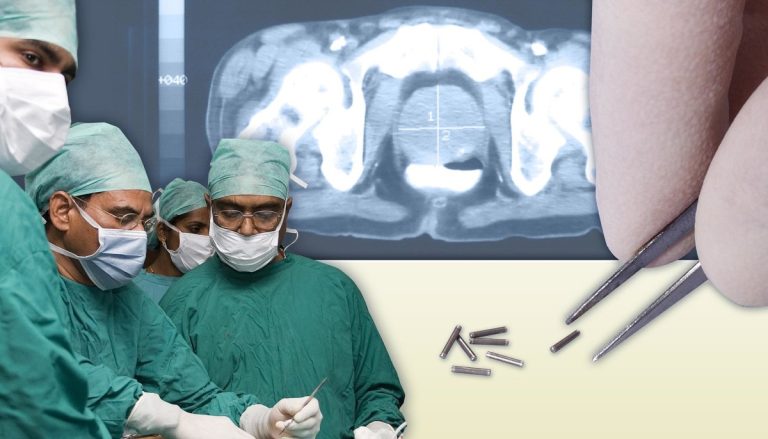
In 1997, IsoRay was founded in Richland as a spin-off from the Pacific Northwest National Laboratory (PNNL) to…
In 1997, Dr. Leland Hartwell became the new President and Director of the Fred Hutchinson Cancer Research Center….
In 1997, the Cancer Genome Anatomy Project (CGAP), created by the National Cancer Institute (NCI), is a multi-year…
In 1997, the National Cancer Institute (NCI) and Chinese scientists found that occupational exposure to benzene is associated…
On Oct. 2, 1996, SeaMED Corp. was founded in Redmond by Bob Berg. The company manufactured cell-production systems,…
On Jul. 1, 1996, topotecan (Hycamptin), the first of a class of drugs that interferes with the enzyme…
On Mar. 26, 1996, the USC Norris Comprehensive Cancer Center and Hospital opened their expanded facilities that included…
On Jan. 2, 1996, Stanford Medicine researchers announced they had discovered that the p53 protein, known to be…
In 1996, Stanford Medicine developmental biologist Matthew Scott and a team at University of California, San Francisco discovered…
In 1996, the National Cervical Cancer Coalition (NCCC), a growing coalition of people battling cervical cancer and HPV…
In 1996, the U.S. Centers for Disease Control and Prevention (CDC) found evidence of tobacco smoke exposure in…
In 1996, the University of Hawaii Cancer Center (UH) received National Cancer Institute (NCI)-designation, an honor it has…
In 1996, the University of Maryland Cancer Center was renamed Marlene and Stewart Greenebaum Comprehensive Cancer Center. In…