Fox Chase Cancer Center became founding member of the National Comprehensive Cancer Network
In 1995, Fox Chase Cancer Center became a founding member of the National Comprehensive Cancer Network, an organization…
In 1995, Fox Chase Cancer Center became a founding member of the National Comprehensive Cancer Network, an organization…
In 1995, Information in National Cancer Institute’s (NCI) Physician Data Query (PDQ) database became available on the World…
On Oct. 26, 1994, the University of California, Irvine (UCI) Chao Family Comprehensive Cancer Center (CFCCC) gained designated…

In 1994, Albert Einstein College of Medicine becomes the only New York City medical school selected by the…
On Aug. 10, 1993, in response to a growing measles epidemic, the U.S. Congress created the National Vaccine…
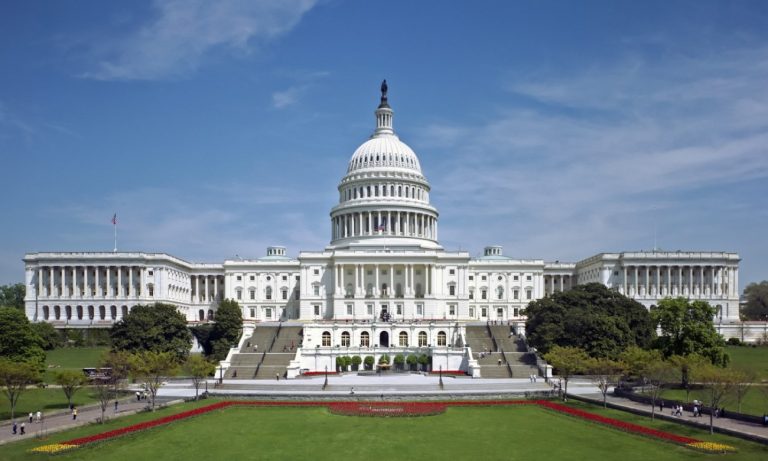
On Jun. 10, 1993, the U.S. Congress signed the National Institutes of Health Revitalization Act, P.L. 103-43. The…

In April 1993, James Watson resigned as head of National Human Genome Research Institute (NCHGR) following allegations that…
In 1993, The Cancer Therapy & Research Center (CTRC) at San Antonio received National Cancer Institute (NCI) designation….
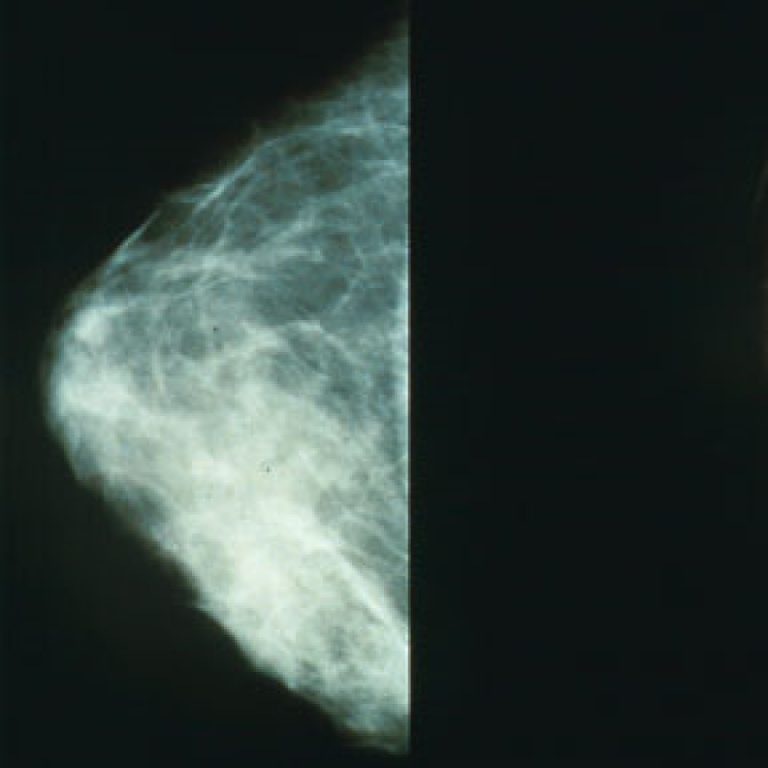
On Oct. 27, 1992, the Mammography Quality Standards Act (MQSA) was passed (P.L. 102-539) by the U.S. Congress…
On Oct. 27, 1992, the CDC was officially renamed Centers for Disease Control and Prevention, retraining its initials…
In 1992, The Indiana University (IU) Cancer Center, now known as the IU Melvin and Bren Simon Comprehensive…

In 1991, the Women’s Health Initiative (WHI), sponsored by the National Heart, Lung, and Blood Institute (NHLBI), was…

In 1991, The National Cancer Institute (NCI) began its Five-a-Day program, in partnership with the nonprofit group Produce…
In 1991, the policy for protection of human subjects in research, promulgated in 1981 by the U.S. Food…
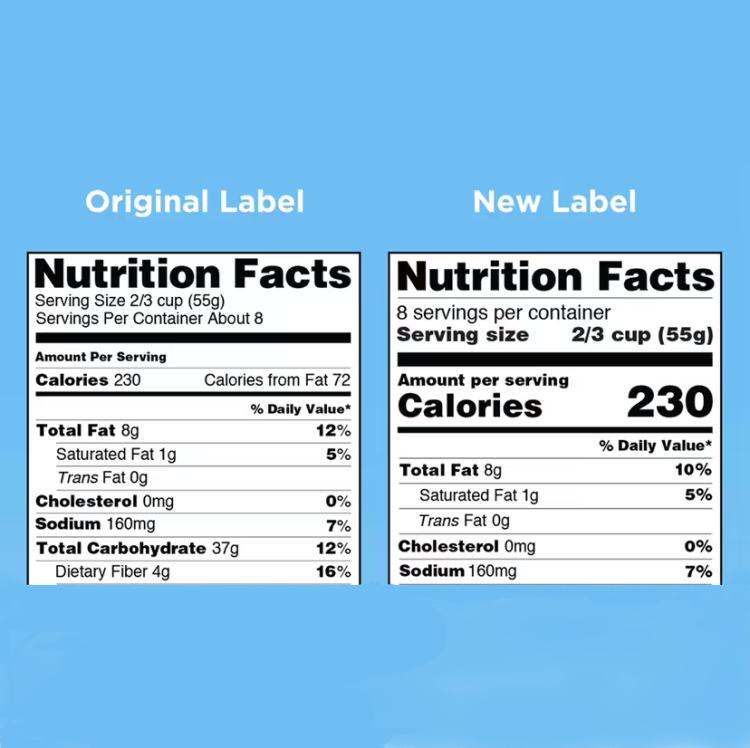
On Nov. 8, 1990, the Nutrition Labeling and Education Act (NLEA) was signed into law by President George…

On Oct. 1, 1990, the U.S. Human Genome Project (HGP), a 13-year effort coordinated by the U.S. Department…

On Sept. 15, 1990, The Human Gene Mapping database was established at Johns Hopkins University. The database provides…
On Sept. 14, 1990, W. French Anderson and his colleagues at the National Institutes of Health (NIH) performed…
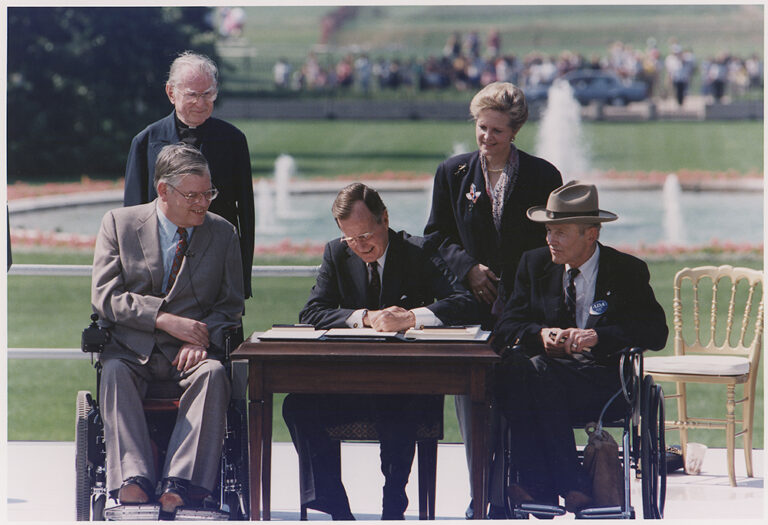
On Jul. 26, 1990, President George H.W. Bush signed the Americans with Disabilities Act (ADA) into law. Prior…
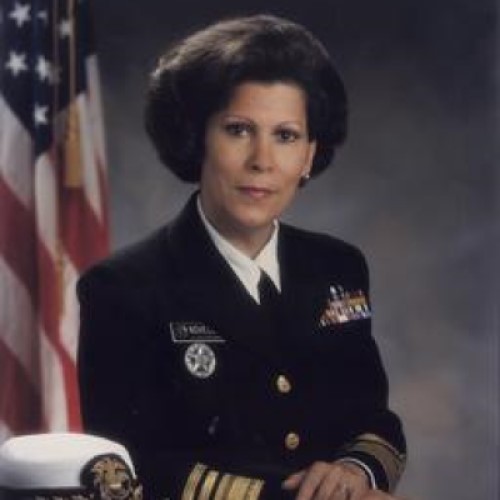
On Mar. 9, 1990, President Bush appointed Antonia C. Novello as U.S. Surgeon General. She was the first…

In 1990, the National Institutes of Health (NIH) established a Human Genome Center at Washington University School of…

In 1989, the National Cancer Institute (NCI) initiated mechanism of supplementing research grants to encourage recruitment of minority…
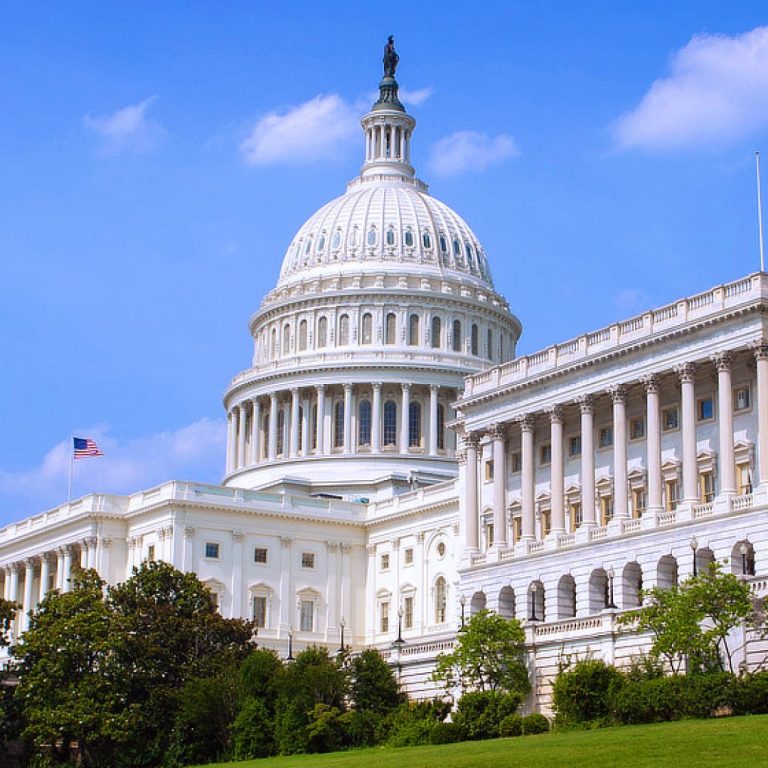
On Aug. 15, 1988, a program advisory committee on the human genome was established to advise the National…
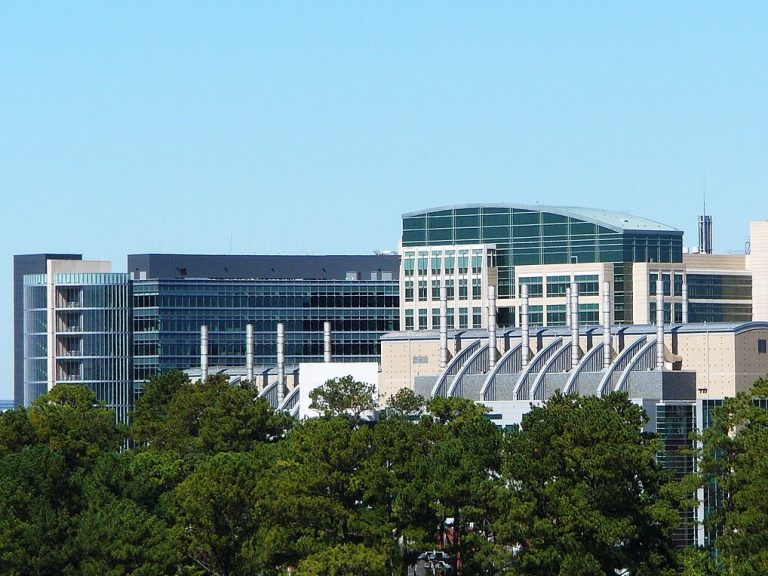
On Jun. 17, 1988, the Secretary of the U.S. Department of Health and Human Services announced the recipients…

On Mar. 2, 1988, the Landmarks Preservation Board officially designated the Seattle City Light Steam Plant building and…
In 1988, the National Cancer Institute journals Cancer Treatment Reports and Journal of the National Cancer Institute (NCI)…
In 1988, the International Cancer Information Center (ICIC) now part of the Cancer Information Service, was established within…
In 1988, the Food and Drug Administration Act by the U.S. Congress officially established the U.S. Food and…

In 1988, the Center for AIDS Research at Albert Einstein Cancer Center was funded by the National Institutes…

On Oct. 15, 1987, the Division of Cancer Control and Population Sciences (DCCPS) from the National Cancer Institute…