The Emergency Use Authorization program was established
In 2004, the Emergency Use Authorization (EUA) program was established in 2004, when the Project BioShield Act, among…

In 2004, the Emergency Use Authorization (EUA) program was established in 2004, when the Project BioShield Act, among…

In 2004, representatives from a cross-section of bioscience enterprises met under the direction of Governor Ruth Ann Minner…
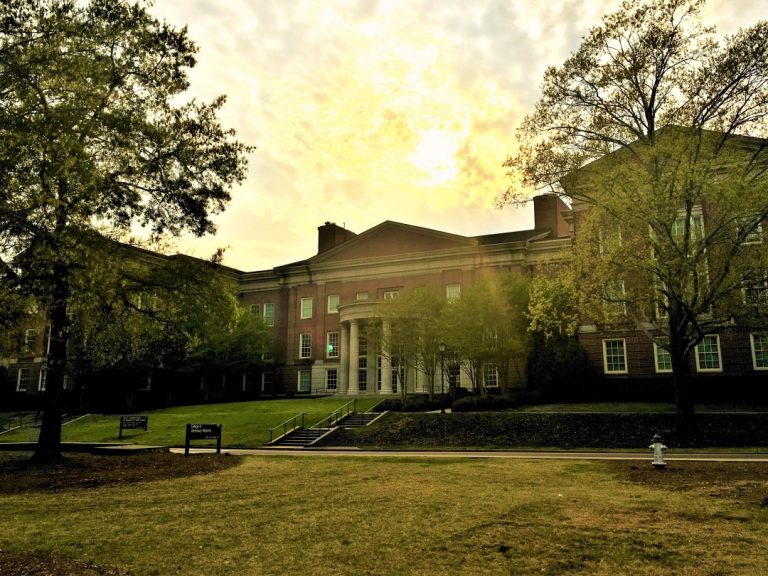
In 2004, the University of Georgia Cancer Center was established, specializing in drug targets, diagnostic tests, cancer vaccines,…

In 2004, Medtronic moved into new world headquarters in Fridley, Minnesota. At that time, Medtronic operated from more…
In 2004, the Oklahoma Medical Research Foundation (OMRF) opened the state’s first small animal magnetic resonance imaging facility….

In 2004, Siemens, now Sivantos, introduced Acuris, the first hearing instrument featuring a wireless system, e2e wireless, small…

On Sept. 22, 2003 the Oregon Investment Fund was created with HB 3613 passage in the Oregon State…

In 2003, the Medical University of South Carolina and Clemson University established a joint Bioengineering Program. Located on…

On Dec. 24, 2002, the U.S. Food and Drug Administration’s (FDA) Office of Combination Products (OCP) was formed within…

On Oct. 26, 2002, the Medical Device User Fee and Modernization Act of 2002 (MDUFMA), P.L 107-250, amends…

In Jun. 2002, the Translational Genomics Research Institute (TGen), a non-profit 501(c)(3) organization focused on developing earlier diagnostics…

On May 7, 2002, Quinton Cardiology Systems held its Initial Public Offering raising $28 million. The Bothell, Washington…

In 2002, Siemens, now Sivantos, launched Triano, the first hearing instrument with three microphones. This new hearing system…
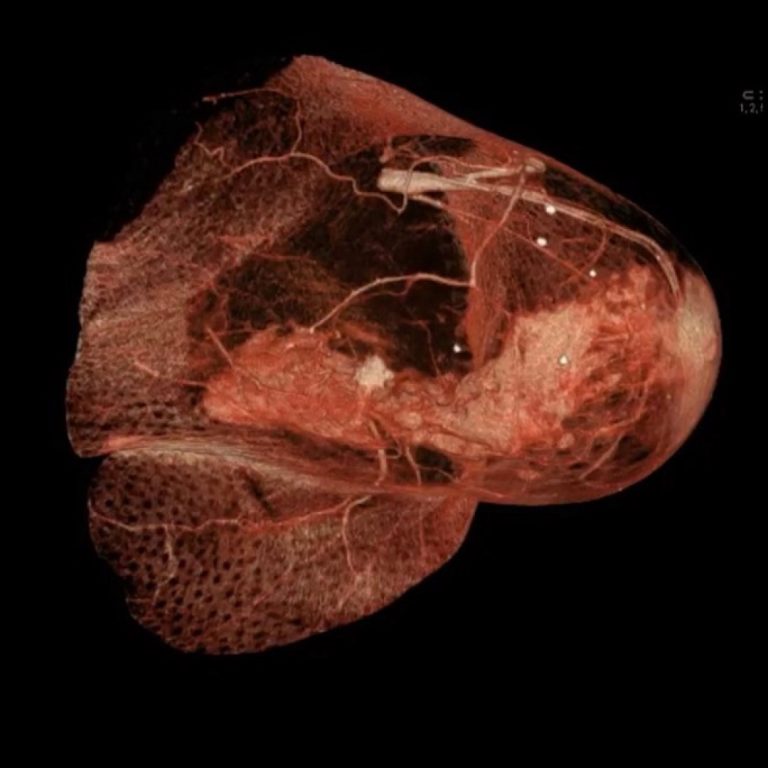
On Jan. 10, 2001, Livermore National Laboratory announced a partnership with BioLuminate to develop ‘Smart Probe’ tool for…

In 2001, SynCardia Systems, a private company formed to commercialize the Jarvik 7 artificial heart, was founded by…

In 2000, BioAlberta, a private, not-for-profit industry association, was founded. BioAlberta represents the growing biotechnology sector. On behalf…

In 2000, Colorado Biotechnology Council (CBA) was established by the Governor’s office to: recommend goals, policies and actions…

In 2000, the Georgetown University Hospital became part of MedStar Health, a not-for-profit network of seven hospitals in…
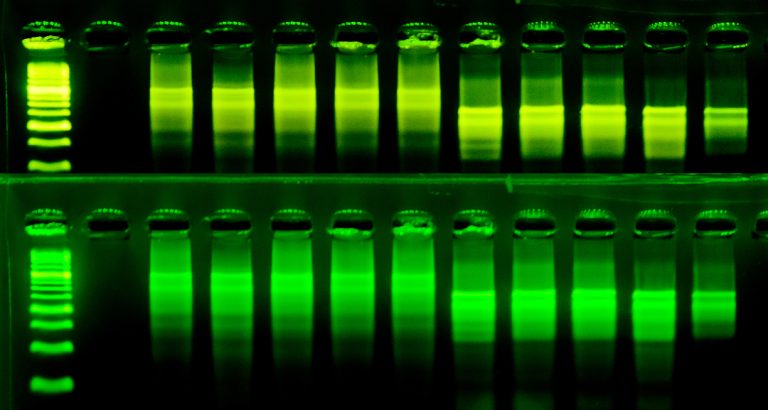
In 2000, the Capillary electrophoresis DNA sequencer device was developed by Dr. Edward Yeung at Iowa State University….
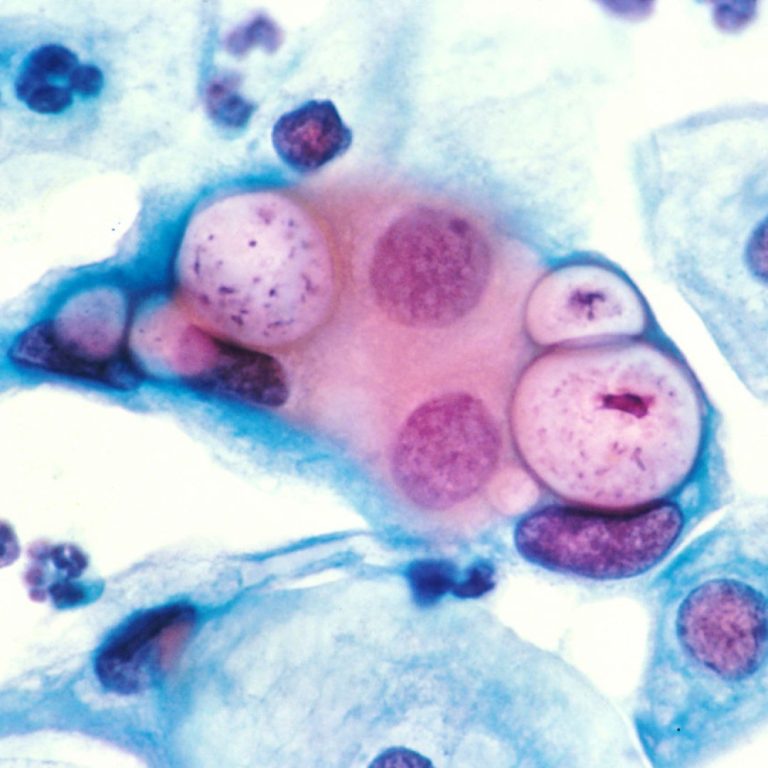
On Jun. 7, 1999, NeoPath merged with AutoCyte to form TriPath Imaging based in Burlington, N.C. NeoPath was…

On Apr. 15, 1999, the Tennessee Biotechnology Association (TBA), now the Life Science Tennessee, was established. The Tennessee…
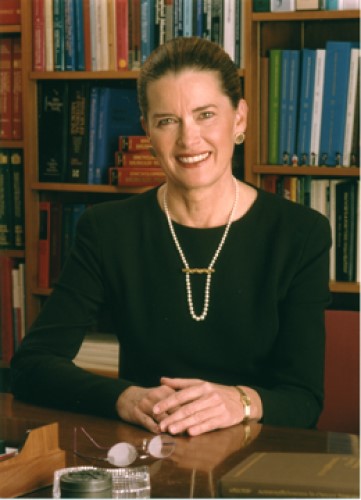
On Jan. 17, 1999, Jane E. Henney, M.D., appointed by President Bill Clinton, became the first woman to…
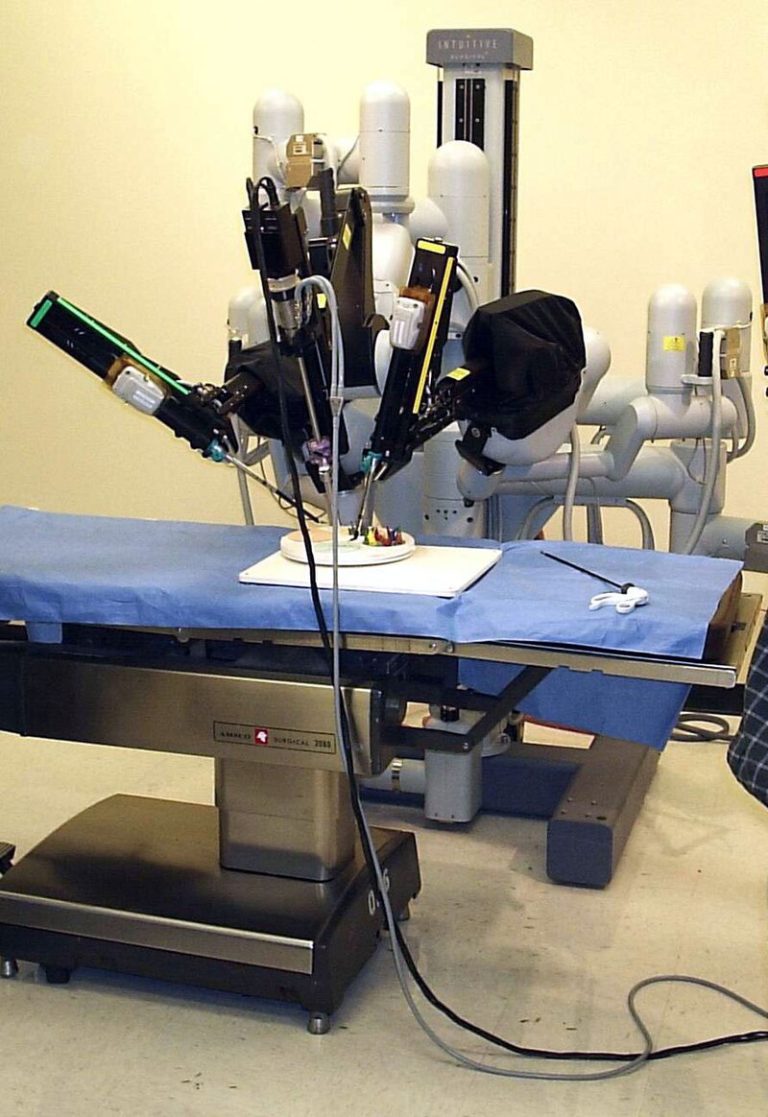
In 1999, Dr. Douglas Boyd from University of California, Davis performed the world’s first closed-chest robotic-assisted, beating-heart, coronary…

In 1998, the Mammography Quality Standards Reauthorization Act (MQSA) was passed by the U.S. Congress and continued the…

In 1998, Montana Neuroscience Institute Foundation was a non-profit partnership between St. Patrick Hospital and Health Sciences Center…
On Nov. 21, 1997, the U.S. Food and Drug Administration (FDA) Modernization Act (FDMA) was signed into law…

On Jul. 1, 1997, the operations, employees and obligations of the Medical College of Virginia Hospitals (MCV), formerly…
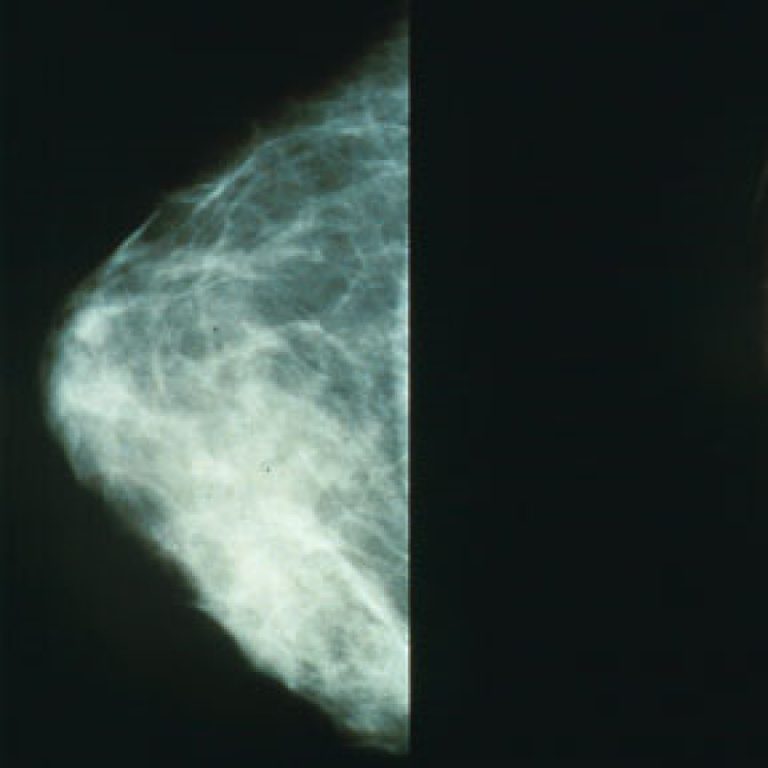
On Apr. 16, 1997, the American Cancer Society (ACS) published its recommended mammography screening interval for women ages…

In 1998, Alfred Mann gave $112.5 million to establish the University of Southern California Alfred E. Mann Institute…

In 1997, Medtronic opened Bakken Research Center in Maastricht, The Netherlands, signaled Medtronic’s expanded emphasis on international markets….